
Navigating the labyrinthine world of cybersecurity planning requires a toolkit that fuses innovation with insight. As threats evolve and digital landscapes expand, the integration of artificial intelligence (AI) emerges as a powerful ally. Developers and CTOs stand at the helm, ready to leverage AI’s unparalleled analysis and predictive capabilities to fortify defenses. Embracing AI can offer not only automated threat detection but also enriched decision-making processes, transforming how organizations approach their cybersecurity initiatives. By understanding how to effectively implement AI in cybersecurity planning, you can safeguard your digital assets while paving the way for secure innovation.
The Cybersecurity Landscape: A Developer’s Perspective

In the rapidly evolving technological landscape, developers are at the frontline of cybersecurity challenges. The complexity of modern cyber threats requires an adaptive and proactive approach, making it essential for developers to stay updated on trends and solutions.
One of the most formidable challenges developers face is the sheer volume and sophistication of cyber threats. With every technological advancement, threat actors find new vulnerabilities, prompting a constant need for vigilance. The proliferation of IoT devices, cloud computing, and remote work arrangements has expanded the attack surface, making traditional security measures insufficient.
Developers must contend with threats like ransomware, phishing attacks, and zero-day exploits. The latter, in particular, represents a significant challenge, as it involves threats that exploit unknown vulnerabilities. Such threats demand a nuanced response, often requiring developers to deploy patches quickly or reroute system functions to neutralize risks.
AI as a Pragmatist’s Tool
Amid these challenges, Artificial Intelligence emerges as a powerful ally. By automating threat detection and response processes, AI can significantly enhance a developer’s ability to safeguard systems. Machine learning algorithms can analyze vast data sets to identify patterns and predict potential vulnerabilities, enabling developers to preemptively address issues before they become critical.
For instance, AI-driven anomaly detection systems can flag unusual network activity that might indicate a breach. These systems learn from historical data, improving their accuracy over time. Consequently, developers can rely on AI to monitor systems continuously, significantly reducing response times to incidents.
Furthermore, AI can assist in vulnerability assessment. By automating code review processes, AI tools can identify security flaws and suggest mitigation strategies. This not only frees up developers to focus on innovation but also ensures that security is integrated into the development process from the outset.
Challenges in AI Adoption
Despite its potential, integrating AI into cybersecurity planning poses certain challenges. One notable issue is the risk of AI systems being manipulated by adversarial attacks. Cybercriminals can exploit AI’s inherent learning capabilities, feeding them misleading data that can lead to erroneous threat assessments.
Developers must also grapple with issues of bias in AI algorithms, which can skew threat detection and response. It is crucial to ensure that these systems are trained on diverse data sets to reduce biases that could compromise security.
Moreover, the implementation of AI in security planning requires a robust infrastructure. Developers need to ensure seamless integration of AI tools with existing IT frameworks, necessitating careful planning and resource allocation.
Trends to Watch
As AI continues to evolve, several trends are shaping its role in cybersecurity. One such trend is the adoption of hybrid computing strategies, blending AI with traditional methods to bolster security layers. This approach allows developers to leverage the strengths of both systems, achieving a more resilient security posture.
Additionally, the rise of edge computing is redefining security practices for developers. With data processing occurring closer to the source, AI tools must adapt to decentralized data flows. Here, AI’s real-time data processing capabilities become invaluable, allowing for on-the-spot threat assessments.
The integration of neuromorphic computing architectures, as explored in resources like these insights, presents another compelling frontier. By mimicking human brain processes, these systems promise to revolutionize threat detection by processing information in an inherently intuitive manner.
Finally, as regulatory environments tighten globally, developers must be adept at navigating compliance issues. AI can assist in this area by monitoring adherence to regulatory standards, thus ensuring that security measures align with legal requirements.
Empowering Developers
For developers, leveraging AI in cybersecurity is as much about empowerment as it is about efficiency. By harnessing AI, developers can transform reactive security practices into proactive strategies, enhancing their ability to protect digital infrastructures. This transition not only mitigates risk but also fosters an environment where developers can innovate without fear of vulnerabilities being exploited.
Ultimately, the successful integration of AI into cybersecurity planning depends on developers’ willingness to embrace these technological advancements. As developers continue to adapt, the fusion of AI and cybersecurity promises a future of robust, intelligent digital defenses.
AI Implementation: Developing Smart Cyber Defense Strategies
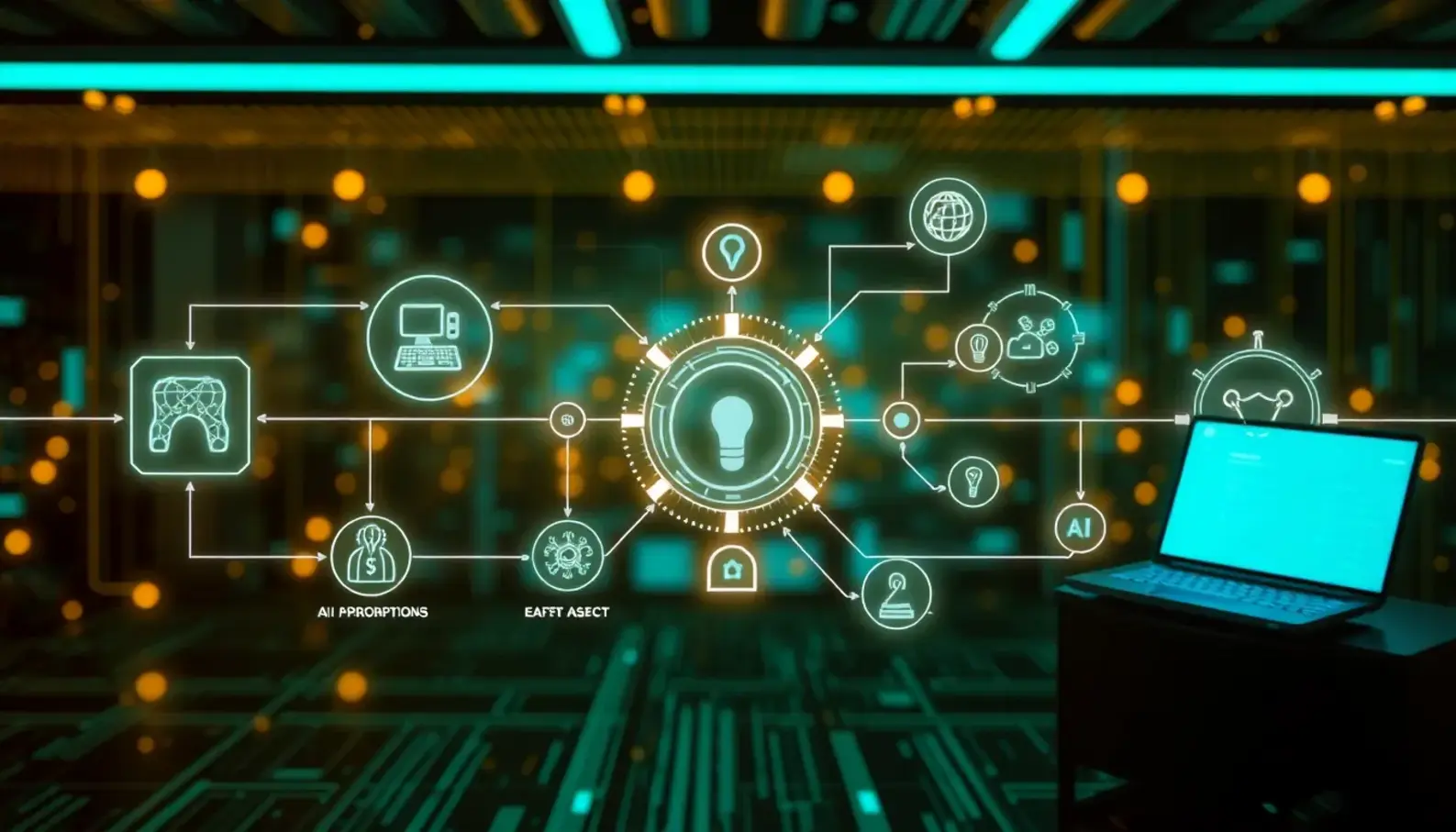
Integrating AI into cybersecurity strategies involves a careful blend of understanding existing frameworks and implementing advanced technologies to enhance threat detection and response capabilities. By leveraging machine learning algorithms and behavioral analysis systems, developers can create robust defenses that learn and adapt over time. However, the challenge lies in incorporating these technologies without overwhelming the current infrastructure. Here, we explore the practical steps required to implement AI-driven cybersecurity solutions effectively.
Understanding the Tools and Technologies
Before diving into implementation, it’s crucial to familiarize oneself with the range of tools available. Machine learning offers predictive modeling, which can analyze historical data to anticipate potential threats. Algorithms within this domain can classify and cluster data, identifying anomalies that deviate from normal patterns. Behavioral analysis systems, on the other hand, delve into the actions within a network, providing real-time insights into user activities and system operations. These systems work by establishing a baseline of normal behavior and then monitoring for deviations that might indicate malicious activity.
Steps for Effective AI Implementation
-
Assessment of Current Systems: Begin by evaluating the existing cybersecurity infrastructure. Identify areas where AI can offer the most value—be it in intrusion detection, fraud prevention, or threat intelligence. Each system has its own set of vulnerabilities, and understanding these will guide the selection of appropriate AI tools.
-
Data Collection and Preparation: AI systems thrive on data. Gather historical records, logs, and patterns typically observed across the network. Cleanse this data to eliminate noise, ensuring more accurate models. Structured, high-quality data is critical for training effective machine learning algorithms.
-
Integration Planning: Devise a strategy to integrate AI seamlessly with existing systems. Consider the compatibility of AI tools with current cybersecurity software and hardware. Utilize application programming interfaces (APIs) to facilitate smooth communication between new AI components and existing infrastructure.
-
Algorithm Selection: Choose the right algorithms based on specific needs. For example, decision trees and neural networks suit systems aiming for high detection accuracy, while reinforcement learning can provide adaptive responses to new cyber threats. Assess the strengths and limitations of each algorithm in the context of your cybersecurity objectives.
-
Proof of Concept: Develop a pilot program to test the AI system on a small scale. This controlled environment allows for testing the system’s effectiveness without risking the entire network. Use this phase to fine-tune the system, ensuring it performs well under expected conditions.
-
Optimization and Deployment: Once the pilot shows promise, scale the system to the broader network. Optimization might involve adjusting algorithms, enhancing data feeds, or recalibrating the model to improve speed and accuracy. Deploy AI incrementally to avoid disruptions and monitor its impact continuously.
-
Training and Adaptation: Cyber threats evolve, and so must your AI system. Regularly update it with new data and refine algorithms based on emerging threat patterns. User training is also essential; educate your team on interpreting AI insights and reconfiguring settings as needed.
Avoiding Over-Complexity
One of the dangers in AI implementation is over-complicating the system, which can lead to inefficiencies and increased vulnerability. Maintain a focus on simplicity and clarity. Use streamlined processes and ensure each team member understands the AI system’s role and functionality. Documentation and ongoing training play critical roles in maintaining an agile and responsive cybersecurity posture.
Ethical Considerations
Adopting AI brings with it ethical concerns, particularly in data privacy and security. Ensure compliance with data protection regulations and maintain transparency about how AI systems use and protect user data. Establish clear policies on data usage and retention, emphasizing security at every step of implementation.
For further exploration of AI’s intersection with ethics, the article Generative AI Ethics offers valuable insights into maintaining ethical AI practices.
Implementing AI in cybersecurity requires a balance between leveraging cutting-edge technologies and respecting existing operational structures. With careful planning and execution, AI can significantly enhance an organization’s ability to detect and respond to cyber threats. By focusing on strategic integration, optimization, and adherence to ethical standards, developers and CTOs can harness AI to build smarter, more resilient cyber defense systems.
Navigating the Future: The Role of CTOs in AI-driven Security

As businesses increasingly rely on digital infrastructures, the role of Chief Technology Officers (CTOs) is undergoing significant transformation. In the context of AI-enhanced cybersecurity, CTOs are evolving from traditional overseers to strategic leaders guiding their organizations through uncharted digital territories. They are tasked with the complex responsibility of ensuring robust security measures, while simultaneously fostering innovation—a balancing act that requires insight, foresight, and decisiveness.
Strategic Integration of AI Technologies
The integration of AI into cybersecurity frameworks offers unprecedented opportunities for proactive threat detection and mitigation. CTOs must lead the charge in identifying and deploying AI technologies that align with their organization’s security objectives. This requires not just an understanding of the latest AI applications, but also the ability to foresee future trends and potential threats. By leveraging AI, organizations can shift from a reactive to a proactive security posture, predicting and neutralizing threats before they manifest.
However, strategic integration is not without its challenges. CTOs must ensure that AI technologies complement, rather than complicate, existing cybersecurity measures. This involves meticulous planning and collaboration across various departments, ensuring seamless integration with minimal disruption. Engaging with cybersecurity experts and AI specialists can provide valuable insights, enhancing the efficacy of AI-driven solutions.
Balancing Innovation and Security
Innovative technologies bring along the potential for heightened security risks. As organizations pursue cutting-edge solutions, CTOs must spearhead initiatives that address vulnerabilities inherent in new technologies. This process requires a thorough risk assessment for each innovation, measuring its potential impact on the organization’s security landscape.
Building an agile cybersecurity framework allows CTOs to adapt quickly to these new challenges. The framework should be dynamic, capable of evolving alongside technological advancements. This adaptability ensures that security measures are consistently robust, keeping pace with emerging threats. By embedding a culture of security within the innovation process, CTOs can mitigate risks while unlocking the full potential of AI-driven technologies.
Fostering a Proactive Security Culture
Creating a culture that prioritizes security is vital for CTOs aiming to harness AI’s capabilities effectively. This involves cultivating an organizational mindset that sees security as integral to business operations, rather than a mere afterthought. CTOs can instigate this cultural shift by advocating for continuous security education and training. Encouraging a learning environment empowers employees to recognize and address security threats, fostering a workforce that is both vigilant and informed.
Moreover, CTOs should advocate for clear communication channels across departments. Seamless information flow ensures all teams are aligned with the organization’s security objectives, facilitating a unified response to potential threats. By emphasizing collaboration and knowledge sharing, CTOs can build an empowered and cohesive security culture.
One crucial aspect of fostering this culture is aligning organizational goals with security objectives. CTOs should work closely with leadership teams to integrate security into the broader business strategy. This alignment positions security as an enabler of business growth, rather than a constraint.
To further understand these dynamics, exploring resources like AI in Business Growth can provide insights into how organizations can align AI innovations with business success while maintaining robust security protocols.
Conclusion
As navigators of the future, CTOs hold a pivotal role in guiding their organizations through the complexities of AI-driven cybersecurity. By strategically integrating AI technologies, balancing innovation with security, and fostering a proactive security culture, CTOs can steer their organizations toward a secure digital future. Their leadership is crucial in ensuring that AI-enhanced cybersecurity not only protects but also propels businesses towards new opportunities and achievements.
Final words
Integrating AI into cybersecurity planning is not merely a technological upgrade; it’s a strategic evolution for developers and CTOs alike. By harnessing AI’s capabilities, you can preemptively combat threats and streamline your security framework. The time is now to embrace this innovation, ensuring resilience and agility in your cybersecurity efforts, while fostering a culture of proactive vigilance.
Get Toolkit
Learn more: https://innoupdates.com
About us
At Innoupdates, we provide cutting-edge cybersecurity solutions featuring AI-driven technologies tailored to enhance your organizational security strategies. Our offerings range from advanced threat detection systems to comprehensive cybersecurity planning tools designed for developers and CTOs looking to fortify their digital environments.