As organizations increasingly rely on digital infrastructures, the challenge of maintaining robust cybersecurity has intensified. HR managers and consultants play a crucial role in safeguarding sensitive information and complying with regulatory requirements. Understanding how artificial intelligence can enhance cybersecurity practices is imperative in today’s landscape. AI not only improves threat detection and response but also supports continuous quality improvement by analyzing vast amounts of data in real-time, facilitating informed decision-making. This article explores the integration of AI in cybersecurity and outlines actionable strategies that HR professionals can implement to promote a culture of security awareness and resilience in their organizations.
Understanding AI’s Role in Cybersecurity
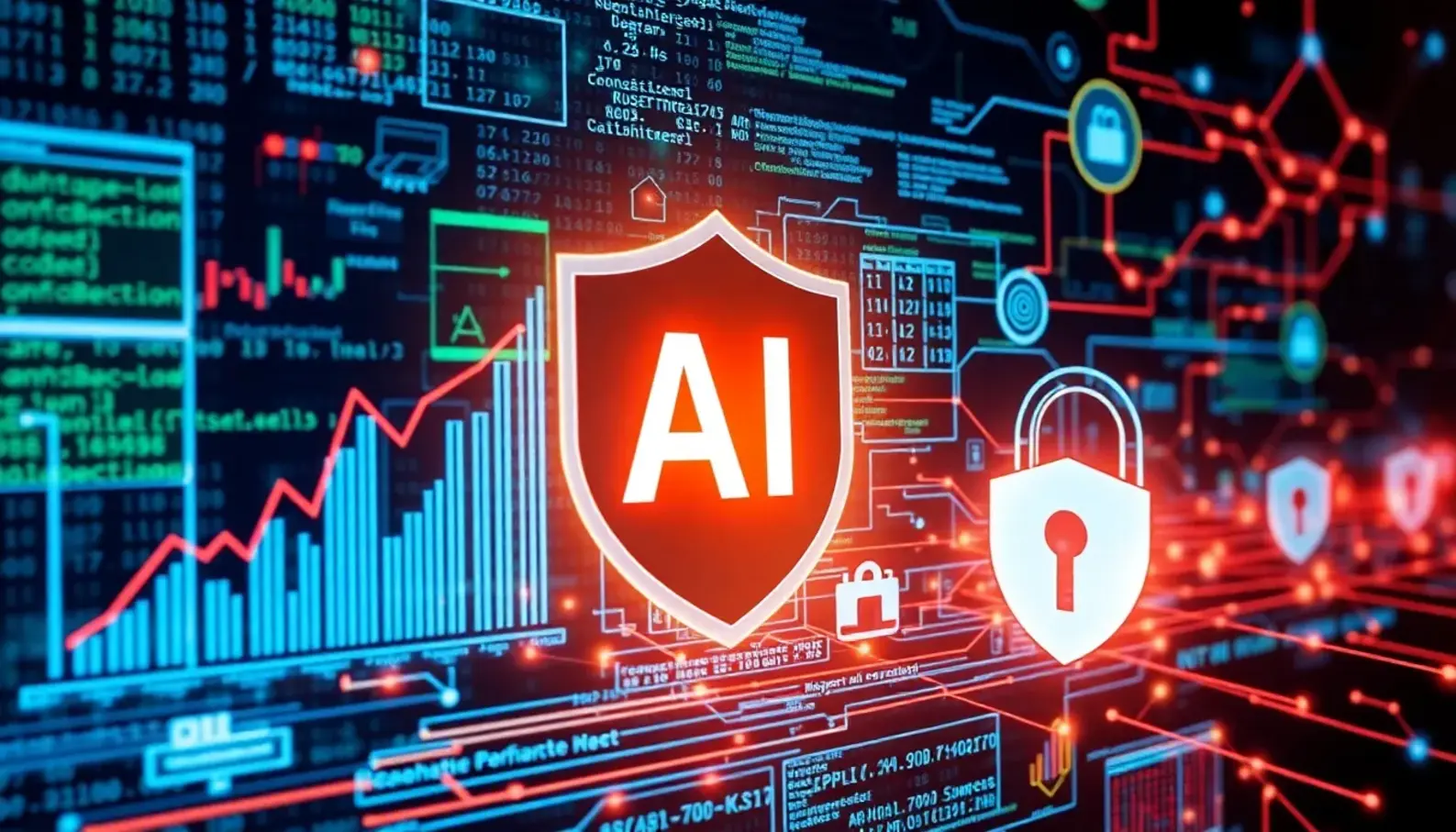
Artificial intelligence (AI) is revolutionizing cybersecurity, offering organizations robust tools to enhance their defenses against increasingly sophisticated threats. By leveraging AI, cybersecurity teams can protect networks, systems, and data more efficiently. This chapter delves into how AI, including machine learning and deep learning, plays a crucial role in predicting, detecting, and responding to cyber threats.
Machine learning, a subset of AI, allows systems to learn from data patterns and improve over time without explicit programming. In cybersecurity, machine learning algorithms can analyze vast amounts of data, identifying unusual patterns or anomalies that might indicate a security breach. For example, these algorithms can learn what “normal” network traffic looks like and flag deviations for further investigation.
Deep learning, a more advanced form of machine learning, involves neural networks that mimic the human brain. This technology excels at recognizing patterns and has proven effective in detecting known and unknown threats alike. Deep learning models can process enormous data volumes quickly, sifting through the noise to find potential dangers that traditional methods might miss.
One notable application of AI in cybersecurity is predictive analytics. By analyzing historical data, AI systems can anticipate future threats, allowing organizations to take preventive measures. Predictive analytics can forecast the likelihood of various attack vectors, enabling proactive risk management.
AI is also instrumental in threat detection. Real-time monitoring systems use AI to continuously scan for signs of intrusion, malware, and phishing attempts. This continuous vigilance is vital for maintaining security in an environment where threats evolve rapidly.
Once a threat is detected, AI aids in the response process. Automated systems can execute immediate responses, such as isolating affected files or blocking malicious traffic, minimizing damage. AI’s speed in response is critical during an active attack where time is of the essence.
Although AI brings numerous advantages, it’s essential to recognize its limitations. AI models require large datasets to function effectively, and the quality of outcomes is heavily dependent on the quality of the input data. Bias in the data can lead to flawed models, potentially overlooking significant threats or generating false positives.
Moreover, AI lacks context awareness—an understanding of the broader situation surrounding a detected anomaly. Human oversight remains indispensable to interpret AI findings correctly and make strategic decisions. Expert cybersecurity professionals provide the necessary context and apply critical thinking that AI models can’t replicate.
The integration of AI into cybersecurity strategies impacts workforce capabilities. It necessitates a workforce adept in both cybersecurity and AI technologies. Cybersecurity professionals must develop skills in data science and AI to fully leverage these advanced tools while maintaining the expertise needed for strategic oversight.
The role of AI in cybersecurity is explored further in contexts such as its strategic applications across different business domains. Discover how AI boosts business growth across industries, revealing its potential beyond traditional cybersecurity.
In conclusion, AI technologies are transforming cybersecurity by providing tools that enhance prediction, detection, and rapid response to threats. Nevertheless, these technologies function best when complemented by skilled professionals who can navigate their limitations and guide strategic implementation. The future of cybersecurity lies in the harmonious collaboration between AI and human expertise.
Driving Continuous Improvement through AI Analytics
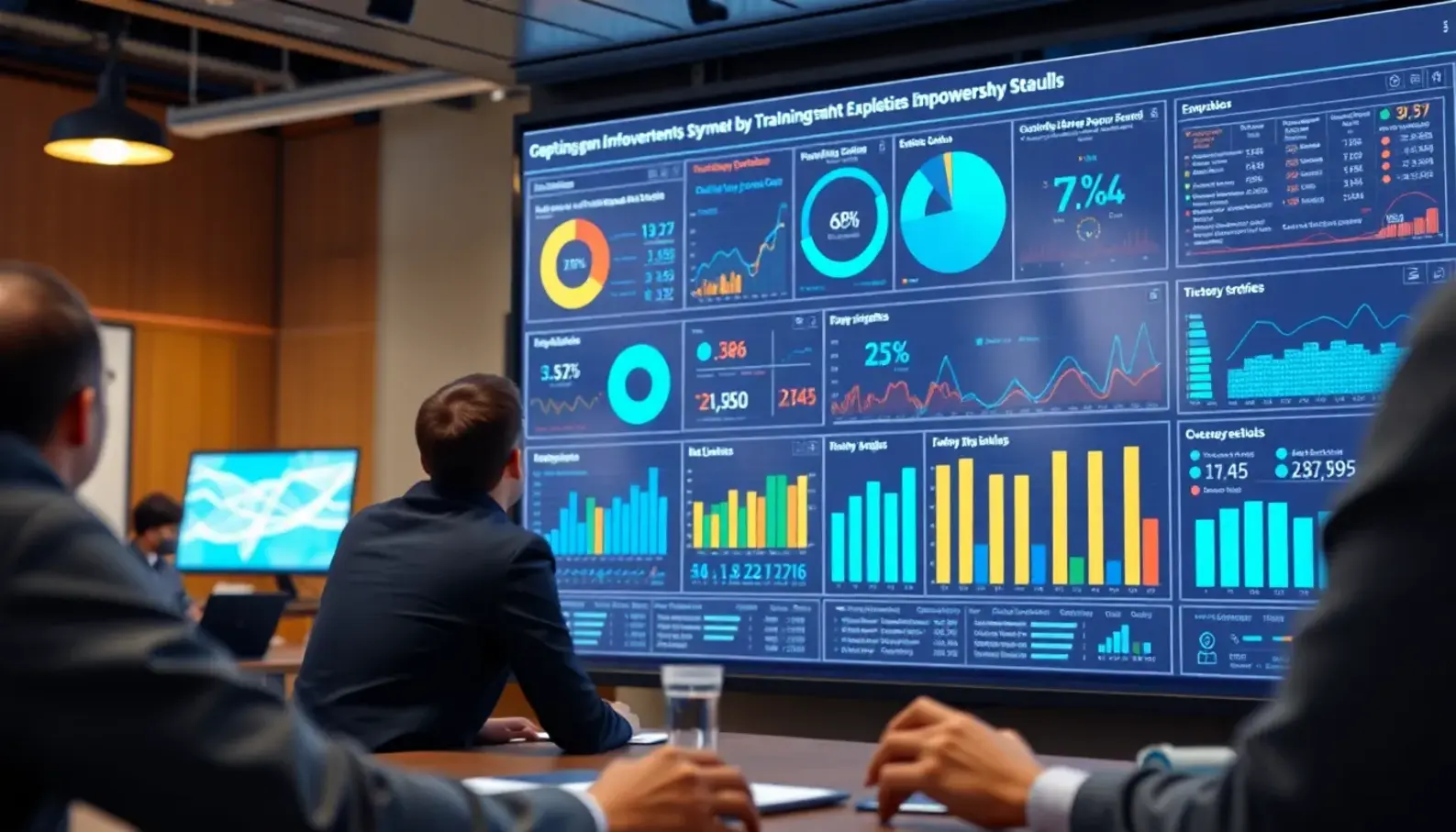
AI-driven analytics are revolutionizing the cybersecurity landscape by enabling organizations to constantly evaluate and enhance their security measures. The power of artificial intelligence lies in its ability to process large volumes of data through machine learning algorithms, uncovering insights that are critical for developing proactive cybersecurity strategies. This continuous cycle of improvement ensures that organizations can defend against evolving threats and vulnerabilities effectively.
To embark on a journey of continuous quality improvement, organizations must first establish robust methodologies for measuring and assessing the effectiveness of their cybersecurity protocols. AI analytics offer a sophisticated approach to evaluate security infrastructures systematically, allowing companies to pinpoint weaknesses and target areas for enhancement. Machine learning models, grounded in historical data, assist in predicting potential security breaches and identifying patterns indicative of emerging threats. The utilization of anomaly detection algorithms further strengthens a system’s ability to identify unusual activity promptly, thereby mitigating risks before they escalate.
The adoption of AI-driven analytics allows cybersecurity teams to focus on key performance indicators (KPIs) that are vital for gauging the success of their security measures. These KPIs include detection and response times, false positive rates, and the percentage of successful threat mitigations. By monitoring these indicators, HR managers can ensure that their cybersecurity strategies are yielding positive outcomes. AI systems can also evaluate employee adherence to security protocols and the effectiveness of training programs designed to enhance cybersecurity awareness within the organization.
Consider the case of a global financial institution that employed AI analytics to transform its cybersecurity operations. By integrating artificial intelligence into their security infrastructure, the organization was able to reduce its average incident detection time from several hours to mere seconds. This dramatic improvement in response time not only minimized the potential damage from security threats but also enhanced customer trust and satisfaction. The firm’s AI systems further identified gaps in the existing training initiatives, leading to the development of more comprehensive programs that better equipped employees to handle security incidents effectively.
Another exemplary case can be found in a large healthcare provider that harnessed AI analytics to safeguard sensitive patient data. The deployment of AI tools enabled the monitoring of data flows in real-time, identifying unauthorized access attempts before they could compromise the system. This proactive approach led to a significant reduction in data breach incidents and increased compliance with regulatory requirements. Moreover, the AI’s ability to track patterns and predict potential threats resulted in tailored employee training sessions, offering more effective guidance on maintaining data security standards across the organization.
In conclusion, AI-driven analytics are instrumental in fostering continuous improvement in cybersecurity protocols. Their ability to process vast amounts of data, predict possible threats, and refine security measures is invaluable for organizations striving to preemptively address cybersecurity challenges. By leveraging AI analytics and tracking key performance indicators, HR managers can ensure their cybersecurity strategies remain robust, adaptive, and effective.
For further insights into AI strategy implementations in HR, visit AI in HR Strategies.
Cultivating a Cyber-Resilient Team

Fostering a cyber-resilient culture within an organization requires a harmonious blend of cutting-edge technology and human insight. As cybersecurity threats evolve in complexity and scope, organizations must prioritize empowering their employees with the tools and knowledge to both anticipate and respond to these challenges effectively.
Leveraging AI insights provides an unparalleled opportunity to achieve this empowerment. By analyzing vast datasets of threat patterns, breaches, and potential vulnerabilities, AI can offer actionable recommendations that can significantly enhance the security awareness of an organization’s workforce. These insights should be integrated into regular training programs to ensure employees remain vigilant and proactive.
HR managers play a pivotal role in this integration process. By understanding the AI-generated data, HR professionals can craft targeted training modules that address specific vulnerabilities identified within the company. This data-driven approach to training ensures that learning initiatives are not only timely but also of utmost relevance. Incorporating AI findings helps tailor these programs to focus on real-world scenarios, allowing employees to practice responses to potential threats in a controlled environment.
Moreover, AI analytics enables HR departments to track the progress and effectiveness of their training programs. By analyzing employee performance data, such as quiz results, simulations, and feedback, HR managers can continually refine training content, ensuring it remains relevant and effective. This continuous improvement cycle ensures that staff is well-prepared to face the ever-evolving cyber threat landscape.
Creating an inclusive security policy that reflects both AI insights and employee feedback is another vital strategy. As AI systems automate and enhance threat detection, they simultaneously generate vast amounts of data on user behavior and network activity. This feedback loop allows security teams to identify anomalous patterns quickly and adjust policies to mitigate identified risks effectively.
It’s essential to actively involve employees in this policy refinement process. Encouraging feedback and suggestions from staff not only provides fresh perspectives but also fosters a sense of ownership over cybersecurity practices. This involvement can be facilitated through regular workshops or discussion forums where employees are encouraged to share their experiences and insights.
Collaboration between AI technology and human expertise forms the bedrock of a robust cybersecurity framework. While AI offers precision and rapid analysis capabilities, human judgment must interpret and act upon these insights. The dynamic interplay between technology and human input ensures that security measures are both comprehensive and adaptable.
Furthermore, such collaboration supports a culture of continuous learning and adaptation within the organization. As employees engage with AI-driven insights, they develop critical thinking skills that enable them to foresee potential threats and react promptly. By cultivating these skills, organizations nurture a workforce that is not only aware but also agile, capable of adapting to the rapidly changing cybersecurity landscape.
To deepen your understanding of integrating AI into various sectors, consider exploring this article on AI in HR strategies. It provides insights into how AI can be leveraged to enhance strategic operations, much like in cybersecurity.
In conclusion, building a cyber-resilient team requires more than just implementing cutting-edge technology. It involves creating an empowered workforce informed by AI insights and woven into the fabric of an organization’s security framework through ongoing training, feedback, and adaptation. By aligning the power of AI with human intuition and expertise, organizations can create a formidable defense against the cyber threats of today and tomorrow.
Final words
The integration of artificial intelligence into cybersecurity practices is no longer a luxury but a necessity for organizations aiming to safeguard their digital assets. By understanding AI’s role, leveraging analytics for continuous improvement, and cultivating a cyber-resilient culture, HR managers can lead their organizations toward enhanced protection and preparedness against cyber threats. Embracing AI empowers both employees and employers to create a proactive security environment that can adapt to the ever-evolving landscape of cybersecurity challenges.
Visit Innoupdates to register for our upcoming workshops focused on leveraging AI for improved cybersecurity.
Learn more: innoupdates.com
About us
Our workshops provide hands-on training in AI applications to enhance your cybersecurity strategies, ensuring your organization remains resilient against evolving threats. Join us to learn how to effectively implement AI solutions and cultivate a proactive security environment.