The stark reality of cybersecurity threats demands that organizations remain vigilant and proactive. In recent years, artificial intelligence (AI) has emerged as a powerful ally in this ongoing battle. By automating threat detection, analyzing patterns, and fostering a culture of continuous improvement, AI not only strengthens cybersecurity measures but also enhances organizational resilience. For HR managers and consultants, understanding the intersection of AI and cybersecurity is crucial not just for safeguarding company assets but also for empowering employees with cutting-edge tools that optimize efficiency. As we delve further into this topic, let us explore how AI can revolutionize cybersecurity quality improvement strategies.
The AI Advantage in Cyber Defense
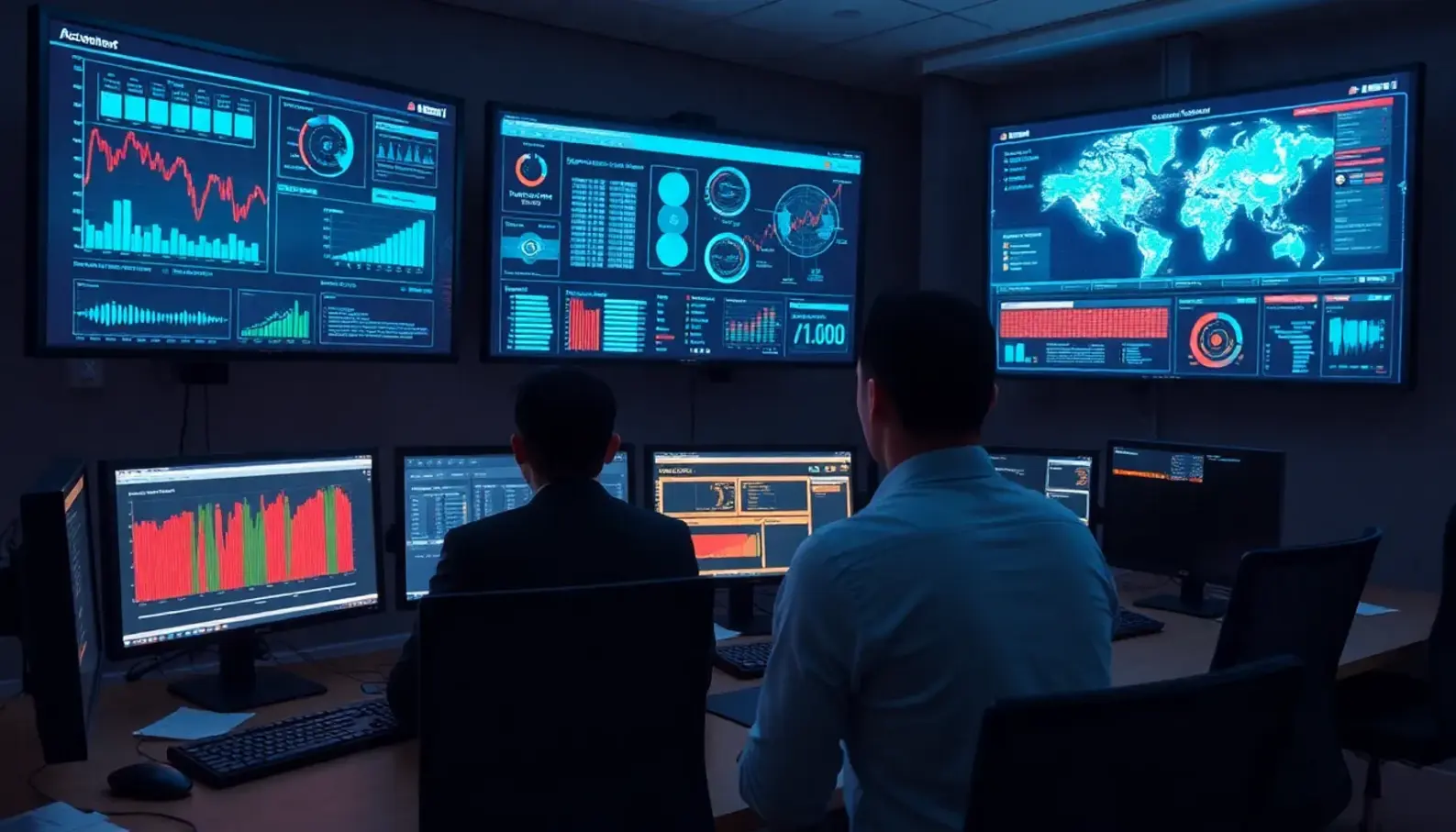
Artificial Intelligence (AI) is revolutionizing how organizations approach cybersecurity. By leveraging AI, companies can enhance their ability to detect threats, assess risks, and respond to incidents. AI tools play a critical role in analyzing vast amounts of data and identifying potential vulnerabilities in real time.
Threat Detection
One of the most significant benefits of AI in cybersecurity is its capability to detect threats effectively. Traditional systems often rely on predefined signatures to identify malicious activity. In contrast, AI utilizes machine learning algorithms to recognize patterns and anomalies that might indicate a breach. This allows security systems to evolve and adjust to new threats dynamically without requiring constant updates from human operators. AI-powered systems analyze user behavior patterns and network traffic to identify deviations that may signify a cyber attack.
For example, AI technology can distinguish between normal user behavior and potential threats by monitoring login times, IP addresses, and network locations. When deviations occur, the system can flag these activities for further investigation. Machine learning algorithms can learn from past incidents, continually improving their detection capabilities by adapting to new tactics used by cyber threats. This adaptability is essential in a world where attackers are continually seeking innovative ways to breach networks.
Risk Assessment
Assessing risk is an area where AI brings a substantial advantage. AI tools can analyze massive datasets beyond human capability, providing insights into potential vulnerabilities and the likelihood of exploitation. They can prioritize risks, offering organizations a roadmap on where to focus their defenses. This prioritization is crucial for resource allocation, ensuring that the most significant threats receive immediate attention.
AI systems use predictive analytics to estimate the probability and potential impact of threats. By evaluating current network configurations, software versions, and existing security measures, AI tools can suggest optimizations and improvements to bolster defenses. This kind of intelligent risk assessment enables informed decision-making, reducing the burden on cybersecurity teams and enhancing overall security postures.
Incident Response
AI’s role doesn’t stop at detection and assessment; it extends into incident response. When a potential breach is identified, AI can help automate initial response mechanisms, saving critical time. AI-driven systems can isolate affected segments of a network, neutralize threats, and initiate recovery processes without waiting for human intervention.
Moreover, AI can streamline the incident response by suggesting actions based on previous encounters with similar threats. This includes mitigation strategies and patch management, allowing teams to respond more effectively and efficiently. The integration of AI within security operations centers also allows for ongoing monitoring and the development of proactive inspection protocols to prevent future incidents.
Real-Time Data Analysis
Incorporating real-time data analysis, AI systems provide immediate insights that are crucial in identifying active threats. They process and analyze data continuously, ensuring that security personnel are aware of the latest threats as they occur. This immediate line of defense is indispensable in minimizing the damage caused by cyber attacks.
By leveraging comprehensive analytics, AI systems can broaden their perspective across multiple potential entry points. They create a 360-degree view of the cybersecurity landscape within an organization. This enhanced visibility is essential for preemptive measures and risk mitigation.
Predictive Capability
AI’s predictive abilities are transformative for cybersecurity. By analyzing trends from past data and current threat intelligence, AI can forecast potential future attack vectors. This prediction empowers organizations to prepare in advance, implementing defenses before an incident occurs.
Using AI to anticipate attacks involves evaluating patterns recognized in both successful and thwarted breaches. The system learns from every event, updating its algorithms for more accurate future predictions. This proactive approach is pivotal for organizations aiming to outpace threats and maintain robust security safeguards.
Ultimately, the integration of AI in cybersecurity offers HR managers and consultants invaluable insights into investing in cutting-edge tools. These technologies not only strengthen organizational defenses but also create a competitive advantage in a landscape where cyber threats are ever-evolving. For more comprehensive insights on how AI can be a transformative force across various domains, consider exploring AI in HR strategies, which delineates the broader impact of AI beyond cybersecurity.
Integrating AI into Employee Training

Employee training is a cornerstone in building a resilient cybersecurity framework. In this digital age, threats evolve rapidly, demanding that organizations stay ahead through continuous educational efforts. To effectively harness AI’s potential in this arena, companies must strategically integrate it into their training methodologies, providing tailored and dynamic learning experiences that meet the specific needs of their workforce.
The proactive approach to security awareness hinges on recognizing that human elements are often the weakest link in cybersecurity. Employees can unintentionally trigger security breaches through phishing attacks or weak password practices. Thus, empowering them with the knowledge to navigate these complexities is paramount. AI can greatly enhance these training initiatives by offering personalized learning paths that adapt to each individual’s pace and comprehension level.
AI technologies can tailor content delivery by analyzing user behavior and engagement data, ensuring that every interaction contributes to heightened understanding. By pinpointing weaknesses and gaps in knowledge, AI can suggest targeted modules that refine an individual’s grasp of crucial security concepts. For example, if an employee frequently falls for simulated phishing attempts during training modules, AI can automatically assign them specialized content aimed at combating email-based threats.
Moreover, one of AI’s most valuable contributions to employee training is its capacity for real-time feedback. As employees interact with training materials, AI tools can immediately assess their performance, offering instant insights and corrections. This not only enhances learning efficiency but also keeps learners engaged, fostering a culture of continuous improvement.
Continuous education is more than just familiarizing staff with policies; it involves staying updated on the latest cybersecurity trends and practices. AI-driven platforms can curate content from reputable sources, ensuring employees receive the most current information without the arduous task of sifting through vast amounts of data manually. Such systems enable employees to become not just followers of best practices, but active participants in shaping organizational security strategies.
For HR managers, integrating AI into cybersecurity training offers metrics that define training efficacy. By analyzing engagement levels and knowledge retention rates, HR can optimize training schedules and allocate resources more effectively, ensuring employees spend time on activities that yield the best results. Furthermore, AI-driven data insights can highlight where additional training is needed, enabling managers to make informed decisions about enhancing security measures.
Incorporating AI into training programs also fosters a deeper sense of responsibility among employees. When individuals understand their personal risk exposure and the organization’s security dynamics, they can act as vigilant gatekeepers, taking precautions that align with broader security policies. This empowerment stems from learning environments that encourage inquiry and leverage AI to address questions promptly.
The transformative potential of AI in employee training is underscored by its ability to stimulate a proactive security culture. When workers actively engage with personalized content, it steers them towards recognizing potential threats before they escalate. Companies can thus benefit from more vigilant staff and a reduction in security incidents.
AI’s role also extends to facilitating cross-departmental collaboration, breaking down silos that can sometimes isolate cybersecurity efforts from other organizational processes. By promoting a unified understanding of the importance of cybersecurity, AI ensures that even non-technical departments appreciate their role in maintaining safety protocols, enhancing organizational cohesion.
In essence, integrating AI into employee training not only bolsters security measures but transforms employees into proactive participants in their organization’s cybersecurity journey. For HR managers, this means leveraging advanced AI tools to create adaptive, responsive, and engaging learning environments, thereby elevating the organization’s cybersecurity posture. For further insights into how AI can be strategically integrated into HR practices, including training optimization, consider visiting AI in HR Strategies.
Building a Culture of Cyber Resilience with AI
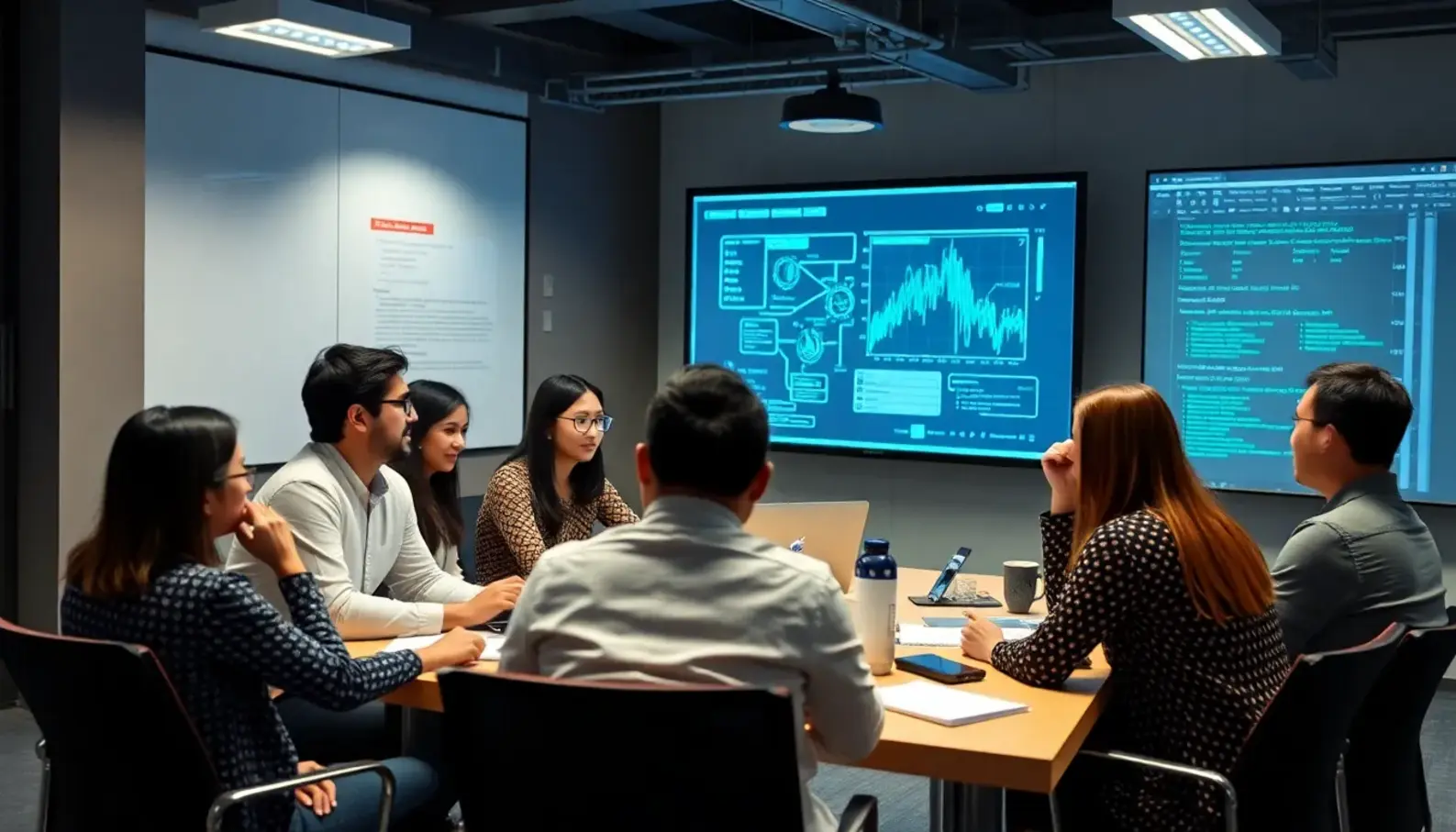
Creating a resilient organizational culture around cybersecurity encompasses more than technological advancements. It requires an organizational shift to continuously improve these practices. Integrating AI into cybersecurity processes empowers organizations to foster this resilience through monitoring, assessment, and enhancement.
AI can monitor performance metrics in real-time, identifying patterns and discrepancies that might indicate vulnerabilities. Key metrics such as intrusion sources, detection response times, and frequency of potential threats can be tracked more effectively. By leveraging AI’s ability to identify anomalies in vast datasets, organizations can proactively detect risks that may not be apparent through manual oversight alone.
Regular assessments are fundamental in maintaining cybersecurity integrity. AI can enhance the efficiency and accuracy of these assessments through automated tools that simulate cyber attacks, testing the robustness of existing protocols. A machine learning model can repeatedly analyze system responses, refining itself to understand and anticipate the evolution of cyber threats. This iterative learning ability ensures organizations remain a step ahead, adapting defenses to combat emerging risks.
The synergy between AI insights and human expertise leads to identifying areas of improvement within cybersecurity processes. AI tools can highlight sectors where human intervention is most valuable by analyzing workflow data to locate bottlenecks or inefficiencies. For example, AI might suggest resource allocation adjustments based on threat analysis, enabling a more strategic deployment of human talents.
HR managers play a pivotal role in fostering collaboration across departments by utilizing AI-driven insights. By interpreting these insights, HR can facilitate communication between departments like IT, legal, and operations. Such collaboration can focus efforts on established security protocols, ensuring every employee comprehends their role in maintaining cybersecurity.
Encouraging a cross-departmental approach leads to a unified defense strategy. AI can facilitate information-sharing platforms where departments can exchange insights about threats and defenses. Such platforms empower all team members to contribute to a holistic security understanding, strengthening the organizational culture of resilience.
Moreover, AI can support training programs by personalizing learning experiences based on an individual’s role and exposure to potential cyber risks. Adaptive learning algorithms can tailor training materials, ensuring employees are equipped with the knowledge pertinent to their responsibilities. This targeted approach not only enhances individual preparedness but also optimizes resource utilization.
Furthermore, a culture of resilience thrives on continuous feedback and adaptation. AI’s capacity to process feedback loops and update threat models in near real-time ensures the organization remains adaptable. As employees interact with these systems, AI can aggregate insights to refine existing protocols and innovate new security measures, sustaining a cycle of perpetual improvement.
To embed such an AI-centric culture, executive leadership must commit to prioritizing cybersecurity as a continuous goal rather than a one-time initiative. By integrating AI, organizations can transform cybersecurity from a static obligation to a dynamic culture of resilience, where risks are managed, not merely mitigated.
Human diversity, creativity, and strategic thinking complement AI’s analytical strengths, creating a robust defense. Leaders must champion this collaboration and recognize the potential of AI-driven strategies in cultivating a resilient, cyber-secure environment. By doing so, organizations position themselves not only to withstand cyber threats but to thrive amidst them.
For further insights into integrating AI with human resources strategies that enhance organizational operations, HR managers can explore relevant discussions here.
Final words
In a world where cyber threats are increasingly sophisticated, AI presents an invaluable resource for improving cybersecurity quality. By integrating AI into both defensive systems and employee training, organizations can cultivate a proactive culture of resilience. As HR managers and consultants, embracing AI means empowering staff and enhancing overall security measures, ultimately preserving both company assets and reputation in a risk-prone landscape. Let us harness the power of AI to establish sustainable, innovative cybersecurity strategies.
Register for Workshop
Learn more: https://innoupdates.com
About us
Our company offers comprehensive workshops designed to equip HR managers and consultants with the knowledge and tools necessary for integrating AI-driven cybersecurity strategies. From understanding the latest AI technologies to practical applications within organizational practices, our sessions are tailored to provide actionable insights and foster collaborative environments. Join us to learn how to enhance your organization’s security posture effectively.