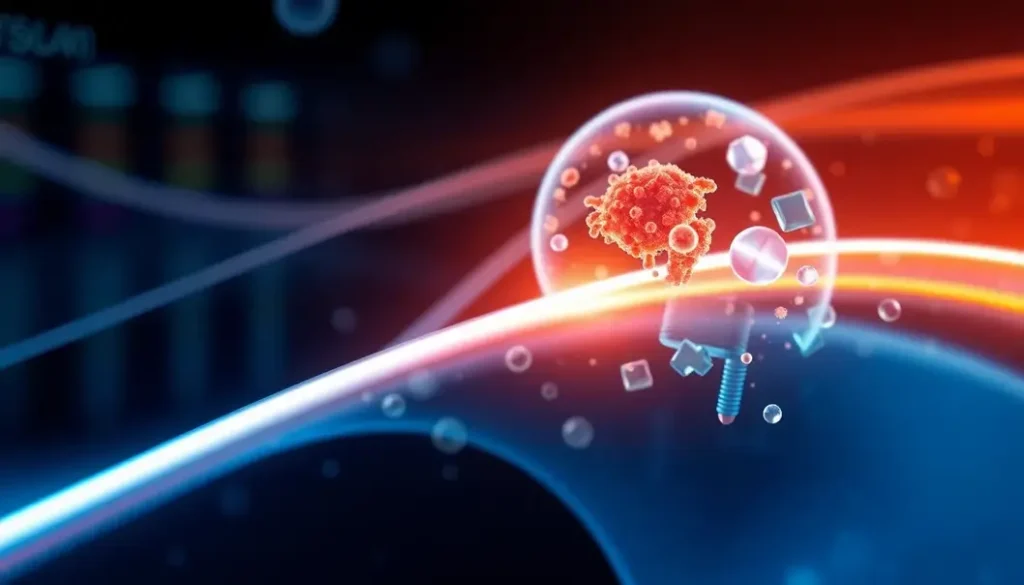
Self-healing materials represent a significant advancement in materials science, providing innovative solutions to enhance product longevity and performance. These materials autonomously repair damage, reducing maintenance costs and downtime for manufacturers. As industries increasingly adopt these technologies, understanding their functionalities, applications, and impacts is crucial for engineers in enhancing designs and processes. This guide explores the mechanics, current real-world applications, and challenges manufacturers face when integrating self-healing materials into their systems.
Mechanics Behind Self-Healing Materials
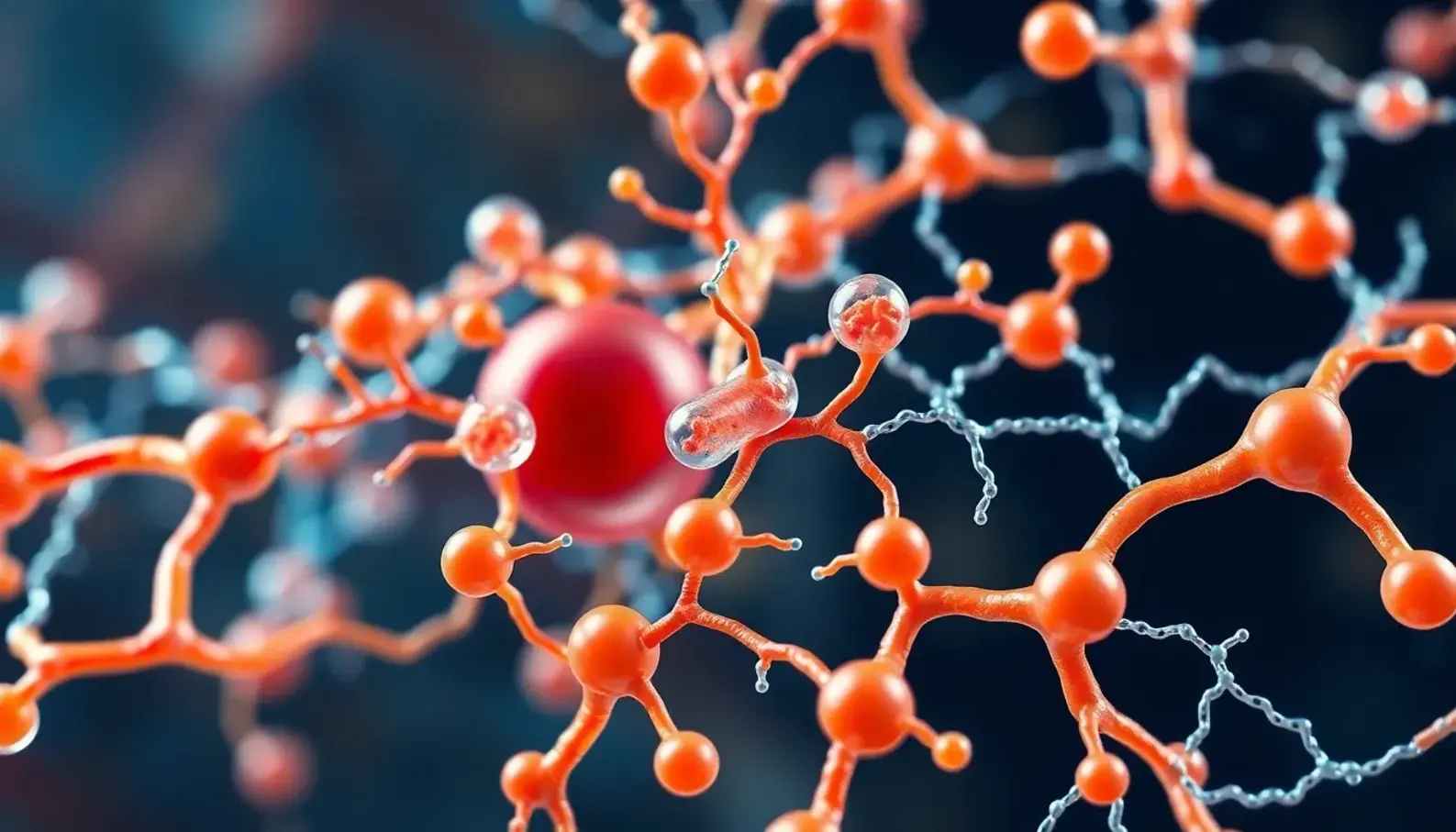
The concept of self-healing materials is reshaping how we think about maintenance and repair. At the heart of these materials are sophisticated mechanisms that allow them to recognize damage and initiate repair autonomously. This chapter delves into the core mechanics of self-healing materials, examining various systems from polymer-based to bio-inspired strategies.
The fundamental principle of self-healing materials is their ability to respond to damage without human intervention. This capability often leverages one of several sophisticated approaches: microcapsules, vascular networks, and bio-inspired designs. Understanding each of these provides insight into how different materials achieve self-repair.
Microcapsule Systems
Microcapsule systems are a popular choice for many self-healing materials. These consist of tiny capsules embedded in the material, filled with healing agents. When damage occurs, it ruptures these capsules, releasing their contents, which then react to repair the damaged area. The encapsulation technology is often engineered to contain a curing agent or a catalyst.
One crucial factor in microcapsule systems is the choice of healing agent. It must have the right viscosity and reactivity to spread quickly and adhere strongly at the site of damage. This requires a balance between fluidity and surface tension to ensure optimal coverage without leakage.
Polymer-based materials often use microcapsules filled with monomers and catalysts that interact upon rupture. This interaction initiates a polymerization process, akin to natural wound healing in biological organisms. Unlike traditional polymers, which may require external application of repair agents, microcapsules can seamlessly integrate healing agents, ready to react to structural gaps or tears.
Vascular Networks
Drawing inspiration from the human circulatory system, vascular networks in self-healing materials mimic the structure and function of blood vessels. These networks permeate the material with a network of hollow channels containing a liquid healing agent. Upon damage, these channels are breached, and the healing agent flows into the void.
The design of vascular networks is crucial. It often involves 3D printing technologies to create intricate channel patterns that maximize coverage and healing efficiency. These systems can be particularly effective in materials prone to large-scale fracturing, where microcapsules might not provide sufficient healing agent volume quickly.
Incorporating vascular networks requires careful material selection. The matrix surrounding these networks must be compatible with the healing agents. Considerations include the matrix’s permeability, thermal stability, and physical resilience.
Bio-Inspired Strategies
Nature offers a diverse array of self-healing strategies. Bio-inspired materials take cues from living organisms to gain robust self-repair capabilities. A common example is mimicking the self-healing mechanisms of the skin or bone.
Materials inspired by skin integrate layers that can close up when damaged. These materials use flexible substrates that temporarily part at sites of stress, but return to their initial form once the stress is alleviated. This behavior mimics the stretching and contracting of skin tissue, providing resilience and ductility.
Bone-inspired approaches often involve materials that can reinforce themselves over time. These utilize mineral components that precipitate from a liquid phase, similar to the way bones deposit calcium salts to heal fractures. This method involves a balance between rigidity and plasticity, allowing healed material to regain structural integrity over time.
Advanced Techniques and Innovations
Beyond the basic systems, emerging technologies are pushing the boundaries of self-healing materials. For instance, implementing ambient intelligence into materials can enable real-time monitoring and responsive self-healing processes.
Researchers are exploring stimuli-responsive polymers that react to external cues like temperature change, pH variation, or magnetic fields. These stimuli activate the repair mechanism, offering fine-tuned control over when and how healing occurs.
3D printing is also pivotal in developing self-healing materials. It enables precise fabrication of complex architectures, such as interlocking polymers or multilayered structures, that enhance durability and healing potential.
Understanding the mechanics of self-healing materials not only requires knowledge of composition and design but also a grasp of the challenges. These challenges include ensuring longevity of the repair ability, consistency of performance under diverse conditions, and cost-effectiveness.
Through innovations like these, self-healing materials stand to revolutionize industries reliant on durable and reliable materials, offering a future where maintenance is less about repair and more about self-sufficiency.
Applications and Challenges in Industry
As the demand for more durable and sustainable materials intensifies across industries, self-healing materials have emerged as a promising solution. Their ability to repair themselves after damage extends the lifespan of products, reducing waste and lowering maintenance costs. This chapter delves into their applications in sectors such as aerospace, automotive, consumer electronics, and construction, while also addressing the challenges manufacturers face in integrating these advanced materials.
In the aerospace industry, self-healing materials are a game-changer. Aircrafts, subjected to extreme conditions, require materials that can withstand stress and dynamic loads. Self-healing polymers and composites, which can repair micro-cracks autonomously, enhance durability and reliability. This not only increases safety but also reduces the frequency of inspections and maintenance. Similarly, in the automotive sector, self-healing coatings protect vehicles from scratches and minor dents, maintaining aesthetic appeal without the need for costly repairs.
The consumer electronics industry benefits significantly from these materials. Imagine a smartphone with a screen that can heal from scratches, or a wearable device that repairs itself when damaged. These innovations reduce the likelihood of product failure and enhance user satisfaction. Additionally, the construction industry utilizes self-healing concrete, which can fill cracks automatically, increasing the longevity of structures and decreasing repair expenses.
Despite these benefits, challenges remain. One major obstacle is scalability. Manufacturing self-healing materials on a large scale requires significant investment in research and development. The technologies underpinning self-healing mechanisms, such as microencapsulation and dynamic bonding, need to be optimized for mass production.
Cost is another significant challenge. The initial investment for integrating self-healing materials can be high, which can deter manufacturers. Cost-effective production methods must be developed to make these materials accessible to a broader market. Furthermore, there’s a need for standardization and regulatory frameworks. Industries need to align on standards to ensure the materials’ quality and performance. This requires collaboration across sectors, guided by consortiums and industry bodies.
The journey of adopting self-healing materials is akin to other innovative technologies—though steeped in complexities, it offers immense potential. As the industry progresses, it is vital to address these challenges collaboratively. Through strategic partnerships and investments, self-healing materials can revolutionize how we perceive durability and maintenance.
For a deeper dive into how advanced technologies are reshaping industries, explore space-based internet as another frontier of innovation, potentially integrating with smart materials to redefine communication infrastructure.
Final words
Self-healing materials are revolutionizing manufacturing by offering innovative solutions that enhance longevity and reliability across various applications. As these advanced technologies evolve and become more accessible, they hold the potential to redefine material performance standards, paving the way for more sustainable manufacturing processes.
Explore the possibilities of Smart Materials and elevate your engineering projects today!
Learn more: https://innoupdates.com
About us
Material Innovation specializes in cutting-edge materials that enhance product performance, durability, and sustainability. We offer solutions tailored to the unique needs of manufacturers across industries, with a focus on integrating self-healing capabilities to reduce maintenance costs and extend product life.