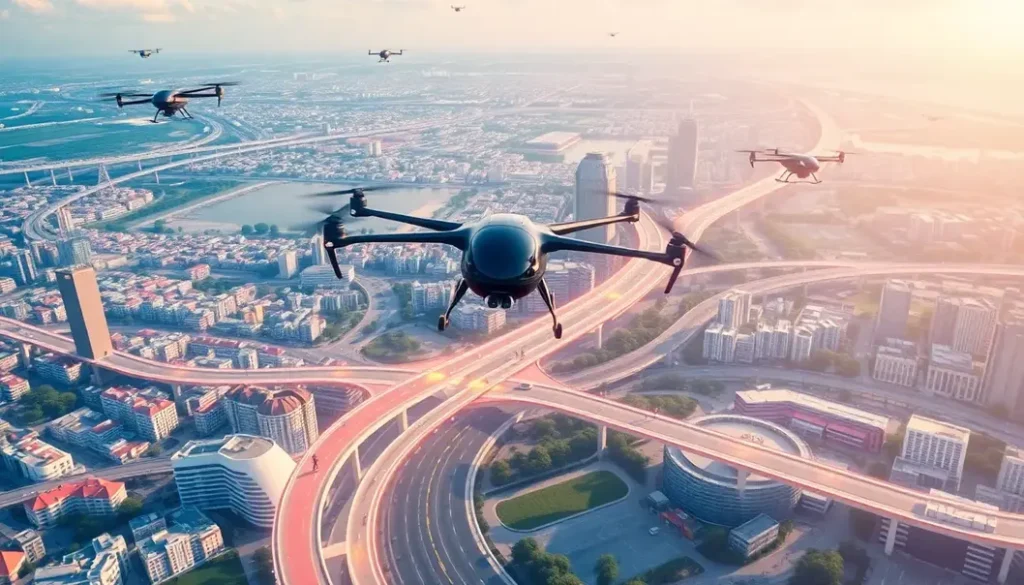
Urban Air Mobility (UAM) presents an innovative solution to the challenges cities face with traffic congestion and limited transportation options. With the increasing development of electric Vertical Takeoff and Landing (eVTOL) aircraft, this aerial transport method aims to enhance urban mobility. City planners are key players in adapting urban landscapes to accommodate UAM, ensuring safety, accessibility, and efficiency while fostering sustainable growth. This exploration delves into the vital role of UAM within urban planning and its potential to redefine transportation in densely populated areas.
Understanding Urban Air Mobility
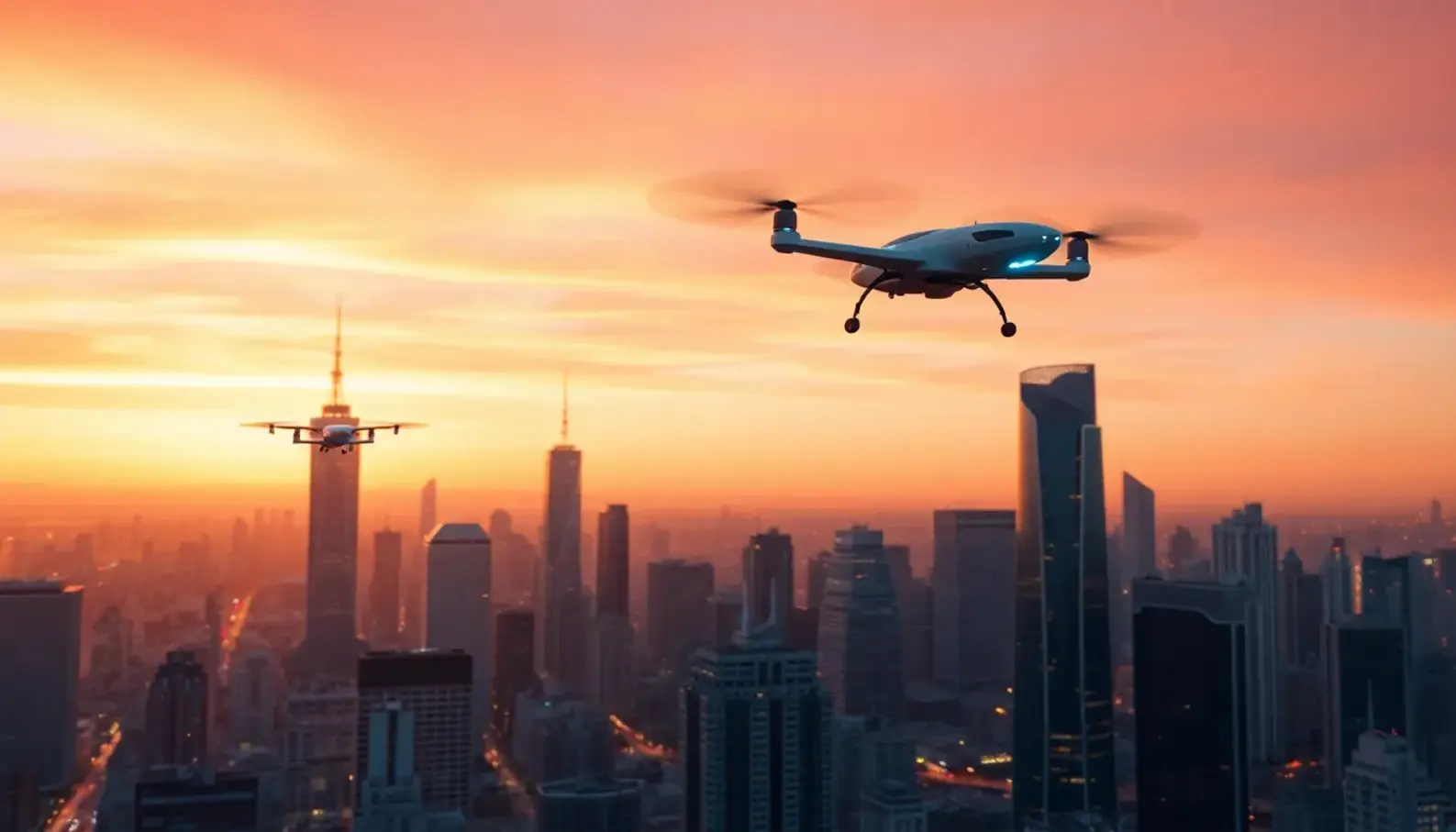
Urban Air Mobility (UAM) represents a transformative leap in the realm of transport and city planning. It refers to the use of aerial vehicles, specifically those capable of vertical takeoff and landing, to ferry passengers or goods across the urban landscape. By integrating aerial solutions into existing transport systems, cities can address several pressing issues, such as congestion and commuting times.
The significance of UAM lies in its potential to reshape how urban spaces are navigated and utilized. The central technology underpinning UAM is the electric Vertical Takeoff and Landing (eVTOL) aircraft. These vehicles, distinct from traditional helicopters, offer quieter operation and environmentally friendly propulsion systems. eVTOLs are powered by electric motors, reducing the carbon footprint and noise pollution associated with urban aviation. Their ability to take off and land vertically makes them ideal for densely populated areas with limited space.
Globally, major cities are exploring UAM solutions with varying degrees of advancement. One prominent example is the transport initiative in a European city embracing a multimodal transport system, including the integration of eVTOLs for both passenger commutes and cargo delivery. By establishing strategic collaboration between government entities and private-sector innovators, the city has moved towards practical implementation through a phased approach.
In North America, several pilot projects are likewise testing the feasibility of UAM in metropolitan settings. These initiatives involve developing dedicated skyport infrastructure and rigorous air traffic management systems adapted to low-altitude urban environments. Meanwhile, in Asia, densely populated regions are accelerating the push towards operational UAM systems to alleviate ground transportation strain.
Integrating UAM into existing transport networks presents both challenges and opportunities for urban planners. One significant challenge is developing the required infrastructure to support UAM operations. Skyports—a combination of landing pads, passenger facilities, and maintenance hubs—must be systematically incorporated into the urban fabric, often alongside existing transportation terminals. Another concern is ensuring airspace management systems can handle the increased volume of low-altitude flights, which necessitates advanced air traffic control technology.
Furthermore, there are regulatory hurdles; aviation regulations must adapt to accommodate these new types of aircraft. This involves developing safety standards and airworthiness certifications specifically tailored for eVTOLs. Urban planners must also consider the socio-economic impacts of UAM deployment, ensuring equitable access and preventing the exacerbation of existing socio-spatial inequalities.
Despite these challenges, the advantages offered by UAM are substantial. By alleviating surface travel congestion, UAM can significantly reduce commute times, thus enhancing productivity and quality of life. Additionally, the adoption of eVTOLs interfaces with broader urban sustainability goals, given their reliance on clean energy. In this context, UAM can bolster efforts to transition to greener cityscapes.
In examining these advancements, consider insights from related technologies with parallel trajectories. For example, innovations in autonomous drones for logistics are paving the way for similar breakthroughs in UAM technology and infrastructure. These innovations can serve as a blueprint, highlighting solutions like adaptive traffic management and efficient route optimization.
As cities progress towards integrating UAM solutions, they stand to redefine urban connectivity. The development of seamless intra-city aerial networks will demand strategic foresight, comprehensive stakeholder collaboration, and robust regulatory frameworks. Ultimately, the incorporation of UAM into cityscapes holds immense promise, paving the way for more efficient, sustainable, and interconnected urban futures.
Integrating UAM into Urban Infrastructure

Integrating Urban Air Mobility (UAM) into existing urban infrastructure requires a thoughtful approach that considers various aspects of city life. City planners must navigate complex zoning regulations, strategically place vertiports, manage noise concerns, and foster multi-stakeholder collaboration. Tackling these challenges can result in a UAM system that enhances urban mobility, boosts the economy, and creates jobs.
Effective integration of UAM begins with a reevaluation of zoning regulations. These regulations dictate where commercial activities can occur, and for UAM to succeed, new areas for vertiports, drone routes, and associated infrastructure must be designated. Updating zoning requires collaboration with local government agencies to ensure these changes align with broader urban development plans. For instance, cities can categorize certain areas specifically for urban air transport use, considering factors like population density, land use patterns, and current transportation infrastructure.
Vertiport placement is critical to the efficiency of UAM operations. Vertiports must be strategically located to maximize accessibility and utility without disrupting the city’s workflow. Ideal locations often include rooftops of large commercial buildings, underutilized public land near transport hubs, and existing transportation infrastructure that can be modified for UAM use. Planners can take inspiration from cities like Singapore and Los Angeles, which have successfully integrated vertiports into the urban fabric by leveraging existing structures and considering future airport links.
Noise management is another crucial consideration for UAM. Urban air vehicles operate at lower altitudes than traditional aircraft, potentially increasing noise pollution at ground level. To mitigate this, planners must incorporate noise reduction strategies, such as utilizing electric vertical take-off and landing (eVTOL) vehicles known for quieter operations. By enacting regulations that limit noise levels in urban areas and requiring compliance with those standards, cities can address potential public concerns about noise pollution.
Collaboration among stakeholders is paramount. Successful UAM systems require input from various parties, including government agencies, aviation authorities, and private companies developing UAM technology. Stakeholders must work together to establish guidelines and practices that ensure safety, efficiency, and public acceptance. Public-private partnerships can facilitate the sharing of knowledge and resources, driving innovation and reducing operational costs.
Innovative planning solutions often involve using digital platforms and simulation tools to model UAM systems before implementation. These solutions allow for testing various scenarios and making data-driven decisions about vertiport placement, flight paths, and scheduling. For instance, advanced simulation software can integrate real-time data on weather patterns, traffic conditions, and urban growth projections to optimize UAM planning.
Real-life examples demonstrate that UAM can thrive with the right strategies in place. Consider the city of Dubai, which has implemented pilot programs to introduce aerial taxis and integrate them into the broader public transit system. These initiatives have set a precedent for successful UAM integration by ensuring that infrastructural and regulatory frameworks can support future service expansions.
The economic impact of a well-integrated UAM system is significant. By reducing congestion, improving mobility, and creating a new sector of transportation, UAM can contribute to economic growth. Additionally, the development and operation of vertiports and supporting infrastructure create numerous job opportunities, from technical roles in vehicle maintenance to managerial positions overseeing UAM networks. Cities can stimulate their economies by tapping into these opportunities, potentially leading to an increase in jobs in both high-skill and support service sectors.
In conclusion, integrating UAM into urban infrastructure requires a multifaceted approach that addresses zoning, vertiport placement, noise management, and cross-sector collaboration. By examining successful models from other cities and utilizing innovative planning solutions, urban planners can navigate these complexities. Moreover, a cohesive UAM strategy not only enhances urban mobility but also stimulates economic growth and job creation, offering tangible benefits to cities ready to embrace the skies.
For further insights on how advanced technology is shaping transportation and logistics, you can explore this relevant piece on autonomous drones in logistics.
Final words
Urban Air Mobility offers a fresh approach to solving urban transportation challenges. By integrating aerial solutions into city planning, urban planners can enhance connectivity, reduce congestion, and improve the quality of life for residents. Embracing UAM as a component of urban infrastructure can lead to a more sustainable and efficient transportation future.
Fly with Us
Learn more: https://innoupdates.com
About us
Our offering includes state-of-the-art eVTOL vehicle services designed to enhance urban transport efficiency while prioritizing safety and sustainability. We provide comprehensive insights into the planning and operational aspects of urban air mobility, aiding cities in adopting and implementing advanced aerial transport solutions.