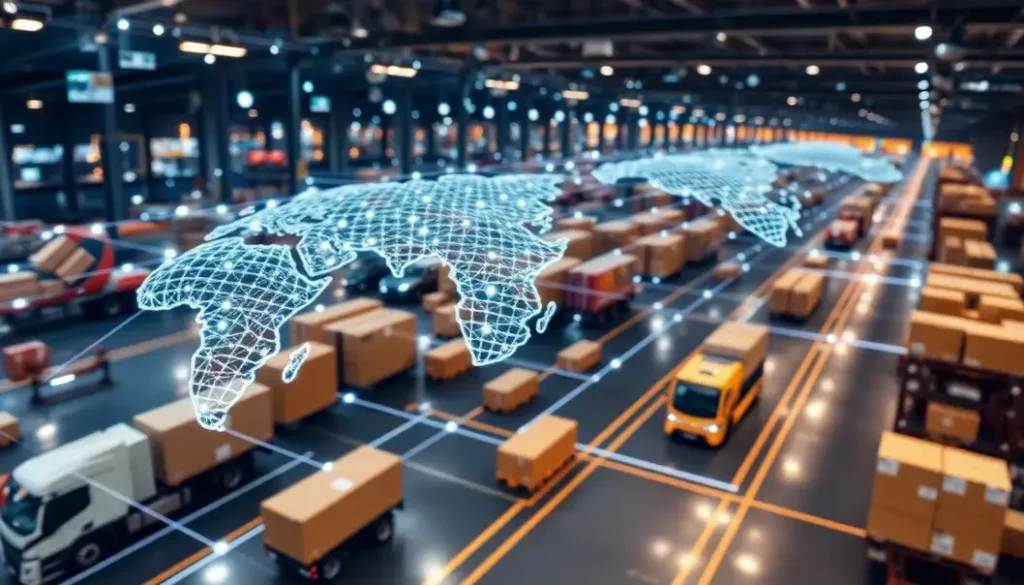
The landscape of logistics and retail is rapidly evolving, as technology integrates into every aspect of supply chain management. AI-driven supply chains redefine efficiency, reduce costs, and enhance customer satisfaction. From predictive analytics to automated warehousing, intelligent systems are reshaping how goods move from manufacturers to consumers. As industries seek to remain competitive, leveraging AI is not just an option but a necessity for optimizing operations and enhancing decision-making processes.
Understanding the AI Advantage in Supply Chains
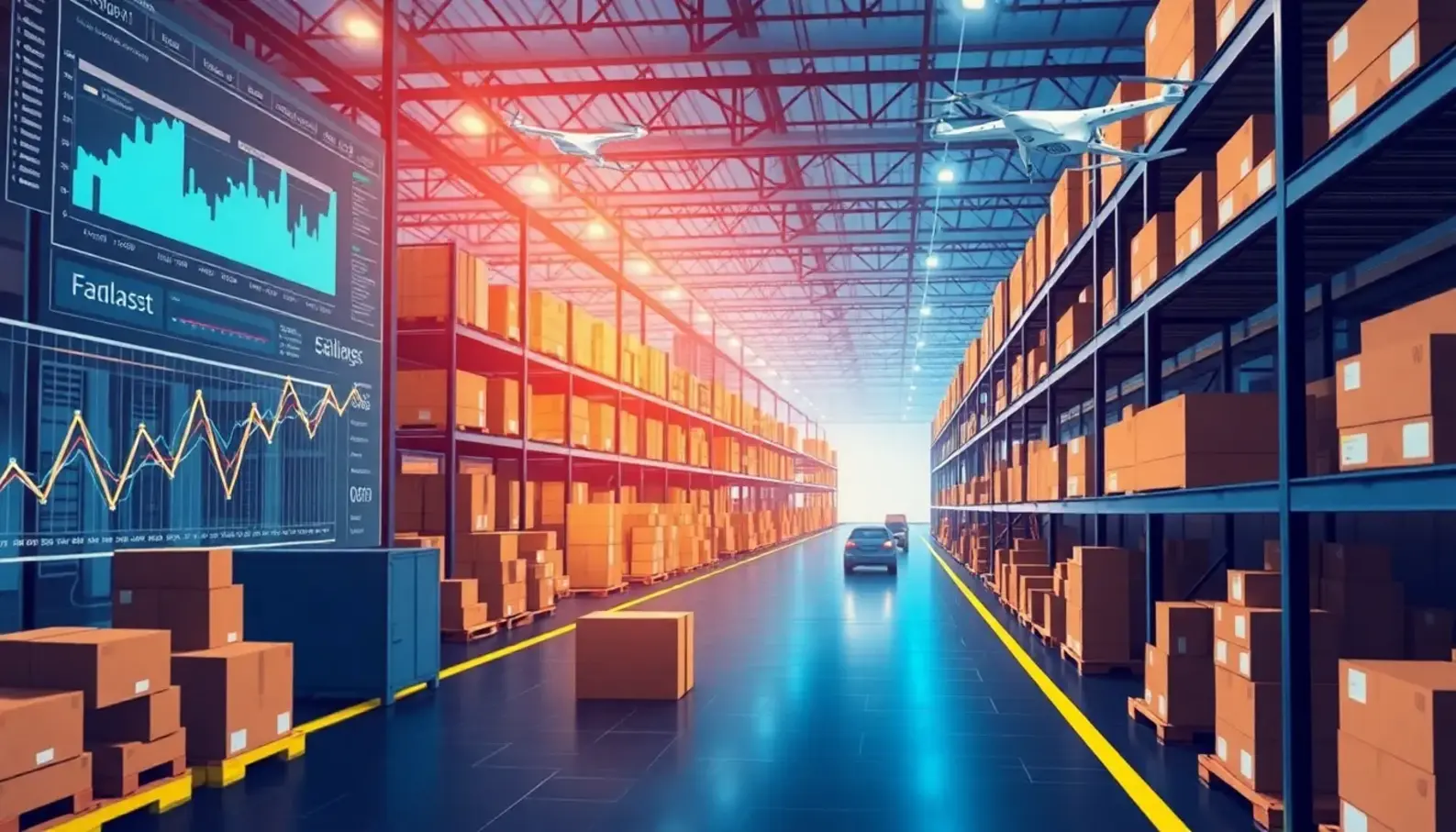
The transformative power of Artificial Intelligence (AI) in supply chains emerges not from singular improvements but through a synergistic integration of predictive analytics, machine learning, and process automation. These technologies collectively enhance operational efficiency and elevate customer service, reshaping the logistics and retail landscapes.
Predictive analytics is central to this transformation. By analyzing historical and real-time data, AI algorithms can determine patterns and trends, offering accurate demand forecasts. This capability allows companies to optimize stock levels, reducing the costs associated with overstocking and the missed opportunities inherent in stockouts. A leading logistics provider showcases this by utilizing AI-driven predictive analytics to anticipate and respond to demand fluctuations. This ensures they maintain optimal inventory levels while minimizing waste.
Machine learning, a subset of AI, further enhances these capabilities. In inventory management, for example, AI systems continuously learn from new data inputs, refining their forecasting models. This adaptability ensures businesses remain agile amidst market changes. Real-world applications illustrate how retailers leverage machine learning to analyze point-of-sale data alongside external factors such as weather patterns and local events, dramatically improving their demand forecasting accuracy.
Moreover, route optimization benefits significantly from AI. Logistics companies use AI to analyze variables like traffic patterns, weather conditions, and delivery windows. AI-powered systems calculate the most efficient delivery routes, reducing fuel consumption and improving delivery times. One logistics giant implemented an AI-driven routing system that cut its delivery times by 30%, showcasing the profound impact AI has on operational efficiency.
Consider the case of a prominent global retailer who integrated AI into their supply chain to tackle contemporary challenges. By deploying machine learning algorithms to process vast amounts of sales and customer data, they accurately predicted sales trends, allowing them to preempt and mitigate disruptions. This foresight means they are not only addressing current challenges but are also better prepared for future disruptions. A crucial element of AI’s value is its capacity to evolve alongside industry changes, ensuring businesses remain resilient.
Process automation, another facet of AI, streamlines operations by reducing human error and accelerating task completion. In warehouses, robots powered by AI handle repetitive tasks such as sorting and picking items. This automation increases accuracy and frees human workers to focus on more complex tasks, enhancing overall productivity. A warehouse implementation of AI-driven process automation reported a 50% reduction in manual errors, indicating substantial improvements in operational accuracy and speed.
Despite AI’s transformative impact, it is essential to acknowledge the need for ethical considerations. As businesses adopt AI technologies, they must also consider the implications on privacy and data security. Companies must ensure transparency and fairness in AI applications, fostering trust among their stakeholders. For further insights, explore the ethical considerations of AI in various fields at AI Ethics in Business.
In summary, AI provides significant advantages in supply chains, from improving demand forecasting and inventory management to optimizing delivery routes and automating processes. By leveraging these capabilities, businesses can better adapt to dynamic market environments while enhancing customer satisfaction. As AI continues to evolve, its potential to address not only current challenges but also future uncertainties becomes increasingly essential, marking a new era of efficiency and innovation in logistics and retail.
Future Trends: Where AI is Leading Supply Chains
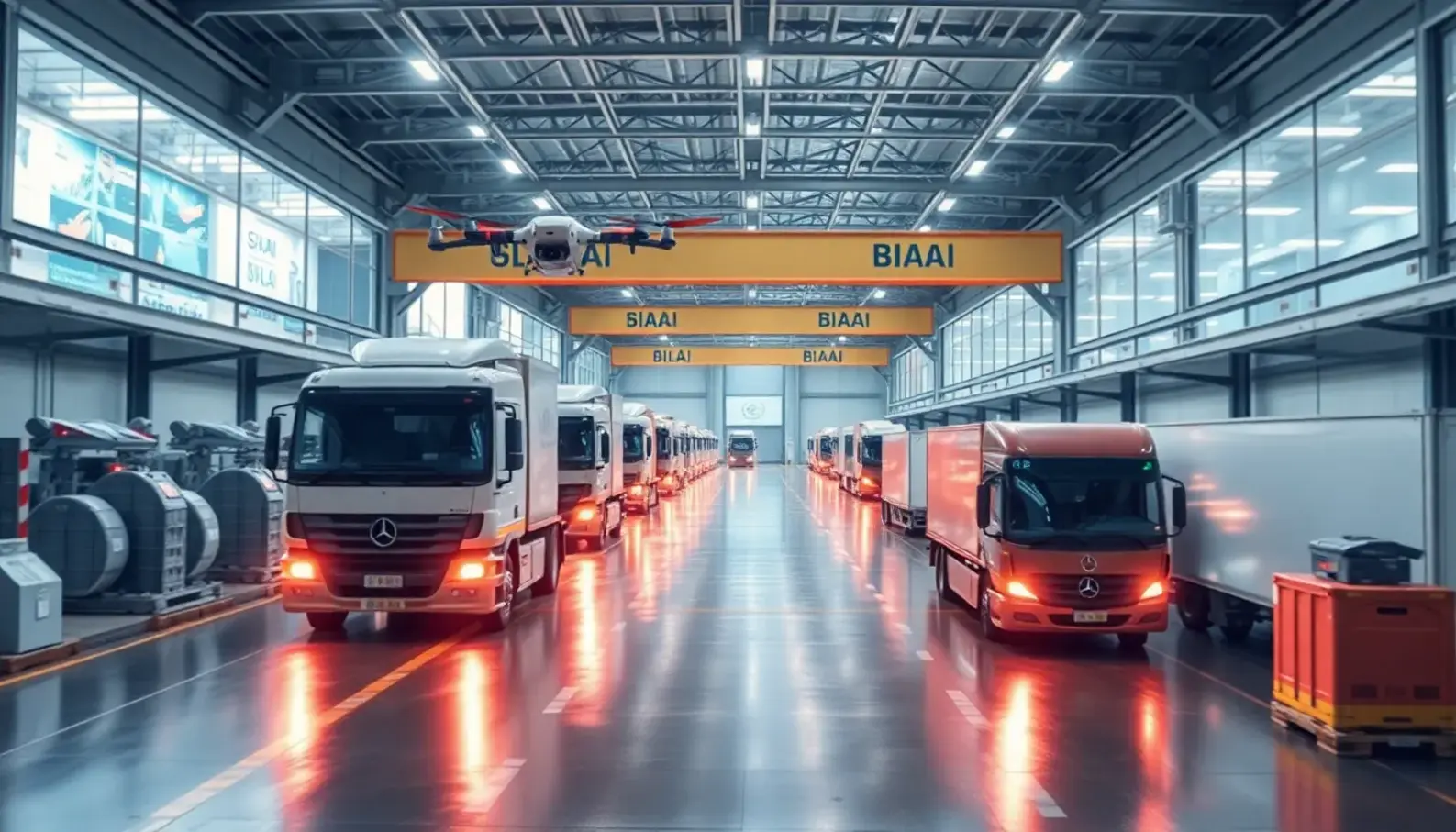
Artificial Intelligence is at the forefront of transforming supply chains, driving unprecedented efficiency and innovation. Among the major trends shaping the industry’s future, blockchain integration, autonomous vehicles, and advanced data analytics stand out as pivotal innovations poised to revolutionize how logistics and retail operate.
Blockchain technology is gaining traction as a means to ensure data integrity and supply chain transparency. By creating an immutable record of transactions, blockchain enhances trust among participants, reduces fraud, and enables more efficient and accurate tracking of goods. This transparency not only improves efficiency but also offers significant sustainability benefits. With better tracking, companies can optimize their logistics operations to reduce waste and improve resource allocation.
The rise of autonomous vehicles, including drones and self-driving trucks, presents an opportunity to further automate supply chain processes. These technologies promise to reduce reliance on human intervention, allowing for continuous, round-the-clock movement of goods. Autonomous vehicles can minimize delays, enhance delivery speed, and reduce operational costs. Furthermore, they contribute to sustainability efforts by optimizing fuel usage and reducing emissions. Companies that effectively leverage these assets will likely create more resilient and adaptive supply chains.
Advanced data analytics is becoming indispensable for real-time monitoring and decision-making. Through machine learning algorithms, supply chains can analyze vast amounts of data to anticipate demand fluctuations, identify bottlenecks, and optimize shipping routes. Predictive analytics supports proactive decision-making, mitigating risks and seizing market opportunities. Real-time data insights empower organizations to refine their strategies and respond promptly to changes, enhancing customer satisfaction and maintaining competitive advantage.
The implications of these technologies extend to the customer experience, which is increasingly prioritized in the modern market. Consumers expect speed, reliability, and transparency. AI-driven supply chains empower businesses to meet these expectations by ensuring accurate delivery estimates, robust tracking systems, and adaptive supply strategies that align with customer demand patterns.
To remain competitive, logistics and retail organizations must embrace these AI innovations strategically. A well-planned approach involves investing in research and development to understand and implement these technologies effectively. Collaborations and partnerships can be instrumental in catalyzing innovation and overcoming integration hurdles. Companies must also invest in skilling their workforce to align with an AI-centric operational model.
Expert predictions suggest that companies which proactively adopt AI technologies will be better positioned to navigate industry shifts and market demands. Anecdotal insights indicate that successful organizations are not just implementing these technologies but are strategically aligning them with their business goals.
Innovation in AI is a continuous process. As quantum computing evolves, its integration with AI could unlock even more advanced solutions for supply chains, pushing the boundaries of what’s possible in logistics and retail. Staying abreast with the latest developments and maintaining flexibility in strategies will be crucial for companies to thrive.
For more detailed insights on AI and business innovation, the article on AI in Business Growth provides a comprehensive overview of current strategies that are reshaping industries across the board.
In conclusion, AI technologies are not just reshaping supply chains—they are redefining the fabric of logistics and retail. By understanding and harnessing these trends, companies can optimize their operations, enhance customer experiences, and ensure sustainability, securing their place in a competitive marketplace.
Final words
The integration of AI into supply chains is no longer a distant dream but a present reality that enhances logistical efficiency and retail operations. As organizations harness these advanced technologies, they not only streamline their processes but also prepare for the future. Embracing AI-driven solutions will position businesses to meet customer expectations and adapt to market changes effectively.
Streamline Your Supply Chain
Learn more: https://innoupdates.com
About us
Our specialized offering in Supply Chain Optimization utilizes cutting-edge AI techniques to streamline logistics processes, enhance inventory accuracy, and improve customer satisfaction. By leveraging data and analytics, we empower businesses to achieve operational excellence and remain competitive in today’s rapidly evolving market.