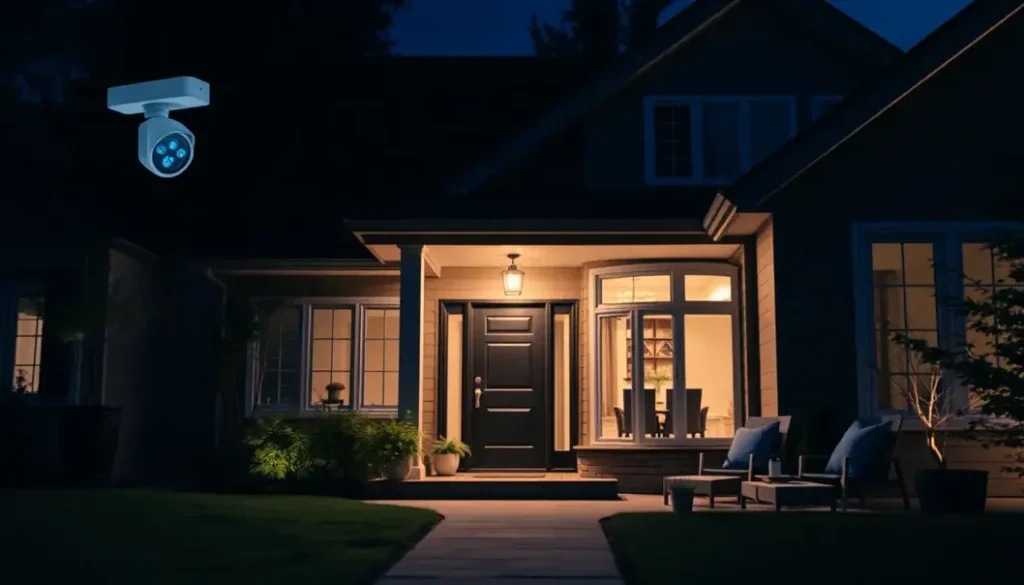
As homeowners seek peace of mind in an increasingly unpredictable world, smart home security systems have become essential. Utilizing advanced technology, these systems not only deter intrusions but also provide homeowners with unparalleled control and monitoring capabilities. With a range of features from surveillance cameras to smart locks, security firms can tailor solutions for various needs. This exploration into smart home security reveals the advantages, recommended technologies, and actionable steps for homeowners and security professionals alike, ensuring that safeguarding your home is both efficient and effective.
Understanding Smart Home Security Systems
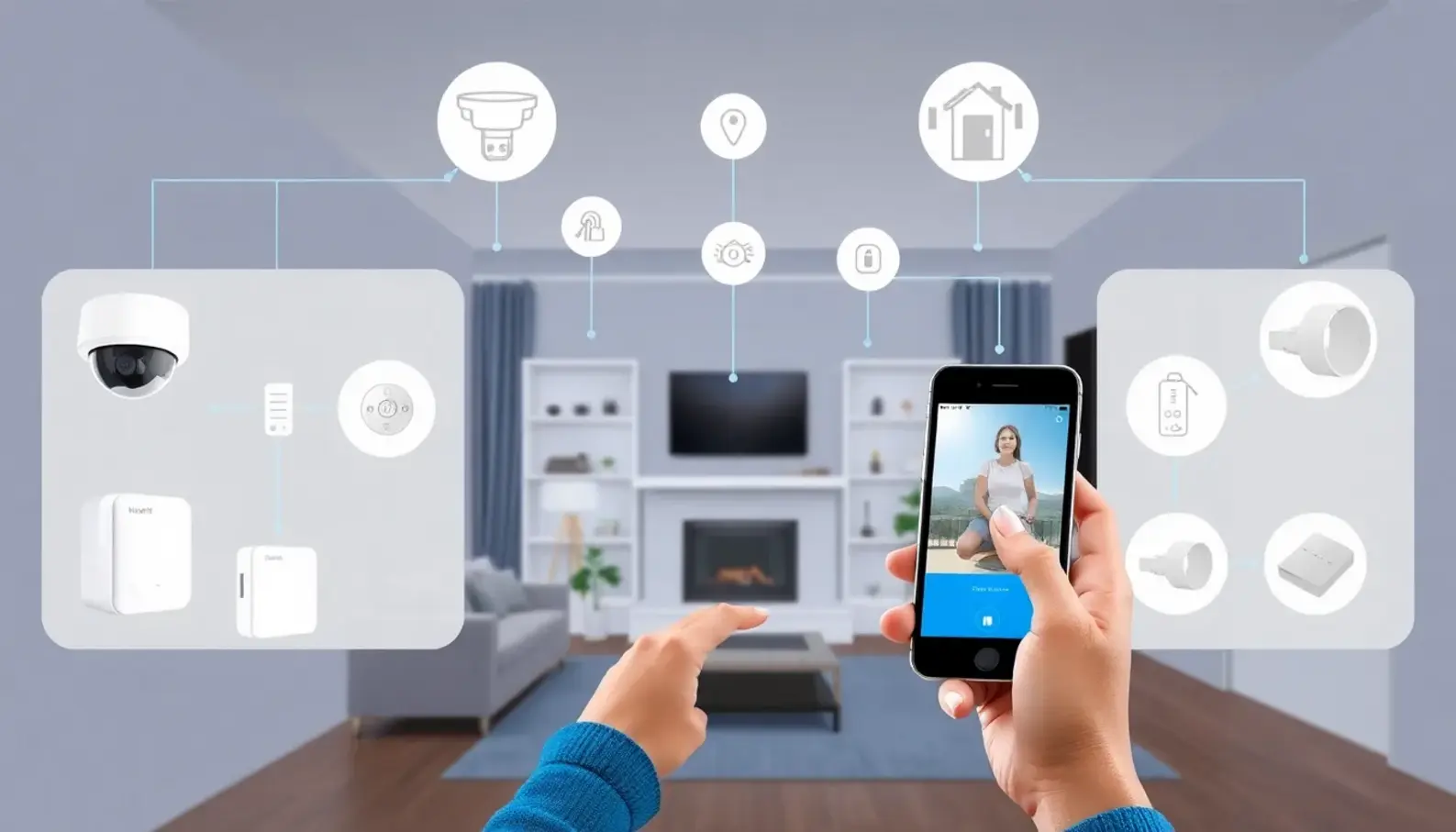
Smart home security systems have revolutionized how we protect our personal spaces. As the foundation of modern security technology, these systems have multiple interconnected components aimed at safeguarding homes from various threats. At the core of a smart home security system is its seamless integration with Internet of Things (IoT) technology, offering enhanced security features and user convenience.
Components of Smart Home Security Systems
A robust smart home security system consists of several key components working in tandem. The primary element is the central hub or controller, which serves as the brain of the entire system. It manages communication between different devices and allows users to control their home security setup remotely.
Another crucial component is the array of connected cameras and sensors. These include motion detectors, door and window sensors, and security cameras. Motion sensors can detect unusual movements in designated areas, while door and window sensors alert homeowners if someone attempts to enter their home. Security cameras, often equipped with night vision and motion activation, provide live video feeds and recording capabilities.
A comprehensive system might also incorporate smart locks, allowing users to lock or unlock doors via their smartphones remotely. Additional accessories can include smoke detectors and smart lighting that can deter potential intruders.
Benefits of Smart Home Security Systems
The advantages of smart home security systems are significant. Firstly, they provide real-time alerts and notifications, enabling homeowners to act swiftly if a security breach is detected. This immediate feedback can be a critical factor in preventing unauthorized access or mitigating damage after a breach.
Moreover, many systems offer remote monitoring capabilities. Homeowners can view live feeds from cameras, check the status of doors and windows, and receive video clips of triggered alerts directly on their mobile devices. This capability provides peace of mind, especially for those who frequently travel or have secondary residences.
These systems often integrate with smart home assistants, allowing voice control for added convenience. Through voice commands, users can arm or disarm their security systems, check security camera feeds, or control smart lighting. Integration with smart assistants can simplify the operation and enhance user experience.
An often-overlooked benefit is the potential for insurance premium reductions. Many insurance companies offer discounts to homeowners who install comprehensive security systems, recognizing the decreased risk of theft and damage.
How Smart Home Security Systems Work
Understanding the operation of smart home security systems requires a look at their integration with IoT technology. IoT enables these systems to connect and communicate with other devices and the user through a central hub or a cloud-based platform. This connectivity allows components within the system to share data and respond intelligently to various inputs.
For instance, when a motion sensor detects movement, it triggers an alert to the central hub, which may prompt the security cameras to record and send a notification to the homeowner’s mobile device. With IoT integration, users can monitor and control the system remotely from an app on their smartphone or tablet.
Security systems typically employ encrypted communication to protect data from being intercepted by unauthorized parties. Advanced systems also utilize machine learning algorithms to recognize patterns and reduce false alarms, improving the accuracy and reliability of alerts.
In addition to internal system components, many smart home security systems integrate with other IoT devices, such as thermostats, lighting, and appliances. This integration enables scenarios like automatically adjusting the thermostat when the system detects that everyone has left the house, enhancing energy efficiency along with security.
Maximizing Security with IoT
The incorporation of IoT technology not only streamlines operations but also enhances overall security. IoT enables systems to learn from user behaviors, adjusting settings dynamically to better suit specific needs. For instance, based on user presence data, systems can automatically arm themselves when the house is unoccupied or switch to “home” mode when residents arrive.
Moreover, these systems can integrate with external security measures such as community watch programs or neighborhood alert systems, further expanding their coverage beyond a single home. This community integration can create a network of smart environments, increasing the safety and resilience of entire neighborhoods.
IoT-based security systems can also take preventive measures. Some can detect unusual environmental factors, like a sudden drop in temperature that might indicate a broken window. In such cases, they can alert homeowners or take automated actions to secure the premise.
For further insights into how smart home assistants aid in managing smart security systems, explore this innovation article on smart assistants in homes, which provides a deeper dive into the benefits of assistant integration.
In conclusion, smart home security systems represent a significant step forward in home safety technology. By leveraging advanced components, IoT technology, and integration capabilities, these systems provide reliable and efficient protection. Understanding their components, benefits, and operations is crucial for those looking to maximize security and take full advantage of modern innovations.
Implementing Effective Smart Security Measures

Transitioning to a smart home security system requires strategic planning to ensure maximum protection and efficiency. Embracing modern technological advances means understanding the intricacies involved in selecting and installing smart solutions that align with your home’s unique needs. This chapter outlines actionable steps to take when implementing a smart home security strategy, along with best practices for choosing reliable security providers.
First, evaluate your home’s security needs. Conduct a thorough assessment of your property to identify vulnerable points, such as doors, windows, or secluded areas. Consider factors like neighborhood crime rates and personal security preferences. This evaluation will guide your decision-making as you select which smart devices to integrate.
Start with basics like smart locks and sensors. Smart locks provide keyless entry, allowing access through smartphones or biometric identification like fingerprints or facial recognition. Choose models offering encryption to prevent unauthorized access. Door and window sensors are pivotal; they alert you if they detect movement or tampering when you’re absent. Ensure they come with apps or systems that provide instant notifications.
Invest in security cameras and lighting. Cameras should cover main entry points and potentially vulnerable areas. Opt for models with high-definition video capture, night vision, and wide field angles. Some advanced cameras include motion detection and AI-based recognition to differentiate between people, pets, and objects. Complement cameras with smart lighting systems that deter intruders by automating lights to simulate occupancy, especially when integrated with motion sensors.
Utilize smart alarms and sirens for real-time alerts. Alarms in conjunction with cameras and sensors create a robust security ecosystem. Choose devices capable of connecting with other smart gadgets to optimize response. They should feature loud sirens to scare off intruders and alert you instantly.
Implement home automation hubs or assistants. These centralize control, enabling you to manage all devices from one interface. Choose one compatible with multiple smart devices and user-friendly apps. Voice control is an important feature, enabling quick responses in emergencies without needing to manually navigate apps.
Data security is paramount. Smart security solutions involve data transmission over networks. Ensure encryption protocols and two-factor authentication to protect against breaches. Regularly update device firmware to safeguard against vulnerabilities.
When choosing security providers, exercise diligence. Look for providers with strong reputations and credible reviews. Verify their compliance with data privacy standards and licensing requirements. Their customer support should be responsive and knowledgeable about the technology they offer. Consider requesting a trial period to evaluate the effectiveness of their services firsthand.
Price should not dictate choice; instead, prioritize quality and reliability. While budget concerns are valid, the cheapest options may compromise efficacy. Balance cost with features and support offerings to determine the best fit for your security needs.
Integrating biometrics can enhance security layers. Biometric solutions leverage unique human characteristics, such as fingerprints or retinal scans. These options can minimize unauthorized access risks and add convenience, as you don’t have to remember passcodes or carry keys.
Educate household members about the system. Effective operation requires understanding how to use your smart home technologies. Training ensures everyone can effectively respond to alerts and operate the system properly.
Finally, consider interoperability and future-proofing your system. Choose devices that can easily integrate new technology as it becomes available. Consider current solutions while maintaining flexibility to incorporate innovations in automation and AI integration in home security. Refer to this resource on smart assistants for more insights into expanding your home’s smart capabilities.
Implementing smart security measures is a dynamic process combining technology and strategic planning. With careful consideration and informed choices, it’s possible to build not just a smart home, but a secure one.
Final words
Smart home security systems represent a revolutionary step forward in protecting homes and families. By integrating technology with practical security measures, homeowners can create a more secure living environment. Choosing the right solutions and providers is essential, turning your home into a sanctuary of safety. Embrace smart home technology to ensure peace of mind.
Secure Your Home with Smart Technology
Learn more: innoupdates.com
About us
Smart Home Security Systems that provide comprehensive and customizable security solutions, integrating the latest technology to protect your home effectively.