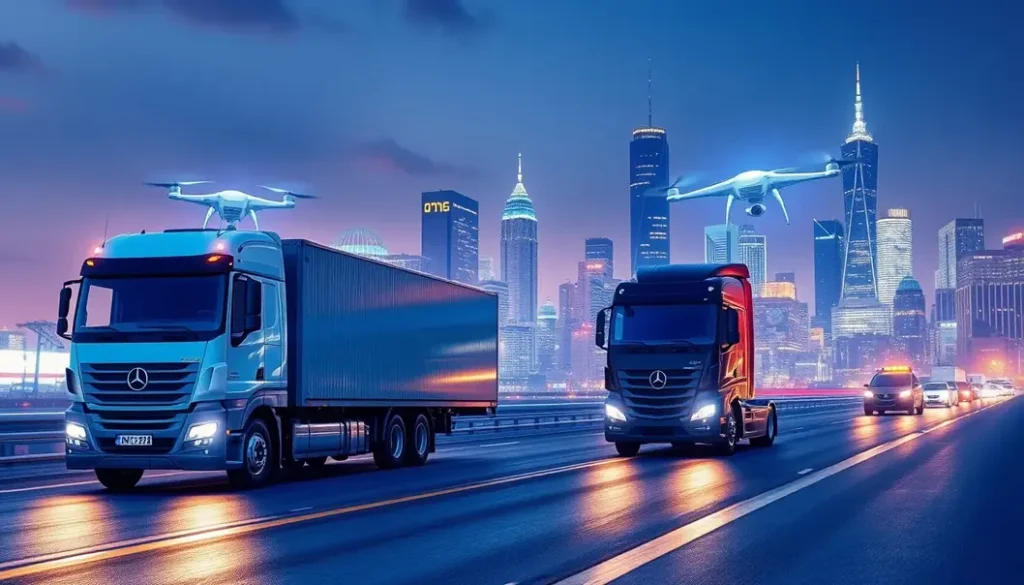
Adopting artificial intelligence in transportation has become a necessity rather than a luxury for logistics companies. AI systems facilitate data-driven decision-making, enhancing efficiency and reducing operational costs. As businesses navigate a complex web of supply chains, AI technologies are reshaping how goods are transported. From predictive analytics in route optimization to autonomous vehicles and real-time tracking systems, the integration of AI is paving the way for a more responsive and intelligent logistics sector. This exploration dives deep into AI’s immediate applications and its promising weight in shaping the future of transportation.
AI-Powered Logistics: Current Applications Revolutionizing Transportation

The transportation and logistics industry has seen a transformative shift through the integration of artificial intelligence (AI). Logistics companies harness AI-driven tools to maximize efficiency and streamline processes, effectively reshaping logistics operations as we know them. Key among these innovations are predictive analytics, automated routing systems, and real-time tracking solutions.
Predictive analytics forms the backbone of data-driven decision-making in logistics. This technology processes vast amounts of data from various sources, predicting trends and foreseeing challenges. By anticipating demand surges and logistical hiccups, predictive analytics empowers companies to plan proactively. For example, during peak seasons, these insights help a logistics firm adjust inventory levels and allocate resources more effectively, minimizing disruptions. Consequently, companies witness a notable reduction in operational costs and an enhancement in customer satisfaction due to the timely delivery of goods.
Automated routing systems are equally transformative. These systems use AI to determine the most efficient delivery routes, optimizing travel times and fuel usage. By considering variables like traffic conditions, weather, and roadblocks, automated routing ensures that deliveries are not only quicker but also more environmentally friendly. The reduction in fuel consumption directly translates to cost savings—a paramount benefit for any logistics company. Moreover, improved efficiency often results in a greener image for companies prioritizing sustainability.
Real-time tracking solutions have significantly elevated transparency in the logistics sector. These systems provide stakeholders with up-to-the-minute updates on shipment locations and conditions. Customers benefit from being able to track their packages in real time, which enhances trust and satisfaction. For logistics managers, real-time data means they can react swiftly to any unexpected delays, rerouting vehicles if necessary to meet delivery schedules.
The immediate benefits of implementing AI in logistics are substantial. Cost reduction stands out as one of the primary advantages. By optimizing routes and anticipating demand, companies spend less on fuel and minimize losses due to overstocking or underutilization of resources. Additionally, AI-driven efficiencies often lead to decreased delivery times, directly impacting customer satisfaction. Receiving shipments faster and with more reliability fosters customer loyalty and gives companies a competitive edge.
Numerous logistics companies have effectively integrated these AI technologies. For instance, a leading global courier service has employed predictive analytics to refine its supply chain forecasts. By leveraging historical data and external factors, the company significantly reduced inventory costs and improved its delivery speed. Another example is a regional transportation firm that implemented automated routing systems in its operations. This adoption resulted in a 15% reduction in fuel costs and a marked improvement in delivery punctuality.
The integration of AI in logistics isn’t without challenges. Companies may face technical hurdles during implementation and require skilled personnel to manage these new technologies. However, the benefits largely outweigh these initial setbacks. As AI becomes more advanced and accessible, logistics companies will continue to innovate, pushing the boundaries of operational efficiency even further.
For a deeper exploration into the potentials of autonomous technologies in logistics, consider visiting Autonomous Drones in Logistics. This resource delves into how drones may soon become a common facet of logistics operations, complementing AI tools already in use.
AI-powered logistics solutions are no longer just theoretical possibilities; they are concrete avenues for evolution in the transportation industry. As more companies successfully implement these technologies, the future of logistics appears more interconnected and efficient than ever.
The Road Ahead: Future Innovations in AI for Transportation
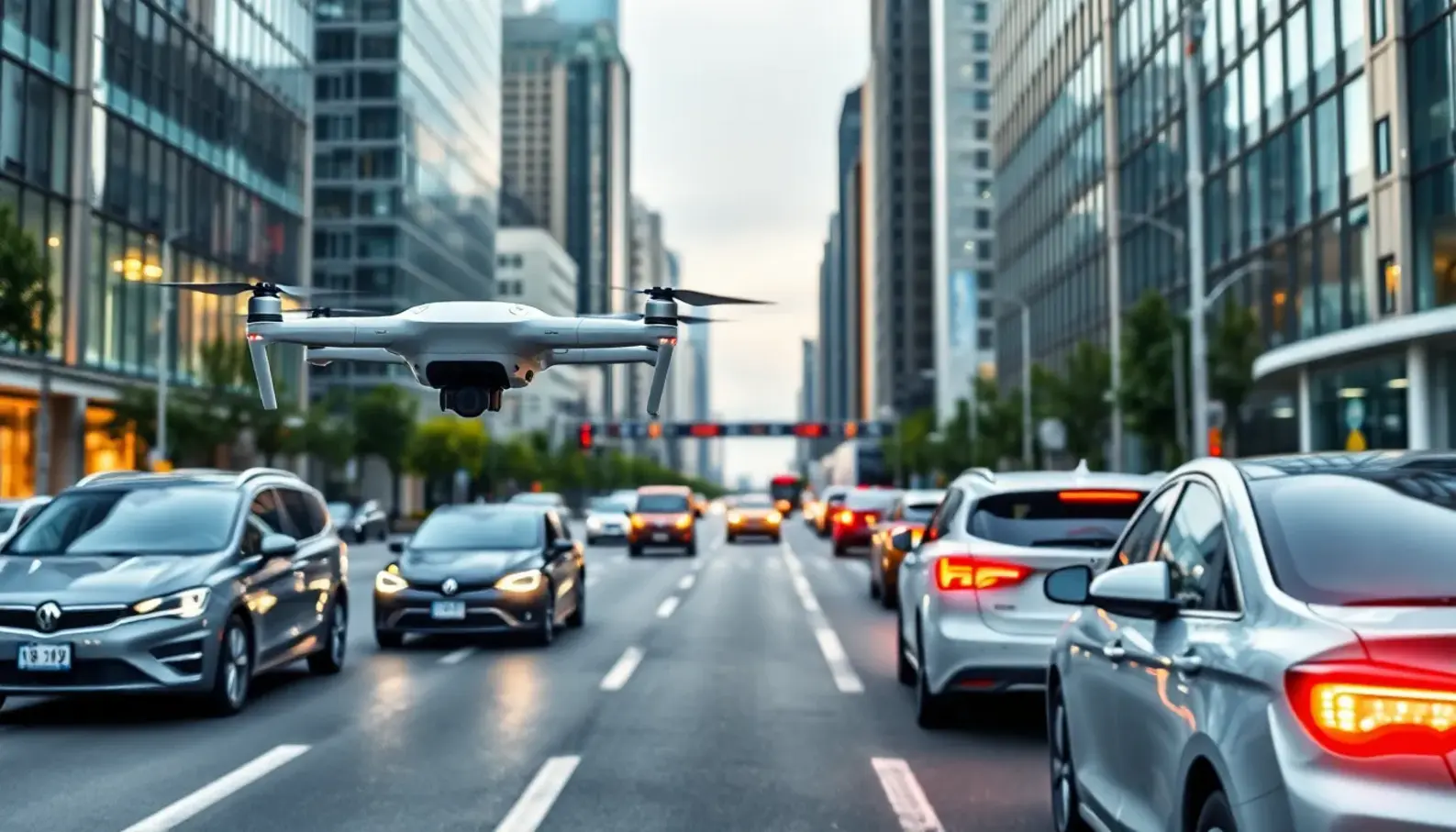
The transportation sector stands on the brink of a technological renaissance, with artificial intelligence as the linchpin driving the change. As we peer into the future, the integration of AI into logistics promises to revolutionize how goods move across the globe. By embracing these advancements, companies can ensure they remain competitive and sustainable in the coming decade.
Autonomous delivery vehicles are poised to become a cornerstone of modern logistics. These vehicles, capable of navigating streets without human intervention, offer several advantages. Firstly, they enhance safety by reducing human error, which is a leading cause of road accidents. Equipped with advanced sensors and real-time data analysis, these vehicles can adapt to changing conditions swiftly, ensuring timely deliveries.
Moreover, autonomous vehicles promise significant cost reductions by minimizing labor expenses and optimizing fuel efficiency. Smart routing algorithms can calculate the most efficient paths, taking into account traffic patterns and weather conditions. As these vehicles become more common, logistics companies can redirect their workforce towards more strategic roles, focusing on oversight and system improvements rather than mundane driving tasks.
Drones for last-mile delivery represent another exciting development. The challenge of efficiently covering the “last mile” has long been a logistical headache. Drones can bypass traditional road networks, delivering goods directly to customers in urban and remote areas alike. Their ability to traverse difficult terrains quickly makes them invaluable for emergency deliveries or in areas with poor infrastructure.
The rise of drone technology also enhances environmental sustainability. Electric-powered drones produce no emissions, reducing the carbon footprint associated with traditional delivery vehicles. However, their widespread adoption would require robust regulatory frameworks to ensure the safe integration into already crowded airspaces.
AI-enhanced supply chain management is set to transform the backbone of logistics operations. By harnessing vast amounts of data, AI systems can predict demand fluctuations, optimize inventory levels, and improve procurement processes. This level of insight enables more agile and responsive supply chains, reducing waste and improving customer satisfaction. An AI-driven supply chain could dynamically respond to unforeseen events, rerouting resources in real-time to minimize disruptions.
As these technologies develop, the transportation industry must prepare for significant changes in labor dynamics. While AI and automation promise efficiency, they also necessitate reskilling the workforce. Companies should invest in training programs, ensuring employees can transition into roles that complement automated systems. The emphasis should lie on data analysis, machine oversight, and strategic decision-making.
Beyond labor considerations, the adoption of AI in logistics presents an opportunity to champion environmental sustainability. Companies can achieve considerable reductions in emissions through AI-driven optimizations in routing, inventory management, and energy use. By adopting AI, businesses can align with growing regulatory demands for greener practices, bolstering their market position while contributing to global sustainability goals.
In addition to sustainability, responsiveness is set to improve markedly. With AI at the helm, logistics companies can deliver unparalleled levels of customer service. Predictive analytics and real-time tracking ensure customers remain informed throughout the delivery process. Moreover, AI systems can anticipate potential issues and offer preemptive solutions, enhancing reliability and trust.
To prepare for these changes, companies should start by integrating scalable AI solutions into their current operations. Pilot programs can demonstrate value while identifying any integration challenges early. Collaborations with tech firms can provide the necessary expertise and infrastructure to support large-scale AI deployments.
In conclusion, the future of AI in transportation brims with potential. Logistics companies must view AI not as a distant dream but as a present-day imperative, essential for long-term success. By preparing today, they can harness the full spectrum of possibilities AI offers, from autonomous vehicles and drones to advanced supply chain management, positioning themselves at the forefront of innovation. For further exploration into how emerging technologies intersect with traditional industries, see insights into autonomous drones in logistics.
Final words
The integration of AI in transportation is not merely an option but a vital component for logistics companies aiming for long-term success. By embracing both current applications and future innovations, companies can improve efficiency, reduce costs, and remain agile in an ever-evolving marketplace. As technology advances, staying ahead by adopting these solutions will be crucial for thriving in the competitive logistics landscape.
Get a Free Consultation on AI in Logistics
Learn more: innoupdates.com
About us
Transportation & Logistics AI Integration: Helping businesses streamline their operations through advanced AI systems, offering predictive analytics, real-time tracking, and automation solutions tailored to enhance logistics performance and drive growth.