
Supply chains today are more complex than ever, requiring enhanced transparency for efficiency and accountability. Artificial Intelligence (AI) plays a pivotal role in achieving this clarity, empowering managers to make informed decisions based on real-time data. By integrating AI technologies, companies can optimize their operations, reduce costs, and improve consumer trust. Understanding the mechanisms behind AI solutions and their application in the supply chain can drive significant improvements, creating a more sustainable and efficient ecosystem. Let’s explore how AI can reshape transparency in supply chains and enhance stakeholder engagement.
The Role of AI in Supply Chain Visibility
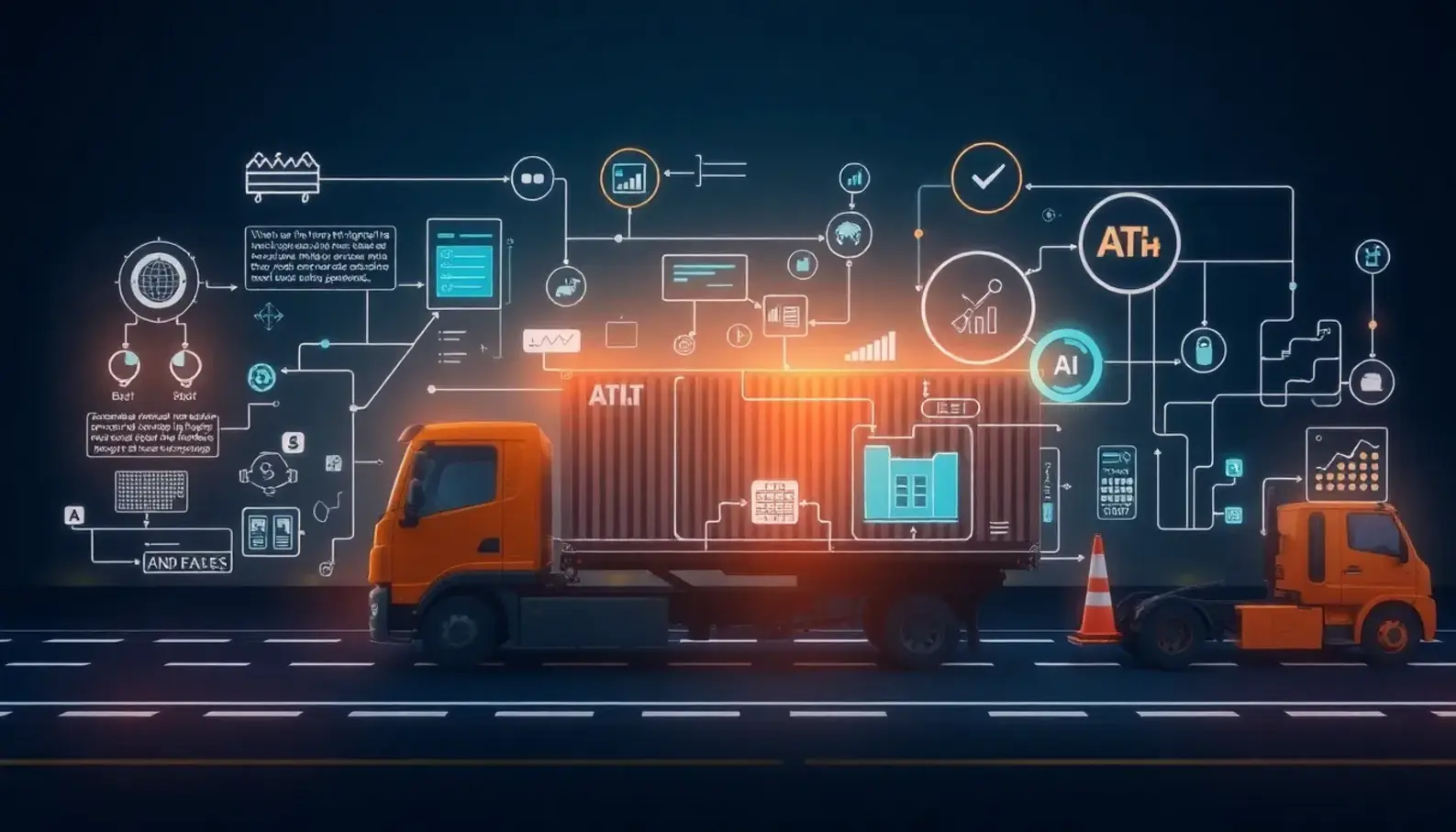
Artificial Intelligence (AI) is revolutionizing supply chain visibility by offering real-time insights and predictive analytics. With an array of AI tools available, supply chain managers can gain unprecedented clarity and control over their operations. These tools collect and analyze vast amounts of data, transforming it into actionable insights that enhance operational efficiency and decision-making.
AI-powered real-time tracking systems allow businesses to monitor the entire lifecycle of a product from manufacturing to final delivery. By embedding sensors and IoT devices in shipments, companies can collect real-time data on the location, condition, and status of goods. This ensures that stakeholders are always informed, enabling quicker responses to disruptions, optimizing logistics, and reducing wastage.
Predictive analytics is another game-changer in supply chain visibility. By analyzing historical data, AI can forecast future trends, demand surges, and potential supply chain disruptions. This foresight allows companies to proactively manage inventory levels, schedule maintenance for critical machinery, and optimize routes to avoid delays. The ability to predict issues before they arise not only improves efficiency but also enhances customer satisfaction by ensuring timely deliveries.
The benefits of integrating AI into supply chains are manifold for both managers and consumers. For managers, AI provides a comprehensive overview of the supply chain. This transparency enables more informed decision-making rooted in data-driven insights. With a clearer picture, managers can identify bottlenecks, optimize processes, and enhance overall productivity.
For consumers, AI-driven transparency translates to better service and trust. By understanding the journey of a product, customers can track its location, ascertain sustainability practices, and receive accurate delivery ETAs. This level of transparency builds trust and loyalty, fostering a deeper connection between companies and consumers.
Despite its many advantages, implementing AI in supply chains does not come without challenges. One of the primary hurdles is the integration of AI technologies into existing systems. Many companies operate with legacy systems that are not compatible with modern AI tools. This necessitates significant investment in technology upgrades, which can be costly and time-consuming.
Data privacy and security are additional concerns. The sheer amount of data collected through AI can be overwhelming. Ensuring this data is protected and complies with privacy regulations is crucial to maintain consumer trust and avoid legal repercussions.
Moreover, the skills gap in AI implementation cannot be ignored. Companies may struggle to find and retain professionals with the expertise required to operate and manage AI systems effectively. Investment in training and development of staff will be essential to fully leverage the advantages AI offers.
Lastly, there is the challenge of over-reliance on AI. While AI provides powerful tools for analysis and decision-making, it is vital to maintain a balance with human oversight. Human judgment remains crucial in interpreting AI-driven data and making strategic decisions.
Incorporating AI into supply chains can drive significant business growth by enhancing efficiency, improving customer satisfaction, and providing a competitive edge. For more on the intersection of AI and business, exploring additional resources like AI in Business Growth can provide further insights into harnessing AI’s full potential across various domains.
In conclusion, AI is pivotal in improving supply chain visibility, yet organizations must navigate challenges in implementation, data security, and workforce development. By strategically integrating AI, companies can unlock new opportunities for efficiency and transparency, setting a strong foundation for future innovation.
Building Consumer Trust through Data Transparency

In an era where information is at consumers’ fingertips, trust becomes a crucial currency for brands worldwide. Harnessing AI for transparency not only demystifies complex supply chains but also plays a pivotal role in nurturing consumer trust and brand loyalty. Leveraging AI, companies can offer unparalleled visibility into their supply chains, providing consumers with data-driven insights that influence their purchasing decisions and strengthen brand connections.
AI-Powered Transparency and Consumer Decision-Making
Data transparency is fundamental in empowering consumers to make informed choices. By utilizing AI, businesses can decode intricate supply chains, offering real-time data about the origins, processing, and journey of products. This visibility allows consumers to align their purchases with personal values, such as sustainability and ethical sourcing. AI algorithms can sift through enormous data sets, presenting this information in a digestible manner, thereby influencing consumer preferences and fostering loyalty.
AI enhances this decision-making process by ensuring data integrity and reliability. For instance, by employing blockchain technology alongside AI, companies can ensure immutable records that trace the journey of a product from raw material to store shelf. Such interventions reassure consumers about the authenticity of the information provided and cement trust in the brand.
Fostering Stronger Brand-Consumer Relationships
Transparency, powered by AI, helps build stronger relationships between brands and consumers. As brands open their data repositories, they invite consumers into their story, forging a connection based not just on the product but on the shared values and trust. This transparency often leads to increased consumer advocacy, as informed customers are more likely to promote brands that align with their ethical and moral standards.
AI also enables personalization, which is key to crafting individualized consumer experiences. By understanding consumer behavior through data analysis, brands can tailor their communication and product offerings accordingly. Personalized interactions not only enhance customer satisfaction but also increase the likelihood of repeat purchases. Thus, AI-driven transparency isn’t merely about data sharing but also about data leveraging, turning insights into actions that resonate deeply with consumers.
Case Study: Implementing AI for Transparency
Consider a global apparel company that aimed to enhance its brand reputation by making its supply chain transparent. By employing AI and machine learning, the company provided interactive applications where consumers could scan garment labels to learn about the origins of the materials, the environmental impact, and the labor conditions involved in production. This initiative garnered immense consumer appreciation, as it addressed growing concerns over sustainability and ethical manufacturing practices.
Subsequent consumer surveys revealed increased brand loyalty and an uptick in sales, particularly from environmentally conscious demographics. This case underscores the effectiveness of AI-driven transparency in meeting consumer expectations and enhancing brand loyalty. The strategic alignment of production transparency with consumer values created a compelling brand story that was shared widely through consumer networks, amplifying the brand’s reach.
Reputation Management through Transparency
Transparency significantly elevates a brand’s reputation. In addition to fostering consumer trust, transparent practices mitigate the risks associated with misinformation or scandals. When brands proactively control the narrative surrounding their processes, they build a reservoir of goodwill that can shield them during potential crises.
Moreover, AI aids in continuous improvement by highlighting inefficiencies or ethical concerns within the supply chain, offering businesses a chance to address these proactively. This transparent introspection not only refines operations internally but also communicates a commitment to improvement, resonating strongly with value-driven consumers.
Conclusion
While AI-driven transparency is not devoid of challenges, the resultant consumer trust and brand loyalty it cultivates are invaluable. Brands that embrace transparency not only enhance their operational efficiency but also position themselves as leaders in ethical practices. To further explore intelligent strategies in consumer-brand relationships and business growth facilitated by AI, you can visit AI in Business Growth.
Through transparency, brands transform into advocates for informed consumerism, ultimately contributing to a more sustainable and ethically aware marketplace. This paradigm shift, spearheaded by AI, heralds a future where trust is the foundation of consumer relationships with brands, driving mutual growth and shared success.
Final words
The integration of AI into supply chains is not just a trend but a necessity for enhancing transparency and operational efficiency. By leveraging data-driven insights, organizations can build trust with consumers and streamline their processes. As supply chain managers embrace AI technologies, they can navigate the complexities of their ecosystems more effectively, fostering sustainable growth and improved stakeholder relationships. The future of supply chains is clear: transparency powered by AI is the way forward.
Track Your Supply Chain with AI
Learn more: https://innoupdates.com
About us
Supply Chain AI Tracking and Analytics offers cutting-edge solutions designed to improve supply chain visibility, enhance operational efficiency, and build consumer trust through superior data insights. Our platform leverages artificial intelligence to provide real-time analytics, tracking, and actionable insights tailored to meet the specific needs of your supply chain. Empower your business with reliable solutions that drive transparency and performance in the digital age.