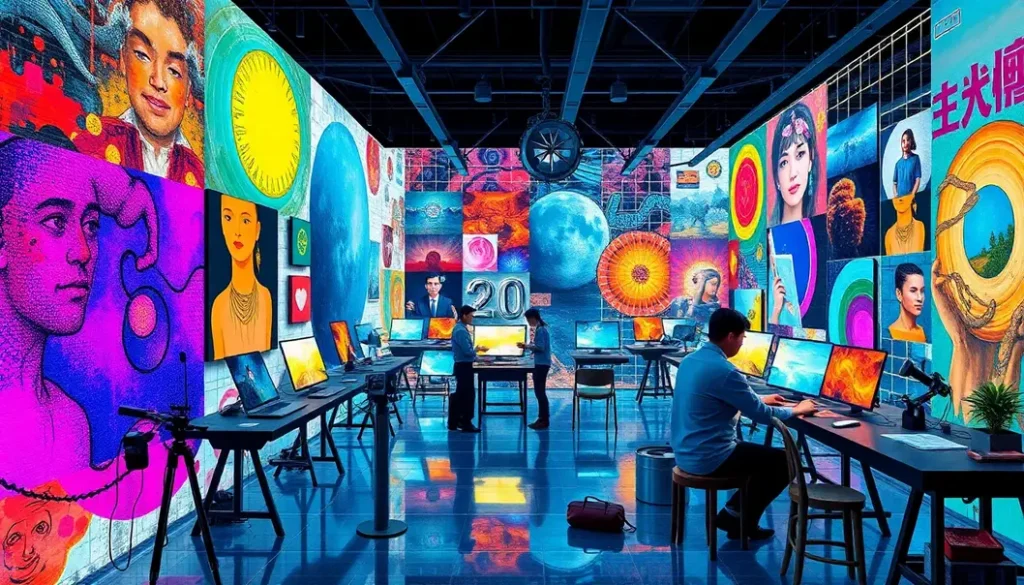
Artificial Intelligence is reshaping the landscape of digital art, blending technology with creativity in unprecedented ways. As artists and designers, you are presented with a powerful ally that not only enhances creative processes but also challenges traditional boundaries of artistic expression. Imagine a studio where algorithms assist in painting your visions, crafting visual narratives that resonate deeply. This harmony between human intuition and machine learning is sculpting the future of art—inviting you to explore uncharted territories while retaining the essence of your unique voice.
AI as Your Artistic Collaborator
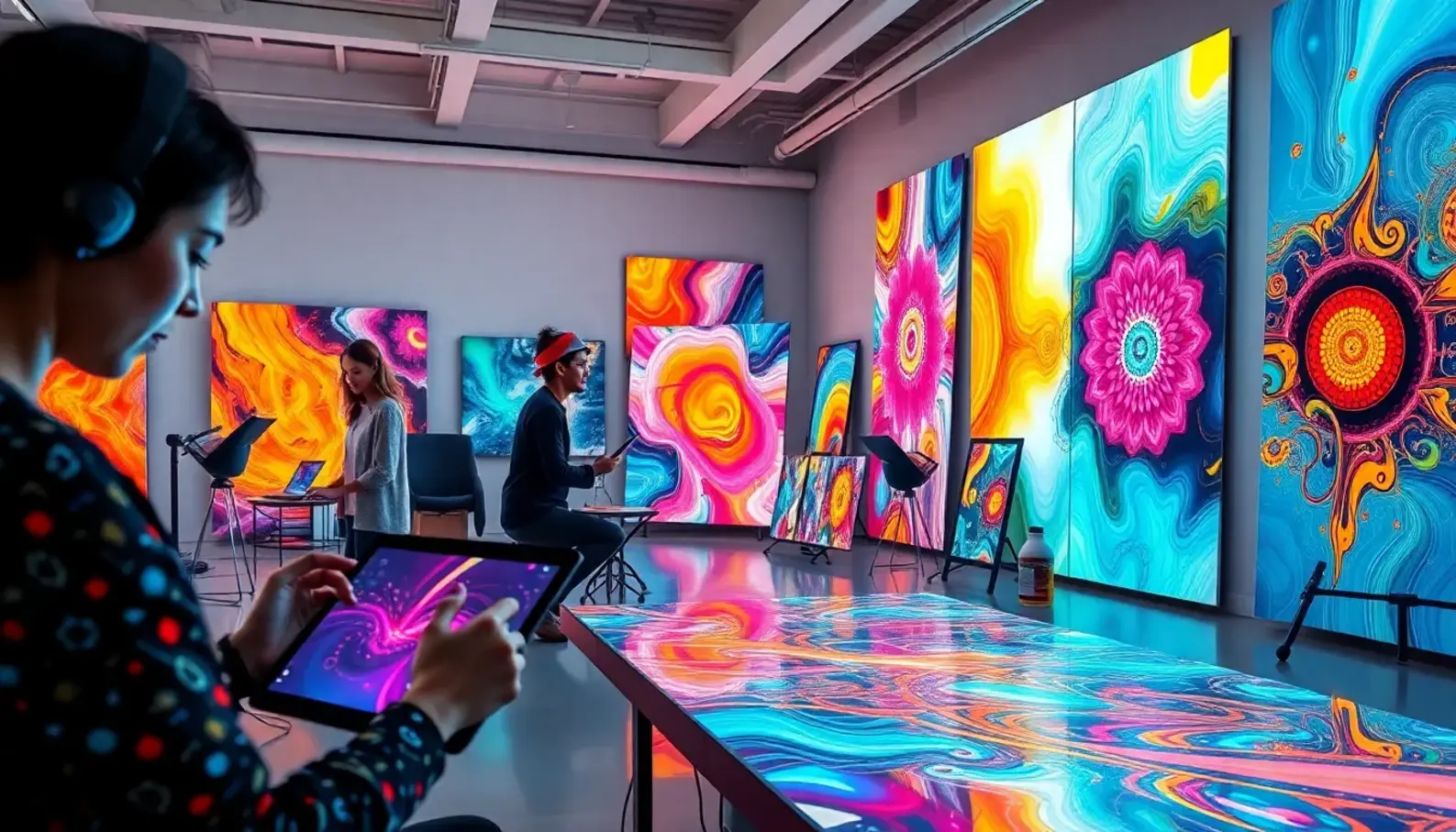
The canvas and the code are converging in ways that redefine what it means to create art. No longer restricted to traditional tools, artists now have a new collaborator: artificial intelligence. The partnership between human creativity and machine learning has unlocked a wealth of possibilities in the realm of digital art. AI has become not just a tool, but a collaborator, transforming artistic workflows and sparking new techniques.
AI can handle the complexity of algorithms while artists focus on their creative instincts. Various platforms and tools powered by machine learning assist artists in enhancing their creative processes. These tools analyze massive datasets to learn artistic styles and techniques, allowing them to produce new artworks based on historical data or entirely new parameters set by the artist. This synergy reshapes the landscape of digital art, pushing the boundaries of what is possible.
Artists have started to explore generative art, a method where algorithms are used to create new forms. Artists input parameters or data, and the AI generates art that often surprises even its human collaborator. This interaction nudges artists to explore beyond the conventional and embrace unexpected outcomes. By leveraging AI, artists push aside the constraints of traditional media, creating compositions that challenge the norms of aesthetics and concept.
AI’s ability to learn and adapt has inspired artists to develop unique techniques. For example, AI can deconstruct and analyze existing artwork, providing insights into composition and color that might elude the human eye. Artists can then use this information to refine their techniques or provide a new twist on classic styles. Furthermore, AI can automate repetitive or time-consuming tasks, leaving artists free to focus on the more complex elements of their work.
The benefits of AI as a collaborator are numerous. For one, it levels the playing field for artists of varying skill levels. Beginners can harness AI’s capabilities to experiment and learn, while seasoned artists can use it to deepen their expertise or break new ground. Additionally, AI can inspire artists by suggesting novel patterns, styles, or themes, broadening the scope of artistic exploration.
However, the integration of AI into artistry is not without its challenges. One potential pitfall is the risk of over-reliance on technology. Artists might feel pressured to lean on AI for creative decision-making rather than their intuition or expertise. This reliance could lead to a homogenization of styles, where art created with AI lacks individual personality or distinctiveness.
Another consideration is the ethical implications of AI in art creation. Artists must navigate the fine line between inspiration and imitation. Machine learning models trained on existing artworks might inadvertently perpetuate elements of style theft or cultural appropriation. Artists need to engage critically with these ethical questions as they collaborate with AI to ensure that the results are both original and respectful.
The conversation around AI and digital art is ongoing. Artists are encouraged to experiment while remaining mindful of these issues. The partnership of canvas and code opens doors not only to new vistas of creativity but also to fresh and exciting dialogues about the nature of art itself. This exploration aligns with broader discussions of AI in creative sectors, echoing themes seen in other industries as AI continues to reshape how we understand and engage with creativity. Learn more about the ethical implications of generative AI in different sectors.
As AI evolves, so will its role as an artistic collaborator. The challenge for artists lies not only in mastering these new tools but also in integrating them in a way that enhances rather than replaces human creativity. The journey is a collective one – as artists and technologists alike explore this frontier, the goal remains to create art that resonates, inspires, and challenges perceptions.
Navigating New Dimensions of Creativity
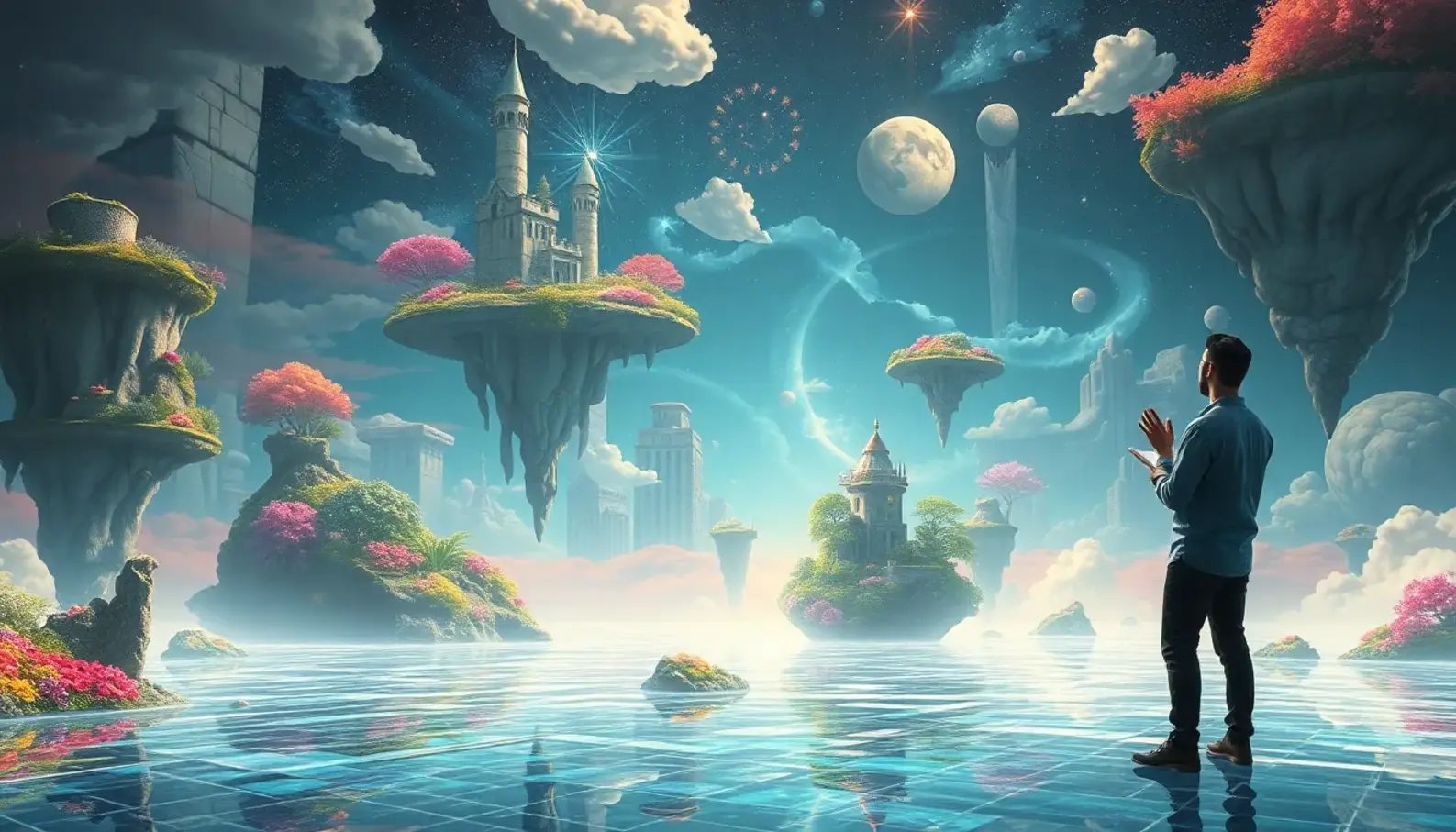
Artificial intelligence has not only entered but also expanded the realm of creativity, serving as a catalyst that pushes traditional boundaries. While brushes and paint once defined an artist’s universe, AI tools today offer seemingly limitless potential. Artists now wield algorithms alongside their paints, crafting pieces that blur the lines between human ingenuity and machine processing.
AI platforms have been pivotal in broadening the artistic spectrum. These technologies are not just replicating styles or generating random visuals; they are enabling novel forms of expression and interactivity. By employing AI, artists can explore a palette that encompasses data-driven insights and unprecedented creative configurations. Through the fusion of human vision with machine learning processes, artists are bestowed with new landscapes of innovation.
One cannot overlook AI art that has already garnered considerable attention and acclaim, demonstrating its burgeoning legitimacy. AI-generated works have been auctioned at major art houses, raising awareness and sparking debate. For instance, an AI-generated portrait was sold for a staggering price at a renowned auction house, igniting conversations around originality and the nature of creativity itself. Such landmark moments signify the permeating influence of AI within the art world.
However, the rise of AI in art brings forth complex ethical considerations. The question of authorship dominates discussions—who truly owns a piece of art created through the collaborative efforts of humans and algorithms? Furthermore, there are concerns about authenticity and the value of human touch in art. Critics argue that automating creativity risks devaluing human skill and emotion inherent to traditional artistic processes.
Despite these ethical conundrums, many artists find AI’s potential exhilarating, not stifling. By incorporating AI into their toolkit, artists can dissect and reinterpret vast datasets—transforming raw information into engaging visual narratives. AI can identify patterns and generate variations at speeds unattainable by human effort alone, assisting artists in conceptualizing entire series of artworks with unprecedented rapidity. Artists utilize AI not just as a tool to create but as a partner that inspires and challenges their imaginations.
The future of AI in art is as enigmatic and promising as the technology itself. Emerging developments suggest AI’s potential to dynamically alter artwork in real-time, adapting to viewers’ reactions or external environments. Such interactive artworks could redefine the viewer’s role from passive observer to active participant, fundamentally changing the relationship between art and audience.
Moreover, AI could enable entirely new art forms through the enhancement of multisensory experiences, integrating visual art with sound, touch, or even virtual reality. As AI systems become more attuned to human emotions and aesthetics, they might also create art with deeper emotional resonance—a field currently in its infancy but ripe for exploration.
Artists must adapt their practices to these advancing technologies, harnessing AI’s strengths while navigating its complexities. By effectively leveraging AI, artists can not only enhance their creative outputs but also engage in an ongoing dialogue about the nature of art and its evolution in a technology-driven society.
Thus, as AI continues to propel the canvas of human expression, it offers artists the opportunity to explore uncharted territories—expanding not just their creative palettes but the very concept of creativity itself. Artists who embrace AI find themselves at the forefront of a pioneering journey, crafting a new symphony of artistic innovation.
For further exploration of how AI and technology are influencing creative industries, you may find insights on AI marketing strategies particularly relevant to understanding how these dynamics play out in marketing contexts.
Final words
AI has become an intrinsic part of the digital art ecosystem, encouraging artists and designers to redefine their creative processes. Embracing this technology offers a unique opportunity to explore, innovate, and enhance artistic expression. As the synergy between humanity and machine flourishes, artists are invited to harness AI to unlock new dimensions of their imagination.
Generate Unique Digital Art with AI
Learn more: https://innoupdates.com
About us
Discover cutting-edge Digital Art AI Tools and Platforms to elevate your creative journey. Our resources empower artists and designers to explore limitless possibilities in digital art creation.