
As education continues to evolve, the integration of artificial intelligence accelerates the ability to provide personalized learning experiences. AI offers innovative technologies that can adapt content to meet the unique needs of each student, fostering engagement and improved outcomes. By understanding how these systems function, educators can adopt strategies that leverage AI to enhance the educational journey, making it more inclusive, effective, and enjoyable. This article explores two essential chapters that delve into the impact of AI on educational content personalization, highlighting practical insights for both educators and students.
Understanding AI’s Role in Education
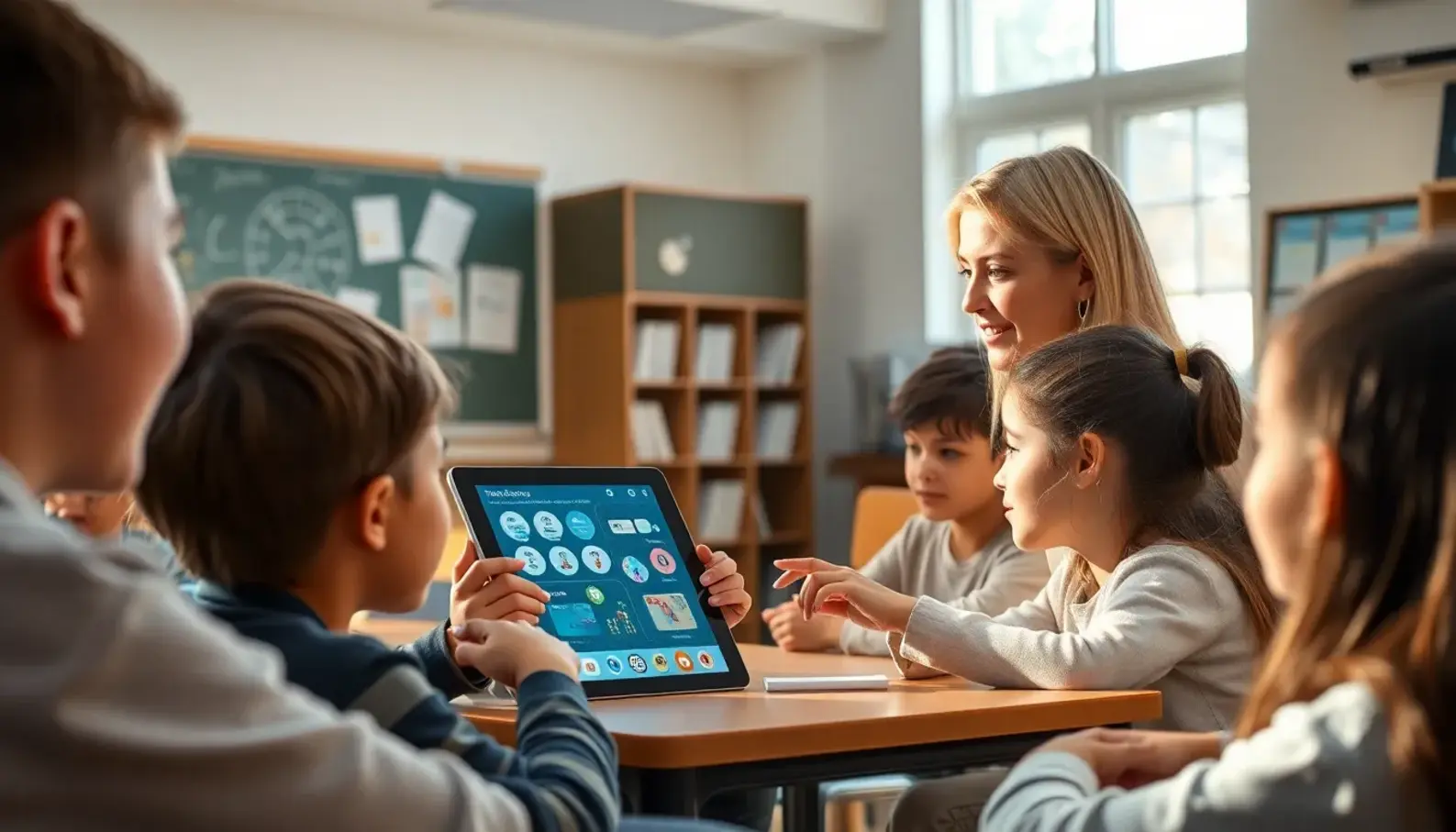
Artificial intelligence is reshaping the educational landscape, offering dynamic tools that customize learning experiences for individual students. By delving into AI-driven technologies, we can better understand how these systems facilitate personalized education.
AI in education primarily operates through learning management systems (LMS) and adaptive learning technologies. These platforms utilize algorithms to assess a student’s performance continuously. For instance, an LMS can track what students struggle with and what they excel in, adjusting content and activities accordingly. This adaptability ensures that students engage with material that aligns with their current understanding, thus promoting efficient learning.
Adaptive learning technologies refine this process further by leveraging machine learning algorithms to create more interactive and responsive educational experiences. These tools analyze various data points, including response times, error patterns, and engagement levels. As a result, they can provide challenging material for adept learners or additional resources for those needing more support, tailoring educational paths uniquely for each individual.
Behind these technologies lies the power of AI algorithms analyzing students’ strengths and weaknesses. For educators, this means gaining insights into learning preferences, which in turn aids in customizing lesson plans. An AI system might suggest alternative teaching methods or highlight which students could benefit from additional help on particular topics.
The role of data is pivotal. Extensive data collection enables AI systems to fine-tune their capabilities. This data comprises test scores, participation records, and even biometric feedback. As more data is gathered, the AI characteristics improve, providing even richer insights and more tailored educational opportunities.
However, utilizing AI in educational settings requires careful consideration of ethical aspects. There’s a need to respect privacy and maintain data security, deciding who can access sensitive information. Furthermore, ensuring that AI system recommendations remain non-biased and equitable is crucial, as biases in data can result in skewed educational experiences.
Finally, educators and administrators must stay informed and proactive about these technologies. Continuous professional development and engagement with current research enable teachers to capitalize on AI’s potential without undermining ethical standards.
For a deeper exploration of how AI and advanced technologies are implemented in educational environments, you might consider visiting this page on EdTech Personalization, which examines innovative ways AI personalizes learning experiences.
By understanding AI’s role and impact, educators can utilize these tools to transform traditional learning methods, making education more inclusive, relevant, and adaptable to meet each student’s unique needs.
Implementing AI for Tailored Learning Experiences
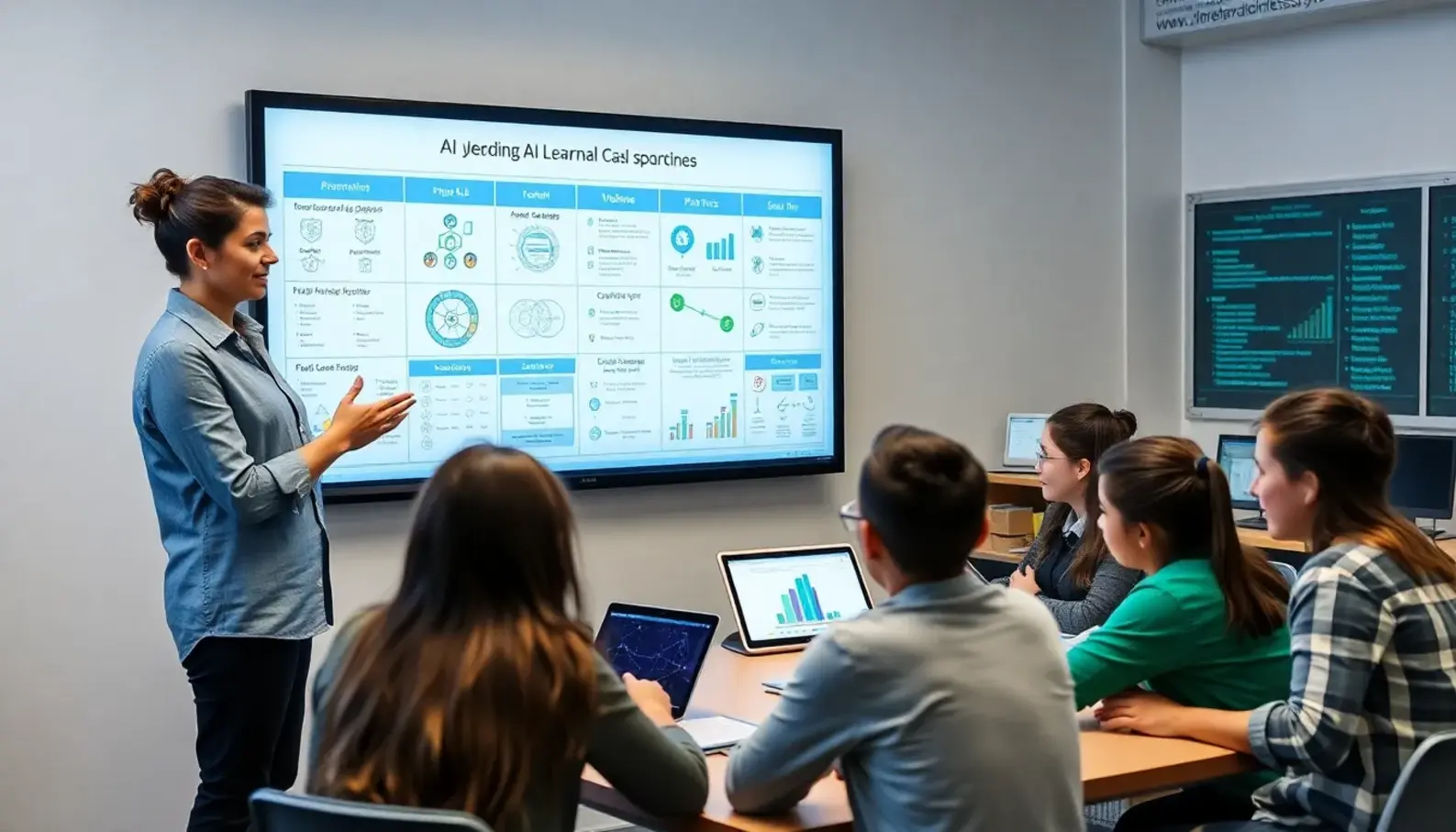
Artificial Intelligence is transforming the educational landscape, offering opportunities for tailored learning experiences that cater to individual student needs. For educators, the challenge lies in selecting appropriate AI tools and effectively integrating them into their teaching practices.
One fundamental strategy is to start with clear educational goals. Educators should identify specific objectives they wish to achieve through AI, whether it’s improving student engagement or personalizing learning paths. This clarity will guide the selection of suitable technologies.
AI technologies that provide customizable learning paths are highly effective. These platforms often leverage machine learning algorithms to assess a student’s current level and adapt content accordingly. By analyzing student performance and learning patterns, they can offer challenges or remedial support precisely when needed. Educators should prioritize platforms with adaptive features that align with their curriculum outcomes.
Real-time feedback is another essential feature offered by AI tools. By providing immediate insights into a student’s performance, educators can spot areas of struggle and adjust their teaching strategies promptly. This feature empowers students to self-correct and actively participate in their learning journey. Implementing an AI system that offers detailed analytics and visualizations of student progress can significantly enhance teaching effectiveness.
In assessing the effectiveness of AI tools, educators should adopt a continuous improvement mindset. Gathering quantitative and qualitative data is crucial. This data could include student achievement metrics, engagement statistics, and feedback from both students and teachers. Regular reviews allow educators to refine and adjust the use of AI tools to better meet student needs.
Successful integration of AI into the curriculum also involves planning technical and infrastructural support. Ensuring adequate access to necessary hardware and internet connectivity is fundamental. Teachers should receive training tailored to the AI tools, focusing on practical usage and troubleshooting common issues.
Educators might explore platforms offering modular approaches, allowing personalized learning components to be integrated into existing programs without significant overhauls. This strategy facilitates a smoother transition and avoids overwhelming teachers and students with drastic changes.
Numerous success stories illustrate the transformative impact of AI in education. In one instance, a secondary school reported a remarkable increase in student engagement and performance after deploying AI-powered tools that tailored practice assignments to individual skill levels. Students felt more motivated and less anxious, knowing they were working at a pace suited to their needs.
Another example is a community college that integrated AI in its support programs to provide personalized tutoring and resources for at-risk students. The result was a significant reduction in dropout rates and improved academic achievement. These success stories underscore the potential for AI to enhance learning outcomes and provide compelling reasons for educators to embrace these technologies.
For further innovations in personalized education, educators can explore resources such as EdTech Personalization, which provide insights into emerging trends and strategies. By staying informed, teachers can harness AI to its fullest potential, fostering a learning environment that is both inclusive and effective.
Incorporating AI into education requires commitment and open-mindedness from educators. By understanding and implementing these strategies, educators will pave the way for transformative changes. The next step involves fostering collaborations with AI developers and educational stakeholders to continuously improve and adapt AI solutions for a progressive learning experience.
Final words
AI is revolutionizing educational content personalization, empowering educators and enriching student experiences. By leveraging AI technologies, schools can create customized learning situations that meet the diverse needs of every student. This journey toward intelligent education can bring unprecedented engagement and success, fundamentally reshaping how we perceive and deliver learning.
Tailor Educational Content with AI
Learn more: https://innoupdates.com
About us
Explore InnoUpdates’ Educational AI Content Personalization Platforms, designed to enhance learning experiences by leveraging AI technology for customized educational content tailored to student needs.