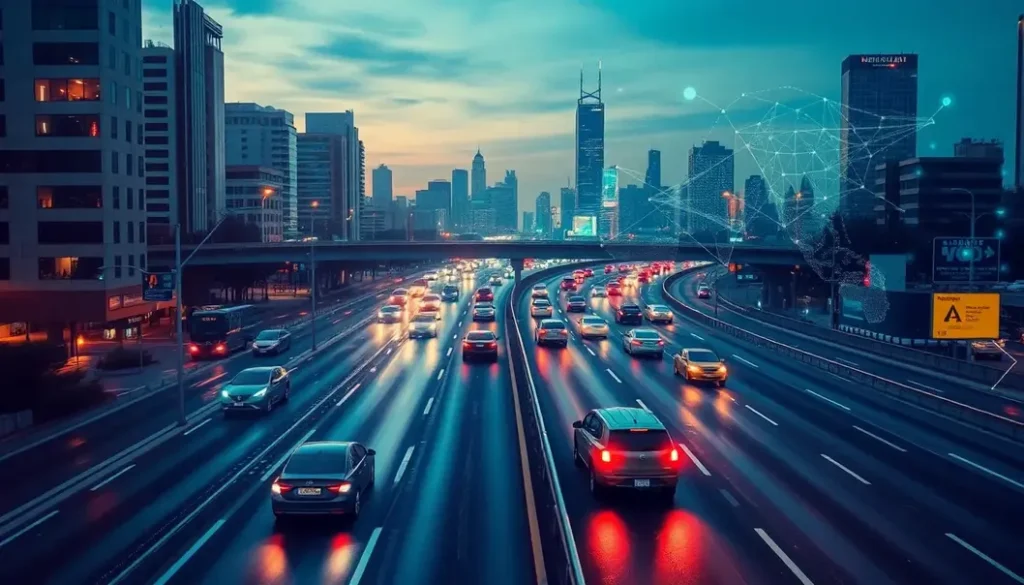
The intersection of artificial intelligence and autonomous vehicle navigation opens new pathways for transportation and urban development. As transportation systems evolve, the integration of AI technologies is essential for optimizing navigation, enhancing safety, and improving urban mobility. Engineers and planners must explore cutting-edge algorithms that allow vehicles to interpret their surroundings, predict behaviors, and make informed driving decisions. This dynamic landscape not only reshapes driving experiences but also influences how cities integrate and manage autonomous systems.
Revolutionizing Navigation with AI Algorithms
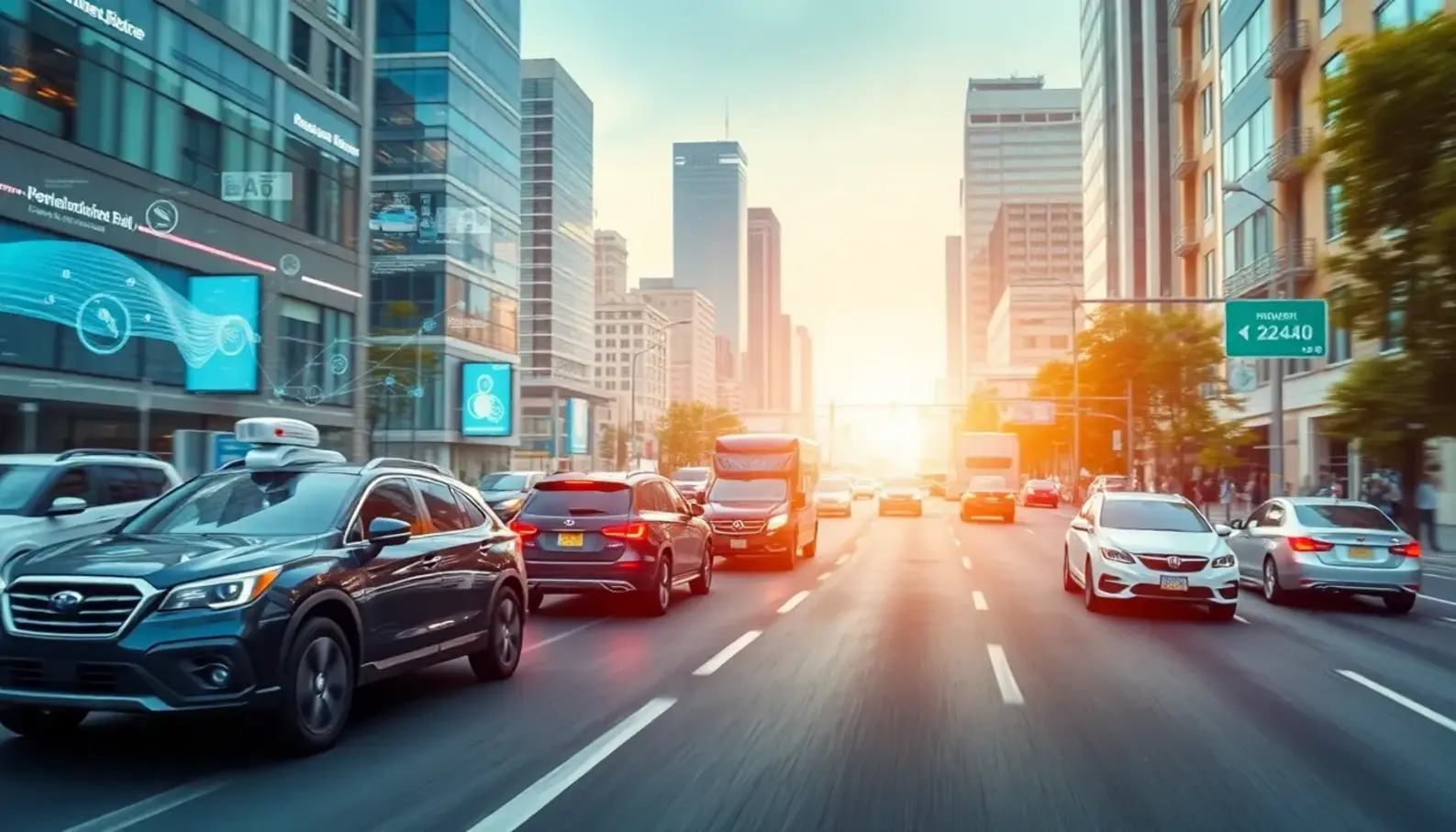
In the transformative landscape of autonomous vehicles, AI algorithms serve as the backbone, enabling these sophisticated machines to navigate with remarkable accuracy and safety. At the heart of this evolution is a blend of machine learning, computer vision, and sensor fusion techniques, each playing a critical role in transforming raw data into actionable intelligence.
Machine learning algorithms are pivotal in enabling autonomous systems to learn and adapt to their environments. Through these algorithms, autonomous vehicles can identify patterns in large datasets, predict potential driving conditions, and adjust their operations accordingly. Neural networks, a key subset of machine learning, excel at recognizing objects and estimating distances in real time. These neural networks are trained using vast amounts of labeled driving data, allowing them to discern between pedestrians, cyclists, and other vehicles, even in varying weather conditions.
Computer vision, supported by neural networks, empowers vehicles to understand and interact with their surroundings. Complex driving environments present numerous visual challenges, such as obscured signage, varying light conditions, and unpredictable pedestrian movements. By processing images captured by cameras mounted on the vehicle, computer vision algorithms extract meaningful information, enabling the vehicle to navigate effectively through busy urban centers or on remote highways. The integration of deep convolutional neural networks has significantly improved accuracy in image recognition tasks, ensuring that autonomous vehicles make informed decisions based on clear visual data.
Sensor fusion is another vital technique that synthesizes data from various sensors, including cameras, radar, lidar, and ultrasonic sensors. Each sensor provides unique advantages; for instance, lidar offers precise 3D mapping capabilities, while radar is effective in detecting objects at longer ranges. By harmonizing these diverse data sources, an autonomous system gains a comprehensive situational awareness, crucial for making dynamic driving decisions. Sensor fusion not only enhances the reliability of object detection and tracking but also assists in creating accurate models of the vehicle’s environment.
The role of AI in perception and control goes beyond mere data interpretation. It extends to the synthesis of this data into structured knowledge that guides lateral and longitudinal control within the vehicle. These control systems adapt to ever-changing environments, such as merging onto a highway or maneuvering through a crowded city intersection. By continuously evaluating the optimal path and speed, AI-driven control ensures both safety and efficiency.
Situational awareness, a key component of autonomous vehicle operation, is significantly enhanced by AI algorithms. Advanced systems monitor a multitude of factors, including the vehicle’s speed, location, and the behavior of surrounding entities. When embedded with deep learning models, these systems can anticipate and respond to the actions of other road users, such as a pedestrian suddenly stepping into the road or another vehicle making an unexpected lane change.
The practical application of these technologies is evident in several autonomous vehicle prototypes currently fuelled by AI. These prototypes are equipped with robust systems capable of performing complex tasks, such as automated parking, highway cruising, and adaptive traffic control. Nevertheless, there remain substantial challenges for automotive engineers in implementing and refining these systems. One significant hurdle is integration with existing road networks, where infrastructural variances can hinder reliable vehicle-to-infrastructure communication.
Safety protocols are another critical consideration, ensuring that these systems adhere to stringent regulatory standards. As developers work towards reducing false positives and negatives in object detection and decision-making, the industry must also address cybersecurity issues, safeguarding vehicles against potential hacking threats that could compromise safety and privacy.
In navigating these challenges, ongoing research and collaboration among AI specialists, policymakers, and automotive manufacturers are crucial. The need for a standardized framework that promotes interoperability between different vehicle systems and urban infrastructure is evident. This approach not only ensures that AI algorithms continue to advance but also that they operate within a cohesive and secure environment.
For further insights into the broader implications of AI across various sectors, consider exploring related discussions on AI’s integration in business growth here. Understanding how AI algorithms drive innovation in different domains can provide valuable perspectives on their potential to revolutionize urban mobility as well.
As AI algorithms evolve, the prospect of a safer and more efficient transportation ecosystem becomes increasingly attainable. By continuing to harness intelligent systems, the vision of seamlessly integrating autonomous vehicles into daily life draws ever closer to reality.
Urban Planning in the Age of AI-Driven Mobility
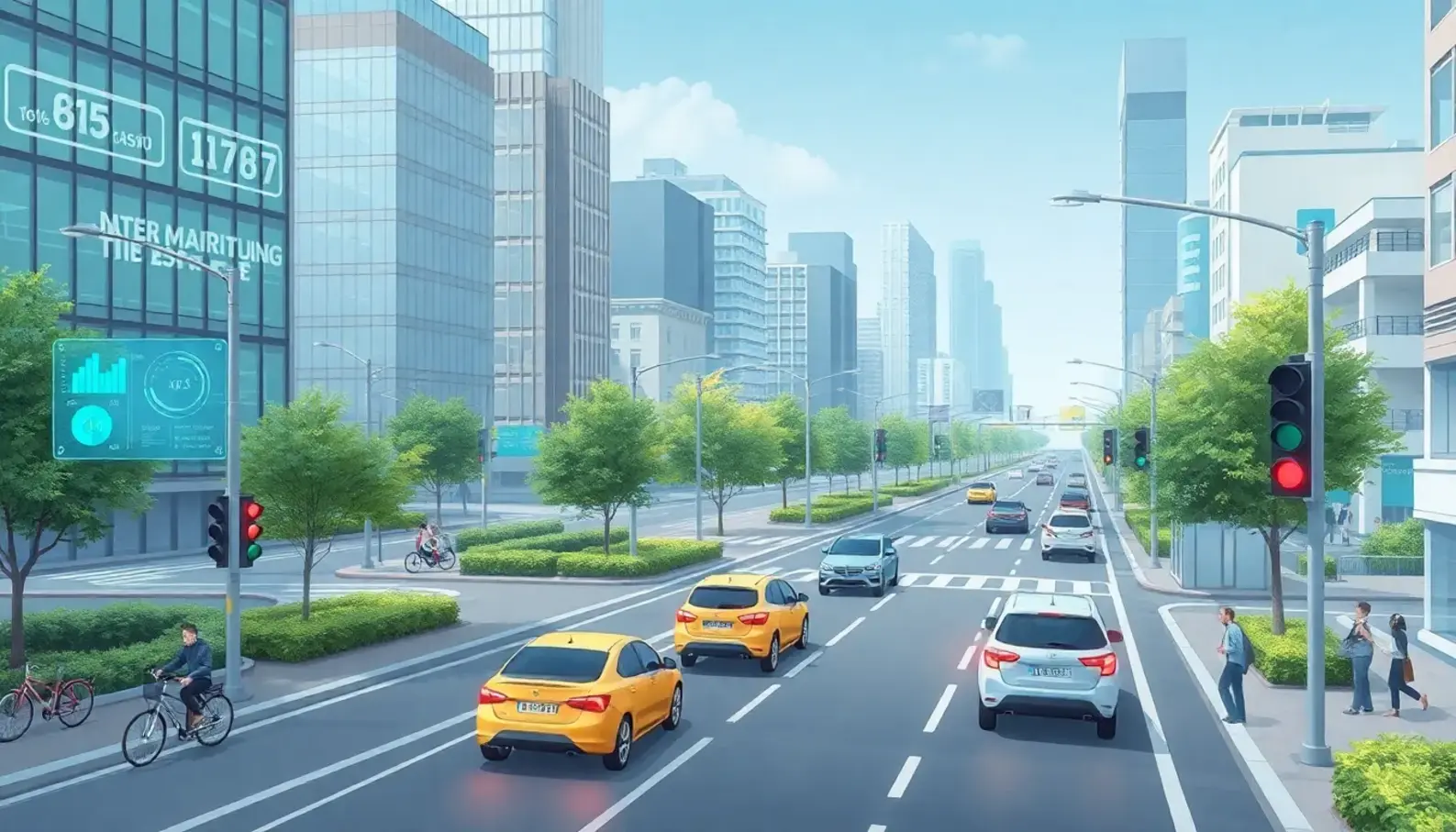
The advent of autonomous vehicles (AVs) is reshaping urban landscapes, compelling city planners to rethink the design and functionality of urban areas. As these vehicles become more prevalent, the implications for urban planning are profound. At the intersection of technology and urban design lies the potential to create cities that are not only more efficient but also more livable.
One of the most significant impacts of autonomous vehicles is on traffic management. Traditional methods of managing traffic congestion are often reactive, relying on historical data and basic traffic signals. In contrast, AI-powered systems can analyze real-time data from various sources—incorporating weather, local events, and road conditions—to anticipate and alleviate congestion before it occurs. This proactive approach not only minimizes delays but also reduces emissions by optimizing traffic flow to minimize idling.
Consider the case of Helsinki, Finland, where city planners are integrating AI-driven mobility solutions to achieve emissions targets. By leveraging autonomous buses as part of a broader public transit network, Helsinki not only reduces the necessity for personal vehicle ownership but also enhances the accessibility of public transport. This is achieved by optimizing routes based on demand patterns, thereby increasing coverage without the corresponding increase in infrastructure costs.
Smart cities represent the future of urban living, and autonomous vehicles are integral to this vision. These vehicles serve as both data sources and mobility solutions, feeding urban systems with invaluable information. From mapping air quality to detecting road conditions, the data collected by AVs aids in the design and maintenance of urban infrastructure. Moreover, these insights allow for dynamic adaptations in traffic control systems, ensuring efficient transit times and safer roadways.
In Singapore, a pioneering smart city initiative integrates autonomous vehicles into urban planning strategies. By using AI to analyze traffic patterns and vehicle usage, the city dynamically adjusts traffic signals and redesigns roads to prioritize high-occupancy vehicles and public transit lanes. This not only streamlines daily commutes but also encourages the use of shared mobility services.
The concept of ‘mobility as a service’ (MaaS) is pivotal in transforming urban mobility landscapes. MaaS platforms offer a suite of transportation solutions—including AVs, public transit, and bike-sharing options—through a single, user-friendly app. This shift from car ownership to service subscription models has significant implications for urban infrastructure. Parking spaces, once a central requirement for cities, become less critical, allowing for the repurposing of valuable urban land for green spaces or housing.
Ethical considerations and regulatory frameworks play crucial roles in the successful integration of AI in urban mobility. Ensuring the safety and transparency of AI systems is paramount. Policymakers must establish clear regulations that govern the deployment of AVs, prioritizing privacy and data security. Likewise, ethical considerations surrounding job displacement in the traditional transport sector must be addressed, providing retraining opportunities to integrate workers into new roles within the evolving transport ecosystem.
In Japan, city planners and automotive engineers collaborate closely to implement policies that support the integration of AV technology. Focused on inclusivity, these policies ensure that the benefits of autonomous systems are equitably distributed across various demographics, thereby enhancing social sustainability.
The collaborative synergy between automotive engineers and urban planners is essential in building cohesive transportation ecosystems. Engineers provide the technical expertise to harness AI capabilities, while planners contribute an understanding of urban dynamics. This partnership leads to the development of infrastructure that anticipates and meets future mobility needs, ensuring a seamless transition to AI-driven urban transport.
AI’s role in urban planning extends beyond just transportation systems. Its capacity to foster sustainable city development opens new pathways for smart technology deployment in other urban facets, such as governance and real estate. As cities evolve into integrated digital environments, the groundwork laid by AI in the mobility sector serves as a blueprint for broader smart city initiatives. For further insights into the ethical considerations surrounding AI technologies, visit this resource.
In conclusion, the integration of autonomous vehicles into urban frameworks signifies a transformative era for urban design and public policy. By embracing AI’s potential to enhance traffic management and mobility solutions, cities can craft more connected, efficient, and sustainable living environments. The collaborative endeavors between technology experts and urban planners will play a pivotal role in steering this transition towards truly smart cities characterized by their adaptability and inclusiveness.
Final words
As artificial intelligence continues to evolve, its integration into autonomous vehicle navigation paves the way for safer urban environments and more efficient transportation systems. By harnessing AI capabilities, engineers and planners will redefine mobility, driving toward a future where intelligent connectivity enhances the quality of city life and fosters sustainable growth.
Develop Safer Autonomous Vehicles with AI
Learn more: https://innoupdates.com
About us
InnoUpdates offers advanced Autonomous Vehicle AI Navigation Systems designed to enhance safety, efficiency, and the integration of autonomous technology in urban mobility solutions.