
Artificial Intelligence (AI) is revolutionizing healthcare by optimizing workflows and reducing operational inefficiencies. With the increasing demand for better patient care, hospital administrators and medical professionals face the challenge of balancing high-quality service with limited resources. AI technologies can streamline various processes—from scheduling and admissions to clinical decision-making—ultimately enhancing patient outcomes. By embracing AI, healthcare organizations can not only improve their operational efficiency but also better allocate their precious resources to meet the growing needs of patients in a rapidly changing industry.
AI-Driven Tools for Workflow Improvement
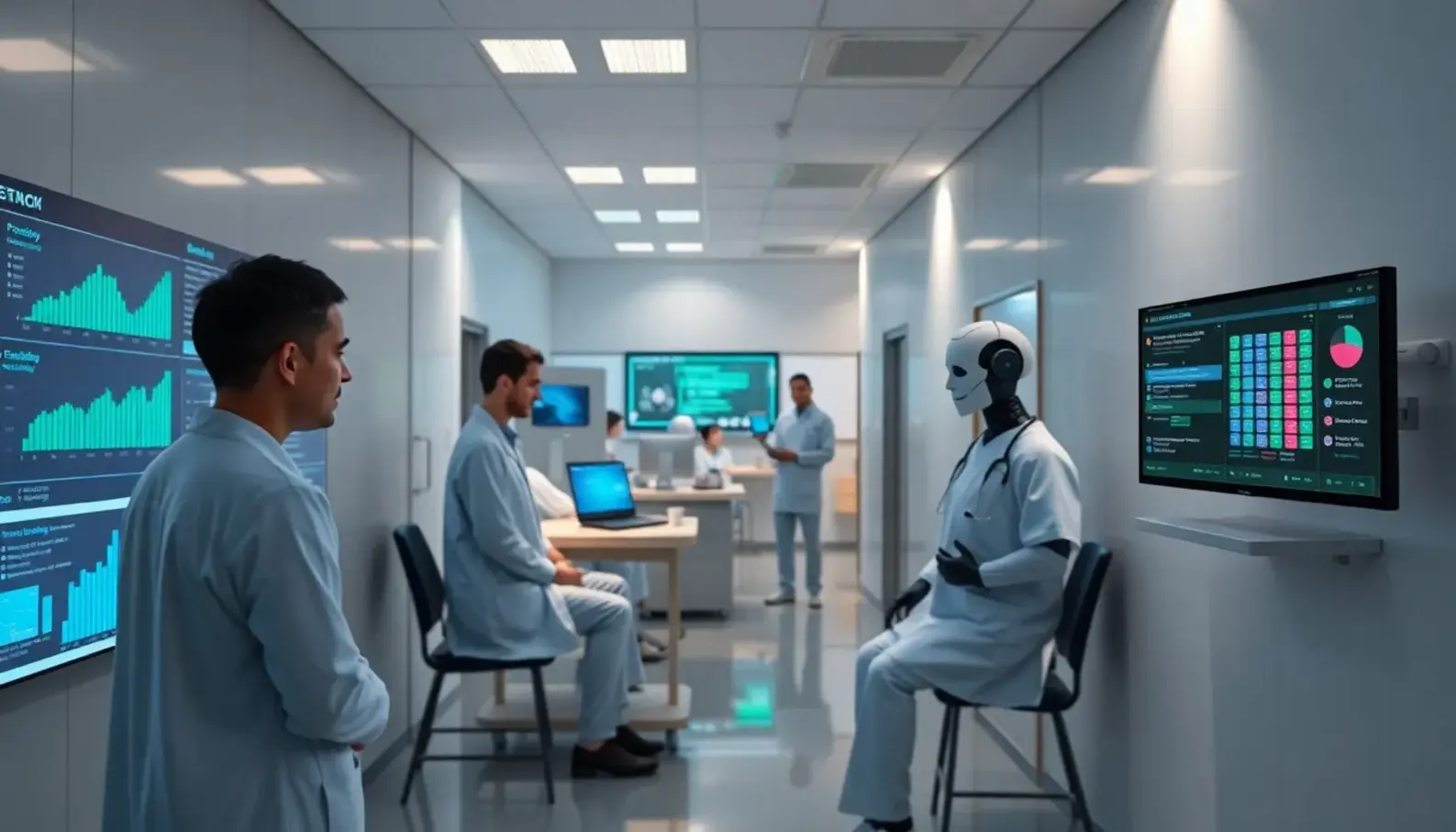
The integration of AI-driven tools into healthcare workflows has marked a transformative shift in how administrative tasks are managed and patient care is enhanced. Among the most impactful of these technologies are predictive analytics, chatbots, and automated scheduling systems. Each of these tools plays a unique role in optimizing healthcare processes, offering both functionality and efficiency that enhance decision-making, bolster communication, and alleviate the administrative load on healthcare professionals.
Predictive analytics involves using AI to analyze vast datasets, uncover patterns, and predict future outcomes. In healthcare, this capability can significantly streamline operations. By evaluating patient data, predictive analytics can forecast patient admissions, anticipate medical supply needs, and even predict patient readmissions. For instance, hospitals utilize AI algorithms to predict patient influx, thereby optimizing staff scheduling and resource allocation. Predictive analytics can also assist in identifying high-risk patients, enabling medical professionals to offer timely interventions. This not only improves patient outcomes but also helps in allocating healthcare resources more efficiently.
Chatbots are another AI-driven tool revolutionizing healthcare workflows. Acting as virtual assistants, chatbots can engage with patients 24/7, providing immediate responses to common inquiries. This alleviates the burden on healthcare staff who might otherwise be tasked with answering routine questions. Additionally, chatbots can facilitate basic telehealth services by conducting preliminary assessments and guiding patients to the appropriate care channels. This makes the initial contact with healthcare services more streamlined and ensures that more urgent cases are prioritized. Moreover, chatbots can support administrative functions by handling appointment bookings and reminders, ensuring better compliance with medical schedules.
Automated scheduling systems utilize AI to optimize appointment bookings and manage staff schedules efficiently. These systems take into account numerous variables such as availability, patient needs, and clinician schedules. By automatically arranging patient appointments based on this data, healthcare providers can minimize overbooking or underbooking, leading to improved time management and patient satisfaction. Furthermore, automated scheduling can reduce no-shows by sending timely reminders to patients, and adjusting schedules dynamically as changes occur. This constant optimization of the appointment process frees up valuable time for healthcare workers to focus on patient care rather than administrative tasks.
These AI tools also contribute to improved communication across healthcare teams. With predictive analytics, teams can preemptively address issues and coordinate more effectively to manage patient care. Chatbots facilitate seamless communication between patients and providers, ensuring that questions are addressed quickly and accurately. Meanwhile, automated scheduling systems provide a clear overview of appointment logistics, which can be shared across departments to ensure everyone is in sync.
Adopting AI-driven tools in healthcare workflows offers substantial benefits, from enhancing efficiency to improving patient care quality. By minimizing the administrative burden on medical staff, these technologies allow professionals to devote more time to direct patient interactions. As the healthcare landscape evolves, embracing these innovations will be essential to maintaining a high standard of care while managing resources effectively.
Integrating these tools requires careful consideration of ethical implications and legal frameworks, as discussed in related sectors such as AI in Law, which address the significance of regulatory compliance and privacy concerns in the deployment of AI solutions. Thus, healthcare administrators must ensure that the integration of AI respects patient confidentiality and complies with all pertinent regulations.
Implementing AI for Effective Change Management

Successfully implementing AI in healthcare requires meticulous change management strategies. Central to this is addressing the challenges that accompany transforming traditional workflows with technology. This involves not only the deployment of AI tools but also ensuring that such innovations lead to tangible improvements in efficiency and patient care.
One of the primary steps in the change management process is comprehensive staff training. For any AI system to function at peak capability, healthcare staff at all levels must understand its use and benefits. Training programs should be tailored to each group’s specific needs, ensuring everyone from frontline healthcare workers to administrative staff feels comfortable with the technology. Simulations and hands-on practice sessions can enhance understanding and engagement.
However, training alone is insufficient. A major hurdle is resistance to change, which can stem from fear of the unknown or concerns about job security. To address this, it’s imperative to foster an environment where open discussions about AI’s role and impact are encouraged. Highlighting AI’s capabilities to assist, not replace, staff can mitigate fears. Clear communication about how AI can lift burdens and enhance job satisfaction is key. For instance, by automating routine tasks, AI allows healthcare professionals to focus more on patient interaction and care.
Integrating AI systems also involves meticulous system integration. Healthcare facilities often operate with a mix of legacy systems that do not naturally communicate with modern AI solutions. Technological integration must be planned carefully to allow interoperability. Collaboration with IT experts and AI developers during the initial phases can prevent potential bottlenecks and ensure systems communicate effectively.
A pivotal component of successful AI integration is the establishment of performance tracking mechanisms. Continuous assessment of AI deployment helps in understanding its true impact on workflow efficiency and patient outcomes. Key performance indicators (KPIs) should be defined at the outset, focusing on metrics like patient throughput, diagnostic accuracy, and time savings in administrative tasks. These metrics provide quantifiable insights into the efficacy of AI and guide future adjustments and improvements.
Achieving staff buy-in can significantly ease transitions. Engaging staff early in the development process fosters a sense of ownership and assures them their inputs are valued. For instance, when a Midwest hospital integrated AI to optimize emergency department workflows, they involved the staff in selecting the software that best suited their needs. This involvement resulted in smoother adoption and less friction during the transition period.
Learning from real-world case studies can provide valuable insights. A case in point is a hospital system that successfully integrated AI-driven predictive analysis tools into their workflow. By forecasting patient admissions and adjusting staffing accordingly, the system reduced wait times significantly and optimized resource allocation. Success stories like these exemplify the transformative potential of AI when correctly managed and implemented.
Hospital leaders seeking to streamline workflows with AI can look to these strategies as a roadmap. From instilling confidence through training and fostering open communication to leveraging case studies for inspiration, the path to efficient AI adoption is clear and navigable. Through adept change management, healthcare settings can harness the full potential of AI to enhance both their processes and patient care.
For further exploration into AI’s role in optimizing business workflows, you might find additional insights in this article on AI in HR strategies.
Final words
AI is becoming an indispensable asset in healthcare, enabling organizations to optimize workflows and provide superior patient care. By adopting AI technologies, hospital administrators and medical professionals can effectively manage resources, improve operational efficiencies, and facilitate a higher standard of healthcare. Embracing AI not only enhances the patient experience but also promotes a sustainable future for healthcare delivery.
Optimize Healthcare Workflows with AI
Learn more: innoupdates.com
About us
Healthcare AI Workflow Optimization Software designed to enhance hospital efficiency, automate routine tasks, and improve patient outcomes through cutting-edge technology.