
The integration of Artificial Intelligence (AI) into supply chain development is not merely a trend; it signifies a paradigm shift that promises to redefine efficiency, transparency, and resilience. As entrepreneurs and innovators navigate an increasingly complex global marketplace, the demand for enhanced agility and real-time data-driven decision-making has never been greater. AI offers a suite of tools that empower businesses to optimize operations, reduce costs, and respond adeptly to market changes. Not only does AI streamline logistics and inventory management, but it also paves the way for sustainable practices and improved customer satisfaction. This exploration delves into the multifaceted capabilities of AI in supply chain development, providing a comprehensive overview for those eager to harness its potential.
Understanding AI and Its Strategic Role in Supply Chain Development

Artificial Intelligence (AI) is rapidly becoming the backbone of modern supply chain strategies, transforming how companies manage logistics, manufacturing, and distribution. AI technologies like machine learning, predictive analytics, and automation are revolutionizing the process, offering robust tools that drive efficiency, enhance decision-making, and unlock innovative opportunities. This chapter delves into these AI capabilities, their integration, and their strategic significance.
Machine learning, a fundamental component of AI, plays a crucial role by providing systems the ability to learn and improve from data without explicit programming. It identifies patterns and anomalies in vast datasets, enabling predictive maintenance and optimizing inventory levels. For entrepreneurs, this means better inventory turnover and minimized costs. The ability to predict demand trends before they occur empowers businesses to align their resources more effectively, reducing waste and improving customer satisfaction.
Predictive analytics builds on machine learning, transforming data into actionable insights. By analyzing collected data, predictive models can forecast future demand, potential vendor issues, or logistical challenges. For innovators, this means clear visibility into potential risks and opportunities, helping them make informed decisions swiftly. Enhanced forecasting reduces the buffer stock, aligning supply precisely with consumer demand. This ability not only speeds up time-to-market but also allows flexible adaptation to market fluctuations, providing a competitive edge.
Automation, another pillar of AI, has profound implications for supply chain operations. Autonomous robots and vehicles streamline routine tasks, reduce the risk of human error, and maintain operational continuity. This reduces labor costs and increases efficiency in warehouses and distribution centers. Automating processes such as order picking and shipping paves the way for a leaner supply chain, turning fixed operational processes into more agile systems. Such innovations cater to entrepreneurial ventures by freeing up capital for investment into areas that promise growth and innovation.
The significance of data in AI applications cannot be overstated. It is the fuel that powers machine learning algorithms and predictive analytics models. High-quality data provides the foundation for AI systems to offer meaningful predictions and optimizations. Data-driven decision-making enables entrepreneurs to move away from intuition-based approaches, instead relying on evidence-based strategies. This reduces risks associated with supply chain investments and strategy pivots. A well-structured data strategy facilitates the collection and processing of relevant information, offering new insights into supply chain dynamics.
AI’s role in supply chain development extends into specific decision-making processes. The technology allows businesses to model complex ‘what-if’ scenarios, testing different strategies to understand potential outcomes before implementing them. For entrepreneurs, this provides a sandbox environment to explore innovative ideas without the real-world costs. It encourages bold moves and creative thinking, transforming theoretical innovation into practical application.
Furthermore, AI enhances supply chain visibility, offering real-time insights into every segment. This transparency ensures better coordination across different supply chain partners. Collaborative platforms powered by AI streamline communication and build stronger partnerships. Entrepreneurs can leverage this to navigate multicultural and multi-regional supply chains, capitalizing on opportunities in interconnected global markets.
Addressing the unique needs of entrepreneurs, AI facilitates the customization of supply chain processes. AI-driven systems can adapt to specific industry demands, allowing for the tailoring of logistics and production processes to serve niche markets. This flexibility enables the rapid scaling of operations in response to market demand while keeping costs in check. Entrepreneurs venturing into emerging tech markets, for instance, benefit immensely by delivering tailor-fit products without compromising efficiency.
Supply chain security also gains from AI advancements. AI technologies enhance risk management by detecting security breaches or potential disruptions early on. Predictive models identify vulnerabilities within the supply chain network, allowing for proactive measures. This inherently reduces risks associated with cyber threats, ensuring the continuous flow of goods and information. Entrepreneurs can thus focus on growth without being sidetracked by logistical uncertainties.
Finally, AI fosters a culture of continuous improvement within supply chain operations. Feedback loops generated through AI systems provide ongoing performance metrics, enabling businesses to refine their strategies dynamically. This creates an environment where innovation is encouraged, and adaptation to new trends becomes second nature. Entrepreneurs and innovators equipped with AI-driven insights can experiment confidently, pushing the boundaries of conventional supply chain frameworks.
In summary, AI technologies deliver strategic advantages that transform supply chains into responsive, intelligent systems. For entrepreneurs and innovators, understanding these tools and their applications presents unparalleled opportunities to innovate, compete, and grow in an ever-evolving market landscape. For a deeper understanding of how AI impacts other sectors, explore AI in business growth.
Real-World Applications: AI Driving Efficiency and Innovation
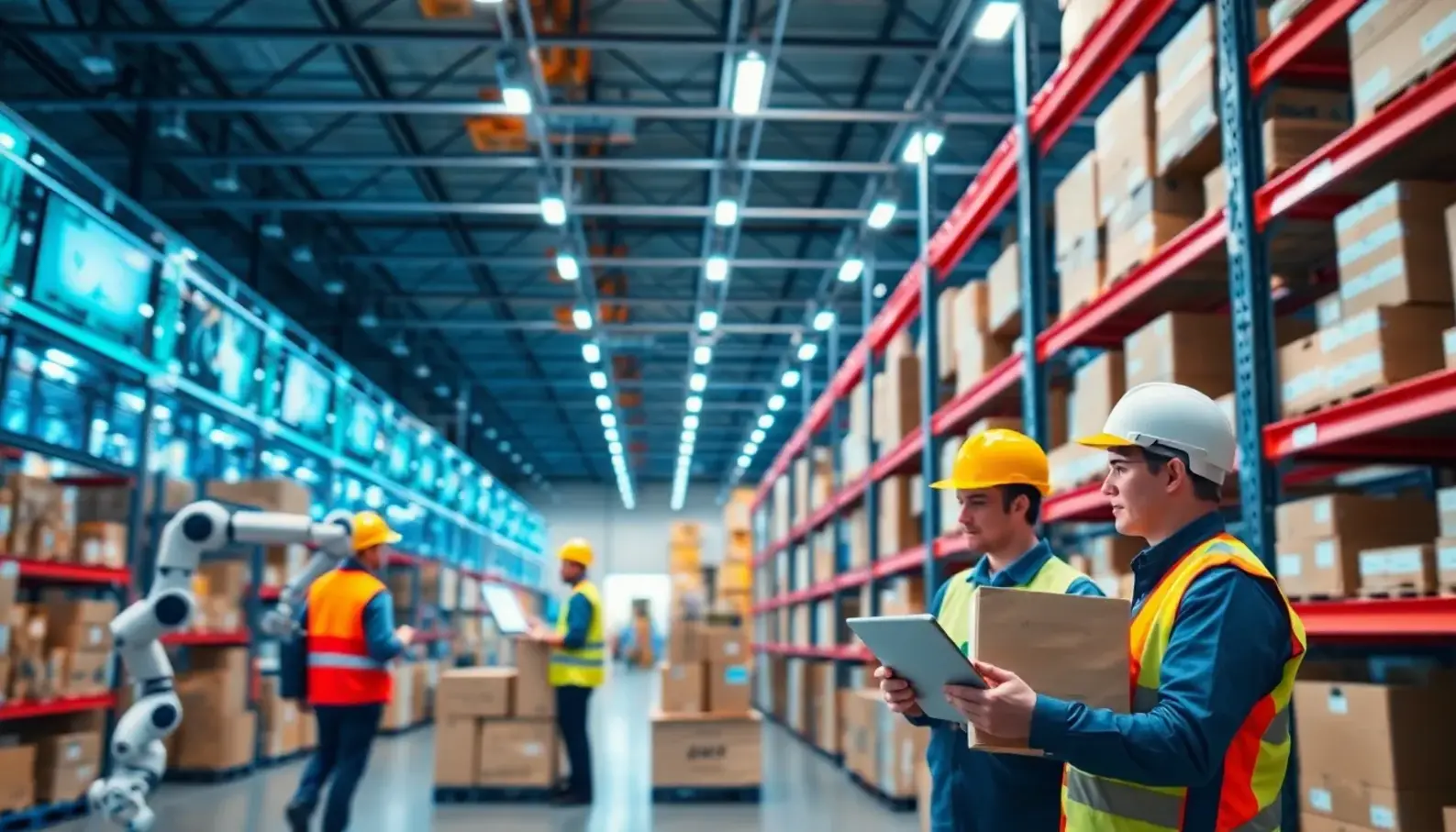
Artificial Intelligence is not merely a buzzword in the current business landscape; it’s a transformative force with the potential to revolutionize supply chain operations. Different sectors, including retail, manufacturing, and logistics, have uniquely harnessed AI to drive innovation and streamline processes. Let’s examine some real-world applications, taking a closer look at how AI has been successfully implemented to enhance efficiency and foster innovation.
In the retail sector, AI plays a pivotal role in demand forecasting and inventory management. A prominent example involves a multinational retail chain optimizing its supply chain through AI-driven data analytics. The company employed machine learning algorithms to analyze customer purchase patterns and external factors such as weather changes and local events. This precise data analysis reduced excess inventory by 20%, increased stock turnover rates, and minimized out-of-stock incidents. These changes significantly boosted the company’s bottom line, highlighting how AI can efficiently balance inventory against real-world consumer demands.
Manufacturing industries are leveraging AI to enhance predictive maintenance, thus reducing downtimes and increasing overall productivity. A well-organized case study is a global automotive manufacturer that integrated AI-powered predictive maintenance systems into their production lines. By analyzing sensor data and operating conditions, the AI systems could forecast machine failures weeks in advance, ensuring timely intervention. This application extended machine life by up to 30% and reduced maintenance costs by approximately 15%. The key takeaway for entrepreneurs is the importance of adopting AI to gain foresight into equipment maintenance needs, thereby optimizing manufacturing efficiency.
Logistics, a sector fundamentally dependent on timely operations, has considerably benefited from AI. One groundbreaking implementation comes from an international shipping firm that adopted AI to enhance route optimization and fuel efficiency. By integrating AI algorithms with their existing GPS and traffic data systems, the firm could determine the most efficient routes in real-time. This technology resulted in a 10% decrease in delivery time and a significant reduction in operational costs due to lower fuel consumption. Entrepreneurs can learn from this example that incorporating AI can adeptly tackle logistics challenges, ultimately improving service delivery and cost-effectiveness.
However, deploying AI across supply chains is not without challenges. Companies often encounter hurdles related to data quality, integration with existing systems, and cybersecurity concerns. Overcoming these obstacles requires a strategic approach. Firstly, ensuring data integrity and consistency is crucial for AI systems to function accurately. Secondly, integrating AI with current IT infrastructures might demand significant investment and tailored solutions, but the long-term benefits prove worthwhile. Lastly, protecting AI systems from cyber threats necessitates robust security protocols, which should be an integral part of AI strategies.
Actionable insights for entrepreneurs looking to adopt AI in their operations include starting with pilot programs. This approach allows for the testing and refinement of AI applications on a smaller scale before a full-scale rollout. It is also advisable to partner with AI specialists or firms that bring advanced technical expertise to the table. Furthermore, establishing a culture of continuous learning and adaptation within the organization is vital for maximizing the potential of AI.
AI’s role in supply chain development is undoubtedly transformative, offering substantial efficiency gains and spearheading innovation. While challenges exist, strategic implementation and continuous learning can yield significant rewards. Entrepreneurs venturing into this AI-enhanced landscape will find numerous opportunities waiting to be unlocked. For further readings on AI-driven changes across various sectors, consider exploring insights on AI in Business Growth.
Future Perspectives: Preparing for an AI-Driven Supply Chain Landscape
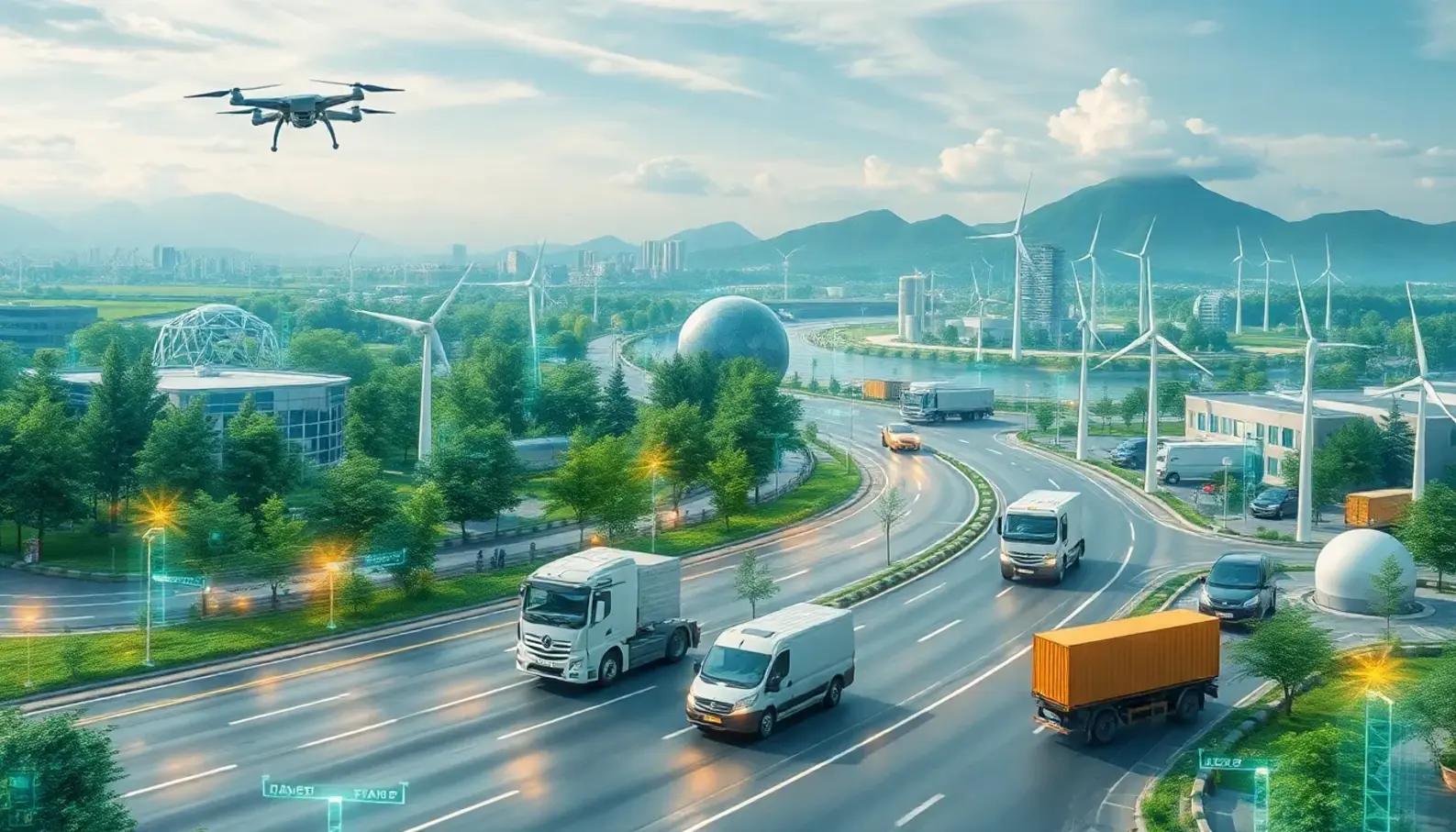
The future supply chain landscape will be profoundly influenced by advancements in artificial intelligence. As AI evolves, it will revolutionize the way supply chains are managed and optimized. Entrepreneurs and innovators must prioritize agility and preparedness to harness these changes effectively. Key trends in AI, like predictive analytics, machine learning, and blockchain integration, are set to drive supply chain innovation.
Predictive analytics stands at the forefront of future supply chain management. This AI technology enables companies to forecast demand trends and optimize inventory levels with greater accuracy. By analyzing historical data and detecting patterns, predictive models can anticipate market changes and consumer behaviors. This ensures inventory is precisely aligned with demand, minimizing waste and maximizing efficiency. Supply chain leaders must invest in tools and expertise to employ predictive analytics effectively.
Machine learning applications, particularly in process automation and risk assessment, are transforming supply chains. Algorithms can learn from vast datasets, identifying procedural inefficiencies or potential disruptions. By automating repetitive tasks, companies can reduce human error, increase efficiency, and repurpose human resources to focus on strategic initiatives. For entrepreneurs, building a workforce skilled in data science and machine learning is imperative to remain competitive.
Blockchain technology is poised to add transparency and security to the supply chain. With decentralized ledgers, transactions become traceable and verifiable without the need for intermediaries. This reduces fraud, enhances accountability, and builds consumer trust. Entrepreneurs must be prepared to integrate blockchain solutions into their operations, understanding its implications on data privacy and operational transparency.
As AI technologies progress, potential disruptions must be considered. Supply chain systems equipped with AI will require robust cybersecurity measures. The threat of cyberattacks targeting AI algorithms underscores the need for stringent data protection protocols. Vigilant monitoring and employing AI in cybersecurity defenses can mitigate these threats. Entrepreneurs must stay abreast of ethical considerations, ensuring AI practices align with legal and societal norms.
Sustainability will be a driving force in future supply chain strategies. AI can significantly contribute by optimizing resource use and reducing environmental impact. For instance, AI can design distribution routes that minimize fuel consumption and emissions, aiding in the pursuit of carbon neutrality. Commitment to sustainable practices not only benefits the planet but also meets consumer expectations, which increasingly favor environmentally responsible companies.
Ethical AI is another cornerstone of the future supply chain landscape. Algorithms must be transparent, unbiased, and designed respecting human values. Ethical AI involves careful consideration of data collection, algorithmic biases, and the societal impacts of AI-driven decisions. Entrepreneurs should cultivate a culture where ethical AI practices are paramount, fostering trust and compliance with international standards.
Continuous learning is essential for adopting AI technologies successfully. The dynamic nature of AI demands that businesses stay informed of the latest advancements and potential applications in their industry. Building a culture of innovation and investing in employee education ensures readiness for technological shifts. Collaborative learning environments and partnerships with AI experts can offer businesses strategic insights and a competitive edge.
For entrepreneurs seeking to capitalize on AI opportunities, forming strategic partnerships in innovation ecosystems is vital. Collaborations can facilitate access to cutting-edge AI research and resources, amplifying capabilities in supply chain management. In addition, participating in forums focused on AI ethics and policies can position businesses as leaders in responsible AI utilization.
AI-driven supply chains hold the promise of enhanced efficiency, sustainability, and innovation. Entrepreneurs who embrace these technologies, anchored by ethical principles and a commitment to continuous education, will navigate future challenges successfully. They will emerge as trailblazers in an evolving landscape, capitalizing on the unprecedented opportunities AI offers in supply chain development.
For further insights into AI’s transformative role across various fields, explore AI in Business Growth.
Final words
The adoption of AI in supply chain development is not just a technological upgrade, but a critical move towards greater efficiency, sustainability, and innovation. By leveraging the capabilities of AI, entrepreneurs can unlock new avenues for growth and resilience. As anticipation builds for future advancements, embracing these technologies will be essential for remaining competitive in an evolving marketplace. Equip your business to thrive in an AI-enhanced supply chain era.
Schedule a Consultation
Learn more: https://innoupdates.com
About us
Our company offers cutting-edge technological consulting services, including AI integration for supply chain optimization. We provide tailored strategies that enable businesses to enhance operational efficiency, leverage predictive analytics, and foster sustainable practices in line with emerging market trends.