The integration of artificial intelligence in supply chain analytics revolutionizes how businesses manage logistics, inventory, and resources. By leveraging data-driven insights, organizations can attain unprecedented efficiencies, predict demand more accurately, and streamline operations. The evolving landscape necessitates managers and administrators to adapt and meet new challenges head-on, transforming data into actionable strategies. This exploration highlights key applications of AI in supply chains, equipping decision-makers with the tools to enhance operations and drive improvements across the board.
Understanding Supply Chain Dynamics with AI
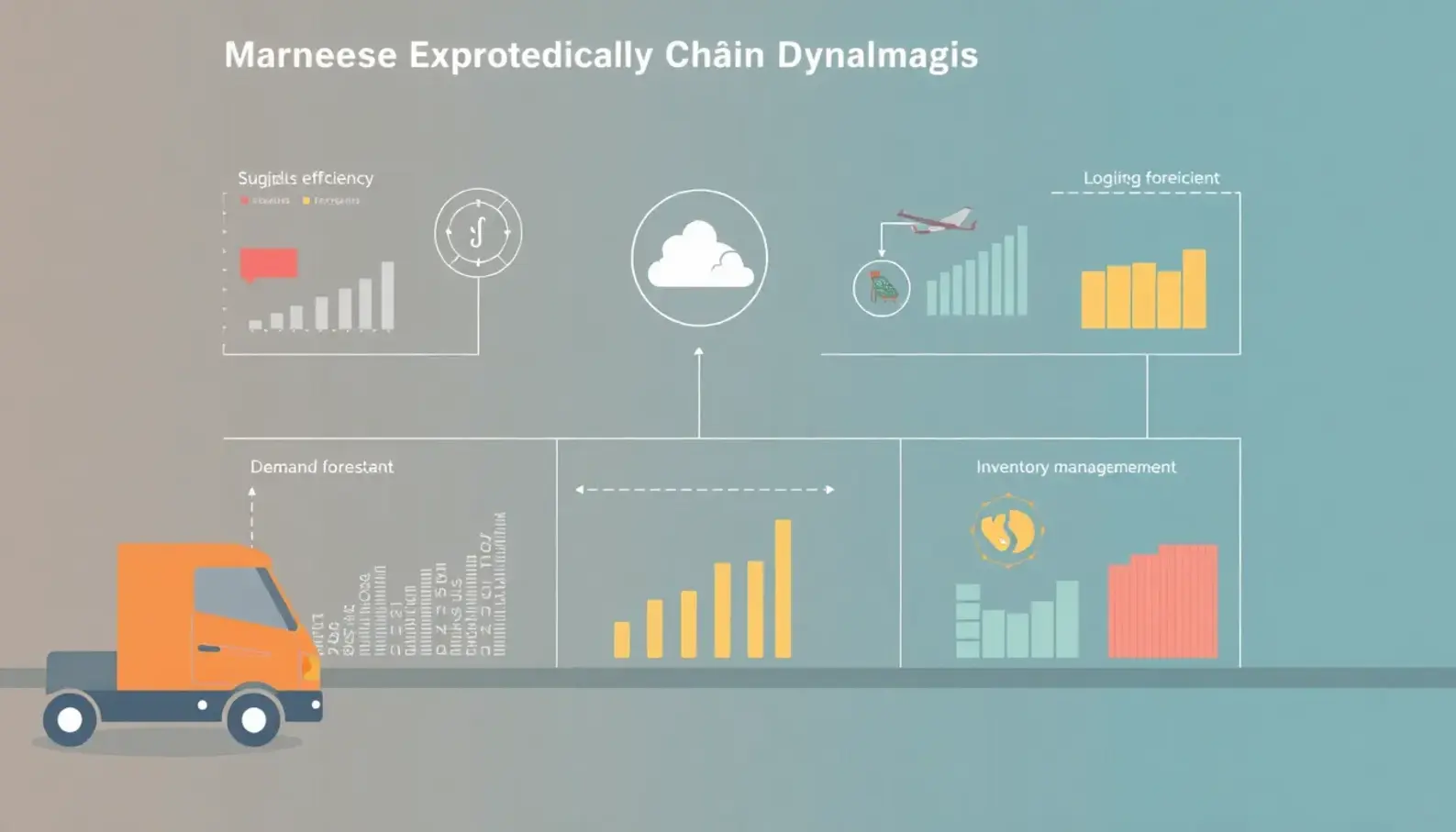
Supply chain management has always revolved around managing logistics, forecasting demand, and optimizing operations. With the integration of artificial intelligence, these processes are evolving, becoming significantly more agile and adaptive. AI technologies are enhancing data analytics, allowing supply chains to process information from various sources, delivering nuanced insights that support better decision-making.
AI algorithms in logistics and inventory management break down complex datasets and identify patterns to improve efficiency. Demand forecasting uses machine learning models to analyze historical data alongside real-time data, such as market trends and consumer behavior. This approach allows businesses to predict future demand more accurately, minimizing overproduction and reducing inventory costs. For example, advanced predictive modeling enables supermarkets to fine-tune their stock levels based on weather forecasts or upcoming holidays, effectively preventing excess stock and reducing waste.
Incorporating AI into supply chain operations can be seen in various successful case studies. One such case involves a multinational company that used AI-driven analytics to enhance its supply chain visibility. By implementing AI, the company achieved a more cohesive view of its supply network, from production lines to final delivery. This transparency facilitated quicker responses to disruptions, smoothing out bottlenecks and ultimately lowering operational costs.
Real-time analytics presents another significant benefit of AI in supply chain management. AI systems can provide valuable insights into the current state of the supply chain, enabling managers to quickly identify and address inefficiencies. For instance, real-time tracking allows for the monitoring of shipments, flagging potential delays before they occur and enabling managers to arrange alternative routes or transport means to keep the deliveries on schedule.
Predictive modeling is transforming how supply chains react to market conditions. It allows managers to simulate various scenarios, explore outcomes, and make data-driven decisions. These models have proven beneficial in preemptive planning, such as risk management, where AI anticipates equipment failures or logistical mishaps. By leveraging predictive insights, companies can implement maintenance solutions or divert resources ahead of time, reducing downtime and maintaining operational fluidity.
Advanced machine learning techniques play a pivotal role in developing an adaptive supply chain system. Reinforcement learning, a subset of machine learning, contributes to dynamic supply chain adjustments. Such techniques enable supply chains to react to sudden market changes, such as demand spikes or international trade shifts, by autonomously altering production schedules and distribution plans.
Through deep learning algorithms, supply chains can improve not only speed but also reliability and responsiveness. These algorithms identify hidden correlations in data, providing significant insights that may not be obvious. This capability is critical for companies aiming to remain competitive in an environment where customer expectations constantly evolve. By harnessing these insights, businesses can offer more personalized customer experiences, fostering loyalty and boosting revenue.
While AI revolutionizes supply chain management, it is crucial to remember that successful implementation requires substantial investment in infrastructure and talent. Organizations must integrate AI into their existing systems seamlessly, ensuring that employees are trained to leverage these tools effectively.
Furthermore, companies must navigate ethical considerations, as AI systems should operate transparently and fairly, without bias encroaching on decision-making processes. Ethically designed AI systems bolster trust, which is crucial when dealing with vast networks of suppliers, partners, and consumers.
For those interested in exploring more about how AI impacts various industries, including logistics, examining the role of autonomous drones in logistics is a particularly relevant deep dive. These innovations highlight AI’s expanding role in transforming operational efficiency and enhancing supply chain dynamics.
In conclusion, AI is a powerful tool for understanding and optimizing supply chain dynamics. By providing enhanced data analysis and insights, AI allows businesses to anticipate issues, reduce inefficiencies, and drive performance. The adoption of these technologies is setting new industry standards and offering unprecedented opportunities for innovation in supply chain management.
Challenges and Strategies for AI Implementation
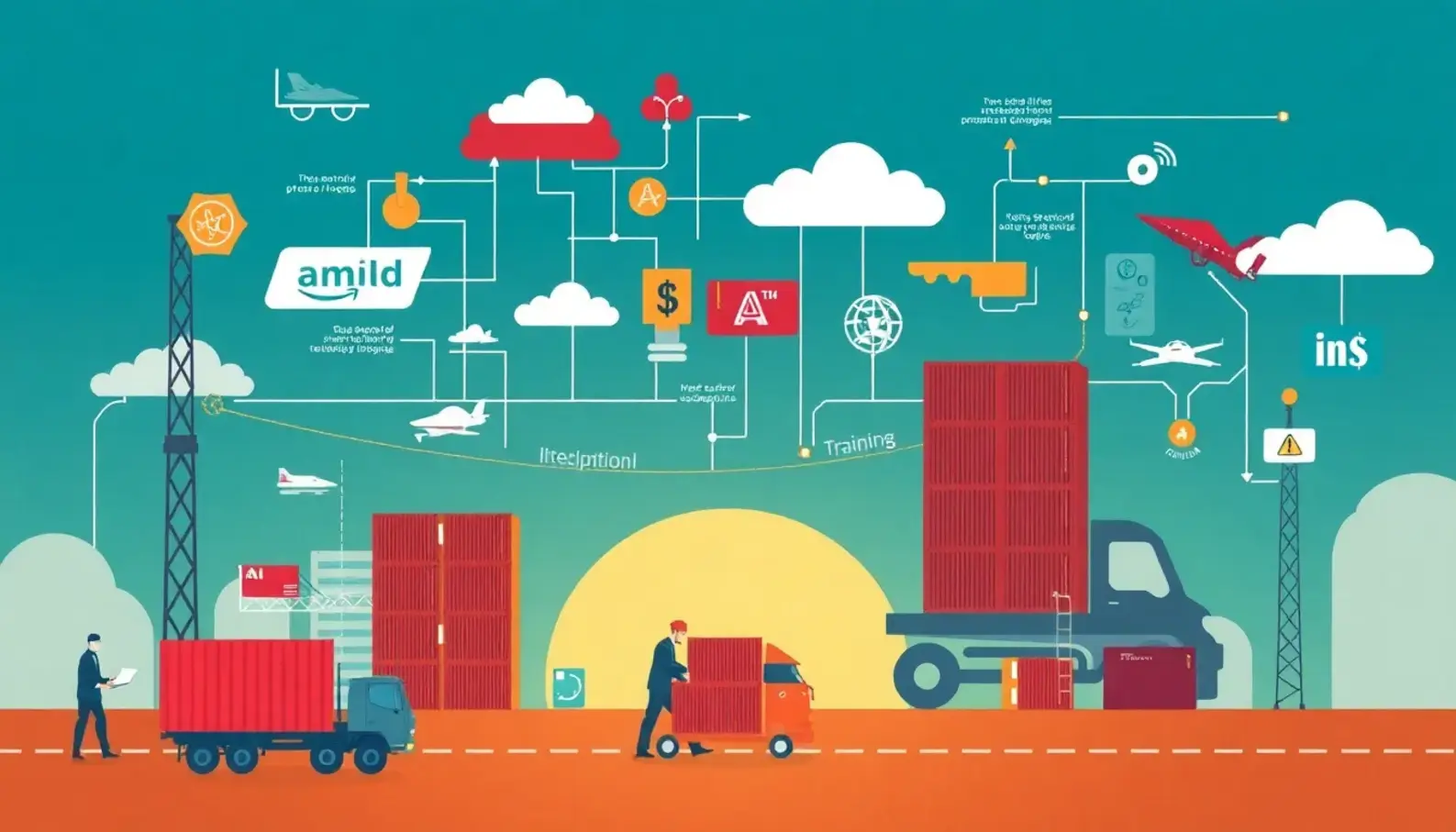
The integration of AI in supply chain analytics, although promising, is fraught with challenges. One primary hurdle is data silos. Data often resides in isolated systems, hindering seamless AI application. To address this, organizations should prioritize data integration strategies. Consolidation tools that enable data flow between disparate systems prove essential. Additionally, employing a robust data governance framework ensures data quality and accessibility across the supply chain.
Another significant challenge is the technological gap within organizations. Often, legacy systems are not equipped to handle modern AI applications. Upgrading these systems requires financial investment and strategic planning. Employing a phased approach to technology updates, coupled with scalable AI solutions, can mitigate disruptions while enhancing capabilities.
Resistance to change is a common impediment in AI adoption. Employees may fear job displacement or find AI processes intimidating. Addressing these concerns through transparent communication and empathy is vital. Highlighting AI’s potential to augment rather than replace human efforts can help ease fears and build acceptance.
Cultivating a data-driven culture is crucial. Organizations should focus on embedding data-centric decision-making into their ethos. This involves regular training sessions that impart skills in data analytics and AI understanding. Encouraging cross-functional teams to collaborate fosters a holistic approach, aligning diverse expertise towards common objectives.
Training and fostering collaboration between IT and operations is pivotal. Creating interdisciplinary teams where IT professionals work with supply chain operators helps ensure AI applications are both technologically sound and operationally effective. Continuous skill development programs in AI technologies keep teams updated, enhancing their ability to wield AI tools effectively.
The significance of continuous learning and improvement cannot be overstated. As AI technology evolves rapidly, staying abreast of new developments is crucial. Organizations can maintain competitive advantages by fostering innovation and being adaptable to new tools and methodologies. Implementing feedback loops and iterative improvement cycles ensures AI systems keep pace with changing demands and technological advancements.
Organizations must also leverage external expertise. Partnering with AI specialists and consultants can introduce fresh perspectives and cutting-edge solutions, ensuring the technology is utilized optimally. Regularly reviewing AI application results with a critical approach fosters an environment of continuous enhancement, essential for sustaining competitive momentum.
For the full realization of AI’s potential, adapting to technological landscapes through robust strategies and a focus on culture is imperative. Embedding a spirit of collaboration, continuous learning, and data-driven decision-making lays the foundation for a resilient, future-ready supply chain. Explore further discussions on AI in business growth, including AI-in-law and ethics around adaptive technology through resources like AI in Business Growth.
The Future of AI in Supply Chain Analytics
The integration of AI within supply chain analytics is set to redefine the competitive landscape significantly. In a future driven by sophisticated technologies like blockchain, IoT, and advanced robotics, AI will not only transform how data is analyzed but also how it is leveraged to make preemptive decisions. Emerging technologies are converging to create a robust ecosystem that spans logistics, procurement, inventory management, and beyond.
Blockchain offers a decentralized approach to data handling, assuring transparency, and enhancing trust across supply networks. It enables secure, immutable record-keeping that AI can harness to optimize traceability and automate verification processes. As supply chains become increasingly global and complex, blockchain, when combined with AI, can simplify compliance management by promptly identifying discrepancies and suggesting corrective actions.
The Internet of Things (IoT) is another transformative technology amplifying AI’s power in supply chains. Real-time data collection through IoT devices facilitates enhanced visibility across the supply pipeline. As IoT sensors proliferate, AI can quickly sift through the amassed information to identify patterns, predict demand shifts, and determine predictive maintenance schedules for machinery. This anticipatory capability could drastically reduce downtime and enhance operational efficiency.
Advanced robotics is revolutionizing logistics and warehouse operations. Robots equipped with AI capabilities are not just performing repetitive tasks but are starting to manage complex decisions autonomously. They adjust workflows in response to real-time data, adapt to issues as they arise, and ensure optimal use of resources. In sorting centers, these intelligent robots could enable a seamless flow of goods, reducing bottlenecks, and enhancing throughput.
AI-driven efficiencies in supply chain analytics promise a shift from reactive to proactive management. Predictive analytics can foresee demand trends, allowing companies to tune their operations to align supply with demand efficiently. AI models learn from historical data, refining their forecasts and helping reduce waste by aligning stock levels with anticipated demand precisely.
Sustainability concerns are mounting, and AI promises to aid supply chains in minimizing their environmental impact. More efficient logistics routes, predictive asset management, and optimized inventory levels contribute to lowering emissions and conserving resources. By leveraging AI capabilities, companies can pinpoint inefficiencies and introduce greener logistics practices, paving the way for a more sustainable global trade ecosystem.
To thrive amidst these advancements, future supply chain professionals need to develop a comprehensive skill set. Proficiency in AI and machine learning is becoming indispensable as these technologies underpin strategic decision-making processes. Understanding blockchain and IoT will be crucial in designing and managing integrated digital supply networks. Additionally, skills in data analysis, programming, and systems thinking will enable professionals to derive actionable insights from complex datasets and optimize supply chain performance.
As supply chain analytics continues to evolve with AI’s evolution, companies must invest in training and infrastructure to remain competitive. Those who embrace these technologies early will find themselves at the forefront of an industry poised for a revolution, setting new standards for efficiency, sustainability, and adaptability.
Final words
As AI continues to reshape the supply chain landscape, organizations that harness its capabilities will stand out in an increasingly competitive market. Understanding the dynamics of AI applications, tackling implementation challenges, and preparing for future innovations will empower managers and administrators to optimize their supply chain operations effectively. The journey towards achieving data-driven excellence starts now. Embracing AI is not just an option; it’s a strategic necessity for sustainability and growth.
Book a Demo
Learn more: https://innoupdates.com
About us
Our company provides cutting-edge AI solutions focusing on supply chain analytics, helping businesses optimize logistics, enhance forecasting accuracy, and streamline operations. With a suite of intelligent tools and actionable insights, we enable managers and administrators to make data-driven decisions that improve efficiencies and drive sustainable growth. Partner with us to leverage AI technologies, turning challenges into opportunities for innovation and excellence in your supply chain.