
Artificial Intelligence is redefining supply chain management, ushering in enhanced efficiency and decision-making capabilities. By integrating AI technologies, professionals can predict demand, streamline processes, and reduce costs effectively. With tools such as machine learning algorithms and data analytics, organizations can optimize inventory levels, improve logistics management, and enhance customer satisfaction. As demand grows for real-time insights and flexibility in operations, AI becomes not just an option but a necessity. This shift is prompting supply chain specialists and developers to collaboratively design solutions that marry innovative technology with practical supply chain needs, paving the way for a more agile and responsive ecosystem.
AI’s Role in Demand Forecasting
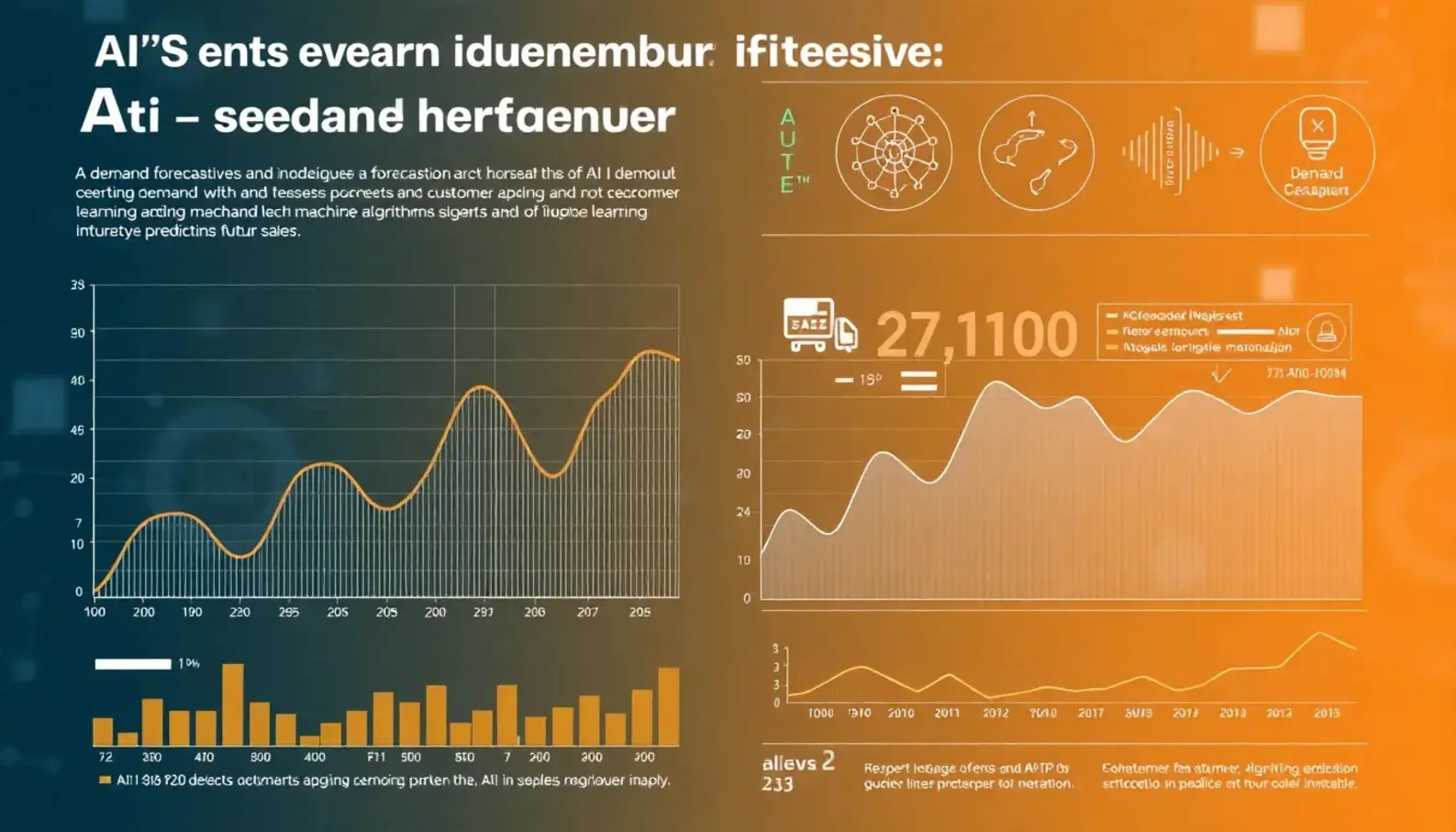
In the intricate dance of supply chain management, demand forecasting sets the rhythm. The emergence of AI as a pivotal tool in this realm has revolutionized the way businesses anticipate future demands. By leveraging predictive analytics and machine learning, companies can now make informed decisions with unprecedented accuracy.
Predictive analytics involves using historical data to predict future outcomes, employing techniques such as regression analysis, time series analysis, and other statistical methods. AI elevates this approach by integrating machine learning algorithms, which can identify complex patterns and variables often missed by traditional models. For instance, machine learning models automatically adjust to incorporate new data, continuously refining their accuracy.
Machine learning extends its utility by classifying vast datasets into recognizable patterns, decoding customer behaviors, and interpreting trends. Through the adoption of deep learning models, which mimic human brain processes, businesses can unravel nuanced patterns within consumer demand. Such capabilities transform demand forecasting from a static, often reactive process, into a dynamic and proactive strategy.
The impact of AI-enhanced demand forecasting on inventory management is profound. Accurate demand predictions mean inventory levels can be optimized to closely align with actual demand, reducing both overstock scenarios and stockouts. This balance minimizes storage costs and reduces the risk of obsolete inventory, directly influencing company profitability.
Additionally, precise forecasting contributes significantly to cost savings. With better demand visibility, companies can optimize procurement schedules, negotiate better terms with suppliers, and effectively plan logistics to minimize transportation costs. Such streamlining of operations ensures a leaner supply chain, where resources are allocated efficiently.
Customer satisfaction also benefits from these advances. When accurate demand forecasting helps maintain optimal inventory levels, customers are more likely to find the products they want, when they want them. This reliability fosters customer trust and loyalty, potentially increasing brand equity and market share.
Numerous companies have demonstrated the efficacy of AI-driven forecasting. Consider a global retailer that implemented machine learning for demand forecasting across its various product lines. By training models on large datasets that included transaction history, marketing campaign data, and third-party factors like economic indicators, this retailer achieved a 20% reduction in inventory holding costs. Moreover, they reported a 5% increase in sales, owing to improved stock availability and responsive replenishment strategies.
In another scenario, a multinational electronics firm adopted AI to manage its complex supply chain that spans continents. By deploying AI-driven demand forecasting tools, the company reduced forecasting errors by 30%, leading to an annual savings exceeding several million dollars in logistics and warehousing costs. The company noted a marked improvement in customer satisfaction ratings, attributed to increased product availability.
Such case studies reflect the measurable impact AI can have on a company’s bottom line. The intelligent integration of AI in demand forecasting is no longer a futuristic vision but a present-day reality that reshapes supply chain dynamics. As more companies adopt these technologies, understanding and applying them effectively becomes crucial for maintaining competitive advantage.
For further exploration into how AI continues to transform various industries, consider reading about AI in Business Growth, where similar transformative impacts are discussed.
Optimizing Logistics Management Through AI
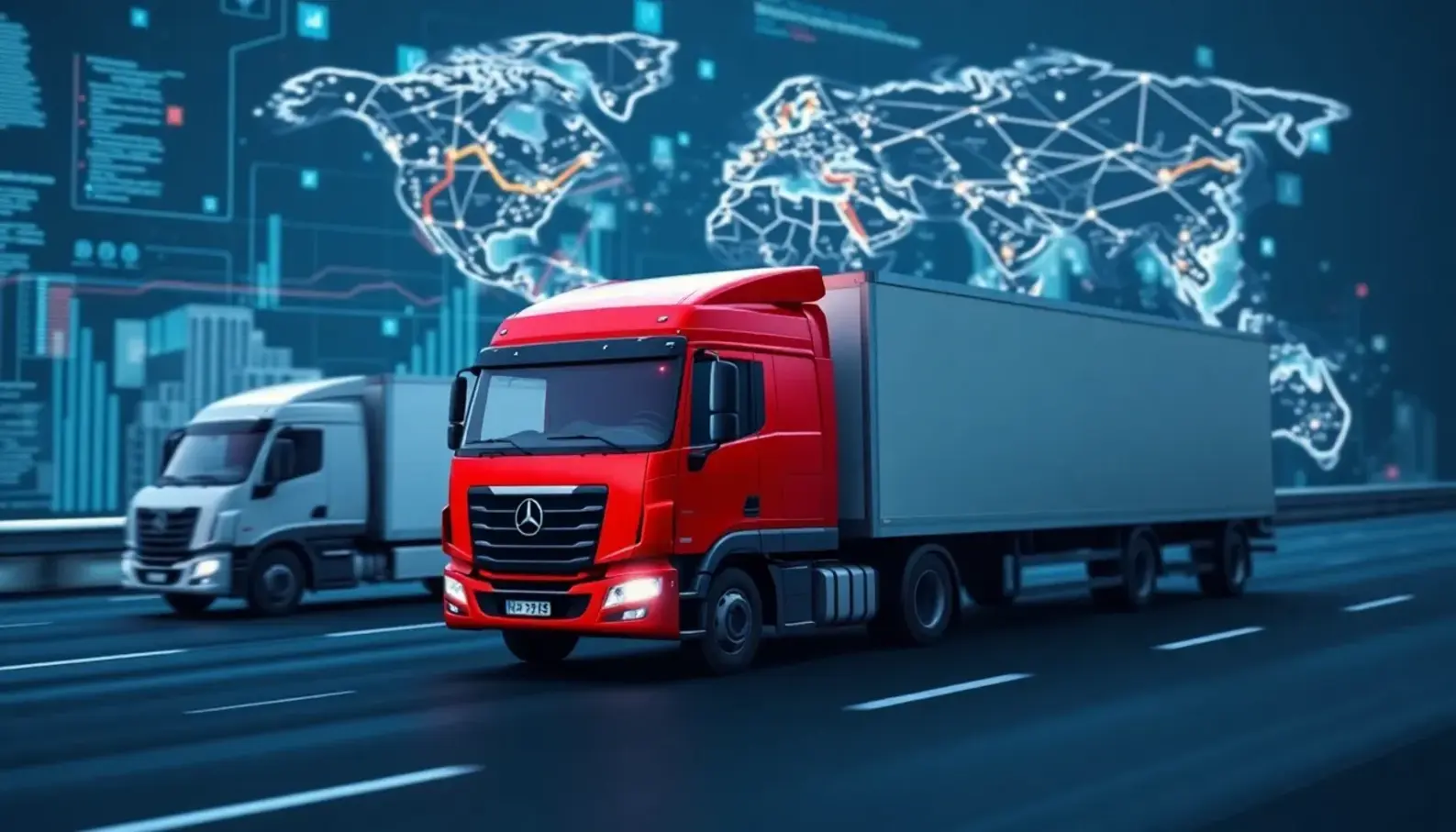
Artificial Intelligence (AI) is revolutionizing logistics management, providing unprecedented optimization and efficiency gains. By deploying AI, companies can tackle complexities in logistics operations such as route optimization, predictive maintenance, and inventory management. These innovations lead to reduced delivery times, improved tracking systems, and more efficient resource allocation.
Route optimization is a prime example of AI’s transformative potential. Through advanced algorithms, AI analyzes vast datasets to identify the most efficient delivery routes. This involves considering real-time traffic conditions, weather updates, and historical data to propose dynamic routing solutions. These algorithms often use methods such as genetic algorithms and reinforcement learning to adapt and optimize. For instance, genetic algorithms mimic natural selection processes by evaluating route permutations and iteratively enhancing route configurations. Meanwhile, reinforcement learning employs trial-and-error methods, rewarding efficient routes and penalizing ineffective ones, constantly refining route choices.
Integrating AI in existing systems requires seamless communication between AI algorithms and logistics software platforms. Many companies opt for creating Application Programming Interfaces (APIs) that allow seamless interaction between AI modules and operating systems. Cloud-based services further enhance scalability, ensuring real-time updates and analytics can be accessed from anywhere. As a result, AI-driven logistics uses less fuel, reduces delivery times, and minimizes operational costs.
Predictive maintenance represents another area where AI brings significant improvements. Through real-time analysis of sensor data from transport vehicles, AI identifies potential mechanical issues before they cause breakdowns. Machine learning models, trained on historical maintenance and failure data, predict when specific parts might fail, prompting timely maintenance. This proactive approach reduces the costly downtime associated with unexpected repairs and maximizes vehicle uptime.
One case study highlights a logistics company that adopted AI for vehicle maintenance. They implemented AI-powered predictive models that processed sensor data from hundreds of vehicles, drastically reducing unexpected breakdowns by 30%. This not only saved considerable costs on emergency repairs but also maintained delivery schedules reliability, enhancing customer satisfaction.
Inventory management is also experiencing a transformation due to AI. Traditional inventory systems often struggle with real-time demand fluctuations and supply chain uncertainties. However, AI-powered demand forecasting models, which analyze market trends and consumer behavior patterns, enable more accurate inventory predictions. By aligning inventory levels with predicted customer demand, businesses can reduce excess stock and minimize stockouts.
A notable example involves a retail chain that integrated AI into its inventory management system. They used neural networks to forecast demand, adjusting inventory across various locations dynamically. This led to a 20% reduction in excess inventory, ensuring shelves were stocked efficiently while minimizing waste and storage costs.
Enhanced tracking capabilities have further positioned AI as a critical logistics tool. By integrating AI systems with GPS and IoT devices, logistics companies offer precise package tracking and real-time updates. This integration not only boosts transparency but also empowers customers with accurate delivery estimates. Integrating machine learning models into tracking systems helps identify patterns in delivery times and optimize future scheduling.
Additionally, AI supports more efficient resource allocation by analyzing operational inefficiencies and identifying optimization opportunities. For example, AI models can suggest optimal warehouse layouts or packaging techniques that enhance space utilization and reduce handling times. This can lead to significant cost savings, especially for companies operating large-scale logistics operations.
For readers interested in further exploring AI in logistics, autonomous drones are emerging as a groundbreaking solution. These drones, powered by AI, promise to further streamline last-mile deliveries and enhance operational efficiency. Readers can read more about this evolving technology here.
In summary, AI equips logistics managers with powerful tools to optimize routes, predict vehicle maintenance needs, manage inventory, and allocate resources efficiently. By integrating these AI technologies with existing systems, logistics operations become not only more efficient but also more resilient to fluctuations and unforeseen challenges. Through concrete case studies and technical insights, it’s clear that AI is a linchpin in building agile, responsive, and cost-effective logistics ecosystems.
Enhancing Customer Experience with AI in Supply Chains

Artificial Intelligence is rapidly redefining how businesses interact with customers in supply chain operations. One of the most significant transformations is witnessed through AI-powered chatbots in customer service. By automating responses and providing 24/7 support, these virtual assistants enhance user engagement. Chatbots cater to inquiries ranging from product information to order status. They offer quick resolutions, reducing the wait time to virtually zero, thus ensuring that customers get immediate assistance without the frustration of long hold times on the phone.
Implementing chatbots requires a strategic approach. Businesses must train these bots using a comprehensive dataset that encompasses all potential customer queries. Regular updates and learning modules are essential for improving the bot’s relevance and understanding. Additionally, allowing for seamless transition to human agents for complex issues ensures that customers always receive the necessary support.
Alongside chatbots, AI facilitates personalized recommendations by analyzing purchase history. Algorithms assess previous consumer behavior, identifying patterns and preferences to suggest products that align with customer interests. This individualization fosters a deeper connection with the brand, making customers feel understood and valued. A best practice when implementing this is to continually refine algorithms to adapt to changing trends and customer feedback. Transparency in how data is used builds trust, essential for maintaining customer loyalty.
Real-time delivery updates are another area where AI enhances customer experience. Customers can track their orders accurately and receive updates about any delays, promoting transparency and trust. AI-driven logistics platforms can predict potential disruptions and communicate them with alternative solutions. For instance, if weather conditions delay a shipment, AI can alert customers and potentially re-route the logistics chain for a faster delivery.
The integration of AI into these areas of supply chain operations not only satisfies customers but also generates loyalty. Customers appreciate the efficiency and personalized touch that AI offers, leading to increased repeat business. Innovation within the supply chain, when leveraged correctly, creates a competitive advantage.
Examining customer feedback is crucial for continuous improvement. Surveys and reviews can provide insights into areas where AI can be further optimized. Case studies across various industries showcase a significant improvement in engagement and satisfaction rates post-AI implementation. Businesses that have adopted AI report increased customer retention and positive sales growth.
One notable case involves a global e-commerce retailer witnessing a 15% increase in satisfaction scores after implementing AI-powered solutions for customer service and delivery tracking. Another example is a fashion retailer leveraging AI for personalized recommendations, which resulted in a 30% increase in cross-sales. These examples highlight the tangible benefits a well-executed AI strategy can yield in the supply chain.
For those interested in exploring broader AI utilization in logistics, a deeper dive into autonomous drones in logistics highlights the impressive capabilities of AI to overhaul traditional methods.
The necessary changes to incorporate AI into supply chains are both technological and cultural. Organizations need to build a data-centric culture that supports the ongoing development of AI tools. Investing in training and development ensures that teams are equipped to leverage AI effectively.
In conclusion, embedding AI deeply in supply chain support operations significantly elevates customer experience. Through strategic implementation of chatbots, personalized recommendations, and real-time tracking, businesses can meet and exceed modern customer expectations, nurturing loyalty and satisfaction in an increasingly digital age.
Final words
The integration of AI in supply chain support marks a pivotal advancement for the industry, effectively reshaping traditional methodologies in demand forecasting, logistics management, and customer interactions. As these technologies continue to evolve, their capacity to drive operational efficiency and improve customer satisfaction will only grow. For specialists and developers, embracing these AI innovations not only addresses current challenges but also positions organizations at the forefront of competitive advantage. The journey towards a smarter supply chain has only just begun, and the potential is vast.
Stay ahead in the world of AI in supply chain support. Subscribe for updates!
Learn more: https://innoupdates.com
About us
Our company provides industry-leading AI solutions tailored for supply chain management, including AI-driven analytics, logistics optimization tools, and customer engagement systems. Keep your operations agile and efficient with our comprehensive offerings.