
AI’s impact on supply chain forecasting is profound, reshaping traditional methodologies. The enhancement of predictive accuracy through AI technologies allows businesses to respond more efficiently to market changes. This article delves into how AI algorithms, data analytics, and machine learning are revolutionizing forecasting practices, offering researchers and analysts insight into the future of supply chain management.
The Role of AI in Supply Chain Forecasting

Artificial Intelligence (AI) has redefined the landscape of supply chain forecasting through the unparalleled precision and insight it offers. Supply chains, being inherently complex and dynamic, benefit remarkably from AI-driven solutions that address unpredictable variables, global scale, and real-time demands. Machine learning algorithms, a subset of AI, empower forecasting models with the capability to learn from vast datasets and improve over time, leading to more accurate predictions and strategic decision-making.
Machine learning algorithms enhance traditional forecasting methods by reducing reliance on historical data alone, instead utilizing pattern recognition capabilities to detect trends and anomalies in real-time. Unlike static models that falter in the face of unprecedented changes, dynamic AI models adapt to fluctuations, learning from newer datasets. This is particularly significant in sectors such as retail, where seasonal demand spikes can impact stock levels drastically. By analyzing consumer behavior, weather patterns, and social media sentiment, AI can predict trends that would otherwise elude human analysts.
In the manufacturing sector, AI integrates with Internet of Things (IoT) devices to monitor machinery and equipment in real-time. Predictive maintenance through AI prevents breakdowns by forecasting potential failures before they occur, thereby optimizing production schedules and minimizing downtime. Companies can leverage machine learning to understand equipment life cycles and schedule maintenance proactively, ensuring smooth operations and enhancing supply chain resilience.
The role of AI in logistics exemplifies its transformative impact. Autonomous drones and robotic delivery systems, informed by AI forecasting models, streamline last-mile delivery and enhance distribution efficiency. AI optimizes routes, predicts delivery times, and monitors traffic conditions, facilitating seamless logistics operations. This not only reduces costs but also improves customer satisfaction through timely deliveries. The logistics sector’s integration of AI aligns with innovations in autonomous drones logistics, where continuous assessment of routes and schedules enhances flexibility and reliability.
Big data analytics, coupled with AI, plays a crucial role in making sense of the enormous amounts of data generated within supply chains. From supplier performance metrics to inventory levels and market demand, the integration of AI facilitates effective data analysis. By providing actionable insights, AI-driven analytics guide strategic decisions, such as identifying the best suppliers, optimizing inventory levels, and forecasting demand accurately. This level of foresight and adaptability is unparalleled in traditional forecasting methods, often limited by their inability to process and analyze large datasets in an agile manner.
In the automotive industry, AI-driven supply chain forecasting is pivotal in managing the complex network of suppliers and production schedules. By predicting component demand and optimizing procurement processes, manufacturers can avoid costly production delays and ensure the timely delivery of vehicles. AI models assess factors such as economic indicators, geopolitical tensions, and raw material availability, which significantly impact supply chains. This holistic approach to forecasting leads to more accurate planning and efficient resource allocation.
The pharmaceutical sector also experiences substantial benefits from the integration of AI in supply chains, particularly in demand forecasting and inventory management. The sector’s dependency on timely and precise delivery of medicines calls for robust AI models that can predict demand surges and prevent stockouts or overstock situations. Machine learning algorithms analyze disease prevalence, vaccination rates, and demographic data, enabling pharmaceutical companies to maintain optimal inventory levels and improve patient outcomes.
AI’s impact on decision-making within supply chains is profound, providing decision-makers with the agility to respond to changes swiftly and effectively. By transforming raw data into clear, actionable insights, AI reduces uncertainty and enhances confidence in decision-making processes. Supply chain managers can make informed decisions regarding procurement, production, and distribution, aligned with predictive insights provided by AI models.
In conclusion, AI technologies enhance supply chain forecasting by delivering unmatched predictive power and analytical capabilities. The integration of machine learning algorithms and big data analysis transforms traditional forecasting methods, enabling businesses across various sectors to optimize operations and remain competitive in an evolving landscape. The continuous evolution of AI promises further advancements in supply chain efficiency and resilience, driving innovation and growth within the industry.
Implementing AI-Driven Forecasting Solutions
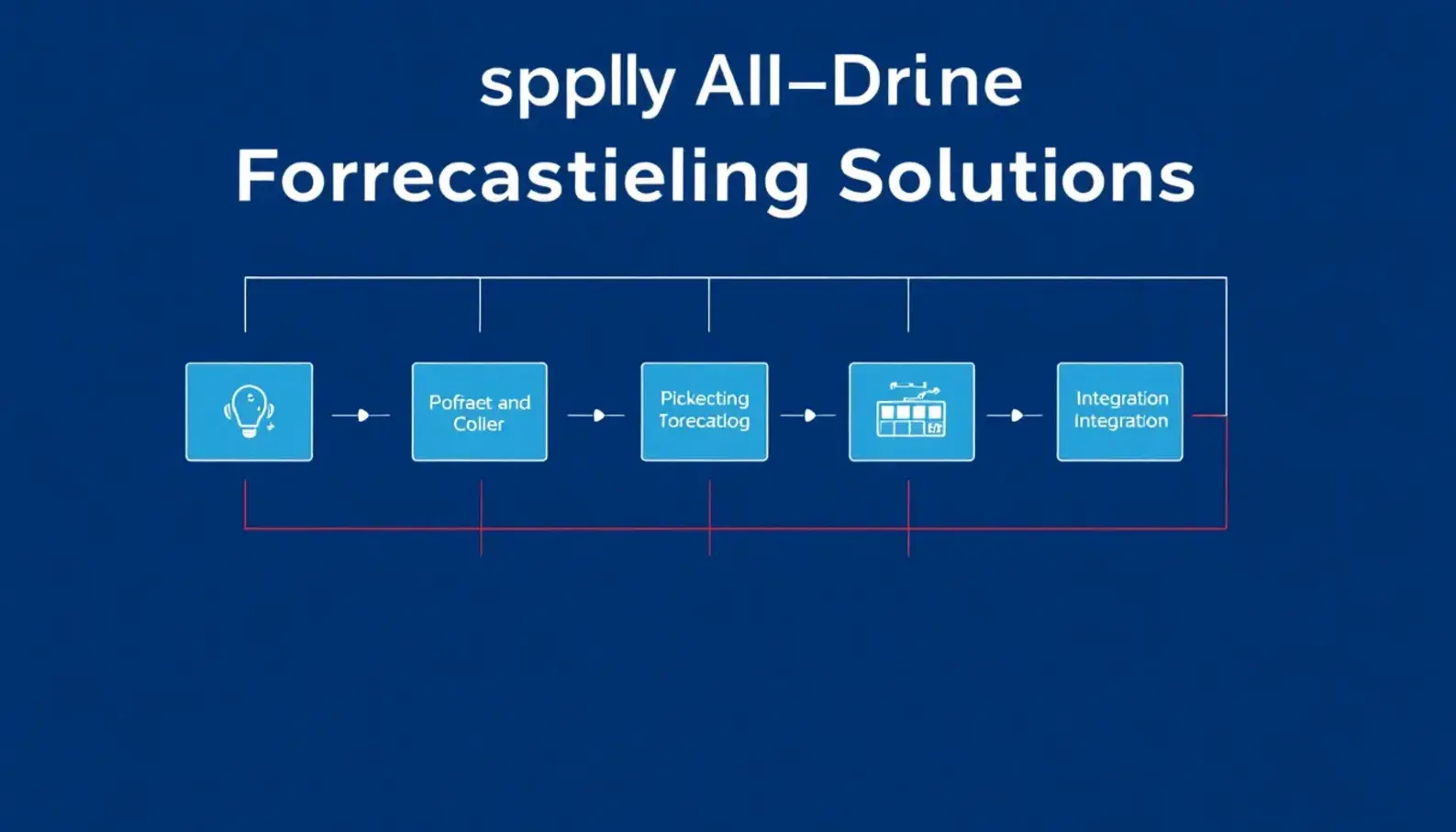
Integrating AI into supply chain forecasting requires meticulous planning and execution. To embark on this journey, one must first select the appropriate technology. The choice of technology hinges on the specific needs and characteristics of the supply chain in question. Consider factors such as the size of the data, the complexity of the supply chain, and the type of products or materials handled. The selected AI algorithms should align with these factors to deliver accurate forecasting results.
Choosing the right technology begins with evaluating existing AI frameworks and platforms. Businesses need to assess the capabilities of machine learning models, neural networks, and other AI techniques. They should focus on models proven to handle large datasets and capable of learning from historical data. The flexibility to adapt and self-improve through machine learning is critical, as it enables the AI systems to fine-tune predictions over time.
Once the technology is selected, the next step involves data preparation and cleaning. An AI system is only as good as the data it ingests. Supply chain data is often disparate and messy, stemming from various sources within an organization. By employing data cleansing techniques and ensuring data quality, organizations can prevent erroneous predictions and improve the overall accuracy of the AI-driven forecasts.
However, the path to successful AI integration is not without challenges. One of the primary hurdles is the resistance from stakeholders accustomed to traditional forecasting methods. Overcoming this requires a strategic approach, involving education and demonstrating the potential of AI to improve efficiency and accuracy. Engagement with stakeholders throughout the integration process can foster buy-in and support for the AI initiatives.
Another common challenge is the technological learning curve associated with AI implementation. Organizations should invest in training their workforce to understand and effectively use AI tools. This includes familiarization with AI concepts, data handling, and interpreting AI-generated insights. Building an AI-literate workforce ensures smoother adoption and maximizes the benefits derived from AI technologies.
Various organizations have successfully integrated AI into their supply chain forecasts. For instance, a major global retailer revamped its inventory management by adopting machine learning algorithms. These AI-driven solutions identified patterns and trends in consumer demand that were previously overlooked. As a result, the retailer significantly reduced stockouts and overstock situations while optimizing overall inventory levels.
Measuring outcomes is crucial to understanding the impact of AI on supply chain forecasting. Key performance indicators (KPIs) such as forecast accuracy, inventory turnover rates, and order fill rates should be monitored closely. By tracking these metrics, organizations can gauge the effectiveness of AI-driven forecasting and identify areas for further enhancement.
The dynamic nature of supply chains necessitates continuous learning and adaptation within AI systems. Algorithms should be regularly updated with new data to refine their predictive capabilities. The incorporation of feedback loops, where AI systems learn from their prediction errors, is vital for ongoing improvement and accuracy.
Moreover, embracing AI in supply chain forecasting can open pathways to broader applications, leading to enhanced business growth. By leveraging the predictive power of AI, businesses can align their forecasting with broader strategic initiatives. To delve deeper into this synergy, a visit to AI in Business Growth Strategies could provide valuable insights.
This seamless integration and adaptability of AI-driven solutions empower supply chains to become more resilient, predictable, and efficient. As AI technologies continue to evolve, their application in supply chain forecasting will likely unlock new dimensions of operational excellence, driving organizations towards sustainable competitive advantages.
Final words
AI empowers businesses to enhance forecasting accuracy, enabling proactive strategies in supply chain management. By integrating data insights and machine learning, companies can streamline operations and build resilience against market volatility. As technology evolves, the potential for refining forecasting processes through AI remains vast.
Join our workshop to learn how to utilize AI for effective supply chain forecasting.
Learn more: https://innoupdates.com
About us
At InnoUpdates, we specialize in training professionals in AI technologies tailored for supply chain management. Our workshops focus on practical insights and the latest advancements, ensuring you stay ahead in the evolving landscape of supply chain forecasting.