The integration of artificial intelligence (AI) in supply chain investment is reshaping how businesses manage logistics, demand forecasting, and resource allocation. As organizations face increased pressure to optimize performance and minimize costs, AI emerges as a vital tool for enhancing visibility and responsiveness within supply chains. By employing intelligent algorithms and data analytics, businesses can make informed decisions that foster greater agility and reduce operational risks. This evolution not only improves productivity but also strengthens resilience in an increasingly unpredictable market. Understanding the role of AI in supply chain investment is essential for specialists and scientists aiming to leverage cutting-edge technologies to drive innovation and maintain competitiveness. Exploring the multifaceted applications of AI will unveil its capacity to streamline processes and enhance overall operational efficiency.
AI-Driven Demand Forecasting: Precision and Profitability
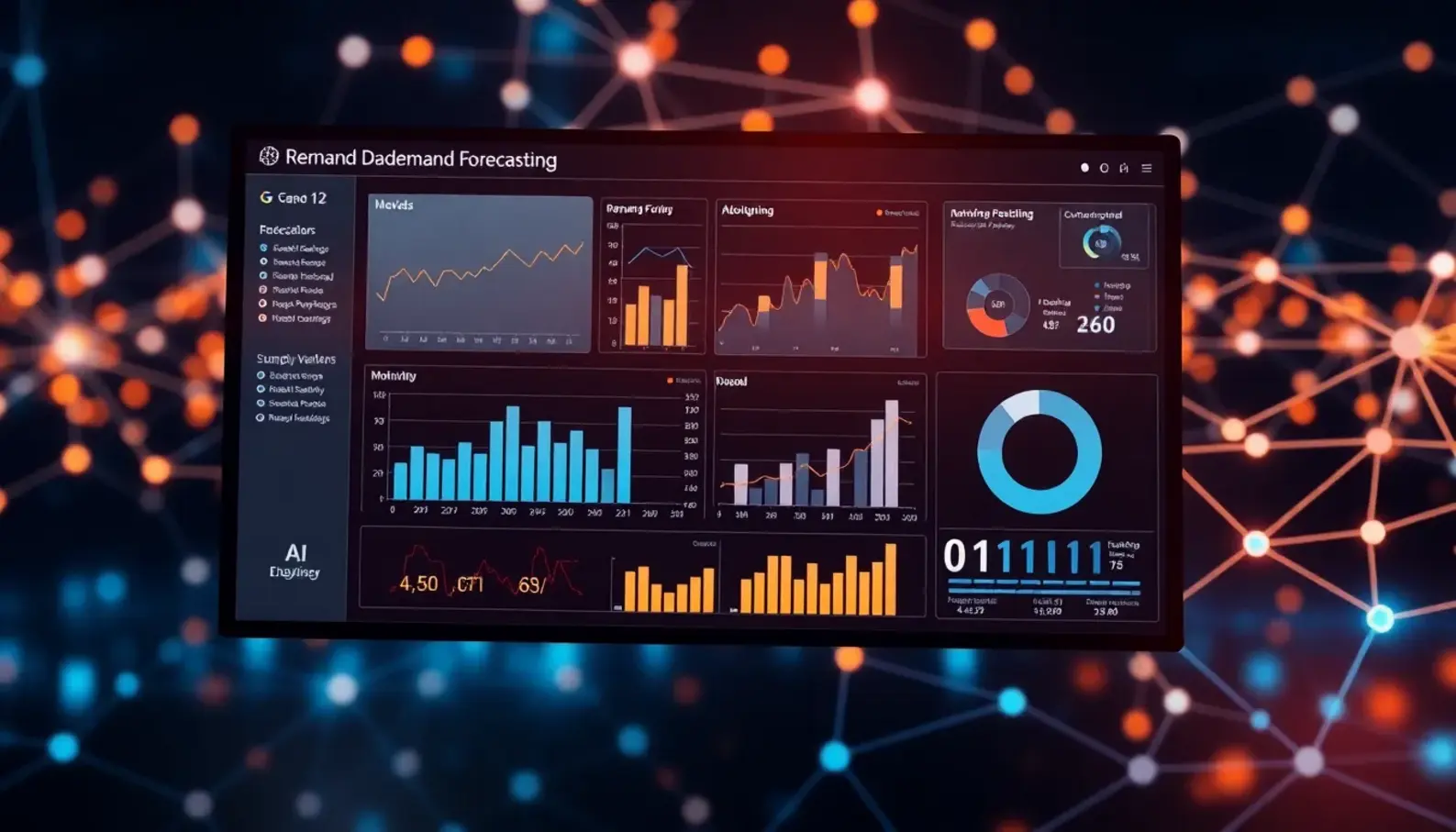
The transformation IT technology brings is reshaping the landscape of demand forecasting, allowing companies to harness precision and thus boost profitability. Utilizing machine learning algorithms, businesses now have the capability to sift through vast amounts of historical data, detecting intricate patterns and subtle market shifts that human analysis often overlooks.
Machine learning models, with their ability to continuously learn from new data, empower businesses to develop more robust demand forecasts. These models can process variables such as seasonality, economic indicators, and consumer preferences, crafting predictions that closely align with actual market behaviors. The result is a reduction in the common issues of stockouts and overstocking, optimizing both inventory levels and financial outcomes.
A prime example of this is a global retail giant that integrated AI-powered demand forecasting into its supply chain strategy. By leveraging sophisticated algorithms, the company successfully anticipated demand fluctuations, leading to a 20% reduction in excess inventory levels. The move also curtailed markdown-related losses, thereby enhancing overall profitability.
Moreover, AI-driven demand forecasting isn’t limited to managing inventories effectively. It supports strategic decisions regarding supply chain investments. By offering clearer insights into future demand, these forecasts can guide investments in new logistics infrastructure or technology upgrades with greater confidence and precision.
Another case study worth highlighting involves an electronics manufacturer. This company faced significant challenges in predicting demand due to rapid product obsolescence and fluctuating customer preferences. By adopting an AI-based forecasting approach, utilizing both machine learning and real-time data analytics, it managed to drastically lower the forecast error rate. This precision improved its production scheduling and inventory arrangements, which directly led to cost savings of millions annually.
The power of real-time data analytics lies in its ability to continuously update and refine predictive models. This dynamic approach allows businesses to respond promptly to emerging trends or unexpected market changes. For instance, during sudden spikes in demand, real-time analytics enable a supply chain to react swiftly, ensuring sufficient inventory to meet customer needs without unnecessary delays.
Supply chain managers can further enhance these models by integrating diverse data sources, including social media trends and economic forecasts, into their systems. This data fusion enriches the predictive capabilities of AI models, allowing for comprehensive insights into potential demand shifts. By acquiring instant market feedback, businesses can remain agile, adapt strategies in real-time, and make informed decisions quickly.
A key challenge is ensuring that AI-derived insights are actionable and understood by decision-makers. Hence, it is crucial to involve supply chain experts in developing these AI systems to ensure their outputs align with strategic goals. Training programs and collaborative sessions between AI specialists and supply chain managers can foster such integration.
Incorporating AI-driven forecasting tools into the supply chain is not merely a technological upgrade but a strategic initiative. It requires careful planning and execution, as well as an ongoing commitment to adapting to new developments in AI and data analytics. Companies that embrace this transformation enjoy not only enhanced forecasting precision but also improved resilience and readiness in the face of supply chain disruptions.
The ongoing developments in AI and related technologies suggest expansive potential for demand forecasting. Businesses across sectors are already exploring these avenues to maintain competitive advantages and ensure efficient operations amidst ever-changing market dynamics. As AI continues to evolve, its role in demand forecasting will become even more integral, marking a new era of strategic supply chain investments.
For a broader perspective on how AI is influencing various areas of business, see the discussion on AI in business growth here.
Optimizing Logistics through AI: Toward a Smarter Supply Chain
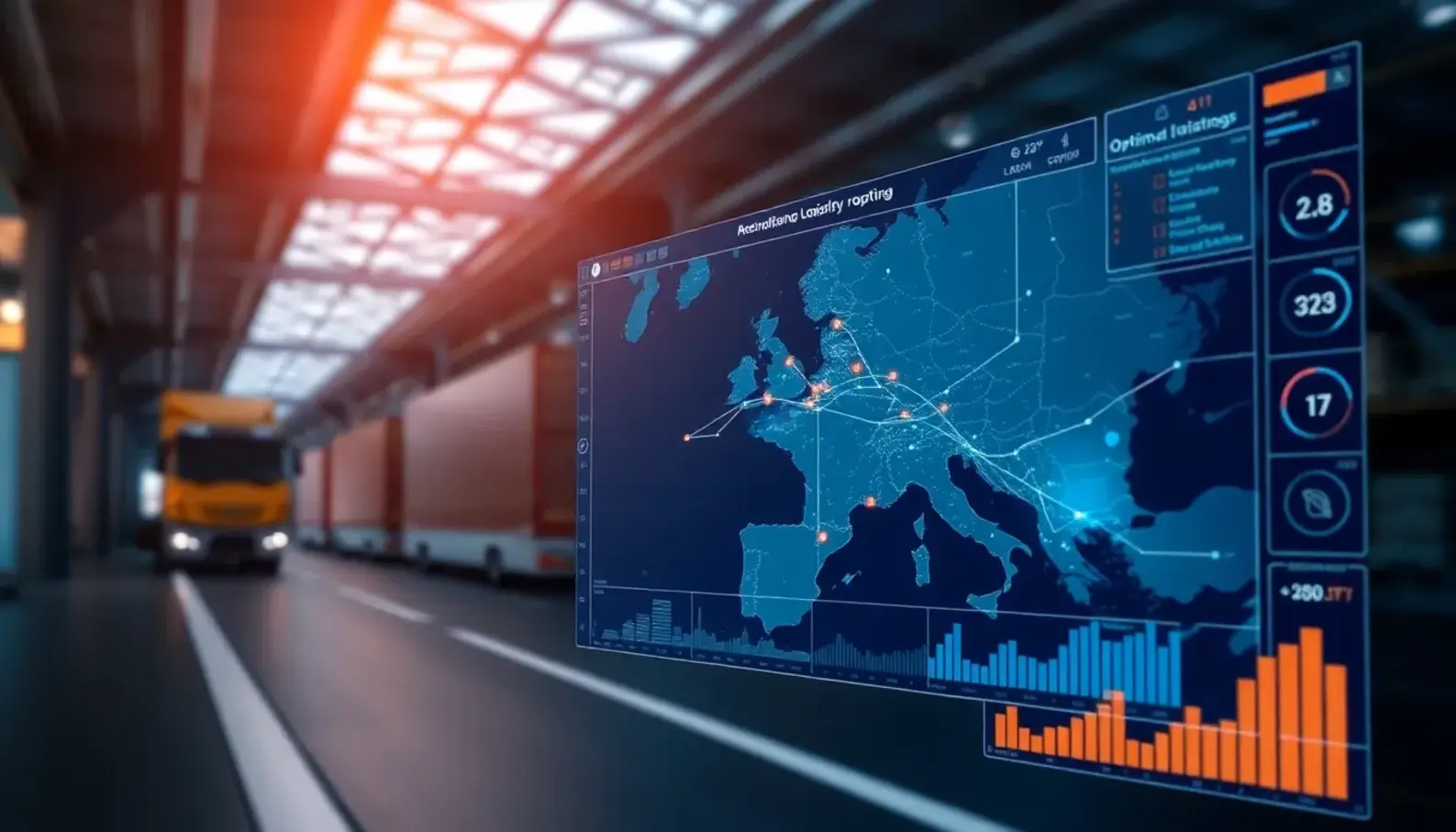
Artificial Intelligence (AI) continues to revolutionize logistics by introducing efficiencies unimaginable just a few years ago. Through intelligent algorithms and real-time data analysis, AI reshapes how goods are transported from manufacturers to consumers.
One primary area of impact is routing optimization. AI leverages complex algorithms to determine the most efficient routes for delivery. These algorithms digest vast amounts of data, including traffic patterns, weather conditions, and historical delivery performances, to suggest optimal paths. This leads to shorter transit times and reduced fuel consumption. A transportation management system enriched with AI can dynamically adjust routes, saving time and cost by avoiding unforeseen delays.
Transportation management is further enhanced by AI through real-time monitoring and prediction of delays. Sensors and IoT devices deployed across transportation networks feed a steady stream of data into AI systems that analyze and predict potential disruptions. These predictive capabilities enable logistics managers to make preemptive adjustments, mitigating the impact of delays on the supply chain.
Improvement in warehouse management through AI is another significant development. Automated systems streamline inventory tracking with unmatched precision. Traditional manual checks are inefficient and prone to error. AI, coupled with robotics, ensures inventories are counted and monitored in real-time, greatly reducing human error. This shift not only cuts labor costs but also accelerates order fulfillment, resulting in higher customer satisfaction.
The integration of AI in logistics is illustrated vividly by AI-enabled automated sorting systems. These systems use machine learning algorithms to classify and sort parcels at lightning speed, far outperforming manual sorting. They anticipate the demand for specific items in various regions, enabling logistics companies to position goods strategically across distribution centers.
With AI’s help, inventory management becomes more intelligent. AI systems predict purchasing trends based on historical sales data and real-time consumer behavior analysis. This ensures that warehouses are stocked adequately, yet not excessively, thus balancing inventory levels and reducing storage costs.
The impact of AI-enabled logistics solutions can be quantitatively measured through various metrics. For instance, delivery time has seen a reduction in AI-integrated supply chains, as smarter routing and predictive analytics minimize delays. In turn, cost per shipment has decreased, driven by optimized fuel consumption and labor efficiency.
Moreover, these advances culminate in reduced overall operational expenses. AI’s proactive maintenance scheduling based on the analysis of sensor data keeps fleets running smoothly, avoiding costly last-minute repairs.
Incorporating AI in logistics does not merely fine-tune processes; it also fosters resilience. The ability to adapt to unforeseen challenges with the support of predictive data analytics significantly reduces vulnerability to disruptions. AI allows logistics networks to become proactive, rather than reactive, thereby building a robust and resilient supply chain.
AI in Business Growth offers further insights into how AI technologies catalyze operational improvements across industries, affirming the broader potential of AI beyond logistics alone.
As logistics continue to evolve with AI, the industry moves closer to achieving a truly smart supply chain. The efficiencies gained not only enhance service delivery but also pave the way for groundbreaking innovations in the field.
Building Resilience: AI in Risk Management for Supply Chains

Modern supply chains face an array of risks, ranging from natural disasters to political upheavals. Hence, enhancing resilience through risk management is crucial. Artificial Intelligence (AI) plays an increasingly central role, particularly in predicting and mitigating these risks before they disrupt supply chain operations. By leveraging predictive analytics, AI can forecast potential disruptions, allowing companies to strategize proactively.
Predictive analytics combines historical data with machine learning algorithms to identify patterns and anomalies. Through AI, supply chain managers can anticipate supplier failures by examining past performance metrics and external factors like financial health or geographical constraints. For instance, a machine learning model could analyze historical data, current market trends, and predictive signals to foresee a supplier’s inability to deliver the required components. This data-driven foresight empowers companies to pivot swiftly, securing alternative suppliers or adjusting production schedules.
Market fluctuations present another significant challenge within supply chain risk management. AI-driven models continuously monitor market indicators, trade policies, and consumer demands, offering forecasts that help in adjusting inventory levels and pricing strategies. For example, if AI predicts an increased demand for certain products due to seasonal trends or emerging consumer preferences, companies can recalibrate their supply chain strategies accordingly, thereby minimizing excess inventory costs and optimizing resource allocation strategically.
Geopolitical tensions add further layers of complexity. Global supply chains are vulnerable to disruptions caused by shifts in trade regulations or diplomatic conflicts. AI systems can analyze political climates by sifting through vast datasets from news outlets, social media, and trade reports. These insights enable supply chains to assess potential risks emanating from geopolitical factors, affording them the opportunity to devise contingency plans. Such scenarios were evident during the recent global trade tensions, wherein companies with AI-backed insights managed to recalibrate their routes, prioritize agile suppliers, and minimize impact on their operations.
Scenario planning becomes indispensable in managing such risks. AI facilitates advanced simulations, modeling various disruption scenarios to produce reliable response strategies. By integrating comprehensive datasets and powerful computational models, AI assesses if-then scenarios reflecting potential risks and proposes optimized paths forward. Businesses can thus evaluate the potential impacts of a wide array of disturbances, ranging from natural disasters to supplier shutdowns, well before these events materialize. This forward-thinking, preemptive approach strengthens the strategic capability of businesses to counter upheavals.
Moreover, integrating AI into supply chain network design brings an adaptive layer to resilience planning. AI crafts networks that are robust yet flexible, ensuring rapid responsiveness to changes. By analyzing factors such as cost efficiency, delivery speed, and geographic advantages, AI helps reshape network configurations in response to sudden disruptions or market demands. The resulting supply chains are not only resilient but also optimized for efficiency and sustainability.
A practical example of AI’s impact on resilience in action is observed in companies that successfully navigated the supply chain shocks during global events such as the COVID-19 pandemic. Businesses employing AI-driven risk management tools could rapidly reconfigure supply chain logistics, redirect components from compromised regions, and maintain operational continuity. Their ability to execute predictive analytics-based adjustments was instrumental in weathering the storm with minimal disruptions.
As AI continues to evolve, its role in fortifying supply chain resilience against unanticipated global events is undeniable. Organizations embracing AI-driven risk management gain significant strategic advantages by minimizing vulnerabilities and positioning themselves to capitalize on emerging opportunities. For further insights on innovative applications of AI across industries, explore this insightful article on AI’s potential in augmenting business growth. Embracing AI not only fortifies the current supply chain architectures but also prepares organizations for a future where resilience and agility are paramount.
Final words
AI’s integration into supply chain investment represents a significant leap forward in enhancing operational efficiency and resilience. By optimizing demand forecasting, logistics, and risk management, organizations can not only react swiftly to market changes but also anticipate challenges before they arise. In an era where swift adaptability determines success, the journey of employing AI within supply chains is not just advantageous—it is essential. Specialists and scientists must continue to explore and invest in these technologies, ensuring that their organizations remain at the forefront of innovation while delivering unrivaled value.
Register for Workshop
Learn more: innoupdates.com
About us
Our company specializes in providing advanced AI solutions tailored for supply chain management. We offer a full suite of services, including consultation on AI integration, custom software development, predictive analytics tools, and training programs designed for specialists in the industry. With our expertise, businesses can optimize their operations, enhance inventory management, and bolster risk management strategies, driving significant improvements in overall supply chain efficiency.