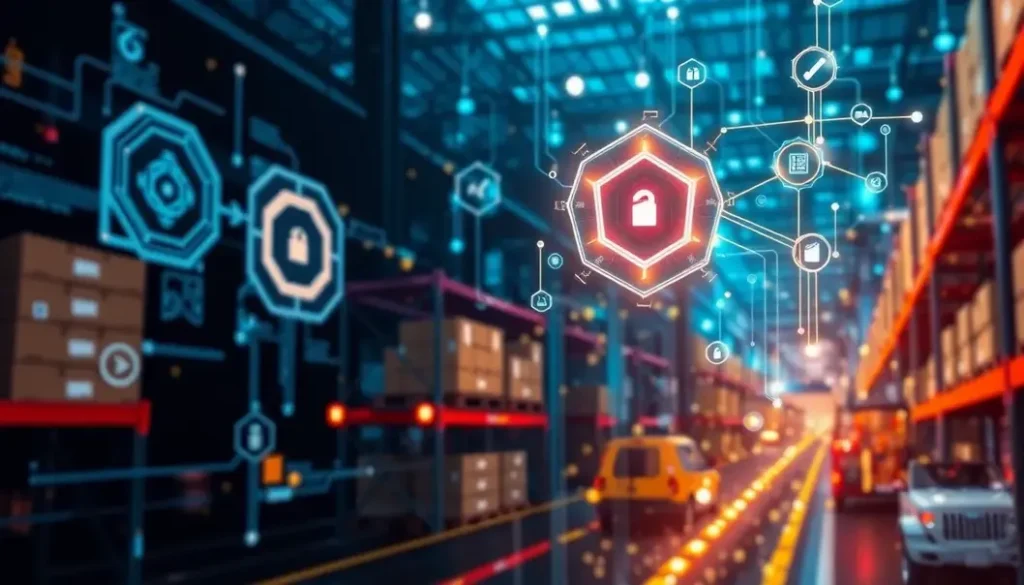
The integration of Artificial Intelligence (AI) into supply chain marketing strategies has started a paradigm shift among businesses aiming for greater efficiency and competitive advantage. Through advanced data analysis, machine learning, and predictive modeling, organizations can optimize their marketing efforts, tailor consumer experiences, and streamline operations. This article delves into the multifaceted applications of AI in supply chain marketing, showcasing how it enhances decision-making, improves customer engagement, and drives innovation. As researchers and CTOs navigate this landscape, understanding the implications of AI on their marketing frameworks and overall supply chain management becomes essential for sustained growth.
Innovative Data Analytics: The Backbone of AI in Supply Chain Marketing

In the realm of dynamic supply chain marketing, the deployment of AI-driven data analytics has emerged as a game-changer. By transforming raw, diverse datasets into actionable insights, it facilitates enhanced decision-making, optimizes inventory levels, and refines marketing strategies. Leveraging AI in this context not only streamlines operations but also aligns them with consumer expectations, driving efficiencies and growth.
At the core of these capabilities is the vast array of data collected and analyzed. Supply chains generate enormous amounts of structured and unstructured data. Structured data includes historical sales figures, inventory levels, and pricing information. Meanwhile, unstructured data—a more challenging type—comprises social media feedback, customer reviews, and web navigation patterns which require sophisticated processing for insight extraction. AI takes center stage by seamlessly integrating these datasets from various sources, thereby offering a comprehensive view of market dynamics.
Optimizing Inventory Management: Effective inventory management stands as a major benefit of AI analytics. Through predictive modeling, AI can forecast demand with remarkable accuracy, ensuring optimal stock levels. By analyzing past purchasing behaviors and market trends, AI anticipates demand surges, proactively realigning stock levels. This minimizes overstock and stockouts, reducing costs associated with storage and lost sales potential. The ripple effect is increased customer satisfaction, further bolstering brand loyalty.
Informing Marketing Strategies: Enhanced decision-making in marketing is another significant payoff. By leveraging AI’s ability to predict consumer behavior, brands can craft targeted campaigns with precision. AI sifts through social media interactions and consumer reviews to identify sentiment trends. As a result, businesses gain a clearer understanding of customer preferences and pain points. Customized marketing strategies can thus be formulated, ensuring the right message reaches the right audience at the most opportune time.
AI-powered analytics also enable real-time performance tracking of marketing initiatives. Traditional marketing campaigns often suffer due to delayed feedback, which hampers timely strategy adjustments. In contrast, AI provides instant data, allowing marketers to monitor campaign effectiveness continuously and modify them as required. This responsiveness is critical in a competitive market landscape.
The integration of AI models into supply chain marketing also drives remarkable ROI. Predictive analytics facilitate highly targeted marketing efforts, which improve conversion rates drastically. Tailored promotions and personalized offers enhance customer engagement, translating into increased sales. The focus on data-driven decisions ensures that marketing budgets are allocated efficiently, yielding maximum returns.
Beyond traditional metrics, AI supports emerging concepts like sentiment analysis which taps into consumer emotions. For instance, by analyzing tone and context in customer feedback, businesses can deduce loyalty levels and predict potential churn. This not only informs retention strategies but also aids in cultivating a more profound brand resonance with customers. Moreover, by harnessing the power of ambient intelligence, businesses can innovate within the supply chain thus maintaining a competitive edge. (For further insights on integrating advanced technology in daily operations, visit Ambient Intelligence: The Future)
In conclusion, AI-driven data analytics underpins a transformative shift in supply chain marketing. Through enhanced decision-making, optimized inventory management, and strategic campaign development, AI allows businesses to exceed customer expectations and achieve exceptional ROI. As these technologies progress, their potential will likely be boundless, continuously refining supply chain strategies and improving overall market competitiveness.
AI-Enhanced Customer Engagement: Tailoring Experiences with Precision

Artificial Intelligence is not just a technological advancement; it is a revolutionary force reshaping how businesses engage with their customers. Within the realm of supply chain marketing, AI offers unparalleled opportunities for personalization, making interactions more meaningful and targeted. This personalization is driven by a robust capacity for customer segmentation, behavior analysis, and the automation of communication channels.
Understanding customer preferences is paramount in crafting personalized marketing strategies. Through AI-driven customer segmentation, businesses can group consumers based on shared characteristics. These characteristics can include demographic data, purchasing habits, or even interaction preferences. The result is a tapestry of insights that allows marketers to target audiences more precisely than ever before. This nuanced comprehension of customer needs ensures that marketing efforts are not only seen but also resonate deeply, creating a sense of value and understanding.
Behavior analysis adds another layer of sophistication to customer engagement strategies. AI systems can process vast amounts of data in real-time, identifying patterns and predicting future consumer behaviors with remarkable accuracy. This capability enables businesses to anticipate needs and respond with agility, tailoring offers and promotional messages to individual preferences. By aligning marketing tactics with the natural flow of consumer behavior, companies can foster a more seamless and satisfying customer experience.
One of the most transformative aspects of AI in enhancing customer engagement is its ability to automate communication channels. Automated processes, powered by AI, extend beyond mere efficiency—they enhance the customer journey. Tools such as chatbots and virtual assistants offer immediate responses to queries, ensuring customers feel heard and valued at every touchpoint. Automation also allows for consistent interaction across platforms, removing the barriers that once hindered communication. These AI-powered intermediaries operate 24/7, addressing consumer concerns promptly and contributing to higher levels of satisfaction and loyalty.
This strategy of automated engagement is further enriched by AI’s ability to learn and adapt. As AI interfaces gather more data, they continuously optimize their responses, improving over time. This continuous learning cycle results in increasingly personalized interactions, which can outperform traditional methods of engagement. Customers find themselves interacting with systems that understand their needs and preferences, thereby enhancing their loyalty to the brand.
Furthermore, AI-driven engagement strategies include personalized content delivery. Marketers can use AI to dynamically generate content tailored to individual consumer profiles. Relevant information, offers, and recommendations are served up to the right people at the right time. This precision reduces wastage of resources on untargeted campaigns and maximizes the impact of marketing efforts. By providing content that resonates with their current interests and needs, businesses can solidify their position in the competitive marketplace.
Integration with AI also means that responses and adaptations happen at speeds previously unimaginable. Real-time data processing allows businesses to pivot marketing strategies quickly and effectively. This agility ensures that customer engagement remains fresh, relevant, and impactful, despite the constantly changing consumer landscape. The ability to integrate immediate feedback into marketing initiatives creates a dynamic loop of engagement, where customer satisfaction is continually enhanced.
As AI continues to evolve, so too will its applications in supply chain marketing. The granularity of data analysis and the personal touch of AI-enhanced communication channels are key to devising marketing strategies that are both precise and memorable. By leveraging AI, companies can transform their interactions with consumers, promoting greater satisfaction and loyalty.
For those interested in exploring broader AI marketing strategies, including ethical considerations, explore further insights on AI marketing strategies. AI’s role in refining customer engagement cannot be overstated, as it represents a fundamental shift toward hyper-personalized marketing tactics that are changing the landscape of consumer interaction.
Streamlining Supply Chain Operations: The Efficiency of AI Automation
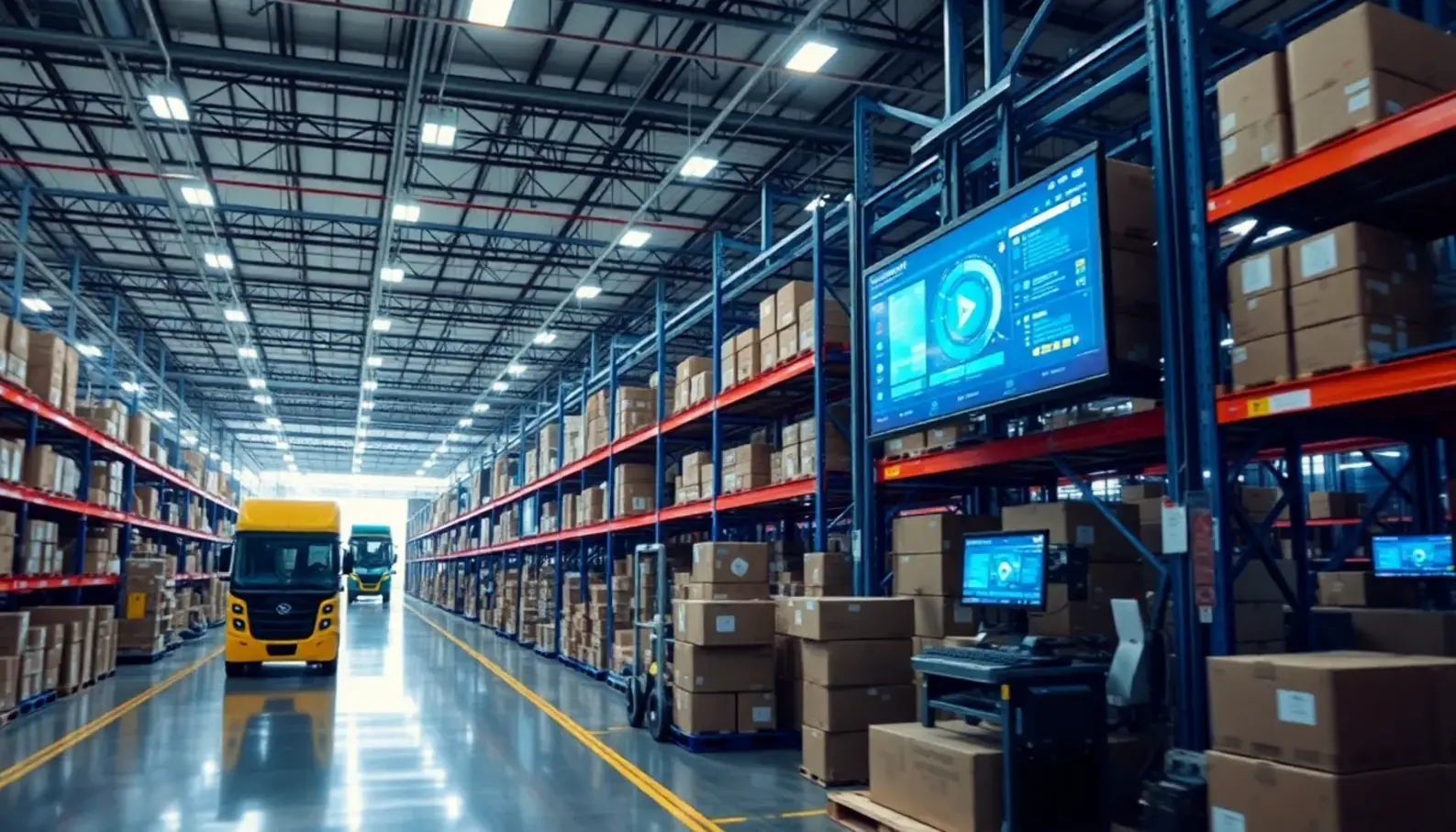
The advancement of AI automation is revolutionizing the landscape of supply chain operations. By integrating intelligent systems, companies are now able to manage logistical processes with unprecedented precision and efficiency. AI has become pivotal in transforming logistics, where real-time data integration facilitates seamless operations, ensuring goods are delivered on schedule with minimal disruptions. Modern logistics leverage AI algorithms to optimize delivery routes, reduce fuel consumption, and minimize delays caused by unforeseen circumstances.
Logistics is not the only area benefiting from AI transformation. One of the most significant impacts is observed in demand forecasting. Traditional demand forecasting techniques involved manual processes and static models, which often struggled to accommodate sudden market shifts. Through AI and machine learning, businesses can predict demand patterns with a higher degree of accuracy. These technologies analyze vast amounts of data from various sources such as market trends, customer behavior, and economic indicators. The insights thus obtained allow companies to adjust their production and inventory management proactively, reducing the risk of overstock or stockouts. This tailored approach helps in aligning supply chains with actual consumer demand, facilitating a more sustainable and cost-effective operation.
Supplier management, another critical component of the supply chain, has also undergone significant improvements with AI application. By automating procurement processes and supplier evaluations, organizations can maintain optimal inventory levels while simultaneously minimizing risks. AI tools analyze supplier performance data, enabling companies to identify the most reliable partners and negotiate better terms. Through predictive analytics, businesses can anticipate potential supplier disruptions and mitigate their impact before they affect the supply chain.
The streamlined processes brought about by AI enable supply chains to become more agile and responsive to real-time market changes. With AI systems continually assessing the supply chain dynamics, businesses can swiftly adapt to fluctuations and maintain competitive advantages. For instance, AI-based inventory management systems allow businesses to react to sudden spikes in demand without the bureaucratic lag common in traditional systems. This dynamic approach not only elevates operational efficiency but also enhances customer satisfaction, as companies can consistently meet market demands on time.
Moreover, AI-driven insights inform strategic decision-making, assisting companies in predicting future market conditions and preparing accordingly. Such predictive capabilities are invaluable, particularly in sectors characterized by rapid change, as they furnish decision-makers with the data necessary to remain one step ahead. As a result, organizations can implement strategies that are both proactive and reactive, adjusting their supply chain operations with fluidity.
The continuous evolution of AI technologies promises further advancements in supply chain management, with ongoing research pushing the boundaries of what’s possible. From implementing autonomous drones for last-mile delivery to utilizing AI for sustainability metrics, the future holds a plethora of opportunities for refinement and innovation. These developments are set to enhance not only efficiency but also the ecological footprint of supply chains.
Aligning AI solutions with existing supply chain operations necessitates substantial investment in terms of time and resources. While some organizations may find this challenging, the long-term benefits outweigh the initial hurdles. As AI integration becomes increasingly ubiquitous, companies that embrace these changes will enjoy competitive advantages that extend beyond mere operational efficiency.
For industries seeking further insights into AI’s role in innovation, exploring aspects such as AI in business growth can provide valuable perspectives on how these technologies are reshaping various sectors. Ultimately, the journey toward supply chain excellence is an ongoing process, and AI’s role in this evolution continues to expand, offering new avenues for innovation and improvement.
Final words
The infusion of AI into supply chain marketing is revolutionizing how businesses operate, enhancing efficiency, and fostering a deeper connection with customers. As the market continues to evolve, leveraging AI technologies will be indispensable for organizations seeking not just to keep pace but to excel. Embracing AI allows companies to unlock potential, improve response times, and strategically position themselves for future challenges in the ever-changing marketplace.
Get your comprehensive checklist on AI strategies for supply chain marketing!
Learn more: https://innoupdates.com
About us
Our company specializes in providing cutting-edge solutions that integrate AI technologies into supply chain marketing. We offer comprehensive analytics platforms, customer engagement tools, and operational automation systems designed to enhance efficiency and drive profitability. Partner with us for a strategic edge in navigating the future of supply chain marketing.