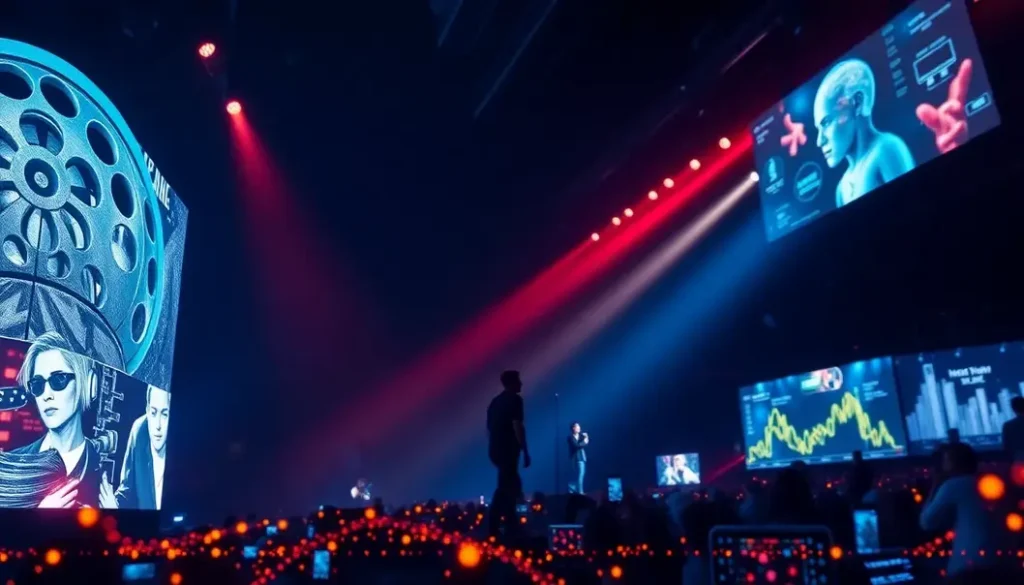
Artificial intelligence is redefining the boundaries of creativity and efficiency in supply chain management, especially within the entertainment sector. As streaming services and digital content creation flourish, demand for innovative, agile supply chains has surged. This growing reliance on technology enables real-time decision-making that enhances the distribution of films, music, and interactive media. As an engineer or policy maker, understanding how AI integrates with logistics, production, and consumer engagement can transform operations and strategy. This exploration delves into how AI can streamline processes, optimize resource allocation, and generate predictive analytics to support creative endeavors. Engaging with AI not only revitalizes the technical side of supply chains but also amplifies the artistic potential, paving the way for a new era in entertainment.
The Impact of AI on Entertainment Supply Chains

Artificial intelligence is making waves across various industries, and the entertainment sector is no exception. In managing logistics, AI systems offer enhanced precision and efficiency. For instance, predictive analytics can forecast demand for media content with an unprecedented accuracy, enabling production companies to better align their resources accordingly. This is crucial for minimizing waste and optimizing storage capacities at distribution centers.
The distribution landscape in entertainment has been further revolutionized by real-time data processing capabilities of AI. These systems can track audience engagement in real-time, providing valuable insights into viewer preferences. Consequently, companies can adjust their distribution channels on-the-fly, prioritizing more popular content to meet consumer demand swiftly. This dynamic approach ensures that distribution remains aligned with current consumer behavior rather than relying on outdated historical data.
Resource management in entertainment significantly benefits from AI-driven solutions as well. Traditional supply chain management often involves complex logistical challenges, especially when coordinating multiple components such as casting, location scouting, and set design in film production. AI enhances scheduling by integrating variables more effectively, promoting seamless communication between departments and ensuring that resources are allocated where they’re most needed.
Digital content delivery, pivotal to modern entertainment, has become more streamlined with AI. Machine learning algorithms analyze consumption patterns post-delivery, allowing providers to cater content more efficiently to different audience segments. This personalized approach not only optimizes user experience but also elevates engagement levels and increases client retention.
Moreover, AI technology has led to the advancement of autonomous drones, as detailed in the Autonomous Drones Logistics article. These drones are transforming logistical operations within entertainment by accelerating the delivery of equipment and securing remote shoots more effectively. Such innovations reduce the typical risks associated with remote logistics by ensuring that vital components reach their destinations swiftly and safely.
Beyond logistics and distribution, AI technologies also play a critical role in optimizing talent management. AI-powered platforms can track and analyze various performance metrics of actors and crew, ensuring that talent is both recognized and appropriately utilized. This nuanced understanding of human resources facilitates more effective project management and can lead to more successful productions.
Furthermore, supply chains are becoming increasingly responsive to shifts in external factors, such as changes in audience preferences or economic conditions. AI systems can quickly analyze vast datasets to provide insights into potential disruptions or opportunities within the market. This foresight allows entertainment companies to adapt their supply chains accordingly, maintaining competitiveness while minimizing operational risks.
In conclusion, AI technologies are redefining entertainment supply chains by infusing them with greater resilience and agility. This technological transformation enhances every link in the chain—from raw resource management to final product delivery—ultimately improving the overall efficiency and effectiveness of the entertainment industry.
Designing Future Ready Entertainment Operations
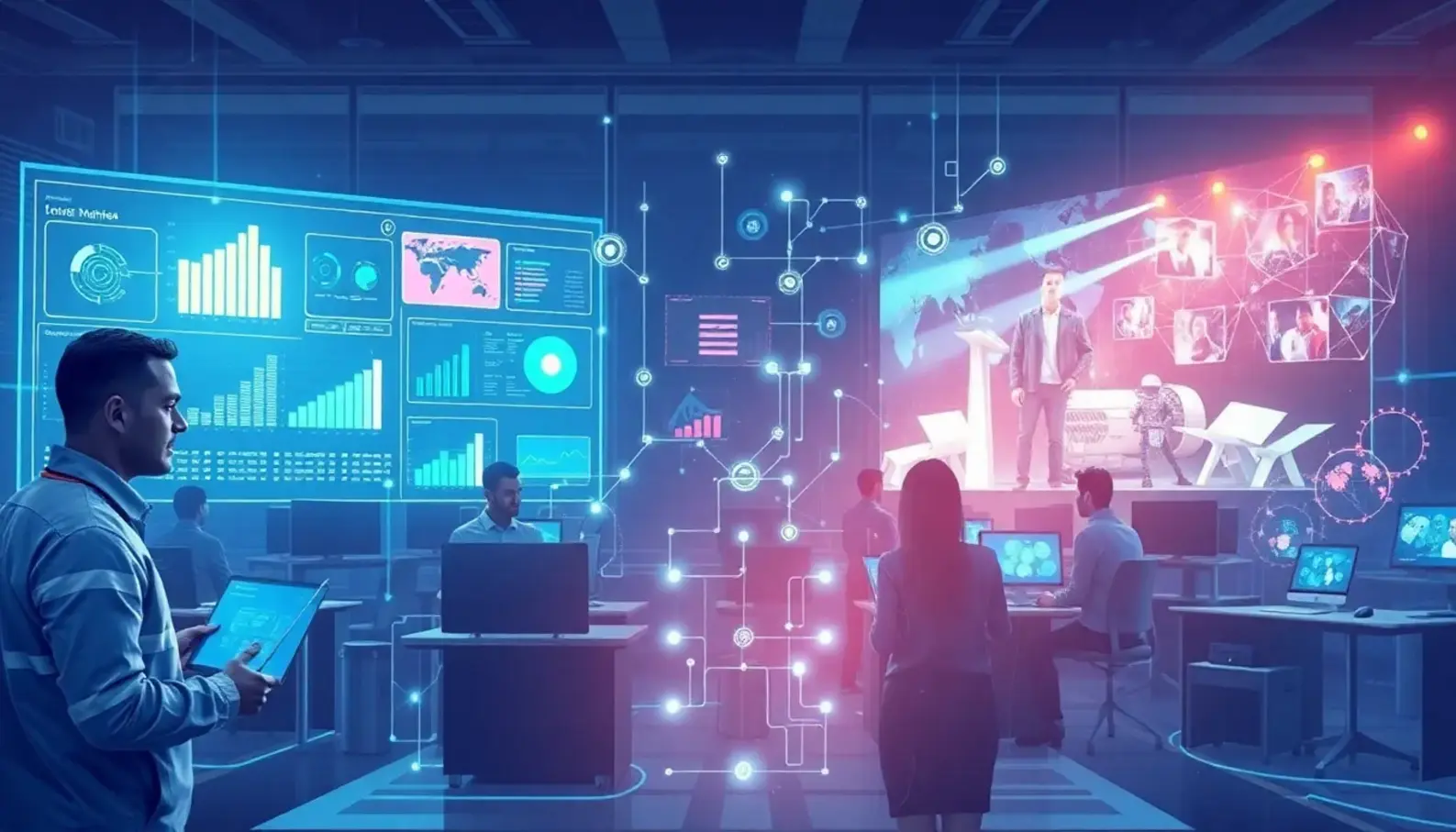
As the entertainment industry evolves, integrating artificial intelligence into its supply chains is essential. Future-ready entertainment operations hinge on strategic policy considerations and engineering advancements that can effectively incorporate AI technologies. This transformation promises to enhance efficiency, creativity, and adaptability in a rapidly changing landscape.
Policy Considerations
A well-crafted policy is crucial for facilitating AI integration. Policymakers must address ethical, legal, and operational challenges when drafting these guidelines. Ethical considerations include data privacy concerns, which are amplified by AI’s capacity to process vast amounts of personal information. Clear regulations on data usage and storage can mitigate privacy risks and foster consumer trust.
Legal frameworks should establish norms for AI accountability. Transparency in AI decision-making processes can help stakeholders understand and trust AI-driven outcomes. Regulatory bodies must ensure that AI systems operate within established guidelines, preventing unforeseen consequences and reducing liability risks.
Operational policies should support collaborative innovation. Encouraging partnerships between AI developers and entertainment entities can lead to more tailored and effective solutions. Shared standards for AI implementation can improve compatibility across different platforms and ecosystems, streamlining supply chain operations.
It’s essential for policies to be adaptive and forward-looking. As AI technology evolves, policies must be regularly reviewed and updated. This ensures that they remain relevant and effective in promoting innovation while safeguarding public and industry interests.
Engineering Advancements
On the engineering front, advancements in AI technologies are pivotal. Leveraging machine learning algorithms in predicting consumer trends can optimize content distribution and inventory management. Predictive analytics enable companies to anticipate demand fluctuations, ensuring timely content delivery and efficient resource allocation.
AI-powered automation can revolutionize routine operations. For instance, smart contracts and blockchain technology can foster transparency and reduce administrative burdens in transactions and rights management. Automation ensures consistency and reduces errors, essential for maintaining seamless supply chain operations.
Another engineering advancement lies in natural language processing (NLP). NLP facilitates improved interaction with consumers through chatbots and virtual assistants, enhancing customer service experiences. These tools can help gather valuable feedback and data, further refining content offerings based on audience preferences.
Incorporating AI into creative processes can also yield significant benefits. AI-driven tools for video editing, special effects, and music composition can augment creative teams, allowing for more innovative and polished productions. This collaboration between AI and human creativity can redefine production timelines, cost structures, and ultimately, viewer experiences.
AI’s integration also depends on robust infrastructure. Advanced computing capabilities, like those discussed in hybrid computing strategies, are essential to support complex AI functions and manage large-scale data processing. Ensuring that entertainment entities have access to these resources is vital for unlocking AI’s full potential.
Crafting the Future
Designing future-ready operations requires a blend of strategic policies and cutting-edge engineering. Stakeholders must engage in ongoing dialogue to align AI innovations with industry needs and societal values. Open collaboration can fast-track AI integration, bringing about transformative capabilities across entertainment supply chains.
Education and skills development are also essential components. Training programs focused on AI technologies can equip industry professionals with necessary expertise. Encouraging continuous learning will prepare workforces for an AI-inclusive future, enhancing their ability to harness technology effectively.
While AI promises unprecedented opportunities, it also presents challenges. Industry leaders must be proactive in addressing potential disruptions in employment and market dynamics. By fostering environments of inclusivity and adaptability, the entertainment industry can thrive amidst AI advancements.
As this chapter concludes, the path to future-ready entertainment operations becomes clearer. Strategic policies and engineering breakthroughs are paving the way for AI-enhanced supply chains. With careful planning and implementation, the entertainment industry can harness AI to deliver unparalleled experiences to audiences worldwide.
Final words
AI is not just an addition to the entertainment supply chain; it is the catalyst for its evolution, fostering a new paradigm of efficiency, creativity, and engagement. Engineers must embrace this technology to drive innovation, while policymakers must create frameworks that facilitate its ethical use. The synergy between AI and entertainment holds immense potential that can redefine how stories are told and shared. It’s time to not just anticipate change but to actively participate in fostering it.
Download the Whitepaper to explore AI’s impact on entertainment supply chains.
Learn more: https://innoupdates.com
About us
InnoUpdates provides cutting-edge solutions that leverage AI to optimize supply chain operations specifically tailored for the entertainment industry. Our advanced analytical tools and consulting services equip engineers and policymakers with the insights necessary for navigating this rapidly evolving landscape. With hands-on training and support, we empower your organization to harness AI’s full potential.