
The integration of artificial intelligence (AI) into healthcare analytics is revolutionizing data management and decision-making processes. By leveraging immense volumes of clinical and operational data, AI enables healthcare organizations to uncover insights that drive improved patient outcomes and operational efficiency. This paradigm shift not only assists in predictive modeling but also helps in managing costs, enhancing patient engagement, and ensuring regulatory compliance. In this landscape, AI stands as a pivotal asset for CEOs and administrators who aim to steer their organizations toward data-driven excellence. Understanding the intricacies of AI implementation will be crucial for healthcare leaders to navigate the challenges and leverage the opportunities presented by advanced analytics.
The AI Revolution in Healthcare Analytics
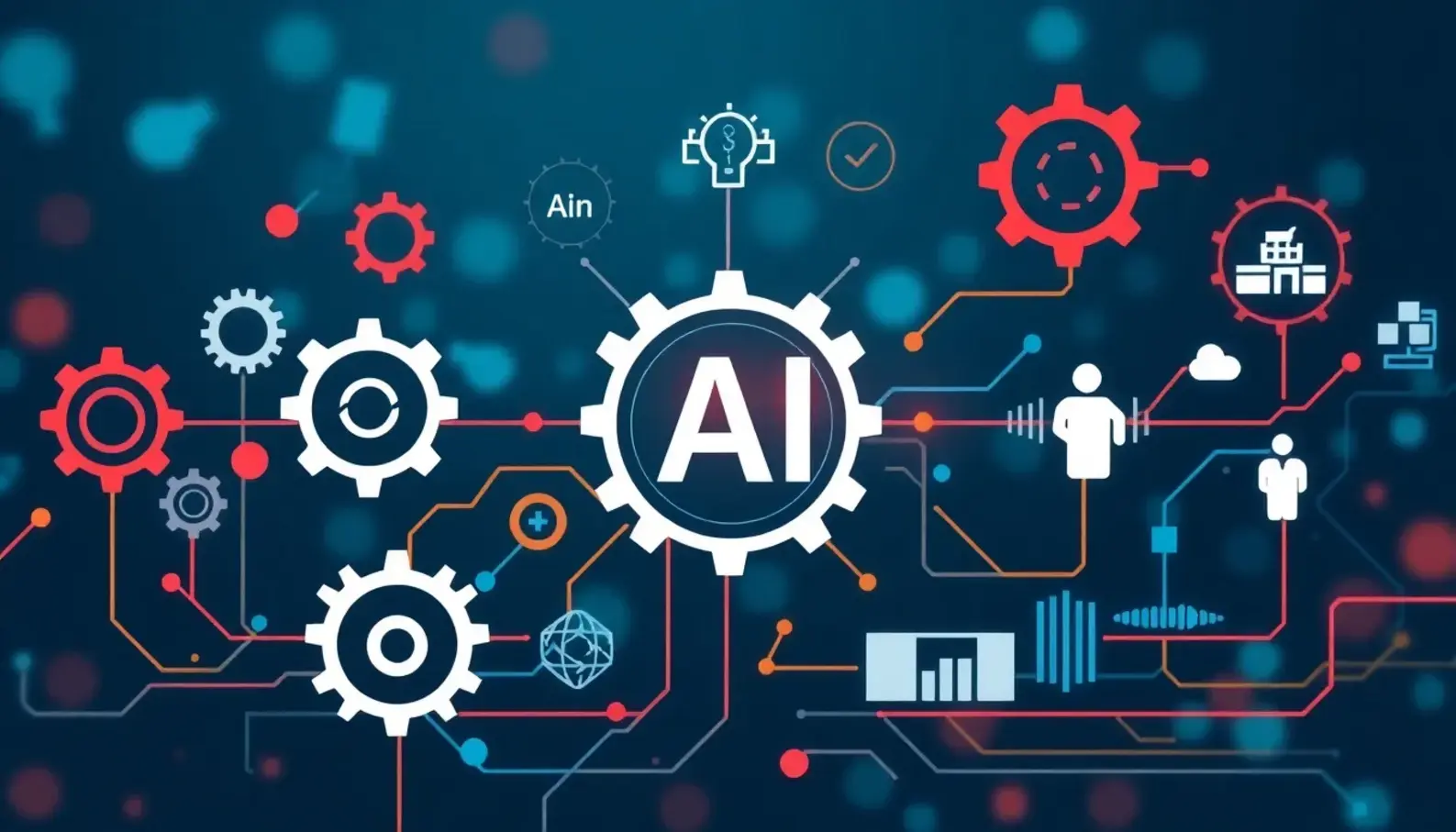
Artificial intelligence (AI) is rapidly transforming healthcare analytics, offering unprecedented capabilities to analyze data and make informed decisions. As AI technologies evolve, they enable healthcare organizations to optimize patient care and streamline operations, proving indispensable at various levels.
Machine learning, a subset of AI, plays a pivotal role in healthcare analytics. Its capability to analyze vast datasets and identify patterns empowers healthcare providers to predict patient outcomes more accurately. For instance, machine learning algorithms can assess electronic health records to flag potential risk factors and enable early interventions. These capabilities not only enhance patient care but also reduce costs by preventing unnecessary treatments.
Another essential AI technology in healthcare is natural language processing (NLP). NLP analyzes unstructured data, such as clinical notes and patient feedback, transforming it into actionable insights. By understanding and processing human language, NLP helps uncover trends and correlations that might remain hidden in raw text. This technology aids in creating comprehensive patient profiles and improving diagnostic efficiency.
Predictive analytics, bolstered by AI, reshapes strategic decision-making in healthcare organizations. By forecasting trends based on historical data, healthcare administrators can allocate resources more effectively, anticipate patient inflow, and adjust staffing levels accordingly. Predictive analytics also supports public health surveillance by identifying emerging disease patterns and enabling timely interventions.
In the current landscape, AI applications in healthcare demonstrate significant potential for enhancing efficiency and outcomes. For example, some hospitals use AI-driven tools to optimize their supply chains, ensuring that resources are available when needed, thus reducing wastage and ensuring better patient service.
Equally notable is AI’s role in personalized medicine. AI can analyze genetic information alongside lifestyle and environmental factors, tailoring treatments to individual patients. This leads to better outcomes and patient satisfaction, as treatments are more likely to be effective when personalized.
Additionally, AI technologies aid clinical decision support systems (CDSS) offering physicians data-driven recommendations. These systems analyze patient data against established medical literature, assisting clinicians in making informed decisions and ensuring adherence to best practices.
Successful AI implementations further illustrate the tangible benefits of these technologies. Consider a project where machine learning predicts patient deterioration in intensive care units. By analyzing real-time data, the system prompts early warnings, allowing healthcare providers to take preemptive action. This not only improves patient outcomes but also exemplifies the integration of AI into critical areas of care.
As healthcare organizations continue to embrace AI, they encounter both opportunities and challenges. A strategic approach involves assessing organizational readiness, ensuring data quality, and fostering an environment that supports continuous learning and adaptation. This piece on AI marketing strategies explores how integrating AI requires thoughtful strategy akin to its adoption in other domains.
Furthermore, data security and privacy remain top concerns. With AI systems processing sensitive patient information, healthcare organizations must implement stringent security measures to protect against breaches. Ensuring compliance with regulations like HIPAA is essential to maintaining patient trust and organizational integrity.
In conclusion, the AI revolution in healthcare analytics offers transformative potential. By leveraging machine learning, natural language processing, and predictive analytics, healthcare organizations can significantly improve patient care and operational efficiency. The strategic integration of these technologies positions healthcare leaders to harness the full potential of AI, driving meaningful improvements in the industry.
Strategic Framework for AI Implementation
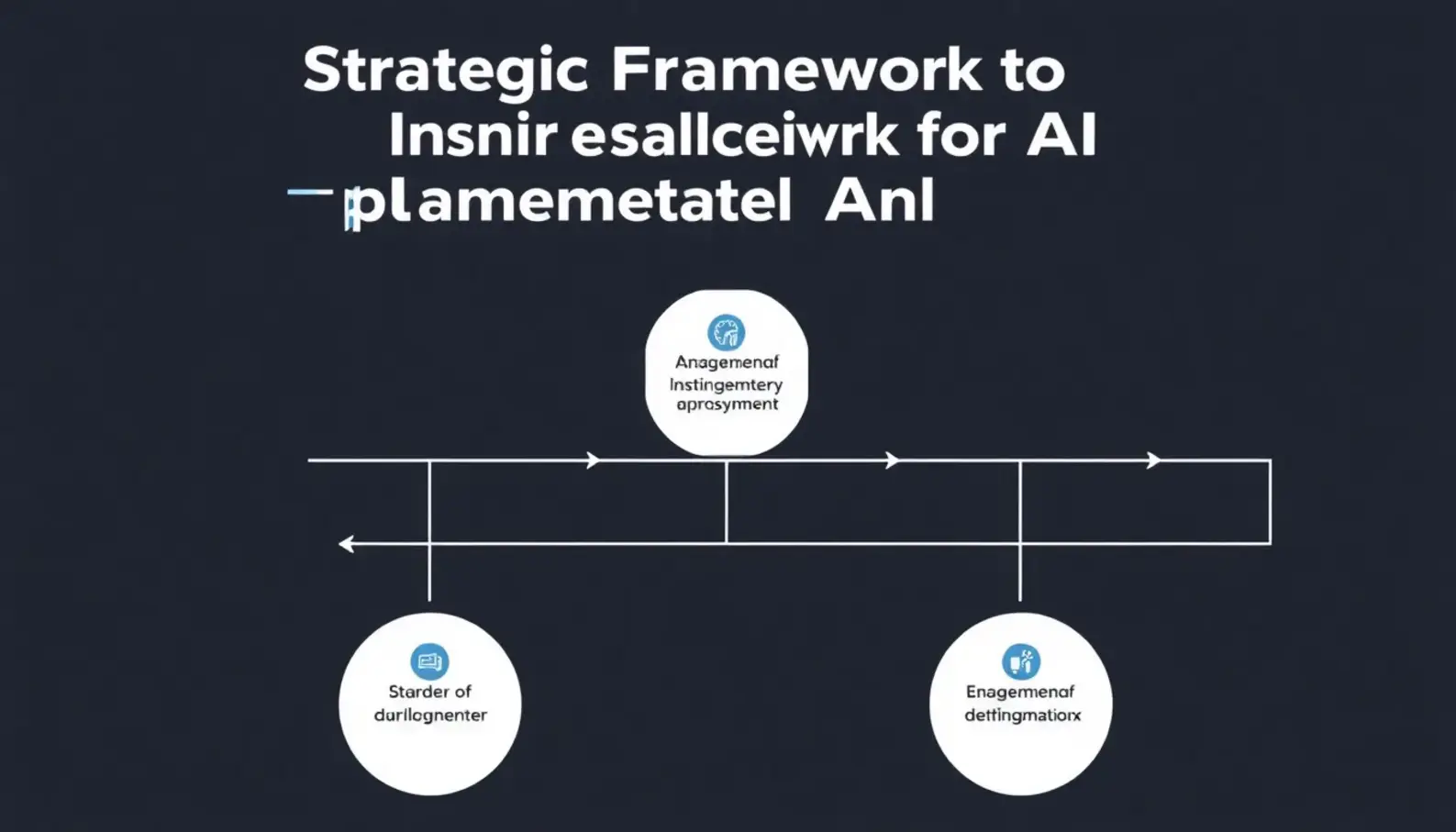
Implementing AI in healthcare analytics requires a robust framework encompassing several strategic components. For CEOs and administrators, understanding the variables critical to success is paramount.
Identifying Data Sources
The first step is to harness the vast data produced across healthcare systems. Electronic health records (EHRs), wearable health technology, and patient feedback systems are just some of the diverse data repositories. Cultivating a thorough understanding of where data resides and how it flows is essential.
Moreover, it’s crucial for leaders to appreciate the variety in data types—structured and unstructured—and how each can inform AI models. By establishing comprehensive data integration practices, organizations can ensure no valuable insight is missed, setting a solid foundation for AI initiatives.
Ensuring Data Quality
The journey from raw data to valuable insight is fraught with challenges, primarily data quality. High-quality data is fundamental to developing reliable AI models. Therefore, healthcare organizations must prioritize cleansing, validation, and standardization processes. Employing rigorous data mapping and normalization methodologies not only improves accuracy but also enhances predictive capabilities.
Additionally, ongoing audits are necessary to maintain data integrity. By implementing feedback loops, organizations can dynamically adjust quality protocols, ensuring continuous data refinement.
Selecting Appropriate AI Tools
The healthcare AI landscape is replete with tools tailored to various needs. However, selecting the appropriate tools requires in-depth analysis. Organizations must evaluate tools based not only on their technical specifications but also on compatibility with existing systems and their adaptability to evolving data.
It’s essential to engage in a decision-making process involving pilot projects and proof-of-concept initiatives. This strategic analysis helps identify tools that offer scalability and adaptability, ultimately aligning with both current and future organizational objectives.
Building Interdisciplinary Teams
AI implementation is not solely an IT endeavor. Instead, it requires collaboration across disciplines. Establishing an interdisciplinary team balances technical expertise with clinical insight. Data scientists, IT personnel, healthcare professionals, and project managers must be integral members of this team.
The synergy between these diverse professionals promotes a holistic perspective, essential for anticipating challenges and innovatively overcoming them. Regular cross-functional meetings ensure alignment and foster a collaborative culture that thrives on shared knowledge.
Investments in Technology and Training
The implementation of AI in healthcare is incomplete without substantial investments in technology and training. Beyond mere funding for tools, organizations should allocate resources for infrastructure enhancement to support large-scale data processing and AI operations.
Training programs are crucial for equipping staff with the skills needed to harness AI accurately. Continual professional development through workshops, certifications, and hands-on training empowers employees to maximize the potential of AI technologies.
Governance and Compliance Considerations
AI initiatives must adhere to strict compliance standards and ethical guidelines. This involves establishing governance frameworks that address data privacy, consent, and security. Healthcare administrators need to stay informed about evolving regulations and incorporate best practices for compliance seamlessly into AI strategies.
Additionally, ethical considerations must guide AI deployment to avoid biases and ensure equitable healthcare delivery. Implementing oversight committees can add layers of accountability, ensuring AI initiatives uphold the integrity of care.
Measuring Success of AI Initiatives
Finally, measuring the success of AI initiatives is crucial to refining strategies. Key performance indicators (KPIs) should be established to track effectiveness, patient outcomes, and operational efficiencies. Data-driven insights derived from these KPIs allow for continuous improvement and help pinpoint areas requiring adjustment.
Advanced analytics can also be used to generate insights into how AI projects directly impact patient care. Evaluating these metrics supports the overall strategic objective of improving healthcare outcomes through AI innovation.
By following this framework, healthcare CEOs and administrators can successfully implement AI in their analytics strategies. This not only drives efficiency and enhances patient care but also positions organizations at the forefront of healthcare innovation.
For further insights into how AI is transforming various business sectors, consider exploring AI in business growth strategies.
Challenges and Future Directions

The integration of AI in healthcare analytics is laden with challenges that stakeholders must carefully navigate. Data privacy stands as a paramount issue, impacting the trust and willingness of patients to share their information. Robust encryption methods and transparent data handling protocols are essential to ensure compliance with regulations like GDPR and HIPAA. In many cases, a lack of clarity around data ownership further complicates matters, requiring clear contractual terms between patients, healthcare providers, and AI developers.
Another significant challenge is the integration of AI systems with existing healthcare infrastructures. Many legacy systems are not designed to interface with modern AI solutions, creating barriers to smooth transitions. To overcome this, organizations need to invest in modular, scalable technologies that can evolve alongside existing architectures. Successful adopters are focusing on interoperable platforms and seeking partnerships with tech providers that offer flexible integration solutions.
The adoption of AI in healthcare also necessitates a cultural shift within organizations. Resistance to change is an inherent human trait, particularly in an industry as traditional and risk-averse as healthcare. Efforts to retrain staff, reframe mindsets, and foster an innovation-friendly culture are crucial. Leadership must champion these changes, emphasizing the potential of AI to enhance rather than replace human expertise. Open forums and workshops can facilitate this transition, encouraging dialogue and easing fears.
Several organizations have excelled in AI adoption by addressing these challenges head-on. For example, a large hospital network in Europe implemented a comprehensive data governance framework, resulting in improved patient trust and AI integration efficiency. They invested in modular AI solutions compatible with their existing systems, ensuring a seamless transition. Furthermore, leadership actively supported a cultural transformation, highlighting AI’s role in improving patient care.
Looking to the future, emerging trends in healthcare AI present promising opportunities. There is a growing emphasis on collaboration among stakeholders, including tech companies, healthcare providers, and regulatory bodies, to create unified standards and frameworks. Such collaboration can ease integration challenges and enhance data-sharing practices.
Advancements in AI, such as explainable AI (XAI), are poised to transform patient care by offering greater transparency into AI decision-making processes. This boosts clinician confidence in AI recommendations and enhances patient trust in tech-driven healthcare services. AI’s potential to streamline operations is vast, promising improvements in resource allocation, patient scheduling, and administrative tasks.
Moreover, innovations in AI are likely to center on patient-centered care models, offering personalized treatment plans and diagnoses tailored to individual needs. As AI technologies develop, their ability to predict patient outcomes and suggest preventive measures will greatly enhance operational efficiency. This transformative potential extends beyond individual organizations, with the healthcare industry at large poised to benefit from cross-sector collaborations and shared innovations.
To sustain momentum, continuous investment in AI research and development is vital. Forward-thinking organizations plan to allocate resources for ongoing experimentation and iterative improvements. AI’s future in healthcare analytics is a landscape ripe with opportunities for those willing to embrace change and invest in technologies that prioritize patient outcomes and operational efficiency. Interested stakeholders can explore similar opportunities discussed in our on-going discussions around hybrid computing strategies which are integral to effective AI implementation across sectors.
The journey towards harnessing AI in healthcare is complex, yet rewarding. By addressing existing challenges and preparing for future developments, organizations can unlock unprecedented advancements in patient care and operational efficiency.
Final words
Exploring AI in healthcare analytics unveils significant opportunities for improvement in patient outcomes and operational efficiencies. For leaders, understanding the strategic implementation of AI is vital to harness its full potential. As new challenges arise, staying informed on trends and innovations will ensure healthcare organizations remain at the forefront of effective patient care.
Book a Demo
Learn more: https://innoupdates.com
About us
At Innoupdates, we specialize in providing cutting-edge AI solutions for healthcare analytics. Our offerings include customized AI tools, comprehensive data strategies, training programs, and ongoing support to ensure your organization successfully navigates the AI landscape. Partner with us to enhance your healthcare analytics capabilities and drive meaningful improvements in patient care and operational efficiency.