
The integration of artificial intelligence (AI) into healthcare analytics management signifies a notable shift in how medical data is analyzed and interpreted. By leveraging large datasets and advanced algorithms, healthcare organizations can derive actionable insights that enhance patient care, improve operational efficiency, and optimize resource allocation. This evolution not only supports healthcare professionals in making informed decisions but also offers legal professionals a deeper understanding of compliance, regulatory concerns, and the ethical implications surrounding data usage. As we delve into the realms of AI in healthcare analytics, it’s vital for students and lawyers alike to grasp how these advancements impact their respective fields.
Understanding AI Technologies in Healthcare
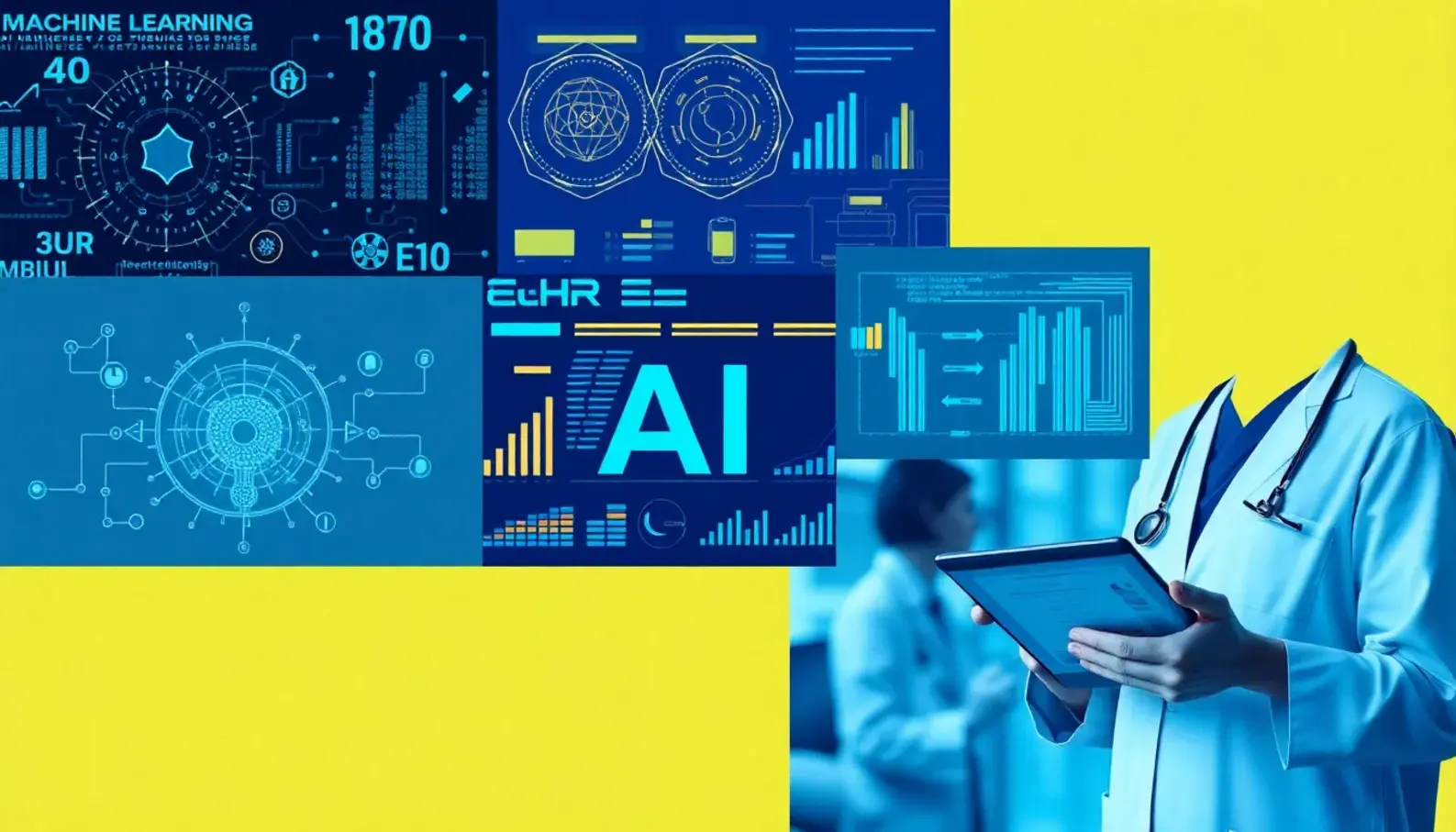
Artificial Intelligence (AI) is transforming healthcare analytics management with its diverse technologies such as machine learning, natural language processing (NLP), and predictive analytics. These technologies have become cornerstone components in enhancing decision-making processes and improving patient outcomes. Exploiting AI’s potential in healthcare can lead to revolutionary changes in how we manage and interpret vast amounts of health data.
Machine Learning
Machine learning, a subset of AI, involves training algorithms on historical data to identify patterns and make decisions. In healthcare, machine learning algorithms are employed to analyze complex datasets, ranging from diagnostic images to genomic data. These algorithms are capable of rapidly detecting anomalies and trends that might not be immediately evident to human observers.
For example, in the realm of diagnostics, machine learning has enabled the development of tools that assist radiologists in detecting signs of diseases such as cancer in medical images. By evaluating thousands of images, these algorithms learn to identify abnormalities with high accuracy. Furthermore, predicting patient outcomes and treatment responses has been enhanced through algorithmic analysis of patient histories and current health records.
Machine learning also contributes significantly to drug discovery and development. By analyzing biological data, machine learning models can predict how certain molecules will interact with target proteins, accelerating the process of drug discovery and reducing associated costs.
Natural Language Processing (NLP)
Natural language processing allows computers to understand, interpret, and respond to human language. In healthcare, NLP aids in managing electronic health records (EHRs) by extracting meaningful information from unstructured data such as physician notes and clinical reports. This functionality is essential for building comprehensive patient profiles that inform clinical decision-making.
NLP is also instrumental in voice-activated assistants and chatbots that provide patients with answers to basic health queries. These tools empower patients to engage more actively with their health management, ensuring that critical advice is available 24/7.
The potential of NLP in sentiment analysis of patient feedback and online health forums can also uncover public perception and emerging health threats. Hospitals and public health organizations can utilize this feedback to enhance services and develop more effective health interventions.
Predictive Analytics
Predictive analytics leverages AI to anticipate future outcomes based on historical and real-time data. In healthcare, predictive analytics is pivotal in early disease detection, patient risk stratification, and resource allocation.
In patient care, predictive models can forecast which patients are at higher risk for certain conditions, allowing for more targeted interventions. For example, by analyzing a combination of genetic, lifestyle, and environmental factors, predictive analytics can stratify patients’ risk levels for cardiovascular disease.
Population health management is another area where predictive analytics shines. By aggregating and analyzing vast amounts of data, healthcare providers can predict trends in public health and respond proactively. Such insights facilitate more informed planning of health services and interventions, reducing the overall burden of disease in communities.
Managing Electronic Health Records (EHRs)
The effective management of EHRs is crucial for enhancing healthcare delivery and outcomes. AI technologies streamline and optimize processes related to data entry, storage, retrieval, and analysis. Machine learning algorithms can fill in missing data points by predicting likely information, thus improving EHR accuracy.
AI-enhanced EHRs can also generate alerts and reminders for physicians, ensuring that patient care follows the latest evidence-based guidelines. Furthermore, AI assists in data integration from multiple sources, compiling comprehensive patient records that enable personalized care.
Personalized Medicine
AI technologies enable a shift towards personalized medicine, tailoring medical treatment to individual characteristics. By integrating patient data, AI can identify optimal treatment strategies, minimizing trial-and-error approaches. Machine learning models analyze extensive datasets, including genetic information, lifestyle factors, and treatment histories, to determine the best therapeutic options.
An example of this is oncology, where AI helps in understanding individual tumor profiles to recommend the most effective chemotherapy regimes. These personalized approaches result in better outcomes and fewer side effects for patients.
Population Health Management
AI’s impact on population health management is substantial. By processing epidemiological data, AI can help identify health patterns and predict outbreaks. This capability is crucial for public health organizations in strategizing interventions and allocating resources efficiently.
For instance, during infectious disease outbreaks, AI models can analyze travel patterns, social media data, and health reports to predict the spread and impact, guiding timely responses.
Case Studies and Success Stories
Numerous case studies underscore the transformative power of AI in healthcare. One renowned example involves the use of AI in diagnosing diabetic retinopathy. By training algorithms on a vast collection of eye images, healthcare providers can now detect this condition rapidly and with high accuracy, even in remote areas lacking specialist care.
Another success story involves predictive analytics reducing hospital readmissions. Machine learning models identify patients at greatest risk of readmission, enabling healthcare providers to implement targeted interventions that reduce hospital stay periods and costs.
To learn more about personalized medicine and data-driven solutions in healthcare, you might find this blog on AI wearable tech in health particularly insightful.
These advancements indicate the potential of AI to reshape healthcare analytics management. As technologies evolve, the integration of AI will further enhance the capability of healthcare systems to deliver efficient, personalized care. Embracing AI’s potential will undeniably lead to significant improvements in healthcare quality and accessibility.
Legal Implications of AI in Healthcare Analytics

The integration of artificial intelligence into healthcare analytics management is set against a backdrop of intricate legal considerations. Regulatory frameworks like the Health Insurance Portability and Accountability Act (HIPAA) in the United States and the General Data Protection Regulation (GDPR) in the European Union shape the parameters within which AI technologies operate. These regulations are instrumental in safeguarding patient data and ensuring that both privacy and security remain paramount.
HIPAA, established to protect patient health information, mandates strict confidentiality and safeguards around the storage and transmission of such data. AI systems in healthcare must thus be designed to comply with these rules, ensuring that any data breaches or unauthorized access can be prevented or swiftly mitigated. Similarly, GDPR extends robust data protection regulations to EU citizens, with stipulations around data consent, access, erasure, and portability.
The ethical use of patient data in AI systems is another cornerstone of legal implications. Healthcare providers and AI developers have a duty to manage data responsibly, ensuring transparency in how data is collected, processed, and utilized. The acquisition and use of patient data must rest on a foundation of explicit consent. This paradigm of consent is pivotal under GDPR, where subjects must be informed about the purposes of data use and possess the right to withdraw consent at any time.
Data Privacy and Security Concerns
AI systems must prioritize data privacy and security at every stage. The inherently sensitive nature of health data necessitates incorporating advanced security protocols, such as end-to-end encryption, to prevent unauthorized access. Developers and healthcare entities must perform regular risk assessments, continually evaluating potential vulnerabilities in AI systems.
Potential liability issues also loom large across the legal landscape. When an AI system handles data in a manner that breaches regulatory requirements, liability may rest on both the AI developer and the healthcare institution. This necessitates a clear delineation of responsibilities and robust contractual agreements to define liability boundaries. Establishing a framework for accountability is essential to maintain trust and ensure compliance.
Roles and Responsibilities
The legal responsibilities of healthcare providers and AI developers are multifaceted. Providers must ensure they choose AI systems that adhere to legal standards, while developers need to create technology that aligns with these stringent requirements. Regular audits and impact assessments can help in verifying compliance and identifying potential areas of improvement.
In cases of non-compliance, both parties may face severe repercussions, including hefty fines, legal action, and reputational damage. Therefore, embracing best practices in data protection is not just a matter of compliance, but a strategic imperative.
Best Practices for Compliance
To navigate these complexities effectively, healthcare analytics teams can implement several best practices. First, a comprehensive understanding of applicable regulations like HIPAA and GDPR is crucial. Training staff to be aware of these regulations and potential legal pitfalls can help preempt compliance issues. Second, developing data governance frameworks that emphasize privacy by design and default can play a significant role in maintaining compliance.
Implementing measures such as data minimization, where only necessary data is collected, helps reduce risk. Moreover, employing pseudonymization techniques can enhance privacy by masking patient identities while preserving the analytical value of the data. Regularly updating data protection policies and validating encryption methodologies further bolster security.
Healthcare organizations should also consider establishing dedicated roles for data protection, such as a Chief Privacy Officer, to oversee the implementation of these practices. This oversight can ensure rigorous adherence to data protection protocols.
A proactive approach may involve engaging with legal experts in health data regulations to stay ahead of any changes in the law. By doing so, healthcare organizations can adapt swiftly to new requirements, ensuring ongoing compliance and mitigating potential risks.
For continuous learning on regulatory challenges and innovative AI applications, you might explore resources like AI solutions in Law and the implications of AI across different sectors.
In conclusion, the legal implications of AI in healthcare analytics involve a careful balancing act between innovation and compliance. By embedding legal, ethical, and privacy-conscious practices into AI system design, healthcare providers can leverage these technologies to enhance insights while safeguarding patient trust. Such diligence paves the way for a legally sound and ethically aligned use of AI, fostering a healthcare environment that respects and protects patient rights.
Final words
The convergence of AI and healthcare analytics management presents unparalleled opportunities and challenges for various professionals. By fostering a deeper understanding of AI technologies and their legal implications, students and lawyers can navigate this evolving landscape effectively. Engaging with AI not only enhances patient care but also allows for more robust legal frameworks that safeguard patients and promote ethical practices. As the healthcare sector embraces these innovations, interdisciplinary collaboration will be essential for realizing AI’s full potential.
Stay updated on the latest innovations in AI and healthcare analytics management. Subscribe for insights.
Learn more: innoupdates.com
About us
Our company specializes in providing cutting-edge analytics solutions that utilize AI technology to facilitate informed decision-making in the healthcare industry. We offer training programs for students and professionals interested in understanding the applications of AI in healthcare, ensuring that they are well-prepared for the evolving landscape.