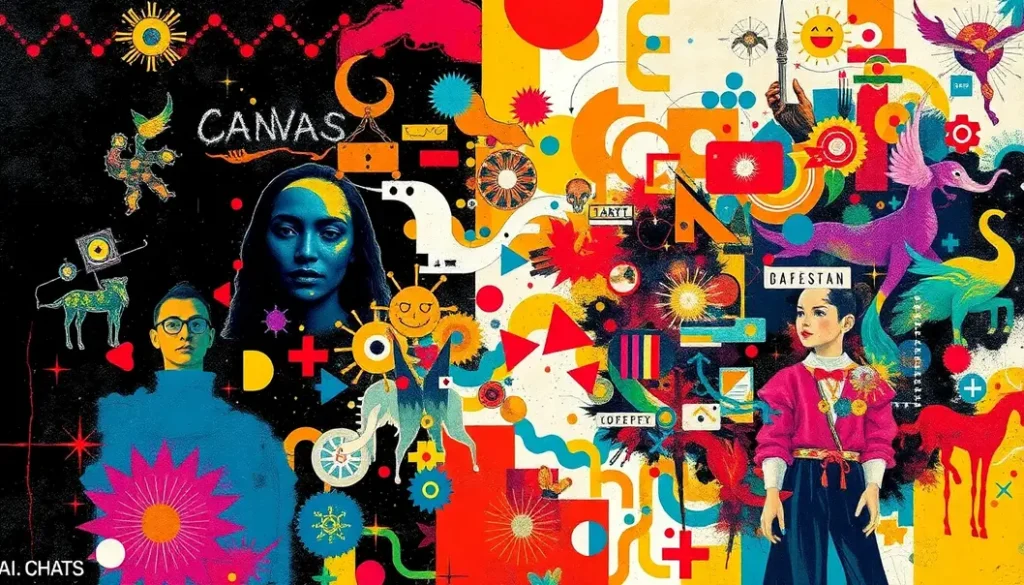
As technology weaves its way into artistic expression, the collaboration between human creativity and artificial intelligence emerges as a focal point. Artists and designers find themselves equipped with innovative tools that enhance their creative processes. The intersection of AI and the creative arts raises intriguing questions about authorship, inspiration, and the future of traditional methods. With AI’s capacity to generate fresh ideas and enable new forms of exploration, artists can flatter their imagination in unprecedented ways. Let’s embark on a journey through this evolving landscape, uncovering the potential and implications of AI integration in artistic domains.
The Symbiosis of AI and Artistic Expression
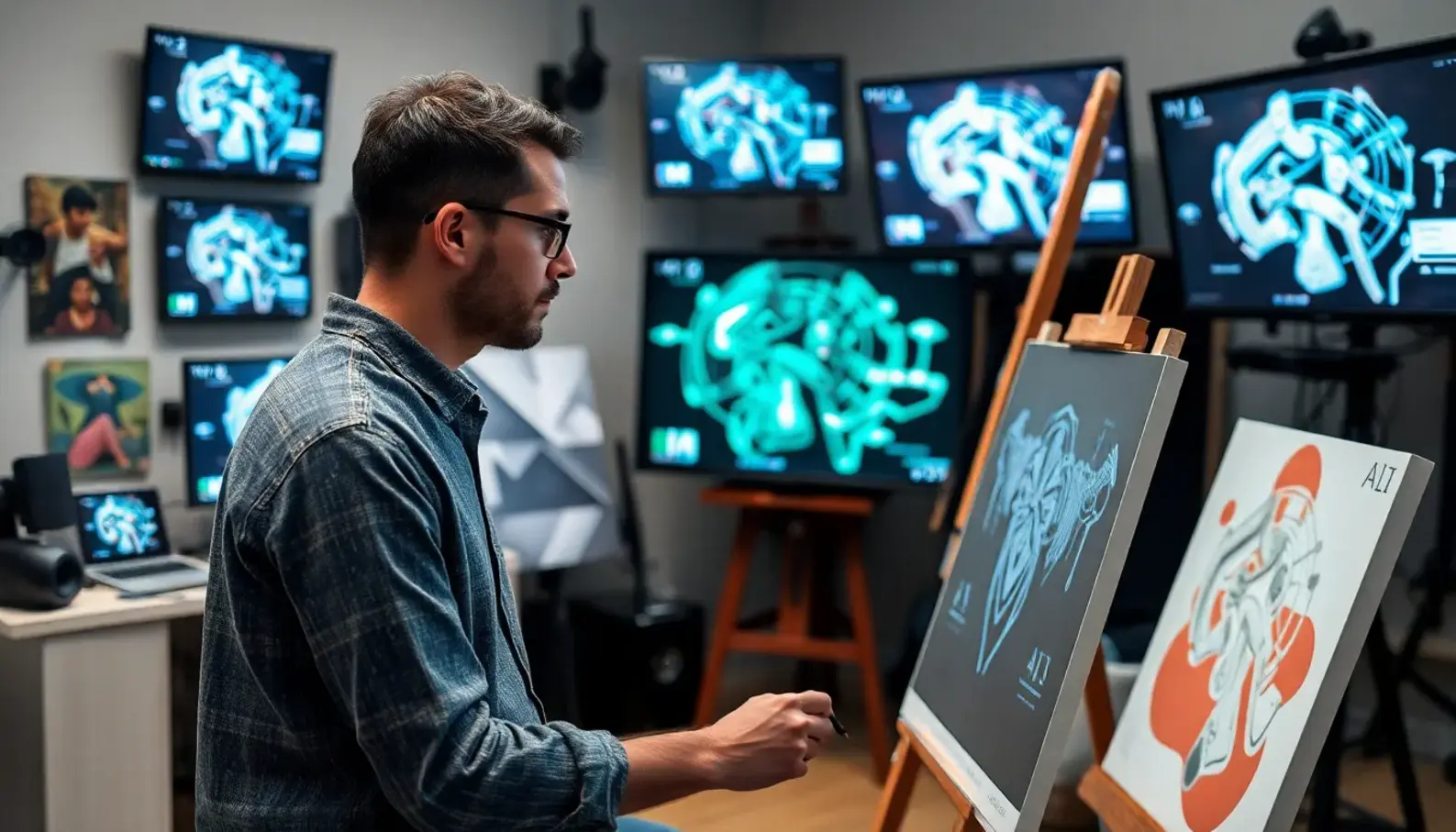
The intricate dance between artificial intelligence and artistic expression has redefined the landscape of creativity. Visual artists, musicians, and performers are exploring new realms, as AI aids and enhances their creative processes. This chapter delves into how AI influences these various art forms, highlighting the synergy between human ingenuity and machine precision.
Visual art is perhaps the most apparent domain where AI has left its mark. Generative algorithms can create intricate designs that challenge traditional notions of art. Artists use neural networks to produce images that are strikingly original yet echo familiar styles. Some artists blend AI-generated visuals with their own brushwork, forming a unique amalgamation. AI algorithms mimic famous art styles, giving creators tools to explore variations without traditional constraints.
For instance, an AI-driven program might analyze thousands of artworks to produce new interpretations based on existing styles. These AI creations can serve as blueprints, which artists modify and adapt. This form of collaboration ensures that while the machine provides a base of complex patterns or color palettes, the human touch brings intentionality and emotional depth.
Music, too, has embraced AI’s possibilities. Compositionally, AI can generate melodies, harmonies, and rhythms. Musicians use AI to break creative blocks, turning to algorithms that propose new chord progressions or melodic patterns. These compositions, initiated by AI, can then be refined by musicians to match their artistic vision.
Artists are using AI to analyze vast arrays of existing music, learning from structures and patterns only an advanced algorithm can identify. The AI acts almost as a musical partner, suggesting that which a human might not consider. Yet, the ultimate power remains with the musician, who determines what to preserve, modify, or discard.
In performance art, AI offers even broader horizons. Interactive performances using AI can adapt to audience responses in real time. Dancers and actors incorporate AI-driven visuals and sounds, creating a feedback loop between machine and performer. The AI enables dynamic storytelling, adjusting elements based on the performers’ movements or the audience’s reactions.
Consider a case study of a recent theater production that utilized AI to adjust its lighting and soundscape in response to performer cues. This innovative approach allowed for a performance that was never static, always attuned to the performers’ and audience’s energies.
The tools and platforms empowering artists today are numerous and sophisticated. Generative art platforms provide artists with accessible means to explore AI-assisted creativity. These tools range from simple neural network applications that require little programming knowledge to advanced environments for artists familiar with coding. They enable creators to delve into a world of new possibilities without needing to reinvent traditional artistic skills.
However, the rise of AI in art does not diminish the value of human craftsmanship. Instead, it broadens the scope of what is artistically possible. While AI might suggest an unconventional brushstroke or chord, it’s the artist who decides to embrace, alter, or reject these prompts.
To balance AI-generated content and the irreplaceable human touch, thoughtful consideration of where each shines is crucial. AI excels at processing vast datasets and identifying novel patterns. Artists, meanwhile, bring forth the soul of the work, embedding emotion, context, and meaning that machines have yet to replicate authentically.
Another fascinating case is the collaboration between a famed visual artist and a group of AI researchers, leading to an exhibition where AI-generated pieces stood alongside human-made works. The exhibition aimed to question the nature of creativity and audience perception of authenticity and innovation.
AI’s role in art is also reflected in education, where machine learning can assist in nurturing young talent. AI platforms teach music theory or visual composition, providing feedback based on extensive datasets of human-created art.
As AI continues to evolve, so will its role in creative disciplines. This evolution invites embracing AI as a collaborator rather than a competitor. By leveraging AI’s strengths, artists can explore uncharted creative territories.
Finally, the concept of agency arises. To what extent is the machine an artist in its own right? This question propels ongoing debates in art, philosophy, and technology. Such discussions push both art and AI forward, challenging boundaries and expanding horizons.
This evolving artistic landscape underscores the balance between innovation and tradition, a theme further explored in the context of technological innovation across various sectors, including hybrid computing strategies which can be explored here.
Ethics and Authorship in AI Artistry
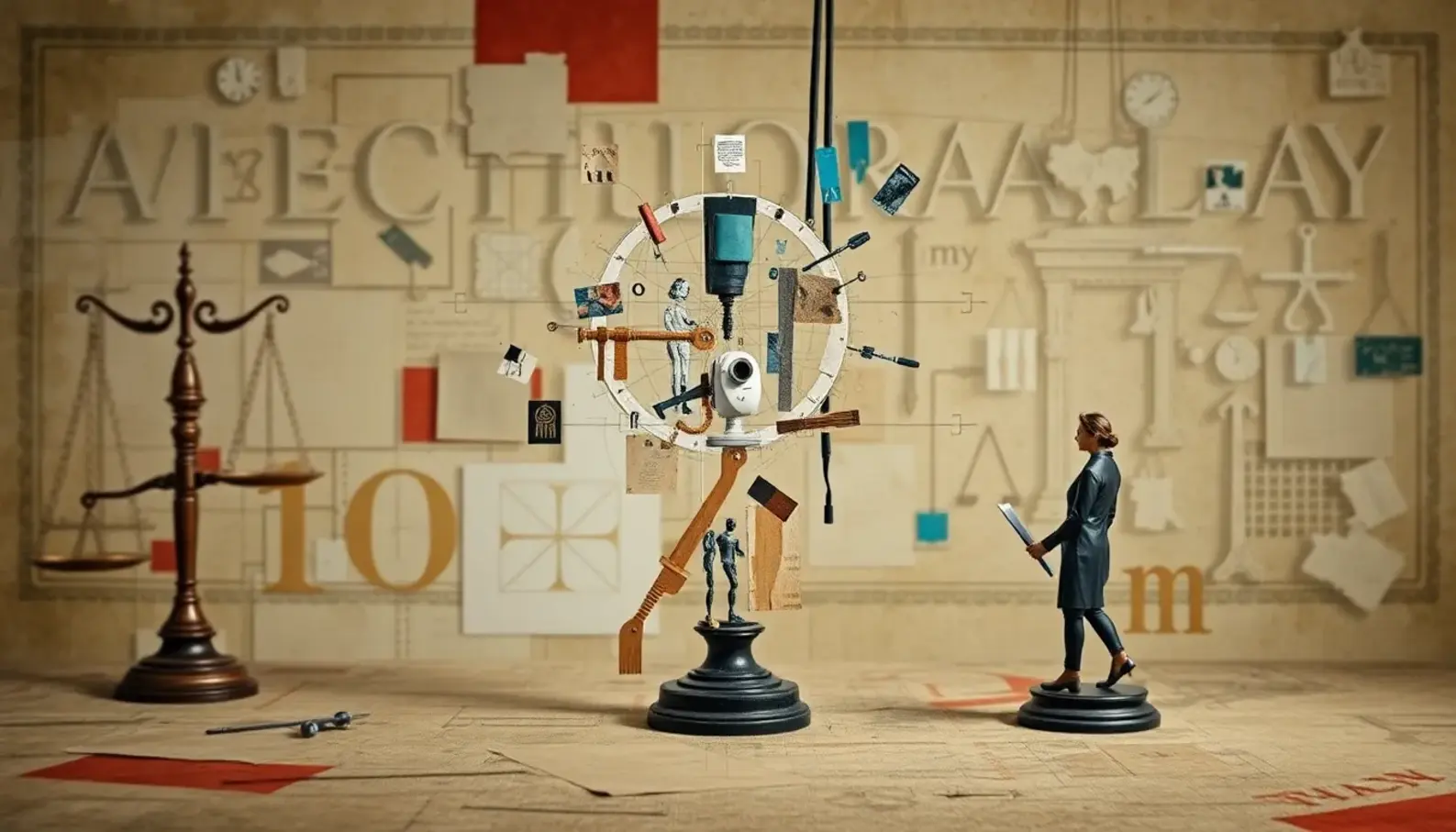
The landscape of artistic creation is being rapidly reshaped by artificial intelligence, provoking complex ethical debates. One of the foremost questions in the realm of AI art is that of authorship. If an AI system generates a piece of artwork, who rightfully owns it? Is it the developer who created the algorithm, the person who provided the input, or does the machine itself hold some form of creative authorship?
Attempts to answer these questions inevitably lead to discussions on the nature of creativity and originality. By its design, AI often works by analyzing a vast corpus of existing human-created art to learn patterns and styles. In doing so, it blurs the lines between inspiration and reproduction, raising questions about the originality of its outputs. For instance, if an AI model creates a painting that resembles the oeuvre of a human artist without directly copying it, is it merely pastiche, or is it an original work?
The implications for copyright law are profound and still evolving. Current intellectual property laws are ill-equipped to deal with the nuances of AI-generated art. Traditionally, copyright is granted to the ‘author’ or ‘creator’ of a work, usually a human being. However, when a machine is involved in the creation process, courts and lawmakers are faced with a challenging task of determining rightful ownership.
Some argue that AI-generated works should fall into the public domain, asserting that without human creatorship, these pieces do not qualify for traditional copyright protection. Others suggest that ownership should vest in the entity or individual who orchestrates the creative process, equating it to a director’s role in film. Still, there’s a third viewpoint, advocating for the developers who create the AI systems to hold these rights, given they build the frameworks that make creation possible.
To further complicate matters, the moral rights of human artists are also at stake. These rights, which include the ability to assert authorship and protect work from derogatory treatment, are not easily transferrable to AI-generated works. When an AI model learns and reproduces an artist’s style, it raises concerns of appropriation without accreditation, potentially diminishing the cultural capital of the original artist.
Various artists have expressed divergent views on AI’s impact. Some embrace the technology as an emancipatory tool, enabling new forms of expression and collaboration. They see AI as an extension of their artistic practice, much like a brush or camera. Others worry about the erosion of artistic identity, fearing a future where human expression is overshadowed by algorithmic outputs. For these artists, AI challenges the very essence of what it means to be a creator.
Cultural perspectives also shape the discussion on AI in the arts. In societies where collective ownership of ideas is more prevalent, AI-generated art might be more readily accepted as communal rather than individual. In contrast, cultures with a strong focus on individual achievement may resist machine contributions being equated with human artistry.
From a socio-political standpoint, the accessibility of AI tools could democratize art creation, allowing wider participation in the arts by those previously marginalized. However, it could also exacerbate existing inequalities if these tools remain controlled by a handful of technology companies, echoing fears of monopolistic practices in other sectors.
In examining these perspectives, it’s vital to align our approaches with ethical considerations and inclusive practices. As the field continues to evolve, discussions will need to remain dynamic, inclusive, and above all, human-centric. Artists, lawmakers, and technologists must collaborate to navigate the moral and legal landscapes of this burgeoning canvas. For more nuanced discussions on AI ethics relevant across industries, visit Generative AI and Ethics.
Final words
AI is redefining the creative arts, presenting artists with an array of opportunities to experiment and innovate. This evolution invites each creator to forge a unique path, blending technology with the essence of human artistry. Amidst the debates surrounding ethics and authorship, one thing is clear: creativity knows no bounds in the world where art and artificial intelligence coexist harmoniously.
Explore AI-Generated Art and Music
Learn more: innoupdates.com
About us
AI Creative Tools: Discover innovative AI-driven tools designed to enhance your artistic process, inspire creativity, and push the boundaries of traditional art forms.