Managing a remote team successfully hinges on collaboration, communication, and trust. Today’s digital workplaces demand adaptive strategies that empower teams to thrive independently while fostering a sense of unity. Managers face unique challenges in motivating teams that they may rarely see in person, while remote employees seek connection and recognition from their leaders. Understanding how to navigate this landscape can lead to higher productivity and job satisfaction, providing a competitive edge in a rapidly evolving work environment.
Building a Strong Foundation for Remote Teams
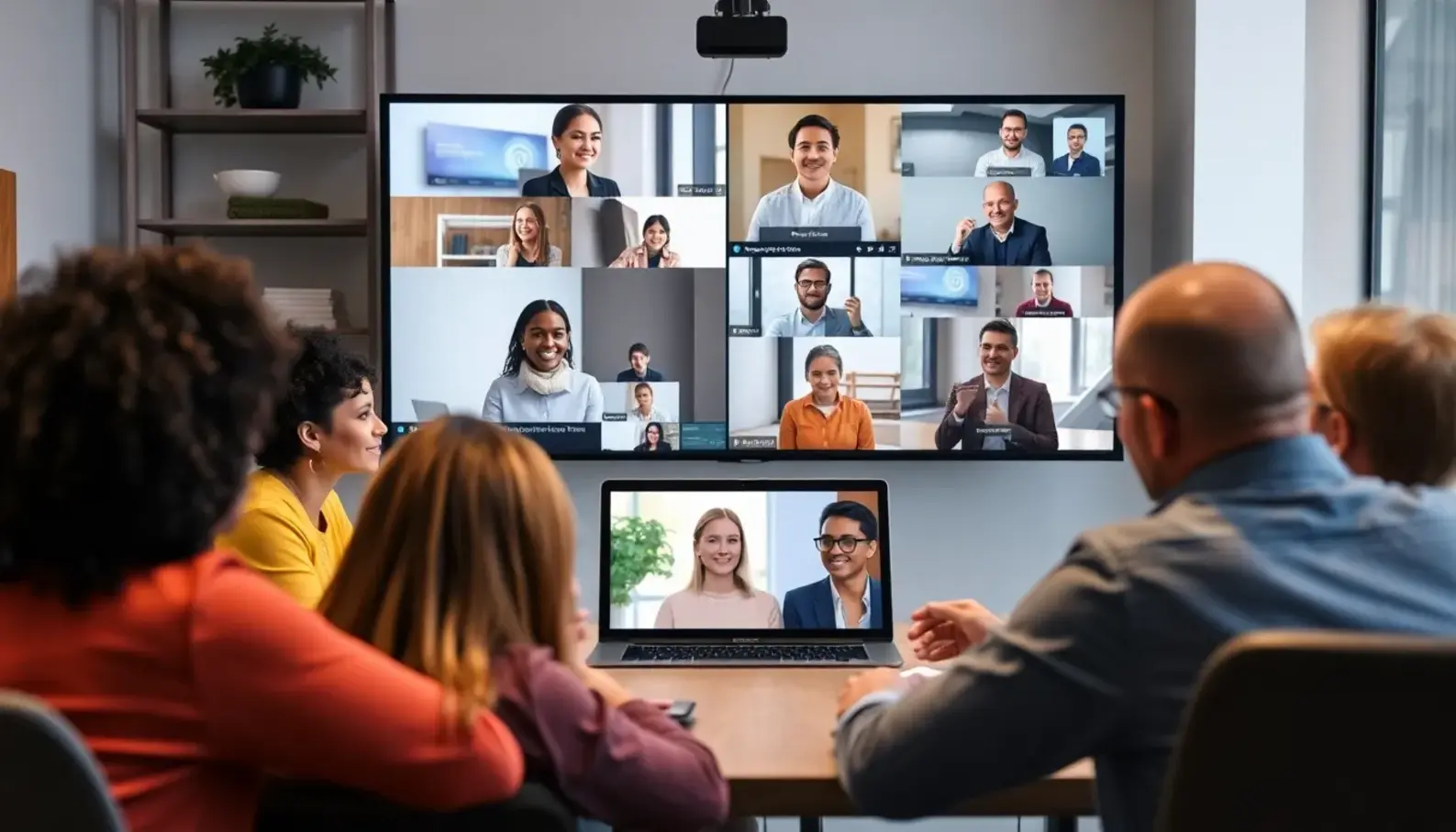
Creating a robust foundation for remote teams involves understanding and adapting to the unique dynamics of virtual work environments. The essence of successful remote team management is establishing effective communication channels. Communication should be seamless, consistent, and inclusive to ensure all team members remain connected and informed. Asynchronous communication tools are valuable, allowing team members to contribute from different time zones without disruption. However, synchronous methods like video calls are crucial for building camaraderie and facilitating decision-making processes.
Fostering trust among remote team members is fundamental. Trust acts as the backbone of collaboration and is pivotal in overcoming geographical and cultural barriers. Managers can nurture trust by demonstrating reliability and transparency. Regular check-ins, open-door policies, and honest conversations about challenges and expectations fortify this trust. Encouraging team members to share their personal stories and challenges can also humanize the digital workspace, creating a sense of community and belonging.
The role of technology cannot be overstated when it comes to enabling collaboration. A well-selected blend of collaborative platforms, project management tools, and communication applications can significantly enhance productivity. However, it’s essential to avoid tool overload, which can lead to confusion and inefficiency. Teams should have access to training resources to use these technologies effectively, ensuring they add value rather than complexity.
Setting clear goals is another cornerstone of strong remote teams. Defined objectives align team efforts and keep everyone moving in the same direction. These goals should be SMART—Specific, Measurable, Achievable, Relevant, and Time-bound—to provide a precise roadmap for success. Regularly revisiting and adjusting these objectives based on feedback and evolving circumstances is a powerful strategy for maintaining momentum and relevance.
Establishing team norms is equally important. These guidelines govern how team members interact, collaborate, and resolve conflicts. Norms should be co-created with input from all team members, ensuring ownership and adherence. They can cover meeting protocols, email response times, work hours, and more, catering to the unique needs of each team.
Facilitating regular feedback is essential for continuous improvement and engagement. A structured process for feedback encourages open dialogue and helps identify areas for growth. Feedback loops should be bidirectional; managers and employees alike should feel empowered to offer constructive insights. One-on-one meetings, team retrospectives, and anonymous surveys can all contribute to a comprehensive feedback strategy.
Building a culture that supports and values remote employees involves recognizing and celebrating achievements. Regular recognition programs, virtual coffee breaks, and team-building activities can heighten engagement and reinforce a sense of belonging. Ensuring that employees feel appreciated and their contributions recognized is crucial for morale and motivation.
To delve deeper into how technology can further enhance remote work systems and collaboration, explore the insights provided in this AI in HR Strategies article. By embedding advanced AI and HR strategies, managers can offer smarter, more personalized remote work experiences.
Overall, mastering remote team management is about creating an environment where communication, trust, and technology come together to support clear goals and effective collaboration. Managers play a pivotal role in shaping a culture that values engagement and recognizes the unique contributions of each team member in the remote setting.
Enhancing Employee Engagement and Productivity

Engagement and productivity are the backbone of any successful remote team. As managers strive to maintain a high-performing virtual workforce, they must focus on techniques that cultivate both of these aspects in harmony. Although remote work presents unique challenges, it also offers opportunities for innovative management approaches that were not feasible in traditional office settings.
Recognition as a Tool for Engagement
One of the most impactful methods for enhancing employee engagement is through recognition. Employees who feel valued are more likely to be motivated and productive. Managers can establish a culture of acknowledgement by regularly celebrating both small victories and major milestones. This could be done through virtual award ceremonies, personal thank-you notes, or weekly shout-outs during team meetings. Such gestures demonstrate appreciation and reinforce a sense of belonging.
Regular recognition encourages employees to take initiative and align their personal goals with those of the organization. It is essential for managers to ensure that recognition is genuine and specific, as generic praise can feel insincere. When employees understand the impact of their contributions, it boosts their morale and fosters a deeper connection to their work.
Organizing Effective Team-Building Activities
Virtual team-building activities are another critical aspect of fostering engagement within remote teams. These activities should be designed to bridge the physical distance and build camaraderie among team members. Creative approaches, such as virtual escape rooms, online trivia sessions, or shared wellness challenges, can help create a sense of community.
It’s important to tailor these activities to the interests and preferences of team members. Engaging in regular team-building exercises not only strengthens interpersonal relationships but also enhances communication and collaboration skills. By making these activities a regular part of the work routine, managers can break the monotony of remote work and make the virtual office a vibrant, lively place.
Creating Opportunities for Professional Development
Professional development is key to keeping employees engaged and productive. Providing opportunities for skill enhancement and career advancement fosters a growth mindset. Managers can facilitate online courses, workshops, and mentorship programs to help employees pursue their professional goals.
In addition, creating pathways for career progression within the organization encourages employees to stay committed and actively contribute to long-term objectives. Regular feedback sessions where employees discuss their career aspirations can help managers align development opportunities with individual and organizational needs.
Prioritizing Work-Life Balance and Flexible Schedules
Maintaining a balanced work-life dynamic is crucial in a remote work setting. Managers should encourage employees to set boundaries between their personal and professional lives. Implementing flexible work schedules allows employees to manage their time according to their personal needs, reducing burnout and stress.
Empowering employees to choose their work hours increases satisfaction and productivity, as they can work during their peak performance periods. Organizational policies should promote taking regular breaks to ensure employees recharge and maintain mental well-being.
Using Productivity Tools to Manage Time and Workload
The right productivity tools can immensely support employees in managing their tasks and time effectively. These tools should enable individuals and teams to organize their workload, track progress, and collaborate efficiently. Visual planning boards, task management software, and time-tracking applications can help employees remain focused and accountable.
Managers must consider the diverse needs of the team and avoid overwhelming employees with too many tools. Instead, they should focus on selecting a few effectively-integrated solutions that seamlessly fit into the existing workflow. Training and resources should be provided to ensure team members can maximize the benefits of these tools.
Utilizing technology wisely can enhance team efficiency and streamline processes, fostering an environment where productivity can thrive without added stress. Tools that are intuitive and user-friendly allow employees to optimize their work routines, creating more time for innovative thinking and strategic tasks.
In conclusion, enhancing engagement and productivity among remote employees requires a balanced approach that combines recognition, team-building, professional development opportunities, and sound management of work-life boundaries. Implementing these strategies ensures that remote teams remain cohesive, motivated, and aligned with organizational goals. Managers who embrace these innovative approaches are more likely to lead successful and resilient remote teams.
For more innovative strategies in enhancing human resources processes, visit AI in HR Strategies, which explores how technological advancements are reshaping people management.
Final words
Effective remote team management requires a commitment to fostering communication, engagement, and productivity among team members. By establishing clear practices and using the right tools, managers can support their teams in achieving success, regardless of physical distance. Embracing these practices not only benefits individual employees but also strengthens the overall organization.
Improve Remote Team Collaboration
Learn more: innoupdates.com
About us
Remote Team Management Software provides integrated solutions for managing remote teams efficiently. Our platform offers tools for communication, project management, and collaboration, ensuring your team stays productive and engaged, no matter where they are.