
The integration of artificial intelligence (AI) in retail is reshaping customer interactions and business strategies. From personalized shopping experiences to streamlined inventory management, AI is proving to be an invaluable asset in the retail sector. Administrators must understand how to harness these technologies to meet customer expectations while investors are keen on identifying where their resources can bring the highest returns. This article delves into the current state of AI in retail experience support and examines how these innovations can drive efficiency and profitability.
AI-Powered Personalization: Tailoring Experiences
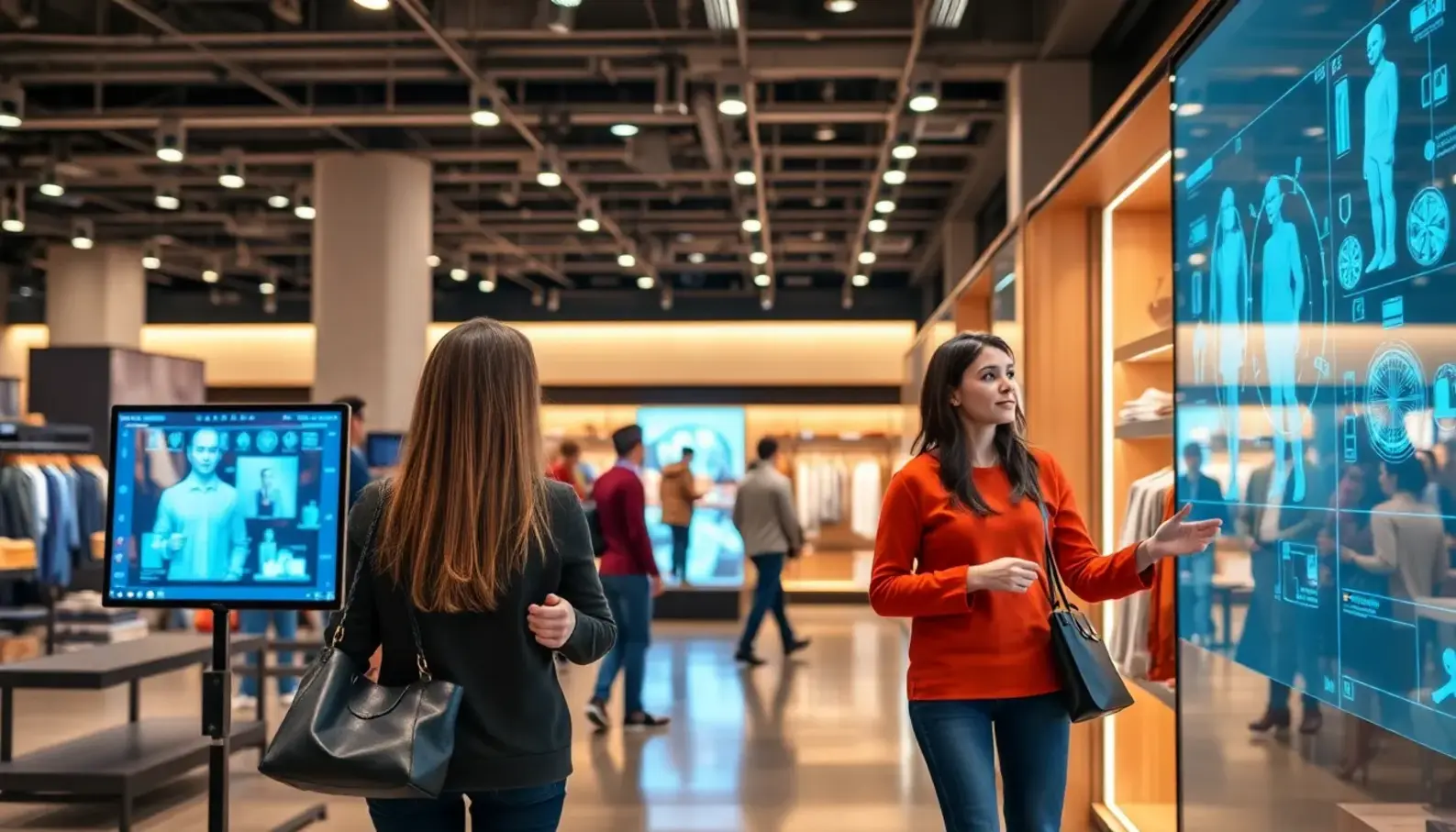
Artificial Intelligence is revolutionizing the way retailers understand and interact with their customers. By leveraging AI technologies, businesses are now able to deliver highly personalized shopping experiences. These transformative capabilities are underpinned by the sophisticated use of data analytics, machine learning, and granular customer insights.
At the heart of AI-powered personalization is data analytics, which enables the aggregation and analysis of customer data from various touchpoints. Data analytics tools assist in creating comprehensive customer profiles by drawing information from web interactions, purchase history, social media behavior, and even feedback systems. These rich data sources allow AI systems to identify patterns and preferences that might be invisible to human analysts.
Machine learning algorithms further enhance this capability by continuously learning from new data. For example, a machine learning model can predict future purchasing behaviors by analyzing historical data patterns within an extensive customer dataset. This predictive capability is crucial for anticipating customer needs even before they express them, thus creating opportunities for creating more engaging and satisfying customer interactions.
Customer insights, which go beyond raw data, come from interpreting this information to understand the “why” behind customer behaviors. AI systems can process and analyze these insights to refine their interaction strategies. Whether suggesting products, tailoring marketing messages, or optimizing inventory levels, AI draws on these insights to align offerings with customer expectations.
Anticipating Customer Needs
AI thrives in environments where it can anticipate what customers might need or want next. Recommendation systems are perhaps the most recognizable applications of this capability in retail. These systems harness collaborative filtering, content-based filtering, or hybrid models to suggest products tailored to individual preferences. By predicting what a customer might be interested in, AI enhances decision-making and reduces shopping friction.
Additionally, AI chatbots and virtual assistants use natural language processing to engage customers conversationally. These digital companions provide real-time support, answer queries, and make personalized recommendations. They can also provide logistical details such as delivery times and stock levels based on real-time data analysis. Importantly, these systems learn with each interaction, refining their responses and improving customer satisfaction.
AI can also be employed for dynamic pricing strategies, adjusting prices based on market demand, customer behavior, and competitor analysis. This allows retailers to optimize pricing in real-time, maximizing revenue while ensuring that customers receive value.
Driving Engagement and Loyalty
By tailoring experiences to individual preferences, AI fosters customer engagement and loyalty. Personalized experiences resonate more deeply with customers, making them feel understood and valued. Moreover, when customers receive personalized communication and offers, their connection with the brand strengthens, prompting repeat purchases and long-term loyalty.
AI’s ability to provide insights into customer sentiment through sentiment analysis is another vital tool in this context. By analyzing customer feedback and social media mentions, retailers can gauge public perception and adjust their strategies accordingly. This responsiveness builds trust and demonstrates commitment to customer satisfaction, key drivers of brand loyalty.
Moreover, gamification strategies enabled by AI can boost engagement. By incorporating personalized rewards systems and interactive features tailored to individual user preferences, retailers create an immersive shopping experience. These innovative approaches encourage customers to spend more time interacting with the brand, enhancing brand recall and loyalty over time.
Retailers investing in AI for personalization are effectively equipped to enhance customer experiences. This powerful tool not only transforms interactions but redefines retail as a more predictive, responsive, and customer-centric domain.
For further insights on how AI is transforming various industries, explore this discussion on AI’s role in business growth.
Streamlining Operations: AI in Inventory Management
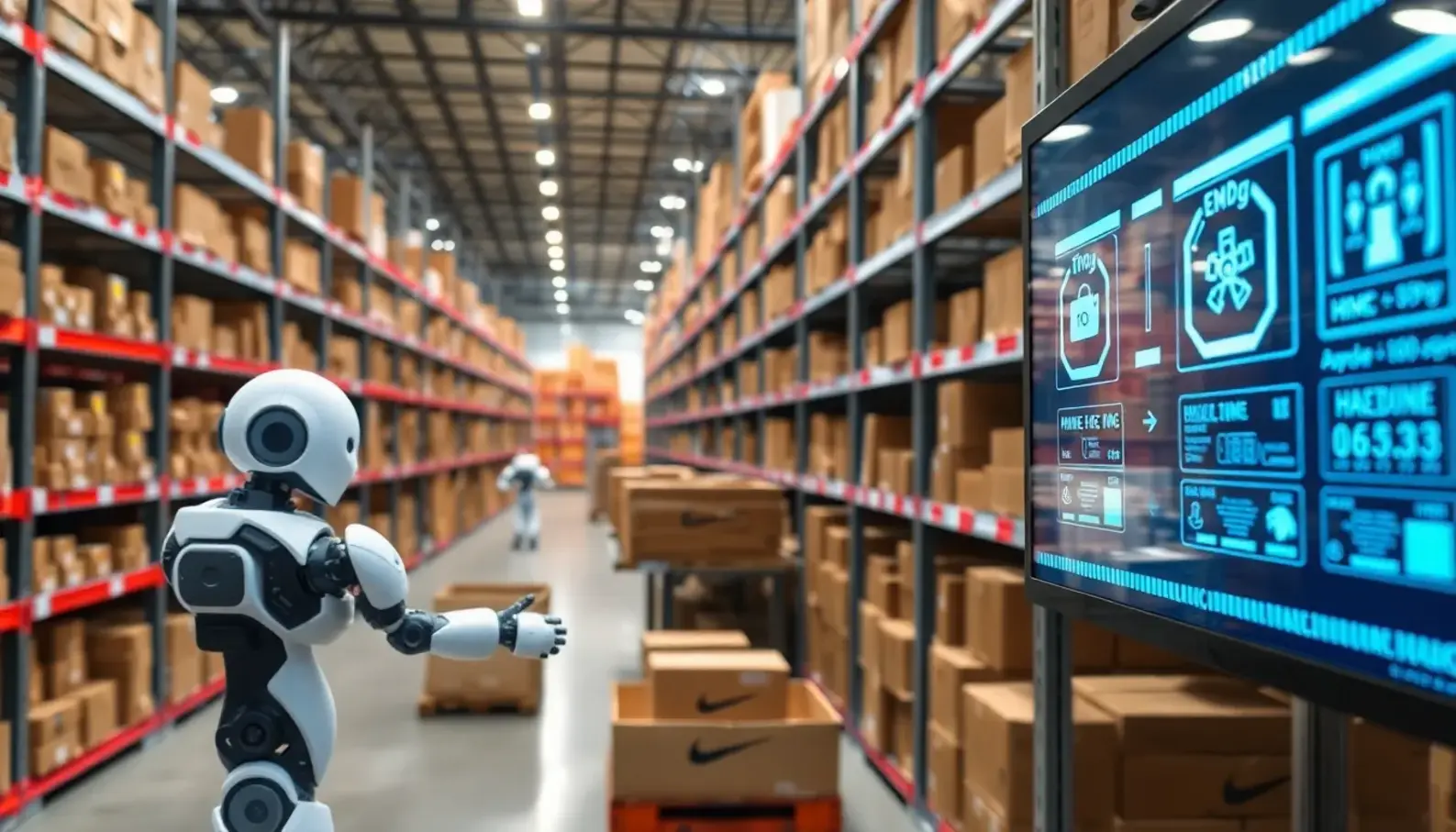
Artificial intelligence has revolutionized inventory management in the retail sector by introducing unprecedented efficiencies and cost-saving measures. By leveraging predictive analytics, retailers can refine their inventory strategies, ensuring that stock levels are optimized to meet consumer demand while minimizing overhead. This allows for intelligent decision-making that is supported by data-driven insights, reducing the likelihood of stockouts or overstocking.
Inventory management traditionally relied on historical sales data, intuition, and periodic audits to gauge stock needs. However, this approach often left room for error, leading to either excess inventory or missed sales opportunities due to inadequate stock levels. AI disrupts this cycle by providing a layer of sophistication through predictive analytics. By analyzing trends, sales patterns, and even external factors such as seasonality and market conditions, AI can forecast demand with greater accuracy than traditional methods.
Operational Efficiencies
The integration of AI into inventory management optimizes various operational processes. One of the critical advantages is the automation of stock monitoring. AI tools can constantly track inventory levels in real-time, immediately identifying discrepancies between the expected and actual stock. This real-time insight allows for rapid adjustments, thus maintaining optimal stock levels and improving overall warehouse management.
Moreover, AI systems can predict when certain products will likely reach critical stock levels, necessitating restocking. These predictions inform timing for reorders, ensuring the continuous availability of products without incurring additional holding costs. By automating these processes, retail businesses minimize human error and free up staff to focus on strategic tasks that require human oversight.
Reducing Costs
Cost reduction is another significant benefit of employing AI in inventory management. Efficient inventory control helps prevent overstock situations, which are costly due to tied-up capital and storage expenses. AI minimizes the risks associated with surplus inventory by ensuring that stock levels are closely aligned with projected sales. Furthermore, by reducing the chances of stockouts, retailers can avoid lost sales, which directly impacts revenue.
AI also contributes to cost savings by optimizing supply chain logistics. It can help identify the most efficient routes and transportation methods for inventory restocking, reducing transportation costs and improving turnaround times. This level of optimization in the supply chain further contributes to a leaner, more cost-effective operation.
Enhanced Decision-Making through Predictive Analytics
Predictive analytics, driven by AI, enhances decision-making regarding inventory-related challenges. Retailers can gain insights into customer behavior, identify which products are popular in certain seasons, and adjust their strategies accordingly. These insights enable businesses to tailor their product offerings and marketing strategies, positively affecting sales outcomes.
AI also aids in understanding the complex supply and demand dynamics, helping retailers perform scenario analysis and risk assessment. By being able to predict potential challenges and adjust strategies in advance, businesses can be more proactive rather than reactive.
Case Studies of Successful Implementation
Retailers who have successfully implemented AI-driven inventory management systems report notable improvements. A medium-sized retail chain used AI to optimize its warehouse operations. By evaluating customer purchasing trends and correlating them with regional data, the company maintained optimal inventory levels across its stores. This approach resulted in a 15% reduction in excess stock and a 20% improvement in revenue due to fewer stockouts.
Another example is a clothing retailer that used AI to analyze the impact of fashion trends on demand. The retailer adjusted its inventory in near real-time based on data insights and trends, leading to a 25% increase in sales for targeted products. This data-driven decision-making process offered them a competitive edge in the fast-paced world of fashion.
Incorporating AI into inventory management offers significant improvements for both retailers and investors. For administrators, AI solutions streamline operations, reduce costs, and enhance strategic decision-making. Investors find value in companies implementing these technologies, as they are poised for growth and profitability. By adopting AI, retail businesses can meet consumer demands more effectively and create a robust, future-proof infrastructure. Explore further innovations on AI in business growth.
Final words
AI’s role in enhancing retail experiences cannot be overstated. It provides the necessary tools to engage customers meaningfully and manage operations effectively. As administrators and investors recognize these essential capabilities, they position themselves to capitalize on emerging opportunities.
Sign Up for Webinar
Learn more: https://innoupdates.com
About us
InnoUpdates provides cutting-edge solutions tailored to enhance retail processes through AI integration. Our offerings include AI-driven analytics, personalized shopping experiences, and efficient inventory management systems. Partner with us to leverage technology that elevates your retail strategy and drives customer engagement.