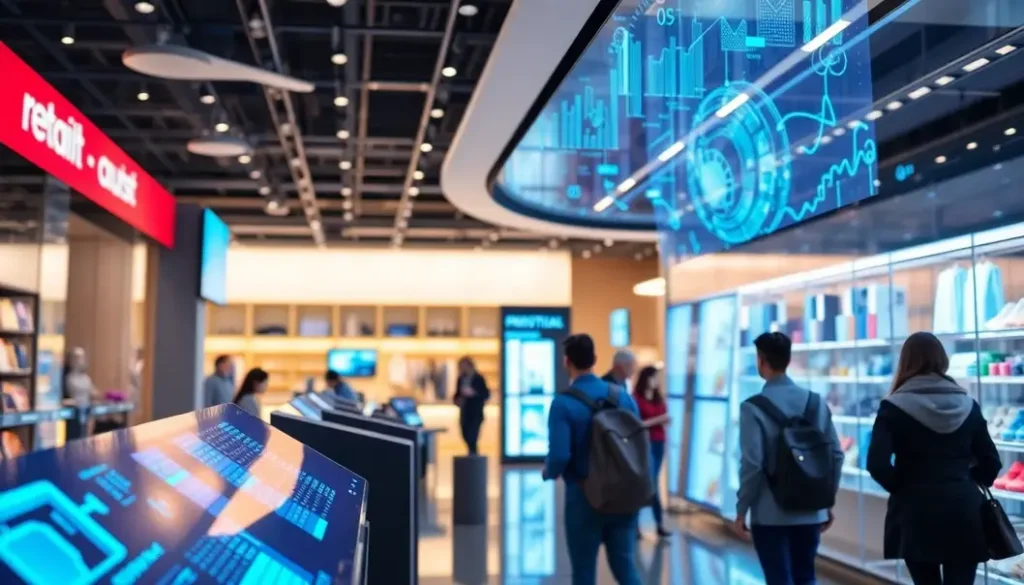
Retail leaders face an increasingly complex environment where consumer preferences shift rapidly. AI-driven experience forecasting offers a vital tool to address these challenges. By leveraging predictive analytics, retailers can anticipate trends, optimize inventory, and personalize customer interactions, thus enhancing overall shopping experiences. For HR managers and consultants, understanding the integration of AI into retail strategies is crucial in shaping the workforce and driving organizational success. This examination reveals how AI can transform retail interactions and help professionals navigate future uncertainties effectively.
Understanding the Role of AI in Retail
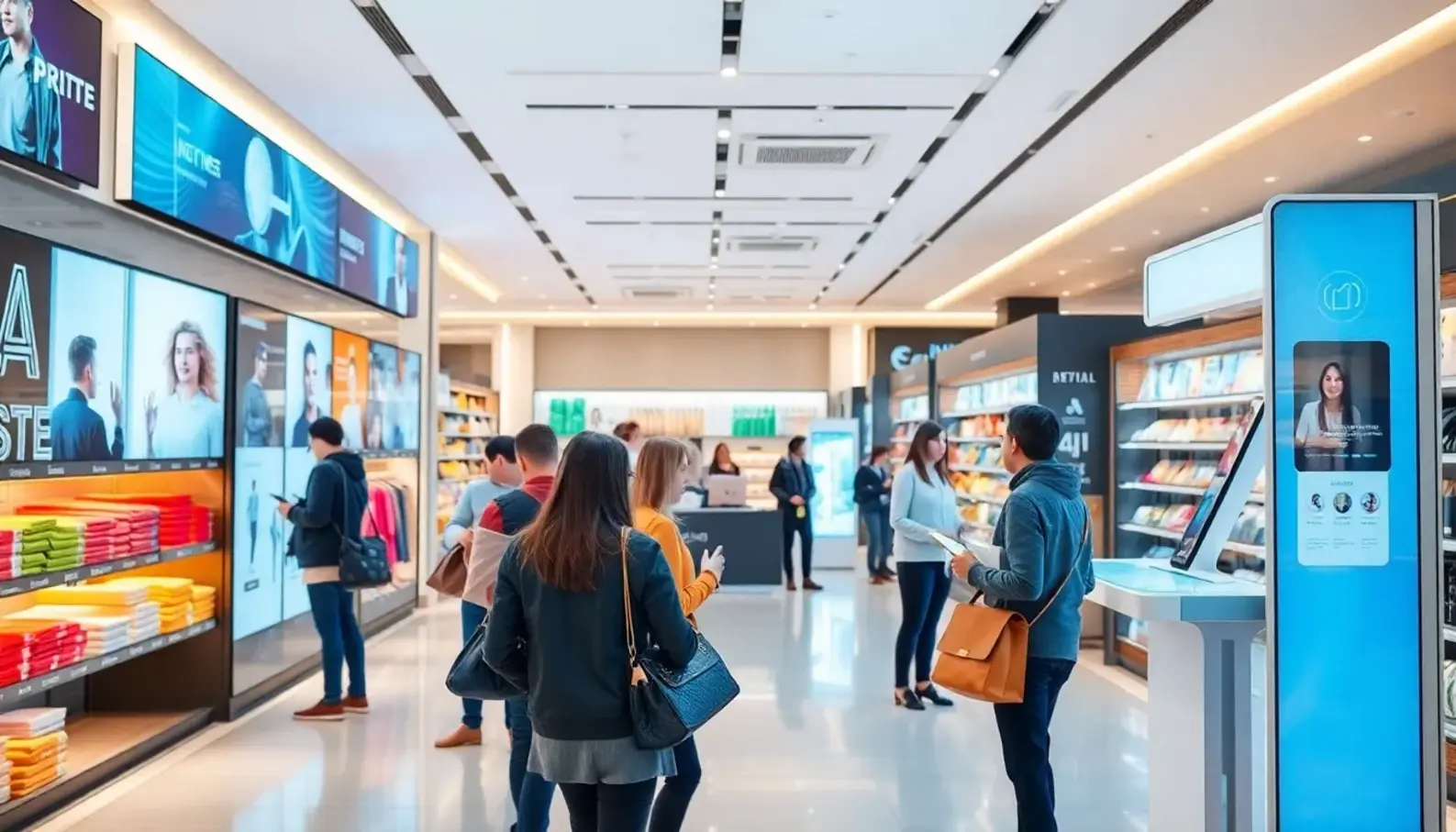
Artificial intelligence revolutionizes the retail sector through its multi-faceted applications, ultimately enhancing decision-making and operational efficiency. At its core, AI leverages machine learning and data analysis to redefine inventory management, deliver deeper consumer insights, and improve sales forecasting. This chapter explores these primary functions of AI, focusing on the sophisticated technologies such as natural language processing, chatbots, and predictive analytics.
Inventory management, traditionally a laborious process, has been revitalized by AI’s ability to learn from historical data and predict future trends. Machine learning algorithms analyze purchasing patterns, seasonality, and other factors, allowing retailers to maintain optimal stock levels, thus reducing both overstock and out-of-stock scenarios. This predictive capability ensures shelves are filled with the right products at the right time, enhancing customer satisfaction and minimizing financial waste.
AI’s role in uncovering consumer insights is equally transformative. Machine learning models process vast datasets from various touchpoints, including online behavior, social media interactions, and purchase history, to generate a nuanced understanding of consumer behavior. By distilling this data into actionable insights, retailers can tailor marketing efforts and personalize shopping experiences, fostering stronger brand loyalty. The capability of AI to analyze sentiments through natural language processing helps retailers understand consumer opinions with remarkable accuracy.
As for sales forecasting, predictive analytics combines historical sales data with external variables like economic indicators and weather conditions. AI enhances the precision of these forecasts, enabling retailers to develop strategies that align closely with probable future demands. These advanced insights lead to better budget allocation and promotional planning, directly impacting bottom-line performance.
The advent of AI technologies such as chatbots further augments the customer experience. These intelligent systems provide real-time assistance, handling inquiries, resolving issues, and even guiding product selections with remarkable efficiency. Harnessing natural language processing, chatbots understand and respond to customer queries with context and relevancy, thus enhancing the shopping experience without human intervention.
Data collection forms the backbone of effective AI applications in retail, making the ethical implications a critical consideration. Retailers must navigate privacy concerns and consumer consent, balancing personalized experiences with respect for individual data rights. Transparency and responsible data practices are paramount to fostering trust among customers.
The integration of AI into retail operations demands significant adjustments within the workforce. HR managers face the challenge of upskilling and reskilling employees to work alongside AI systems. Ongoing training programs need to focus on enhancing digital literacy, analytical skills, and a culture of innovation. In ensuring smooth AI adoption, both workforce engagement and management buy-in are crucial.
Cultural shifts toward embracing AI highlight the necessity for a holistic approach to its implementation. Retail organizations must build a culture that supports innovation while being cognizant of the ethical dimensions involved. This entails encouraging employees to adapt to AI-driven changes and fostering an environment that values both technological and human contributions.
Real-life examples of AI’s impact in retail are abundant. Consider a major global retailer which implemented AI-driven inventory management systems, resulting in a 30% reduction in inventory levels while increasing fulfillment efficiency. Another retailer enhanced customer engagement by deploying AI-based personalization engines, boosting sales conversion rates significantly by providing customers with tailored product recommendations. These success stories underscore AI’s transformative potential in modern retail operations.
For further insights into AI’s profound effects on different sectors, explore this AI in business growth article that ties into the broader landscape of AI-driven advancements.
By understanding the far-reaching capabilities of AI, retailers can better navigate the challenges and leverage these technologies to future-proof their strategies. AI not only redefines retail operations but also propels the sector into a new era of innovation and customer experience excellence.
Enhancing Customer Experience Through AI Forecasting
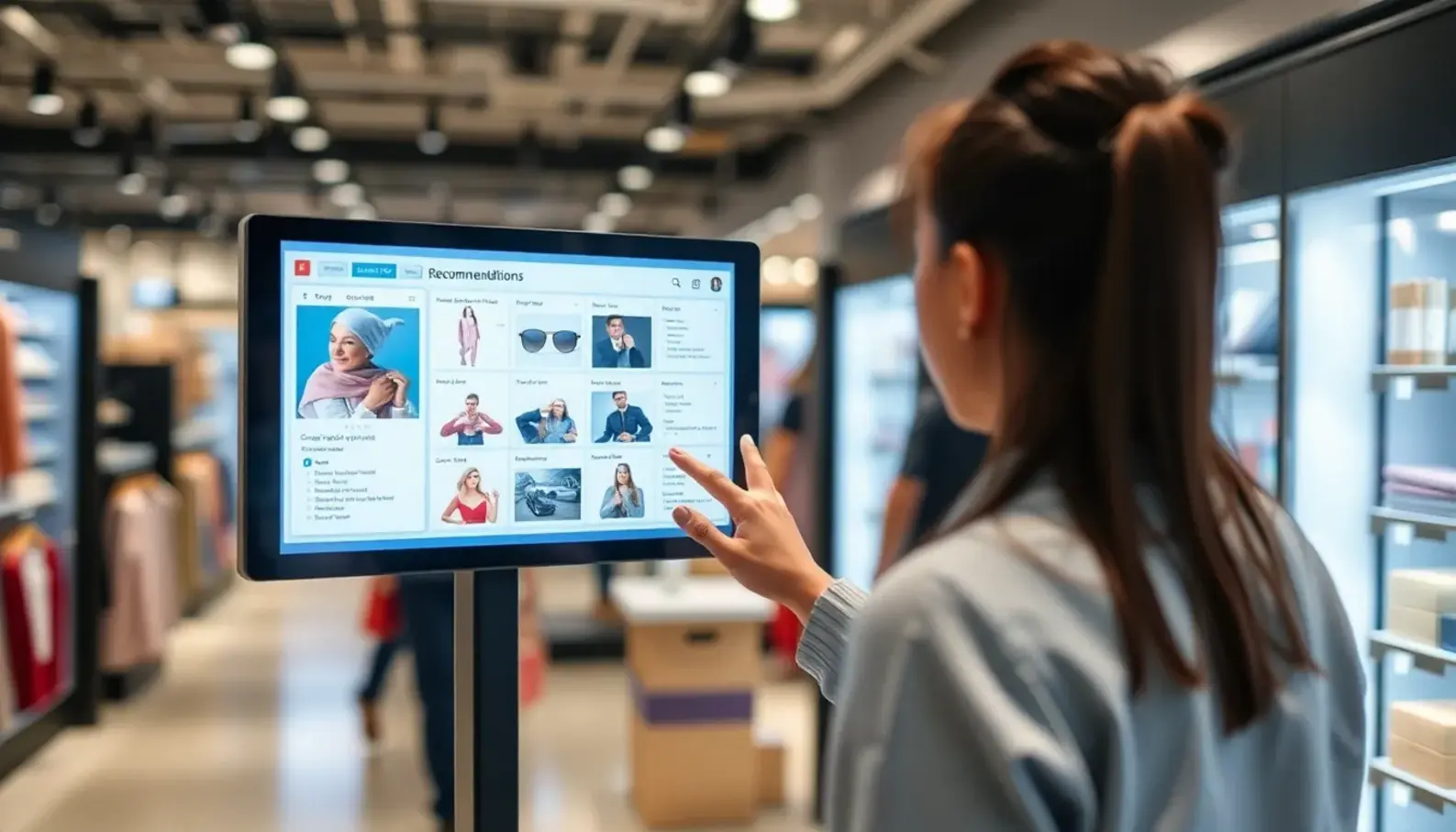
The sweeping capabilities of AI forecasting transform customer experiences in retail by enhancing personalization through advanced data analytics. By analyzing consumer behavior, preferences, and purchasing history, retailers can offer tailored experiences that meet the unique needs of each customer.
Personalization begins with targeted pricing strategies. AI algorithms dynamically adjust prices based on real-time market conditions and consumer data. This method not only aligns with competitive pricing but also considers individual customer’s price sensitivity. The result is a pricing strategy that maximizes customer satisfaction and loyalty while optimizing retailer margins.
Tailored promotions are another cornerstone of personalization powered by AI. Machine learning models analyze historical data to predict which promotions will resonate best with specific consumer segments. Retailers can then customize marketing messages to cater to the preferences of individual customers. This targeted approach ensures that promotional efforts are more effective and efficient, directly increasing conversion rates and enhancing customer engagement.
Customized product recommendations have become synonymous with leading retail experiences. Leveraging AI, retailers analyze patterns in consumer behavior to suggest products that align with their interests and past purchases. By delivering relevant suggestions, personalized recommendations enhance the shopping experience, increasing the likelihood of purchase and fostering customer loyalty.
AI-driven chatbots provide another layer of personalization by offering real-time assistance tailored to customer inquiries. These virtual assistants are trained to understand customer needs and can instantly provide solutions or recommendations, creating a seamless and supportive shopping journey. Chatbots not only reduce wait times but also ensure consistent service quality, ultimately enhancing customer satisfaction.
The effectiveness of AI forecasting hinges on the ethical collection and use of consumer data. Transparency with customers about data usage is crucial. Retailers must ensure compliance with data protection regulations and build trust by communicating how data will be used to improve their shopping experience. Accurate and ethical data collection enhances the precision of AI models, ultimately delivering better tailored services.
Empowering retail teams with customer-centric training is essential in cultivating an AI-friendly culture focused on customer satisfaction. HR managers play a critical role in integrating AI tools into daily operations and ensuring employees understand the value of personalization. Training programs that emphasize empathy, adaptability, and technical skills ensure teams are well-equipped to leverage AI tools effectively.
To foster an environment that embraces AI, HR managers must also prioritize boosting team morale. Positive workplace culture, where employee contributions are valued, encourages innovation and enhances the overall success of AI initiatives. Recognizing and rewarding team efforts in improving customer experiences can motivate personnel to engage deeply with AI systems.
AI’s potential in transforming retail is vast, yet its success depends on strategic implementation and a customer-first mindset. Retailers seeking to understand the broader implications of AI-driven personalization may find relevant insights in exploring AI’s role in marketing strategy advancements here. Engaging with such resources can provide additional perspectives on leveraging AI innovatively within the competitive retail landscape.
Integrating AI Insights into Human Resource Strategies

The integration of AI insights into human resource strategies in retail provides a significant advantage by aligning workforce planning and operational efficiency with consumer demand forecasts. By leveraging predictive analytics, HR managers can optimize workforce allocation, ensuring that retail businesses are staffed appropriately to meet anticipated customer needs.
Predictive analytics allows HR teams to anticipate staffing requirements based on seasonality, promotional activities, and market trends, thereby aligning employee availability with peak shopping periods. This data-driven approach not only enhances operational efficiency but also minimizes costs associated with overstaffing or understaffing. Furthermore, the ability to predict fluctuations in consumer behavior allows HR managers to plan for contingent staffing needs, offering flexibility without compromising service quality.
Performance management is another area where AI insights prove invaluable. By examining employee performance metrics in conjunction with sales data, retail organizations can identify high-performing individuals and team dynamics. This insight is crucial for developing targeted initiatives that nurture top talent and optimize team performance. Moreover, understanding these dynamics enables HR to craft personalized development plans and incentives, fostering a culture of continuous improvement.
Employee engagement is equally transformed by AI-driven strategies. Through sentiment analysis and feedback evaluation, HR departments can gain real-time insights into employee morale and engagement levels. This enables proactive management of employee satisfaction and the identification of potential issues before they escalate. Tailored engagement initiatives can be developed, aligning employee aspirations with organizational goals, thus ensuring a motivated and committed workforce.
As retail businesses embrace AI technologies, ethical considerations must be at the forefront of workforce management. Transparency in data usage, consent, and privacy are critical concerns. Retailers must establish clear guidelines and ethical standards to ensure the responsible use of AI in HR functions. Open communication with staff regarding how data is collected and utilized reinforces trust and supports a positive organizational culture.
Fostering a learning culture is essential amidst these AI-driven transformations. Training programs focused on AI literacy and technical skills, such as data analysis, are crucial for empowering employees to harness the potential of new technologies. Reskilling initiatives help prepare staff for evolving roles, ensuring they remain relevant and capable in an AI-centric environment.
In the evolving landscape of retail, HR managers must identify the necessary competencies that align with technological advancements. Employees should be encouraged to develop skills in data interpretation, digital communication, and adaptive learning. By equipping staff with these competencies, organizations can ensure a smooth transition to AI-enhanced operations, maintaining a competitive edge.
One can explore more about strategic HR integration in the AI landscape in articles such as those on AI in HR Strategies, which delve into how AI can redefine talent management processes.
In conclusion, the successful integration of AI insights into HR strategies is pivotal for enhancing decision-making in the retail sector. By leveraging predictive analytics, ethical parameters, and fostering a culture of learning, retail businesses can optimize workforce dynamics, ensuring aligned and efficient operational practices. This strategic approach not only boosts business outcomes but also enhances employee satisfaction and retention in an increasingly digital retail environment.
Final words
AI in retail experience forecasting is not merely a technological convenience; it is an essential element that drives both operational excellence and customer satisfaction. As retailers embrace this innovation, HR managers play a pivotal role in aligning workforce capabilities with organizational goals. Adapting to AI integration demands both strategic foresight and a commitment to continuous learning, ensuring teams can thrive in an evolving retail landscape.
Download our comprehensive e-book to deepen your understanding of AI in retail experience forecasting.
Learn more: https://innoupdates.com
About us
Our services provide cutting-edge insights into AI technologies tailored for retail environments. We assist in workforce training and development to ensure your team thrives amidst technological changes. Our consultants guide businesses in implementing AI strategies that enhance customer engagement, optimize operations, and drive profitability.