AI is reshaping the retail landscape, offering innovative solutions that enhance customer experience and streamline operations. As organizations navigate this digital shift, understanding and leveraging AI in retail experience assessment becomes essential. By evaluating customer interactions through advanced algorithms and data analytics, retailers can personalize their offerings and optimize service delivery. This article explores how AI technologies can evaluate the retail experience, drive engagement, and provide insights that fuel strategic decisions.
The Shift Towards AI in Retail
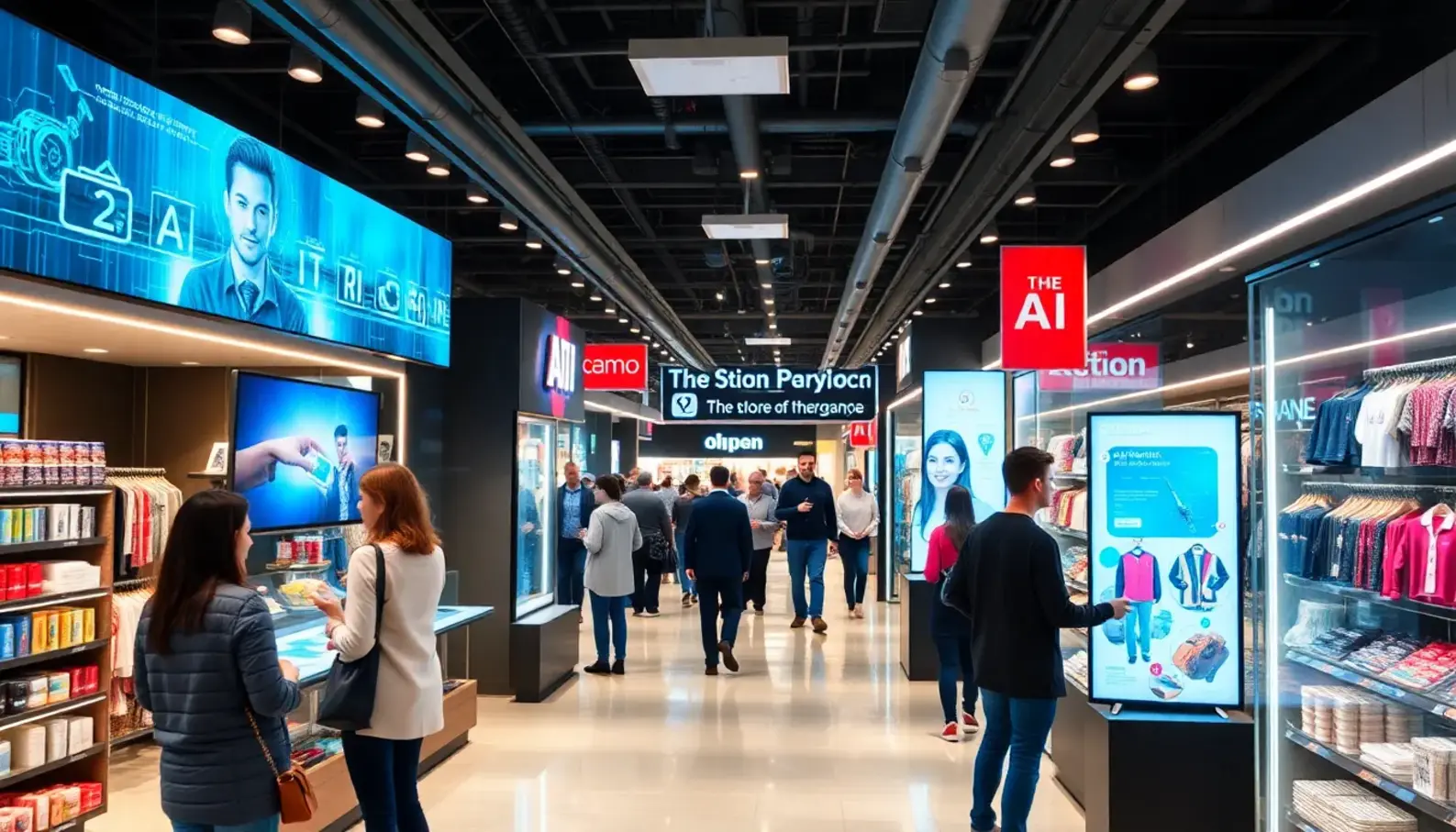
The retail landscape has experienced a profound evolution with the incorporation of AI technologies. As retailers embrace digital transformation, AI’s role has shifted from a futuristic concept to a cornerstone of strategic development. Integrating AI into customer experience assessment provides retailers with a competitive edge, enabling them to deliver personalized shopping experiences, optimize inventory management, and leverage predictive analytics.
AI excels in its ability to process vast amounts of data rapidly, thereby enabling retailers to gain insights that were previously unattainable. This, in turn, facilitates the creation of unique, individualized shopping experiences. By analyzing browsing behaviors, purchase histories, and real-time social media sentiment, AI systems can tailor recommendations to suit each customer’s preferences. Retailers can now engage customers with relevant product suggestions, personalized promotions, and improved customer support, enhancing satisfaction and loyalty.
Furthermore, efficient inventory management is critical in retail. AI systems can anticipate demand fluctuations using predictive analytics, which allows for more accurate inventory forecasts. This prevents overstocking or stockouts, reducing costs and enhancing the customer experience. Retailers can minimize waste and optimize supply chains by employing machine learning algorithms that adapt to changing demand patterns, thus maximizing store profitability.
Predictive analytics not only streamline inventory management but also inform strategic decision-making. With AI, retailers can identify emerging trends and shifts in consumer behavior, allowing them to stay ahead of the curve. This insight can guide marketing campaigns, product development, and dynamic pricing models, ensuring that businesses remain agile in a rapidly evolving market.
Several retailers have successfully utilized AI to enhance their operations. For instance, a major department store chain harnessed AI to redesign its online and in-store experiences. By implementing a virtual shopping assistant, customers received product recommendations based on real-time data analysis. The assistant not only improved customer engagement but also fostered increased sales.
Additionally, a global e-commerce giant implemented AI-driven warehouses where robots and humans work collaboratively. This integration streamlined order processing and fulfillment, significantly decreasing delivery times and enhancing customer satisfaction. These case studies demonstrate AI’s transformative potential when strategically aligned with business objectives.
Despite the numerous advantages, integrating AI into retail presents challenges. One significant hurdle is ensuring data privacy and security. Retailers must navigate complex regulatory landscapes while safeguarding customer information. Transparent data governance policies and advanced encryption techniques are paramount to maintaining customer trust.
Another challenge is the cultural shift required to embrace AI technologies. A workforce resistant to change may hinder implementation efforts. Cultivating an innovation-friendly culture is crucial. Retailers must invest in employee training and development programs that encourage experimentation and adaptation to new technologies.
Collaboration between IT specialists, data scientists, and retail professionals is also essential for successful AI integration. Creating cross-functional teams can bridge knowledge gaps and foster an environment where AI-driven solutions are seamlessly implemented.
Finally, ensuring AI systems remain unbiased and fair is vital. Algorithms must be regularly audited to prevent discriminatory outcomes. Retailers should focus on continuous monitoring and refinement of AI technologies to promote ethical practices and equitable customer interactions.
In conclusion, the shift towards AI in retail represents a revolution in how businesses engage with consumers. It offers unparalleled opportunities for personalization, efficiency, and strategic insight. By addressing integration challenges with innovative solutions and fostering a culture open to technological advancement, retailers can unlock AI’s full potential, driving future success and transformation in the industry. For further insights on AI’s impact across various sectors, explore AI in Business Growth.
AI-Driven Metrics for Evaluating Customer Experience
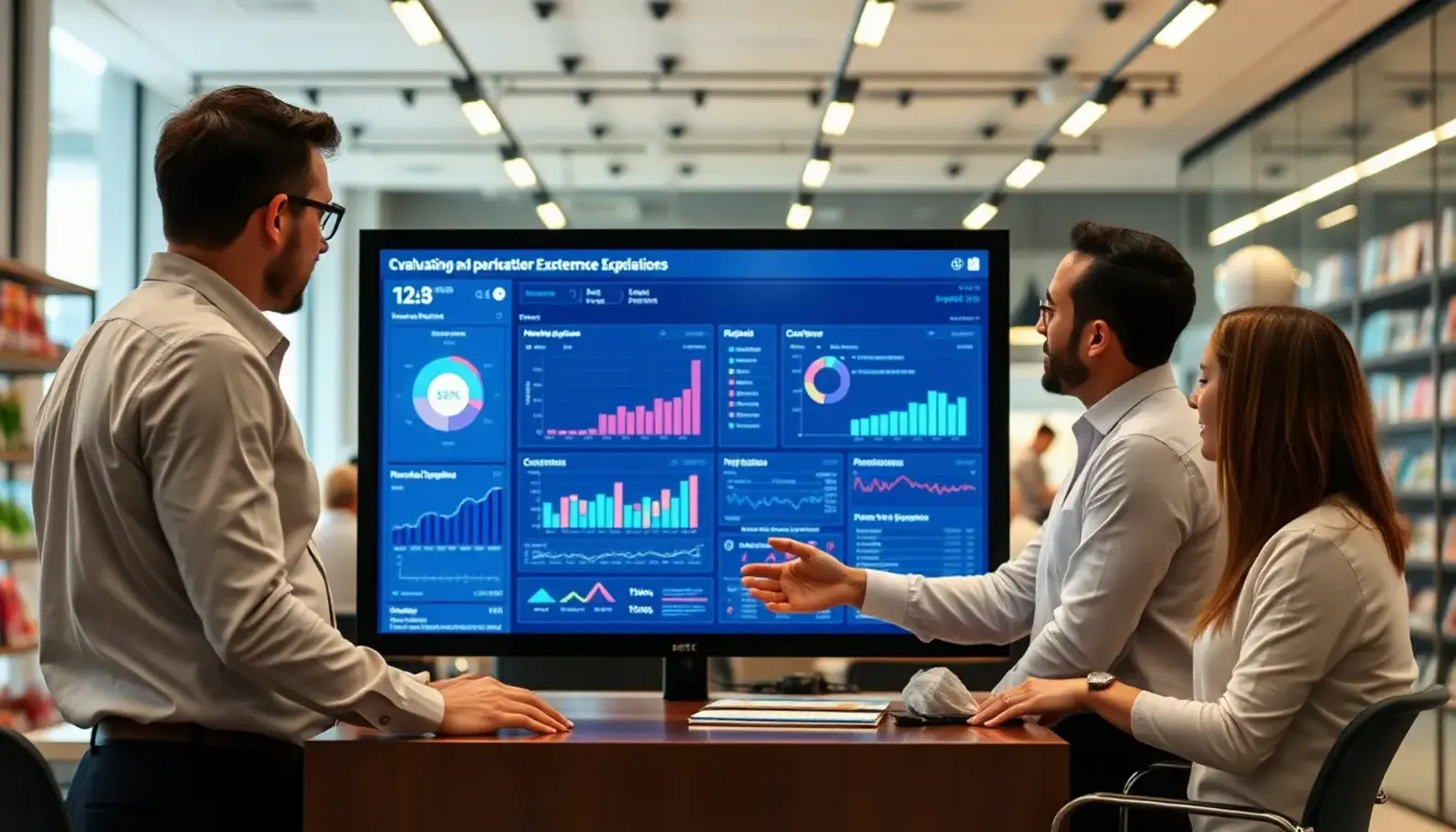
To efficiently assess customer experience, retailers must harness sophisticated AI-driven metrics and analytics tools. These tools enable detailed insights into consumer behavior and preferences, reshaping traditional retail paradigms.
Sentiment Analysis is a pivotal method that allows retailers to gauge consumer attitudes and emotions from textual data such as reviews and social media comments. By utilizing natural language processing (NLP), retailers can classify text data into positive, negative, or neutral sentiments, providing a clear overview of customer satisfaction. Refining this process further, advanced models can recognize nuanced expressions and colloquialisms, capturing the authentic voice of the customer. This capability is invaluable for monitoring brand perception, identifying areas for improvement, and adapting marketing strategies accordingly.
Another effective technique is heat mapping, which visually represents customer interactions within a physical or digital space. In brick-and-mortar setups, sensors track foot traffic, identifying high-engagement zones and overlooked areas. For online platforms, heat maps reveal user engagement patterns such as clicks, scrolls, and cursor movements. This data helps in understanding product placement effectiveness, optimizing store layouts, and enhancing website design for improved user navigation.
Customer Journey Mapping is an analytical approach that tracks the entire lifecycle of a customer’s interaction with a brand. This method involves collecting and analyzing data at various touchpoints from awareness to purchase and post-purchase phases. AI aids in automating this process, identifying pain points and opportunities for enhancement in real-time. By mapping the customer journey, retailers can tailor personalized marketing campaigns and create seamless experiences that align with consumer expectations.
The significance of real-time data processing cannot be overstated in AI-powered retail environments. Instantaneous analysis and feedback loops ensure that retailers can swiftly adapt to shifting consumer dynamics. For instance, a surge in negative sentiment detected through live social media monitoring can prompt immediate corrective actions, preempting a potential public relations crisis. Additionally, real-time data enables dynamic pricing strategies, adjusting prices based on current demand, competitor pricing, and stock levels, optimizing profitability.
Feedback loops are essential for continuous improvement in retail strategies. They involve collecting customer insights through surveys, reviews, or direct interactions and feeding this information back into the operational and strategic planning processes. AI enhances these loops by automating the collection and analysis of feedback, generating actionable insights for product development and customer service enhancements.
Several retailers have successfully implemented AI-driven tools for evaluating customer experience. A renowned global fashion brand has integrated sentiment analysis into its customer feedback system, leading to a 20% improvement in satisfaction scores over a year. Another example involves a major supermarket chain utilizing heat mapping to optimize store layouts, resulting in a 15% increase in customer dwell time and a corresponding boost in sales.
For more insights into leveraging AI for business growth, you can explore AI in Business Growth, which highlights transformative strategies aligning with current technological trends.
To remain competitive, retailers must embrace AI-driven metrics not just for evaluation but as a cornerstone of their strategic planning. By leveraging advanced analytics, real-time data processing, and continuous feedback, businesses can create dynamic, customer-centered retail experiences that foster loyalty and drive growth. Through ongoing innovation, the future of retail will be increasingly defined by how effectively companies can decode and respond to consumer needs using these sophisticated tools.
The Future of Retail: Integrating AI for Enhanced Experience
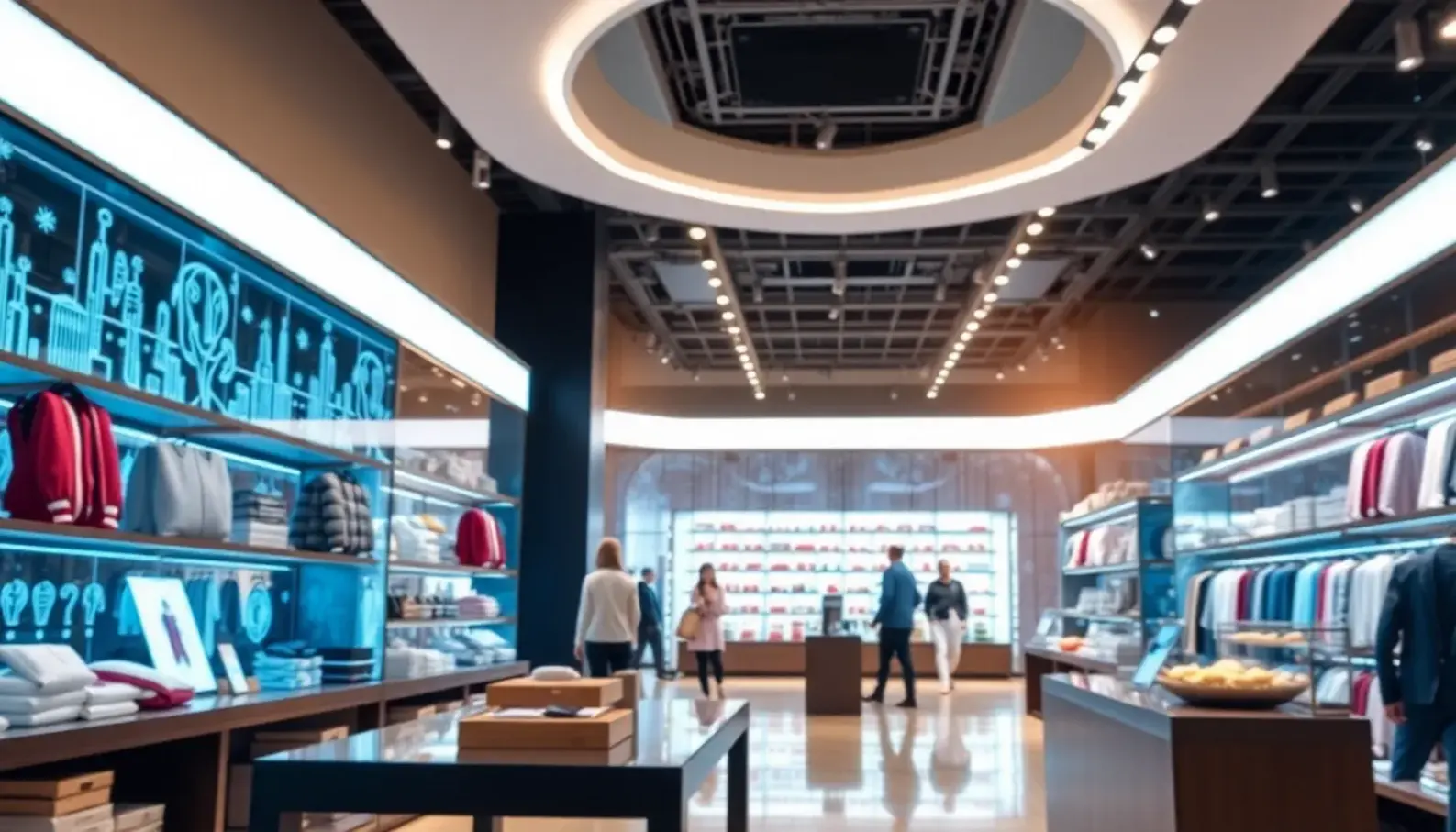
The evolution of AI technologies continues to reshape the retail landscape, heralding a future where customer experiences are more immersive and personalized. As AI systems become more sophisticated, they are not just automating processes but actively transforming how consumers interact with retail environments. These transformations are primarily driven by technologies like augmented reality (AR), machine learning (ML), and the Internet of Things (IoT).
Augmented reality is poised to blur the boundaries between physical and digital retail spaces. Imagine customers trying on clothes virtually through mirrors that overlay garments in real-time. This technology could extend beyond apparel, offering virtual home decor previews that allow consumers to visualize furniture in their homes before purchasing. AR may soon create interactive shopping aisles where product information and reviews materialize at a glance, turning traditional retail layouts into dynamic and engaging experiences.
Machine learning is at the core of personalizing these interactions. Retailers are using ML to analyze vast customer data sets, predicting preferences and tailoring recommendations. This data-driven approach extends to inventory management, where AI ensures popular items are restocked promptly while reducing excess inventory. In addition to enhancing operational efficiency, this degree of personalization enriches customer satisfaction by making shopping experiences more relevant and enjoyable.
The IoT is another cornerstone of this revolution. In future retail environments, every product could be embedded with sensors that communicate with shoppers’ devices. This connectivity would allow consumers to receive personalized promotions when walking through store aisles, based on past purchases and preferences. IoT-enabled smart shelves might even adjust prices in real-time according to demand, creating a highly dynamic retail ecosystem.
Highly personalized environments anticipate not only stated needs but subtle customer inclinations. AI models, trained on behavioral data, will understand the nuances of individual shopping habits. Such environments may greet customers by name, suggest complementary products, or alert them to ongoing promotions suited to their interests. The amalgamation of AI, AR, ML, and IoT ensures a seamless, delightful, and personalized shopping journey.
However, integrating AI into retail brings significant ethical considerations. Ensuring customer data privacy is paramount, as these technologies often require extensive access to personal information. Retailers must prioritize transparent data practices, safeguarding sensitive information against misuse or malicious attacks. Building and maintaining customer trust in AI systems will be crucial. Ensuring AI decisions are not only efficient but also fair and accountable will be vital to engendering confidence among consumers.
Moreover, retailers need to balance personalization with respect for customer autonomy. AI systems should empower consumers with choices rather than dictating their buying decisions. Regulations and industry standards will likely evolve to address these challenges, ensuring ethical AI deployment prioritizes human-centric outcomes.
Customer interactions in retail are on the brink of becoming more intuitive and enriching, ushered in by the technological synergies of AI, AR, ML, and IoT. As these technologies mature, they hold the promise of transforming retail into an intelligently anticipatory environment that caters to individual desires. Successfully navigating the ethical landscape will play a crucial role in ensuring AI’s potential is realized responsibly. For further insights on how human-centric computing might evolve alongside these trends, you might want to explore ambient intelligence and its implications.
Final words
AI is not merely a trend but a cornerstone in shaping the future of retail experiences. By leveraging its capabilities for experience assessment, retailers can foster stronger connections with customers, streamline operations, and adapt to ever-evolving market demands. The integration of AI technologies promises not only enhanced customer satisfaction but also a significant competitive edge, making the exploration of these innovations a vital step for forward-thinking retailers.
Access Case Study
Learn more: https://innoupdates.com
About us
Our company specializes in cutting-edge AI solutions tailored for the retail sector. We provide an array of services ranging from customer experience assessments to predictive analytics, helping retailers harness data-driven insights for strategic advantage. Our innovative tools empower businesses to personalize customer interactions, optimize inventory management, and enhance overall operational efficiencies, paving the way for a future-ready retail experience.