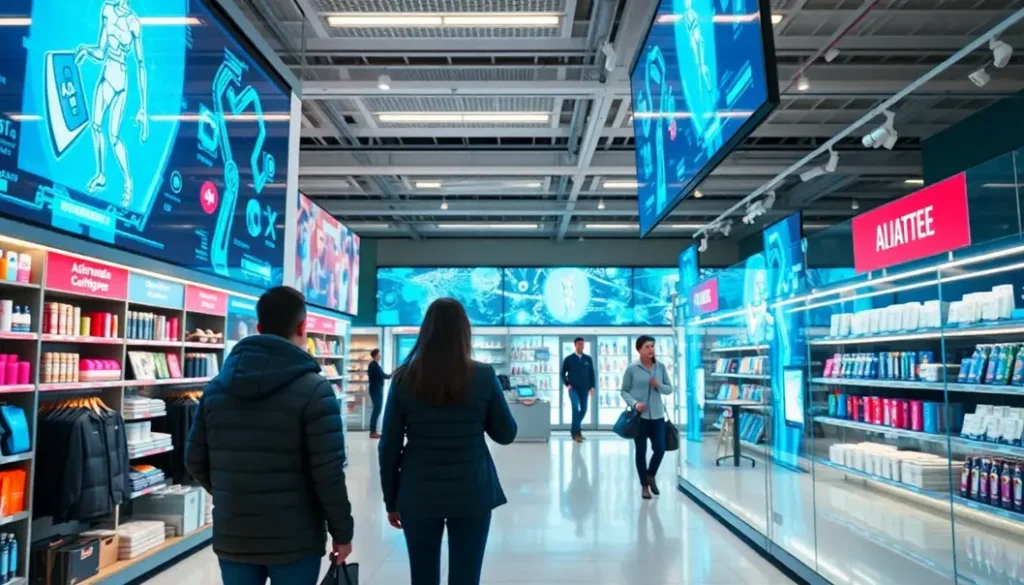
The retail sector is undergoing significant evolution as artificial intelligence (AI) technologies reshape customer interactions and operational workflows. Retailers are increasingly leveraging AI to provide personalized experiences for consumers while streamlining logistics and inventory management. Embracing AI enables businesses to respond to changing market demands, forecast trends, and optimize pricing strategies effectively. As specialists in the field, it is essential to understand the implications of AI integration in retail environments to enhance both customer satisfaction and operational efficiency. This exploration delves into the implementation strategies of AI in retail experiences, grounded in data-driven decision making and innovative technologies.
Understanding AI Technologies in Retail
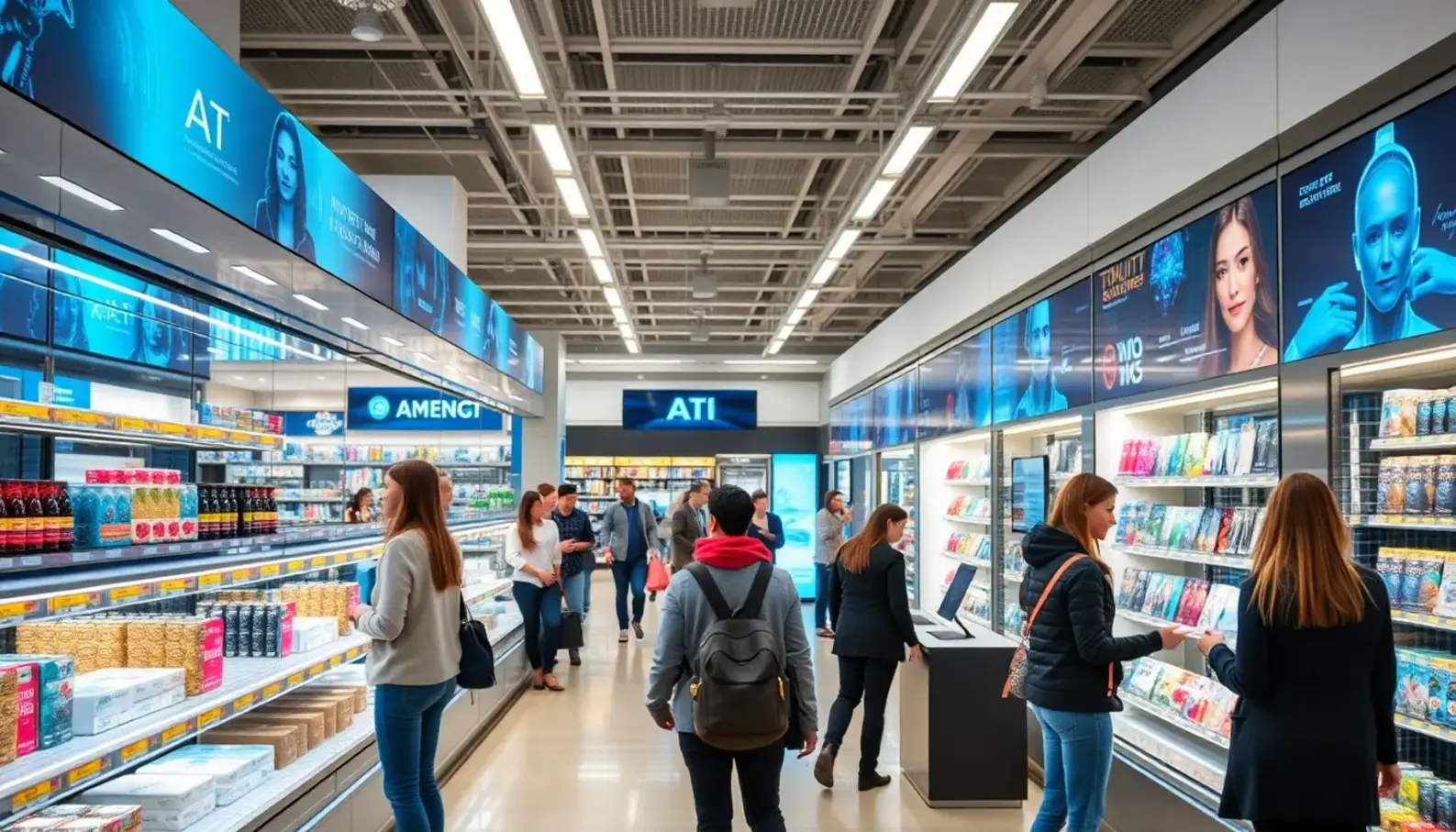
Artificial intelligence technologies are transforming the retail sector, enhancing customer experiences, and streamlining operations. Machine learning, natural language processing (NLP), computer vision, and recommendation algorithms play pivotal roles in this evolution.
Machine Learning:
Machine learning, a subset of AI, enables algorithms to learn from data and improve over time without being explicitly programmed. In retail, machine learning can predict customer behavior, optimize inventory management, and personalize marketing campaigns. For instance, machine learning models analyze historical sales data to forecast future trends, ensuring stock levels align with demand. This technology aids retailers in reducing waste and improving efficiency, contributing to a more sustainable operation.
Through machine learning, retailers can tailor customer experiences on a granular level. By analyzing customer purchase history, preferences, and browsing behavior, machine learning algorithms can suggest products uniquely suited to each customer. These personalized experiences lead to increased customer satisfaction and loyalty, ultimately driving sales growth.
Natural Language Processing (NLP):
NLP allows computers to understand and respond to human language. In the retail landscape, NLP powers chatbots and virtual assistants, enabling seamless customer service experiences. These AI-driven tools can handle inquiries, assist with orders, and provide recommendations, all in real time. This not only reduces the burden on human customer service agents but also ensures customers receive consistent and prompt responses.
Moreover, NLP can analyze customer feedback from reviews and social media, offering retailers valuable insights into customer sentiment. By identifying trends and recurring concerns, companies can proactively address issues, refine products, and enhance marketing strategies. This real-time analysis helps businesses remain agile and responsive to customer needs.
Computer Vision:
Computer vision, another critical AI technology in retail, involves the extraction of meaningful information from images and videos. This technology is essential in applications like automated checkout systems, where cameras recognize products without the need for traditional barcode scanning. The result is a streamlined checkout process, reducing wait times and improving the overall shopping experience.
Security is another domain benefiting from computer vision. AI-powered surveillance systems can detect suspicious activities and prevent theft, ensuring store environments remain safe for both customers and staff. Additionally, computer vision aids in inventory management by automating stock checks and ensuring shelves are optimally stocked.
Recommendation Algorithms:
Recommendation algorithms are designed to analyze customer data and suggest products that align with user preferences. By leveraging machine learning and data analytics, these algorithms evaluate customer behaviors, past purchases, and browsing patterns to present personalized recommendations.
In practice, recommendation engines enhance the online shopping experience by providing a curated list of products. This personalization strategy not only simplifies the shopping experience but also increases the likelihood of customers discovering products they might not have found otherwise. It drives cross-selling and upselling, boosting retail profitability.
Recommendation engines are not limited to online shopping. In physical stores, kiosks equipped with AI can suggest products based on inputs from loyalty programs or mobile devices. This integration blurs the line between online and offline shopping, creating a cohesive retail environment.
Artificial intelligence technologies are indispensable in the modern retail landscape. They offer retailers tools to forge personalized, efficient, and profitable business models. By adopting AI, retailers can expect to not only meet customer demands but also exceed expectations, positioning themselves as leaders in a competitive market.
For further insights into the impacts of AI across various sectors, consider exploring AI in Business Growth, which delves into AI’s transformative potential beyond retail.
Strategic Implementation of AI Solutions

Implementing AI solutions in retail environments requires a structured, thoughtful approach that begins with a comprehensive assessment of current capabilities. It’s essential for retailers to understand their existing technological infrastructure, data availability, and organizational readiness to integrate artificial intelligence effectively. Only with a clear understanding of these factors can meaningful objectives be defined.
To start, retailers should conduct an IT landscape audit. This process involves cataloging current systems, identifying data silos, and assessing network maturity to determine areas suitable for AI deployment. This foundational step enables businesses to pinpoint where AI can generate the most significant impact, whether in enhancing customer engagement or streamlining backend operations.
Once capabilities are assessed, defining clear, measurable objectives becomes the next priority. Goals should align with broader business strategies, aiming to solve specific pain points or enhance particular operations. For instance, if improving customer personalization is the target, leveraging AI to analyze consumer behavior patterns can become a focal point. Setting quantifiable objectives allows for tracking progress and evaluating success over time.
Integration with existing systems can pose challenges but is crucial for seamless AI adoption. To facilitate this, retailers might consider employing middleware solutions that enable communication between disparate systems. These tools can act as bridges, ensuring that new AI applications can leverage data from various sources for comprehensive analysis.
Training staff is a critical component of successful AI integration. Employees should not only be trained on how to use new systems but also educated about the potential changes in workflows and job roles. This empowers staff to adapt to and embrace AI-driven changes, ultimately leading to smoother implementation. Regular training sessions and the creation of cross-functional teams can promote a culture of collaboration and innovation.
Adopting a phased approach to AI implementation can mitigate risks and ensure more effective deployment. Starting with pilot projects allows for controlled testing and iteration of AI solutions before full-scale rollout. These projects should focus on specific areas with the highest potential return on investment, providing valuable insights into the solution’s performance and acceptance among users.
Pilot projects should be closely monitored, with adjustments made based on precise metrics and feedback from stakeholders. This iterative process is strategic in ensuring that AI solutions meet intended goals and are adaptable to real-world operational dynamics. It’s critical not only to collect quantitative metrics but also qualitative feedback from the staff and customers interacting with AI systems.
Continuous optimization is crucial for long-term success. AI projects should evolve based on operational metrics and customer feedback, requiring a strong feedback loop. Regular reviews should be scheduled to assess performance data, identify areas for improvement, and capitalize on opportunities for further enhancements. Retailers can leverage this data-driven approach to refine their AI strategies, ensuring they remain responsive to organizational needs and consumer expectations.
As AI technologies advance, staying informed about emerging trends and innovations is vital. Resources such as AI in Business Growth can provide valuable insights into new applications and best practices in AI deployment. Engaging with such content helps retailers anticipate future challenges and opportunities, equipping them with the knowledge to make informed strategic decisions.
In conclusion, the strategic implementation of AI solutions in retail environments is a dynamic process that demands a thorough understanding of current capabilities, clear objectives, seamless integration, and comprehensive training programs. By adopting a phased approach and committing to continuous optimization, retailers can harness the transformative power of AI to enhance customer engagement and operational efficiency.
Measuring Impact and Continuous Improvement
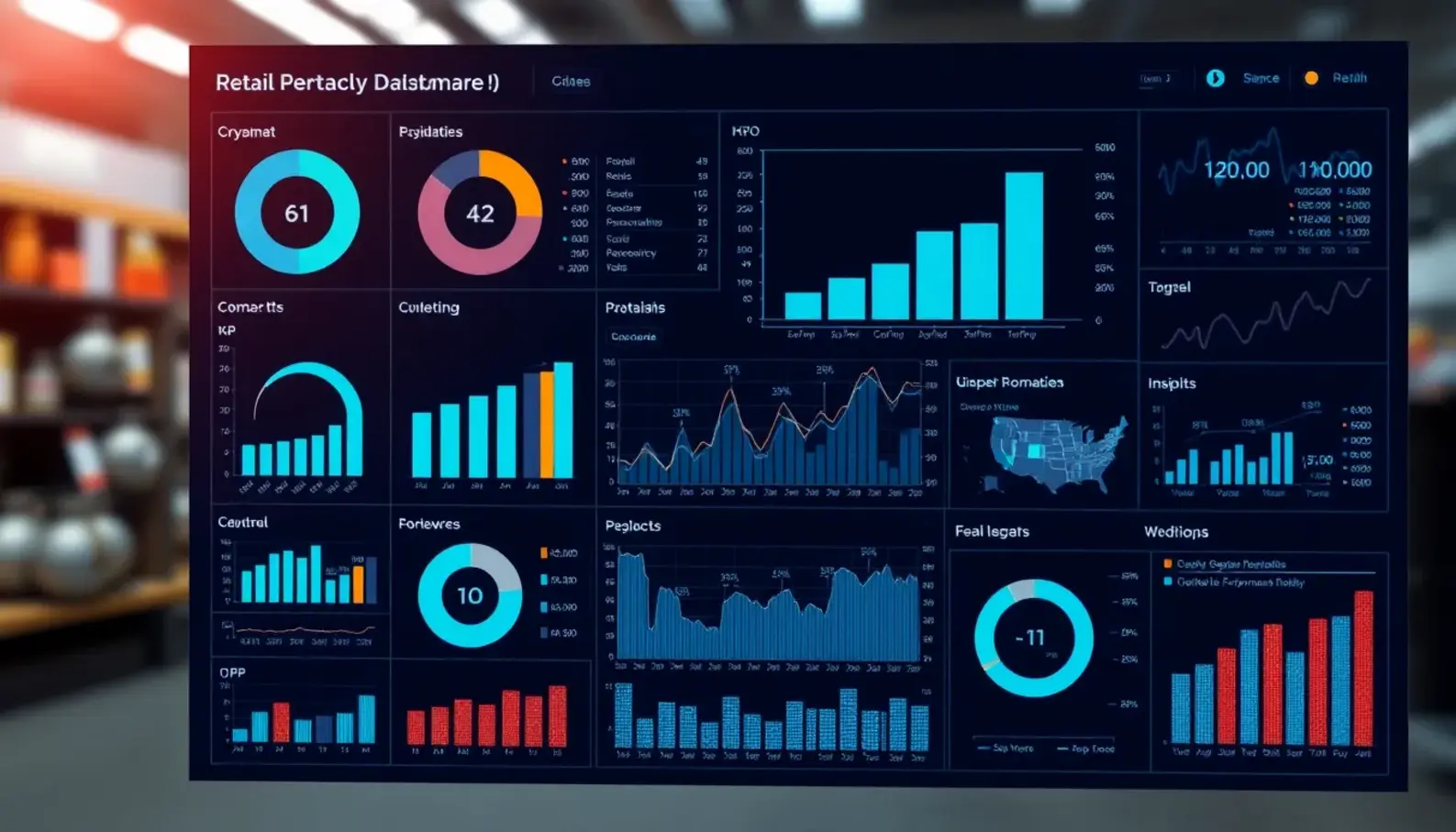
To truly harness the power of AI in retail, the integration must lead to measurable improvements in both operational efficiency and customer engagement. The key lies in establishing robust metrics to quantify these impacts and using them to drive continuous improvement. The foundation of this measurement process is the identification and monitoring of Key Performance Indicators (KPIs) that are relevant to retail.
One of the primary KPIs is the customer satisfaction score. This metric is crucial in gauging how AI influences the customer experience. AI applications such as chatbots, personalized recommendations, and automated customer support can significantly enhance customer satisfaction if implemented correctly. Feedback collected from customer interactions should be analyzed to identify trends and areas for improvement. Implementing sentiment analysis tools can help retailers quickly understand customer emotions and experiences, thereby acting as a catalyst for enhancing service delivery.
Sales conversion rates are another critical KPI impacted by AI. With AI-driven insights, retail operations can tailor marketing strategies to individual consumer profiles, optimizing the shopping experience and enhancing the likelihood of conversions. By tracking conversion rates before and after AI implementation, businesses can quantify the value added by AI technologies. Detailed analytics can reveal which elements of an AI-driven strategy are prompting customer purchases and which require reevaluation.
Inventory turnover rates help evaluate operational efficiency post-AI integration. AI systems can predict demand trends and optimize inventory management, reducing excess stock and preventing out-of-stock situations. By analyzing these rates, retailers can determine the effectiveness of AI in streamlining operations, reducing costs, and minimizing waste. AI can use real-time data to adjust inventory levels dynamically, ensuring product availability aligns with consumer demand.
Beyond these traditional KPIs, AI offers the potential for more nuanced insights into retail operations. Machine learning algorithms can uncover patterns in customer behavior that might elude manual analysis, revealing opportunities for innovation. By continuously refining these algorithms based on new data, retailers can adapt their strategies in real-time.
Feedback loops are integral to the continuous improvement of AI applications in retail. These loops involve gathering data from various service touchpoints, analyzing customer feedback, and utilizing insights to fine-tune AI algorithms. Continuous monitoring ensures the systems evolve alongside consumer expectations and new retail trends. Automated systems can handle regular adjustments but human oversight is essential to guide significant changes and ensure ethical considerations in AI deployments.
Innovation should be an ongoing process. Engaging with AI in retail is not a one-time setup but a dynamic relationship that requires periodic reassessment. Technologies such as ambient intelligence and hybrid computing strategies offer exciting prospects for deeper integration, potentially transforming the very fabric of customer interaction and operational management (source).
Retailers should maintain a collaborative approach, involving stakeholders from various departments to align AI strategies with business goals. This cohesion ensures that Ai-driven decisions are well-informed and impactful, maximizing the benefits of technology. Engaged employees are likely to contribute valuable insights that can enrich AI applications, creating a synergistic environment for innovative solutions.
Ultimately, measuring the impact of AI in retail extends beyond figures and analytics. It’s about shaping consumer experiences and operational workflows to achieve heightened efficiency and satisfaction. A retail business that commits to this strategy ensures it remains at the forefront of a rapidly evolving market landscape, using AI as a powerful tool for transformative growth.
Final words
AI is rapidly becoming an indispensable asset for retailers aiming to enhance customer engagement and streamline operations. By effectively integrating AI technologies, organizations can better understand consumer behavior, personalize experiences, and optimize supply chain logistics. The journey to successful AI implementation requires careful planning, strategic alignment, and ongoing measurement of impact, ensuring that retailers can adapt and thrive in a competitive marketplace.
Join the AI revolution in retail! Apply for Beta to transform your customer experience.
Learn more: https://innoupdates.com
About us
At Innoupdates, we specialize in providing innovative AI solutions tailored for retail environments. Our platform empowers retailers to harness the power of machine learning, predictive analytics, and advanced automation to enhance customer engagement, streamline operations, and drive sales. Collaborate with us to unlock the full potential of AI for your retail business.