
AI stands at the forefront of retail innovation, providing deep insights that refine the customer journey. By leveraging data analytics, machine learning, and advanced algorithms, retailers can understand customer behaviors and preferences like never before. This exploration into AI-driven insights reveals how retail leaders are transforming their strategies to create personalized experiences. With a commitment to understanding the nuances of consumer behavior, businesses can not only engage customers effectively but also predict trends and demands. Retailers who embrace this technological advancement find themselves at a competitive advantage, driving sales and loyalty in an increasingly dynamic marketplace.
Understanding the AI Landscape in Retail
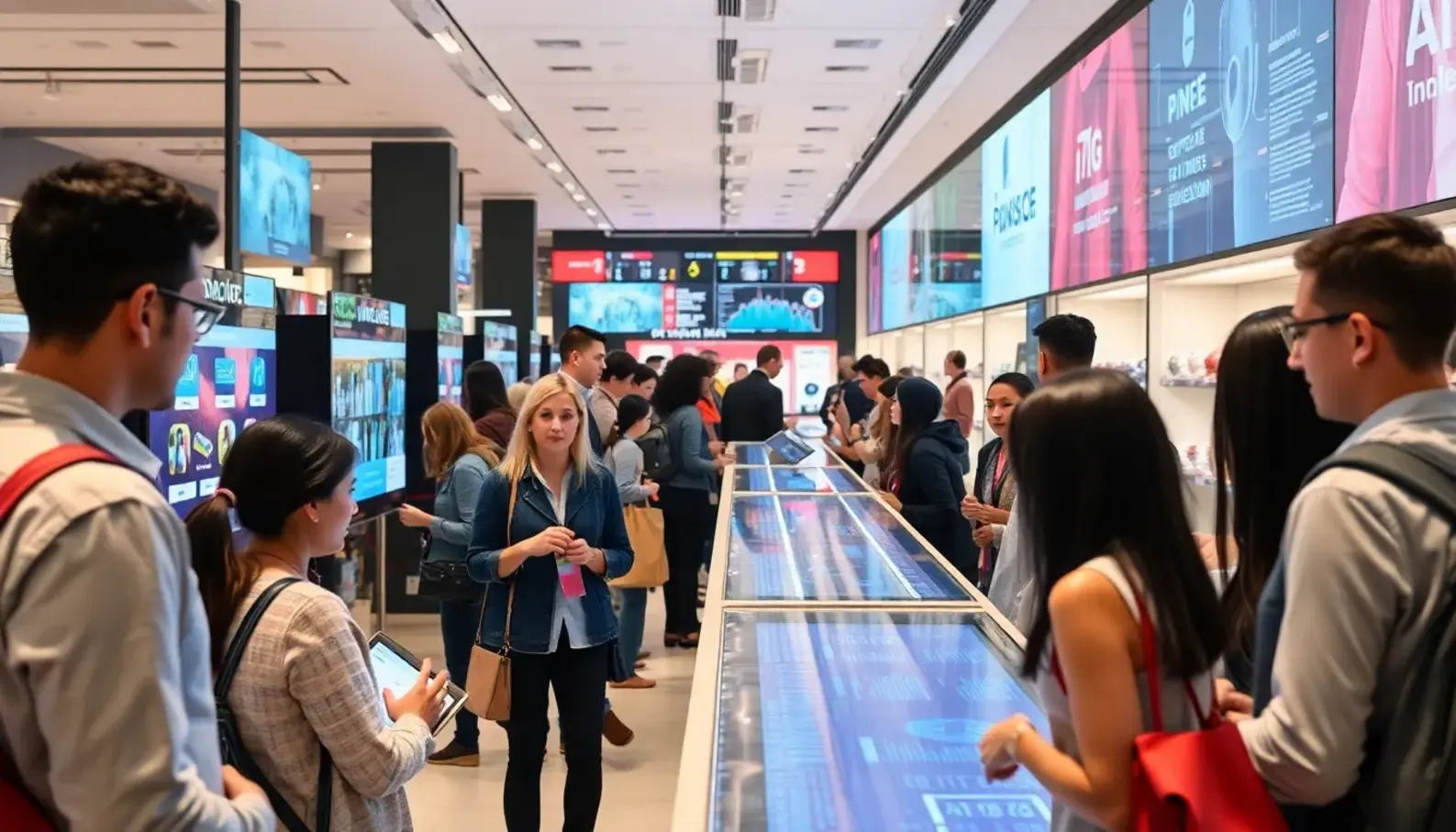
In the evolving world of retail, the adoption of artificial intelligence (AI) is creating significant shifts in how businesses engage with their customers. AI technologies like machine learning, natural language processing, and predictive analytics are not just buzzwords—they are practical tools transforming traditional retail frameworks into remarkable experiences. The heart of these transformations is the advanced capability to gather, process, and interpret vast amounts of data to unearth insights that drive better customer engagement.
The deployment of machine learning in retail primarily revolves around understanding and predicting customer behaviors. Using algorithms that learn over time, retailers can personalize the shopping experience. By analyzing customer purchase history, browsing patterns, and even social media behavior, machine learning creates robust customer profiles. These profiles enable targeted marketing, personalized recommendations, and optimized pricing strategies, ensuring customers feel understood and valued.
Natural language processing (NLP) extends AI’s reach by allowing machines to comprehend and engage in human language seamlessly. Chatbots and virtual assistants powered by NLP are becoming ubiquitous in the retail sector. These tools can handle customer inquiries, assist in product searches, and provide support in real-time, greatly enhancing the customer service experience. By interpreting customer sentiment and preferences expressed through language, NLP tools offer retailers deeper insights into customer needs and satisfaction levels.
Predictive analytics functions as the crystal ball for retailers. By using historical data, predictive models forecast future buying trends, stock requirements, and market movements. Retailers can maintain lean inventory levels and reduce waste by anticipating demand shifts. This proactive approach not only optimizes operations but also increases customer satisfaction by ensuring products remain available.
Each of these AI technologies contributes to the central tenet of data-driven decision-making. Retailers equipped with data insights can make informed decisions about product launches, marketing campaigns, and customer engagement strategies. The ability to harness data effectively leads to a more agile business structure that can swiftly adapt to market changes and customer expectations.
Let’s illustrate these capabilities with real-world applications. One notable example is the integration of AI in inventory management. By analyzing selling patterns and market trends, AI algorithms suggest optimal stock levels and reorder points. This reduces overstock situations and stockouts, maintaining a consistent supply that meets customer demand.
Another application is in customer segmentation. AI helps retailers categorize their customer base into distinct segments based on demographics, purchase history, and preferences. This segmentation allows for crafting personalized marketing messages that resonate with specific audiences, improving engagement and conversion rates significantly.
In-store experiences are not left untouched by AI. Retailers are exploring smart fitting rooms equipped with augmented reality technologies to allow customers to try on clothes virtually. This innovation personalized the shopping experience and provided valuable data on customer preferences and behavior inside the store.
Moreover, AI is revolutionizing the online retail experience through visual search capabilities. Customers can now upload images to search for similar products, creating an intuitive and engaging shopping journey. This capability enhances product discovery and satisfaction by aligning closely with the customer’s intent and interest.
The AI landscape in retail is nuanced and rich with possibilities, but it raises a critical point about ethical use and customer privacy. As retailers collect more data, the importance of maintaining customer trust cannot be overstated. Implementing AI solutions requires clear communication about data usage and stringent safeguards to protect customer information.
Ultimately, the intersection of AI and retail highlights a future where businesses not only enhance their operations but create environments where consumer insights drive every aspect of their strategies. This journey toward a fully integrated AI-driven customer experience is underway, promising a retail experience that is more personalized, efficient, and satisfying than ever before. For further exploration of AI’s impact across various sectors, consider reviewing resources such as AI in Business Growth.
Leveraging Data for Personalization
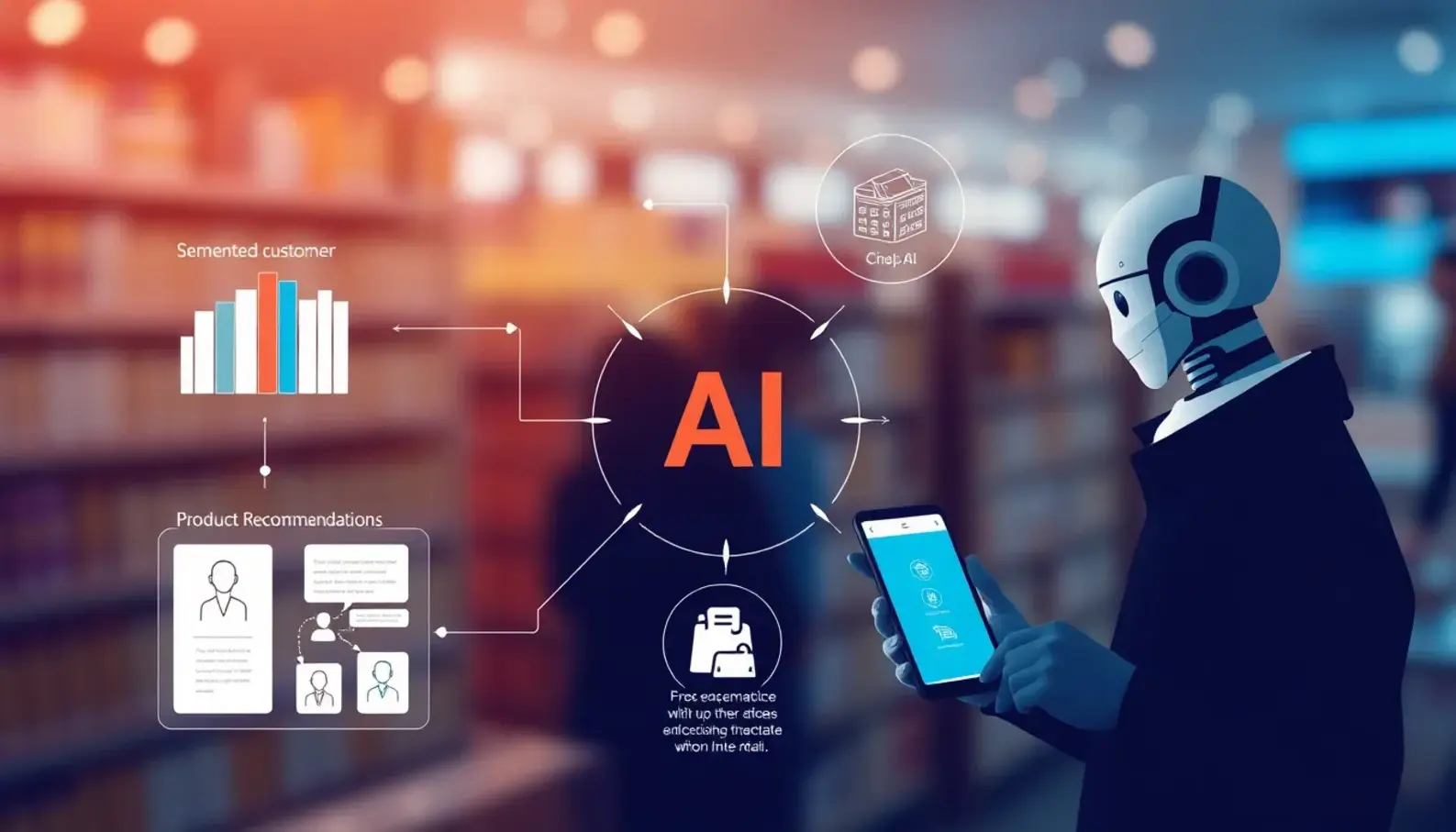
Artificial Intelligence (AI) has revolutionized the retail landscape by turning vast amounts of customer data into actionable insights. These insights drive highly personalized shopping experiences, enhancing customer engagement and satisfaction. Let’s explore how AI accomplishes this through data collection, segmentation, and analysis.
Customer data is collected from numerous sources, such as online browsing behavior, purchase history, social media interactions, and even in-store activity through IoT devices. This data serves as a foundation for understanding customer preferences and predicting future behaviors. AI systems use sophisticated algorithms to analyze this influx of information, delving into patterns that human analysis might overlook.
Data segmentation is crucial in this process. AI divides a broad customer base into smaller, more meaningful groups based on shared characteristics. These characteristics may include demographics, purchasing habits, or even psychographic factors like lifestyle and values. By segmenting customers effectively, retailers can tailor marketing strategies, ensuring messaging resonates more deeply with specific audiences.
Organizations leverage AI-driven insights to tailor product recommendations, which can significantly enhance customer experience. For instance, when a customer browses an online store, AI algorithms analyze previous interactions and suggest products that align with the customer’s tastes and preferences. This approach not only increases the chances of conversion but also helps build a more meaningful relationship between the retailer and the consumer.
Inventory management is another area where AI proves invaluable. By analyzing purchasing trends and predicting demand, AI helps retailers maintain optimal stock levels. This foresight minimizes overstock and stockouts, ensuring customers can access the products they desire without delay. The result is an elevated shopping experience, characterized by consistent availability of preferred items.
AI also enhances marketing strategies through personalized advertising. By examining data from segmentation and analysis, AI systems can design highly targeted marketing campaigns. These campaigns reach the right customers at the right time, conveying messages that are relevant to their interests and purchasing stages. As a result, retailers can achieve higher engagement rates and a better return on investment for their marketing efforts.
Chatbots and virtual assistants play a pivotal role in personalizing customer service. These AI-driven tools provide instant, round-the-clock assistance, addressing customer queries and offering personalized guidance. With natural language processing capabilities, chatbots can understand and respond to customer requests in a human-like manner. This interaction fosters a seamless customer service experience, contributing to overall satisfaction.
Virtual assistants take personalization a step further by integrating with customer profiles. Over time, they accumulate knowledge about customer preferences and behaviors, enabling them to provide increasingly personalized recommendations. Whether reminding a customer of an upcoming sale or suggesting complementary products during a purchase process, these assistants ensure the shopping journey is both convenient and tailored.
AI’s application in retail extends beyond immediate customer interactions. Insights derived from AI data analysis inform broader business strategies, guiding decisions on product development and marketplace positioning. By continually refining these strategies with AI insights, retailers remain agile and responsive to market changes.
For further insights into AI’s impact on various business domains, explore this blog on AI marketing strategies. This resource delves deeper into how AI enhances engagement and outcomes across different sectors.
The evolution of AI in retail is far from over. As AI technologies advance, the potential to personalize and enhance the retail experience grows exponentially. Retailers that harness these insights effectively will continue to lead the way in customer satisfaction and loyalty, setting new benchmarks for the industry.
Future Trends in AI-Driven Retail Insights
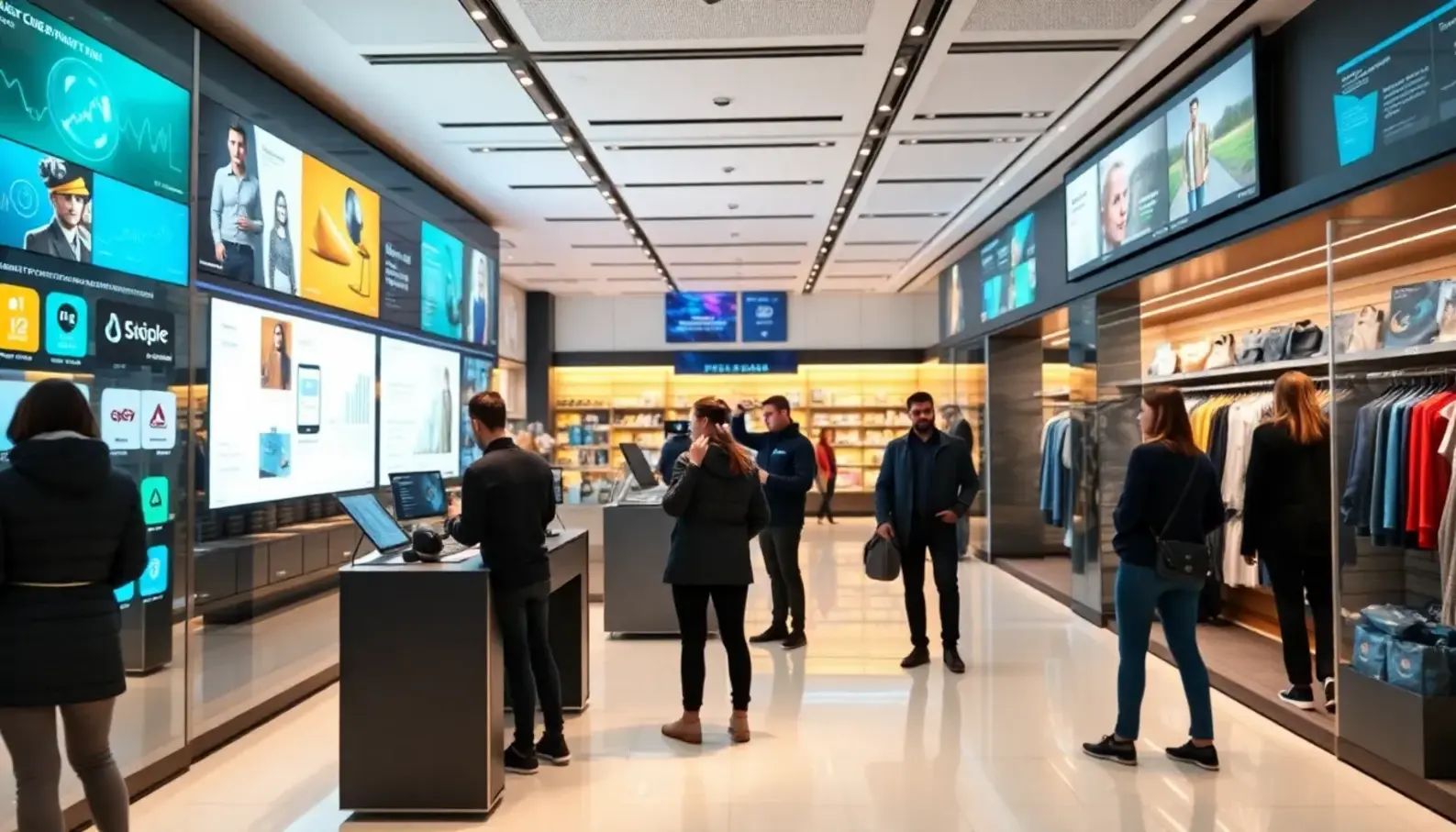
The landscape of retail is continuously reshaped by the relentless march of technology, with artificial intelligence (AI) at the forefront of this transformation. One of the most noteworthy trends emerging in AI-driven retail is the integration of augmented reality (AR), transforming how consumers interact with products. Retailers are leveraging AR to offer immersive experiences, allowing customers to visualize products in their environment before purchase. This technology reduces the gap between physical stores and online shopping by enhancing product visualization, thereby increasing customer confidence and reducing return rates.
Voice recognition is another AI advancement gaining traction in retail. With the proliferation of voice-activated devices, consumers can now interact with retail platforms hands-free, simplifying the shopping process. Retailers are developing sophisticated voice recognition systems that understand natural language, enabling seamless voice-activated searches, orders, and customer support. This innovation not only enhances customer engagement but also provides valuable data insights into consumer behavior, which can be used to refine marketing strategies and personalize shopping experiences.
The rise of omnichannel strategies, powered by AI, is further revolutionizing the retail experience by blending online and offline retail channels. Through AI, retailers can gather and analyze vast amounts of data from multiple touchpoints, creating a holistic view of the customer journey. This comprehensive analysis enables personalized marketing and enhances customer satisfaction by ensuring consistent service across all channels—be it in-store, online, or mobile. Retailers utilizing AI-driven omnichannel strategies can offer dynamic pricing, tailored recommendations, and real-time inventory updates, providing a seamless customer experience.
Looking ahead, AI has the potential to deepen its influence on buyer behavior and retail operations. AI algorithms might soon predict future purchasing trends with greater accuracy, enabling retailers to anticipate customer needs and adjust their strategies proactively. Machine learning (ML), a subset of AI, could evolve to offer even more personalized experiences by learning from individual consumer behavior over time, crafting hyper-personalized marketing campaigns that resonate with each customer’s unique preferences.
Moreover, AI could revolutionize inventory management through predictive analytics, optimizing stock levels and reducing waste. By forecasting demand more accurately, retailers can minimize overstocking and understocking, enhancing operational efficiency and sustainability. This capability is particularly relevant in an era where consumers are progressively eco-conscious, and businesses are urged to adopt greener practices.
Despite the promising possibilities AI offers, ethical deployment remains a critical concern. As AI systems become integral to retail operations, ensuring transparency in AI applications is essential to maintain customer trust. Retailers must be clear about data collection practices and ensure customer data is used responsibly, prioritizing consumer privacy. Ethical AI deployment also involves addressing biases in AI systems, ensuring they are fair and inclusive, and reflecting a diverse range of consumer experiences.
To achieve this, retailers should adopt robust guidelines and principles that govern AI usage, continuously auditing their systems for bias and transparency. Engaging in open dialogues with consumers about how their data is used can also enhance trust. Furthermore, retailers can look to collaborations with ethicists and industry bodies to establish best practices for AI deployment in retail.
The evolution of AI in the retail sector is a dynamic journey, one that promises to continue altering the landscape of consumer engagement and business operations. As AI technologies advance, the potential for creating unprecedented retail experiences becomes all the more palpable. For retailers, staying ahead in this AI-driven era will require not just technological innovation but also commitment to ethical principles that ensure the trust and satisfaction of their customers.
For more on implementing AI successfully in various industries, see AI Marketing Strategies, which discusses aligning such technologies with business goals.
Final words
AI is reshaping how retailers interact with their customers, turning data into actionable insights that enhance shopping experiences. By embracing AI technologies, leaders can anticipate consumer needs, personalize marketing strategies, and streamline operations. Investing in AI is not merely about staying competitive; it’s about leading the charge to redefine customer engagement in retail. As AI continues to advance, those who adapt will be prepared for a future filled with possibilities. Embrace AI today, and watch your retail strategy flourish.
Download Research Report
Learn more: innoupdates.com
About us
We specialize in providing cutting-edge technology solutions that empower retailers to leverage AI for enhanced customer insights and engagement. Our offerings include advanced data analytics, machine learning models, and consulting services that help businesses understand customer behavior and optimize their operations. Elevate your retail strategy with our innovative AI solutions.