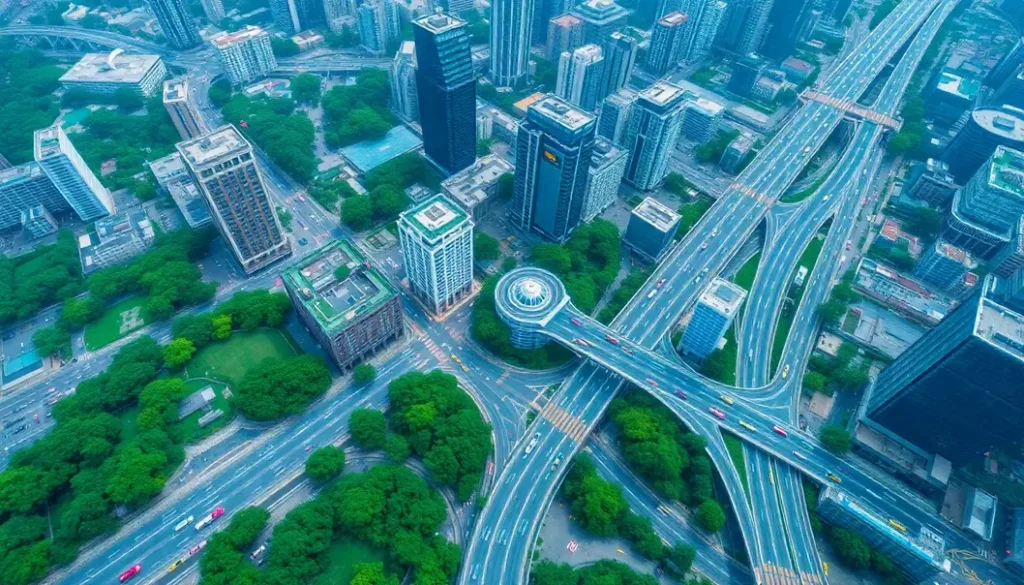
As urban populations continue to grow exponentially, cities face unprecedented challenges in ensuring sustainability, efficiency, and livability. The integration of Artificial Intelligence (AI) into urban planning can provide actionable insights that help in optimizing resources, enhancing public services, and improving the overall quality of urban life. Visionary urban planners and government officials stand at the forefront of this AI-driven transition, poised to reshape the future of cities. Embracing advanced technologies signifies not just adaptation, but a commitment to fostering cities that are smart, responsive, and resilient.
Integrating AI into Urban Ecosystems
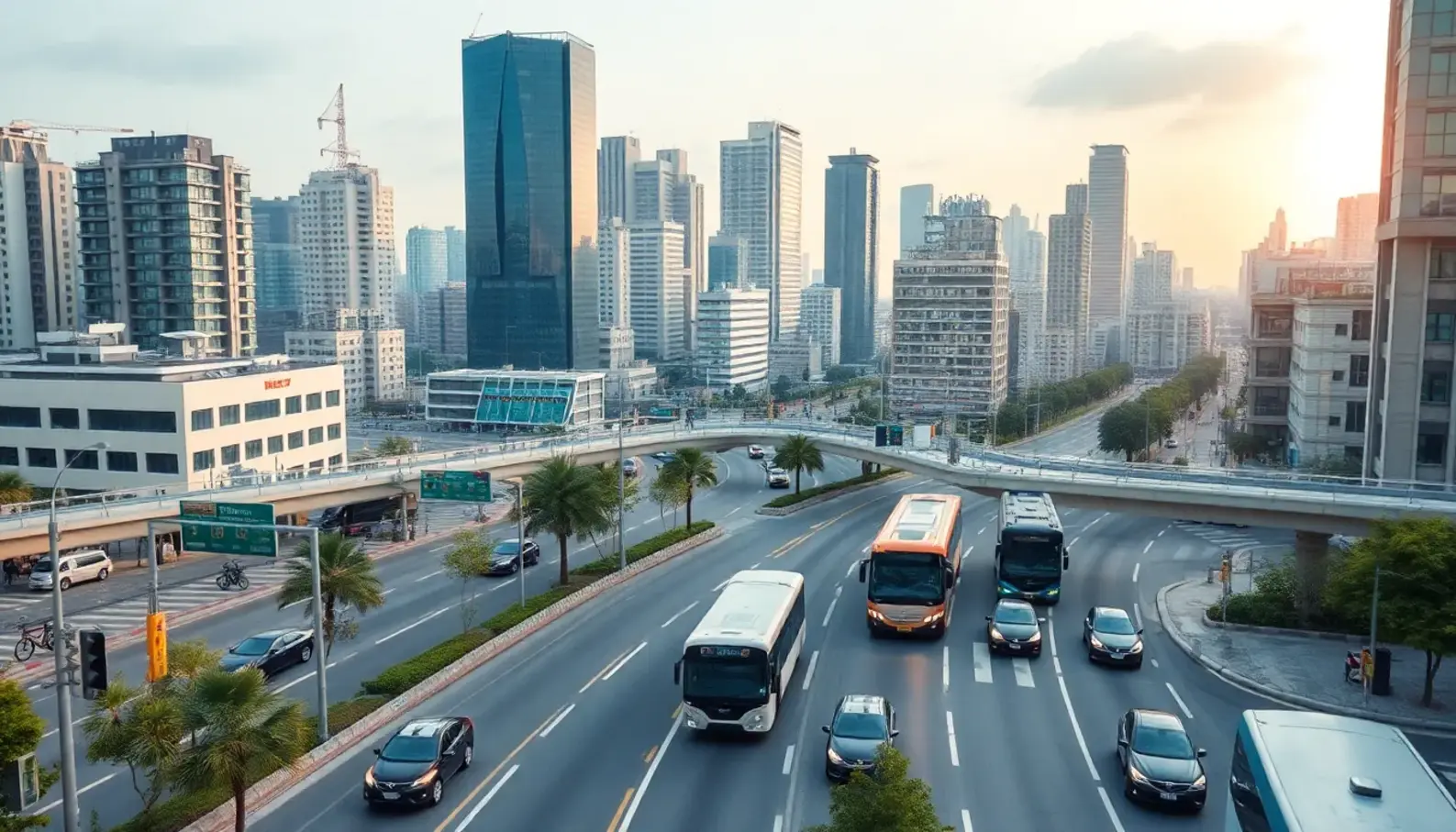
Harnessing artificial intelligence to develop intelligent urban environments holds immense promise for urban planning. The focus lies not only on improving efficiency but also enhancing the quality of life for residents. AI plays a crucial role in numerous aspects of urban ecosystems, transforming data into actionable insights. These insights inform decision-making, optimize resource allocation, and pave the way for sustainable development.
At the core of intelligent urban ecosystems is real-time data analytics. Cities generate massive amounts of data through sensors and connected devices. This data ranges from climate patterns to pedestrian traffic, serving as the raw material for informed decision-making. AI algorithms process this data, providing city planners with near-instantaneous feedback. When episodes of extreme weather are predicted, proactive measures can be deployed to mitigate potential disasters.
Machine learning algorithms excel in processing complex datasets and recognizing patterns. In urban planning, these algorithms are utilized to understand traffic flows and optimize public transport networks. By predicting areas of congestion, AI models help devise alternative routes, easing pressure on existing infrastructure. These systems enable real-time adjustments, increasing flexibility and resilience in urban environments.
Consider waste management. AI models predict peak waste generation periods, allowing cities to fine-tune collection schedules and reduce overflow. By analyzing historical patterns and forecasts, cities can implement more efficient recycling practices. This not only cuts costs but also minimizes environmental footprints.
Predictive modeling stands as a pillar of smart city planning. Through advanced analytics, cities anticipate future needs rather than merely reacting to current demands. Urban infrastructure, like energy grids and water supply systems, benefits profoundly from this approach. Anomalies within these systems are detected swiftly, preventing large-scale failures. Predictive models also guide the expansion of infrastructure, ensuring that new developments align with long-term urban growth strategies.
Moreover, integrating AI in public health is transformative. Predictive analytics identify hotspots for diseases, enabling targeted healthcare interventions. During outbreaks, AI-driven models assist in resource deployment, ensuring that medical supplies and personnel are allocated where they are most needed.
The implications of AI in urban environments extend to enhancing public safety. Surveillance systems powered by AI can recognize unusual activities or detect emergencies, providing immediate alerts to law enforcement agencies. These systems maintain vigilance without intruding on personal privacy, thanks to sophisticated anonymization techniques.
However, the integration of AI into urban ecosystems requires careful governance. Ethical considerations, transparency, and inclusiveness must guide its deployment. Smart city initiatives must ensure that data privacy is maintained and that technologies do not exacerbate existing inequalities.
For urban planners, embracing AI requires understanding not only the technological landscape but also its social implications. Training programs and collaborations with technologists can enhance the skills necessary to leverage AI effectively. Policymakers need to foster environments that accommodate technological advancements while protecting citizen rights.
More on AI Applications: Explore the diverse applications of AI beyond urban planning in sectors like finance and healthcare.
As urban ecosystems continue adapting to the challenges of a growing population, AI will undoubtedly play an integral role. By transforming cities into living laboratories, AI not only redefines urban landscapes but also crafts environments that are more sustainable, efficient, and livable for all residents.
AI-Driven Insights for Urban Resilience
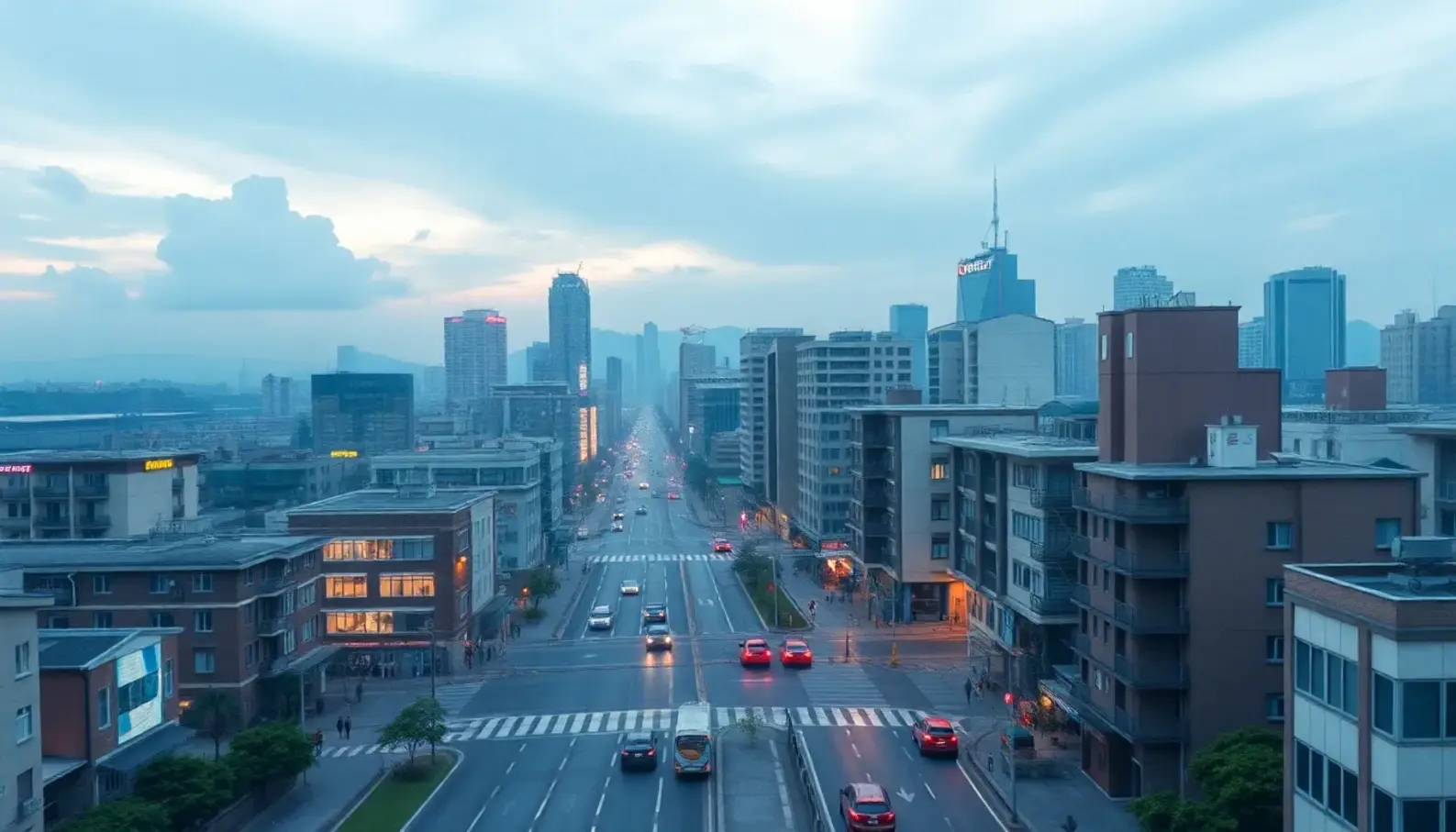
Artificial Intelligence (AI) has emerged as a transformative force in the quest for urban resilience. By unlocking deep patterns and predictive capabilities, AI offers cities the tools they need to anticipate and adapt to challenges. This chapter delves into the role of AI in enhancing urban resilience, emphasizing its potential in predicting environmental changes, optimizing resources, and fortifying emergency response systems.
AI technologies enable cities to perform complex predictive analysis, a critical component for urban resilience. By analyzing historical data, AI models can forecast future vulnerabilities. For instance, AI can predict climate change impacts, like rising sea levels or increased incidence of natural disasters. These predictions help urban planners create robust infrastructures resilient to such changes. Machine learning algorithms, trained on vast data sets, improve over time, offering increasingly accurate forecasts. This allows cities to preemptively adapt infrastructures, reducing potential damage from environmental stressors.
The use of scenario modeling facilitated by AI provides cities a way to visualize various futures. By simulating different scenarios—such as economic downturns, demographic shifts, or extreme weather events—cities can better understand potential outcomes and prepare accordingly. AI’s ability to process and analyze vast amounts of data in real-time makes it possible to develop nuanced scenarios. Urban planners can test the resilience of different strategies and infrastructures under varied conditions, guiding decision-making processes towards more sustainable solutions.
One of the most pressing challenges for urban areas is climate change. Here, AI plays a pivotal role in designing adaptive strategies. Through the integration of AI, cities can optimize their resource allocation, managing utilities such as energy and water more efficiently. AI algorithms can adjust real-time data processing to balance energy loads, reduce waste, and maximize efficiency. This is crucial in mitigating the effects of climate change, as urban environments account for a significant portion of global emissions.
AI’s capabilities extend to enhancing emergency preparedness and response strategies. With AI-driven systems, cities can optimize emergency services by predicting potential crisis zones and allocating resources where they’re needed most urgently. AI can enhance the communicative potential of automated systems, ensuring timely alerts and responses. Additionally, during a disaster, AI systems can process real-time data to update emergency response strategies.
Moreover, AI contributes to urban resilience by supporting social services’ efficiency. By pinpointing areas requiring urgent attention, cities can ensure that vulnerable populations receive necessary interventions. AI-powered analytics reveal patterns of social inequity, enabling urban decision-makers to address systemic issues and improve overall quality of life.
Another promising direction involves the deployment of AI in smart transportation systems. AI can optimize traffic flow, reducing congestion and emissions, while enhancing public transport’s efficiency and reliability. Real-time analytics offer adaptive control mechanisms for traffic signals and public transportation routes. This ensures swift responses to fluctuations in demand or disruptions, maintaining the seamless operation of urban mobility networks.
The integration of AI in urban systems offers a comprehensive framework for enhancing city resilience. The shift towards AI-driven resilience plans signifies a broader adoption of strategic foresight in urban governance. While these technologies provide substantial benefits, ethical considerations, particularly around data privacy and accessibility, must remain at the forefront of innovation discussions to ensure equitable and just urban development. For further exploration of the intersection between AI and ethical frameworks, look into generative AI ethics.
In conclusion, AI promises substantial advancements in urban resilience, equipping cities with the necessary tools to anticipate, prepare, and adapt to emerging challenges. As urban landscapes continue to evolve, AI will undoubtedly play a central role in ensuring they do so sustainably and resiliently.
Final words
AI holds the key to democratizing urban management, enabling cities to adapt to evolving challenges while fostering sustainable growth. The integration of these technologies translates not just into improved efficiency, but also into enhanced citizen engagement and quality of life. As we move ahead, the onus lies on urban planners and government officials to harness AI’s potential for a brighter, more efficient urban future.
Build Smarter Cities with AI Technology
Learn more: https://innoupdates.com
About us
Discover AI-powered Urban Management Systems designed to enhance city planning and public service delivery. Our solutions offer real-time data-driven insights, improving efficiency and citizen engagement while addressing urban challenges effectively.