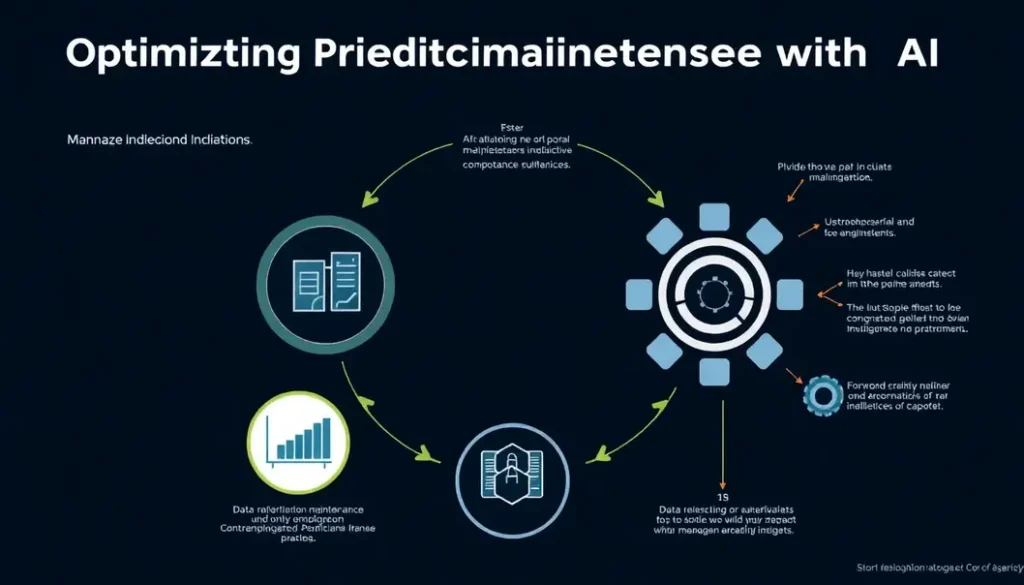
Predictive maintenance powered by artificial intelligence is revolutionizing how industries approach equipment upkeep. By leveraging machine learning algorithms and data analytics, companies can foresee equipment failures before they occur. This proactive strategy minimizes downtime, reduces maintenance costs, and significantly optimizes operational efficiency. Industrial engineers and plant managers are increasingly adopting these advanced technologies to create a more reliable manufacturing environment. This article dives into the methodologies that enhance predictive maintenance, providing insights and actionable strategies for successful implementation.
The Mechanics of Predictive Maintenance
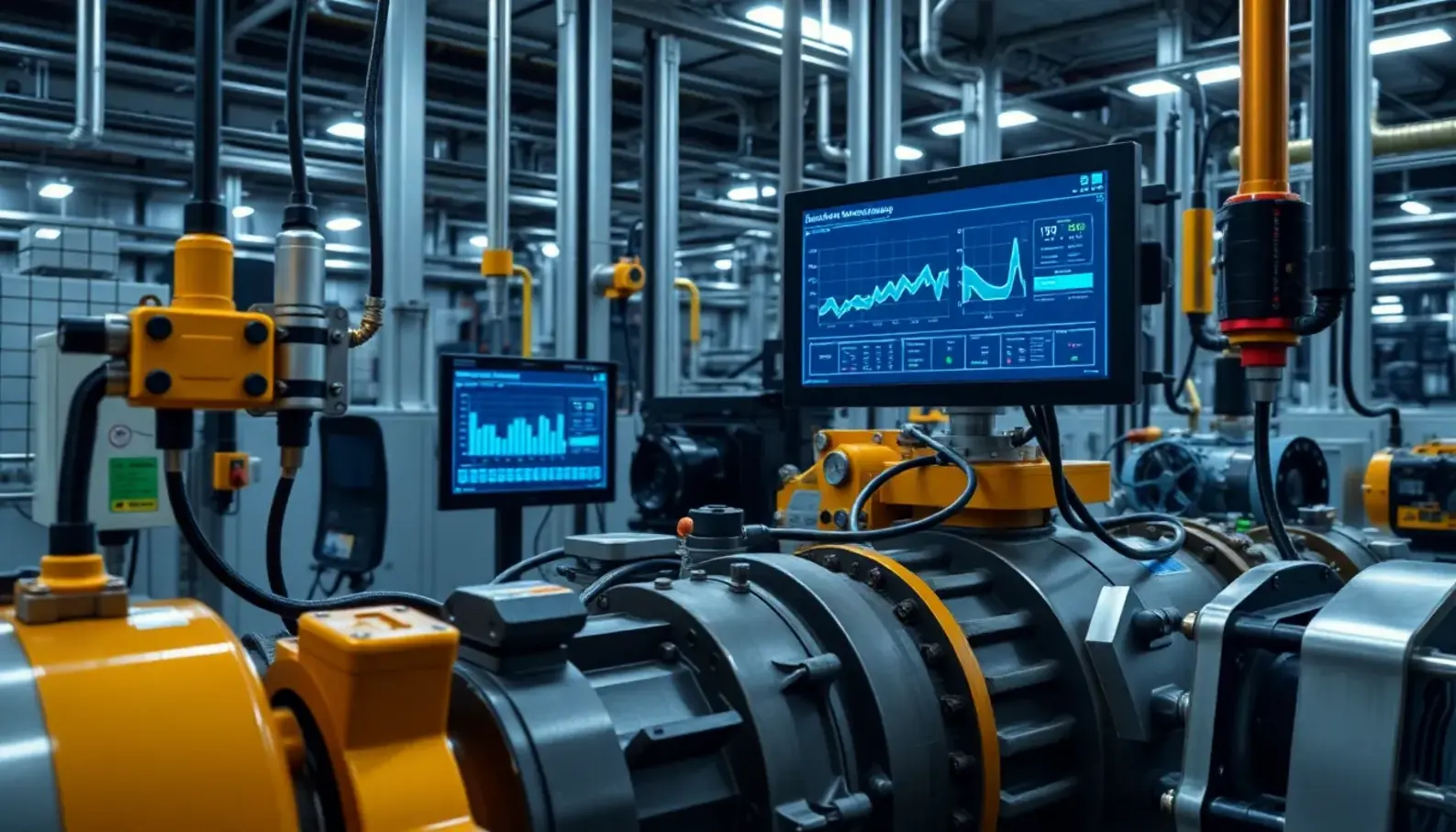
Predictive maintenance represents a monumental shift in how industries maintain their equipment and infrastructure. At its heart lies the integration of data-driven technologies that outpace traditional maintenance strategies both in efficiency and reliability. This chapter delves into the core components that make predictive maintenance possible, unraveling the sophisticated tapestry of data collection, IoT integration, and machine learning algorithms.
An essential foundation of predictive maintenance is robust data collection. Data begins its journey often unnoticed, gathered continuously from devices and sensors embedded in machinery. These sensors, typically part of a larger Industrial Internet of Things (IIoT) network, gather vast quantities of information related to performance metrics such as temperature, vibration, pressure, and other key indicators of machine health. While traditional methods might miss the nuances of wear and tear, the comprehensive datasets collected in real-time offer a detailed glimpse into how equipment is operating under various conditions.
Critical to the process is the use of IoT devices, which enable the seamless transfer of this data from the physical world to computational systems. IoT devices, equipped with capabilities to communicate over networks, form an interconnected web that allows for constant data streams to flow effortlessly to central systems. This connectivity not only facilitates immediate data access but also supports remote monitoring. As industries spread over vast geographic areas, IoT ensures that maintenance teams are never more than a dashboard away from real-time performance analysis.
Once data is collected, it enters the realm of machine learning algorithms. These algorithms, designed to process and interpret vast datasets, are the workhorses of predictive maintenance. Early detection of potential issues involves recognizing patterns that might elude the untrained eye. Supervised learning models, often trained on labeled datasets, are adept at identifying known failure modes by studying thousands, if not millions, of historical data points. On the other hand, unsupervised learning algorithms shine in discovering anomalous patterns without prior labeling, thereby identifying novel failure scenarios in advance.
The value of historical data cannot be overstated in predictive maintenance. It provides a reference framework against which real-time data is continuously compared. Historical datasets allow machine learning models to understand what constitutes the normal behavior of machinery under various loads and conditions. This contextual understanding cultivates a predictive power where potential faults can be inferred well before they manifest as operational disruptions.
Moreover, real-time monitoring augments this predictive capability significantly. By continuously assessing the current state of equipment against the backdrop of both historical and expected performance metrics, maintenance strategies can transition from reactive to proactive. Achieving this level of foresight not only reduces unplanned downtimes but also optimizes the scheduling of maintenance activities. Flexibility in maintenance planning further improves resource allocation, leading to substantial cost savings and increased operational efficiency.
Advanced analytics reinforce the predictive models by providing insights into optimal maintenance actions. These analytics extend beyond failure predictions to recommend specific interventions, whether it’s an immediate repair or the scheduling of routine maintenance at a later time. The integration of advanced data visualization tools aids maintenance personnel in interpreting complex data with ease, transforming raw data into actionable insights.
Integrating AI in predictive maintenance aligns with broader trends in AI-driven business growth, where maximizing asset performance and lifespan becomes a competitive advantage. For further exploration of AI’s transformative impact across various sectors, visit this informative article.
In conclusion, predictive maintenance, through its intricate blend of IoT, real-time monitoring, machine learning, and historical data analysis, stands as a testament to how AI can redefine industrial operations. The mechanics of this system not only enhance reliability but also fundamentally change how maintenance strategies are devised to meet the evolving demands of the industrial landscape.
Implementing AI in Predictive Maintenance Programs

Integrating artificial intelligence into predictive maintenance programs involves several critical steps and best practices. Each step ensures that organizations not only implement AI technologies but also derive maximum benefits from them. This chapter explores the essential components involved in this integration, focusing on identifying critical assets, selecting appropriate technologies, building a data strategy, and fostering a data-driven culture.
Identifying critical assets is the first step in implementing AI in predictive maintenance. Not all assets require predictive maintenance; thus, it’s essential to identify those that are critical to operational efficiency, safety, and cost management. These assets are typically expensive to repair or replace and have a direct impact on production capacity. Conducting a thorough asset criticality analysis helps determine which assets should be prioritized for AI-driven maintenance solutions. This analysis considers factors like the asset’s failure frequency, downtime cost, and its role in the overall process.
Once critical assets are identified, the next step involves selecting appropriate AI technologies and tools. There are various AI technologies available, including machine learning, deep learning, and AI-powered predictive analytics platforms. The choice of technology depends on the complexity of the task, the type of data available, and the desired outcomes. For instance, machine learning models may be useful for pattern recognition in historical data to forecast equipment failures. Meanwhile, deep learning can handle more complex datasets, like those involving multiple variables and large data volumes.
Building a comprehensive data strategy is paramount to the success of predictive maintenance programs. This strategy involves several elements: data collection, storage, processing, and analysis. Organizations must ensure they collect high-quality, relevant data from their critical assets. This process often involves installing sensors and IoT devices that provide real-time data. The volume of data generated can be massive, necessitating the use of cloud-based platforms for efficient storage and processing.
Organizations also need to invest in data analysis tools that transform raw data into actionable insights. These insights enable predictive models to provide accurate forecasts about asset health and maintenance needs. It’s crucial to continuously refine these models by incorporating new data, allowing the AI systems to learn and improve over time. This ongoing refinement ensures the predictive maintenance program remains effective and responsive to changing conditions.
Fostering a culture of data-driven decision-making is another critical component. Integrating AI into maintenance programs is not just about technology; it’s about changing how decisions are made. Employees at every level need to embrace data as an essential part of their decision-making processes. Companies can achieve this by providing training and resources that enhance data literacy. Encouraging collaboration between data scientists, engineers, and maintenance personnel ensures that insights generated by AI models are understood and applied correctly.
Examining case studies from industries that have successfully implemented AI-driven predictive maintenance offers valuable lessons and insights. One notable example involves the aviation industry, where airlines use AI to predict part failures in aircraft, reducing unexpected downtimes and improving safety. By analyzing data from thousands of flights and maintenance records, AI systems can accurately predict when specific components will require maintenance, allowing airlines to plan accordingly.
Another exemplary case comes from the energy sector, where energy companies leverage AI for predictive maintenance of wind turbines. These companies collect data from turbine sensors, such as vibration and temperature readings, and input it into AI models. These models can predict failures before they occur, reducing maintenance costs and increasing energy production efficiency.
Key metrics for measuring the success of AI-driven predictive maintenance include reduced downtime, decreased maintenance costs, improved asset utilization, and increased production efficiency. Tracking these metrics provides organizations with tangible evidence of the benefits achieved through AI integration. Moreover, continuous monitoring and analysis of these metrics allow for adjustments and improvements to the predictive maintenance strategy.
As organizations embark on integrating AI into their predictive maintenance programs, it’s essential to consider the broader context of AI’s impact across various sectors. For instance, exploring how AI contributes to business growth here can provide further insights into leveraging AI technologies for enhanced industrial practices.
By carefully navigating the steps outlined in this chapter, organizations can successfully implement AI in their predictive maintenance programs, driving reliability and efficiency improvements. The journey involves a combination of strategic asset identification, technology selection, data strategy development, and cultural transformation towards data-driven practices. Ultimately, these efforts culminate in a robust approach to maintaining industrial assets, ensuring they operate at peak efficiency while minimizing unexpected failures.
Final words
AI-driven predictive maintenance offers a robust solution for industries striving to minimize downtime and maximize operational efficiency. By understanding and implementing customized predictive strategies, companies can not only enhance asset reliability but also significantly reduce overall maintenance costs.
Reduce Downtime with AI Predictive Analytics
Learn more: https://innoupdates.com
About us
Industrial AI Solutions for Maintenance focuses on developing and implementing cutting-edge AI technologies tailored for predictive maintenance applications. Our solutions drive efficiency and reliability in industrial settings, ensuring businesses remain competitive and resilient.