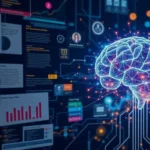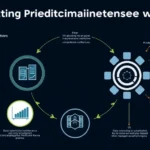
Artificial intelligence is reshaping the landscape of drug discovery, enabling pharmaceutical companies and biologists to uncover novel therapeutics more efficiently. Leveraging complex algorithms, machine learning, and vast data pools, researchers can now streamline processes that once took years, drastically reducing time and costs associated with bringing new drugs to market. As we delve into the intricacies of AI-driven drug discovery, it becomes evident that this technological advancement not only enhances predictive accuracy but also opens doors to personalization in medicine, fostering a new era of targeted therapies.
The Paradigm Shift: AI in Pharmaceuticals

The pharmaceutical industry’s embrace of artificial intelligence (AI) marks a profound transformation in drug discovery and development. AI has moved from being a mere auxiliary tool to becoming a central pillar in pharmacological research and innovation. Traditional methods, rife with time-consuming trial and error, are yielding to AI’s abilities, which allow for faster, more accurate analysis of complex biological data.
At the heart of this transformation is AI’s capacity to enhance predictive modeling and streamline processes. AI algorithms excel at sifting through vast datasets to identify patterns and insights that might elude human researchers. These capabilities have opened new vistas in understanding molecular interactions, making it possible to predict how various compounds might influence biological systems. Such foresight is invaluable, as it can identify promising therapeutic candidates much earlier in the research process.
Real-world case studies illustrate the potency of AI in pharmaceuticals. In one instance, a leading research institution partnered with an AI startup to explore novel treatments for neurodegenerative diseases. By leveraging AI-driven insights, researchers reduced the time required to identify viable drug candidates from years to mere months. The AI model used vast public and proprietary datasets to identify chemical compounds with the highest potential for efficacy and safety. This dramatically sped up the hypothesis generation phase, underscoring AI’s role in accelerating innovation.
Beyond drug discovery, AI’s contribution to understanding molecular interactions cannot be overstated. Computational models powered by AI analyze how thousands of biological molecules might interact with each other and with potential drug candidates. These models help predict adverse interactions before they occur in clinical trials, thus improving safety profiles. AI systems employ advanced techniques, such as machine learning and deep learning, to continuously refine their predictions and enhance accuracy.
One example of AI’s efficacy in predicting molecular interactions comes from oncology research. Researchers used AI to simulate thousands of drug-tumor interactions. This simulation provided critical insights into which compounds were most likely to arrest tumor growth, thus prioritizing the lead candidates for clinical trials.
AI is not only revolutionizing drug discovery but also the collaborative landscape of the pharmaceutical industry. Established pharmaceutical companies are increasingly forming strategic partnerships with AI firms. These collaborations aim to harness the innovative potential AI offers, integrating data-driven methodologies into traditional workflows. By doing so, they leverage AI’s strengths in pattern recognition and predictive analytics alongside the domain expertise held by pharmaceutical veterans.
The partnership between AI firms and pharmaceutical giants represents more than a marriage of convenience; it signals a strategic shift toward data-centric approaches in drug development. This collaboration often involves pooling resources and expertise to tackle complex biological challenges. For example, a partnership might focus on using AI to discover biomarkers that can serve as early indicators of disease progression or treatment response. These biomarkers are critical in developing targeted therapies that are more effective and safer than conventional treatments.
The implications for future drug development are profound. As AI continues to refine its capabilities, the pace at which new therapies are discovered and brought to market will likely increase. Furthermore, AI-driven methodologies promise to enhance the precision of personalized medicine. By understanding the genetic and environmental factors influencing health outcomes, researchers can develop treatments tailored to individual patient profiles.
In exploring the harnessing of AI in the pharmaceutical realm, it is essential to acknowledge the ethical and regulatory challenges that accompany these technological advancements. The rapid integration of AI into healthcare raises questions about privacy, data integrity, and the need for rigorous validation of AI models. However, the potential benefits, such as more effective treatments and reduced development costs, often outweigh these challenges.
The evolution of AI in pharmaceuticals exemplifies how cross-industry collaborations and innovative thinking can drive significant progress. As AI continues to evolve, its methodologies are not just restricted to pharmaceuticals. Industries like AI in Finance are also transforming, highlighting AI’s versatility in revolutionizing different sectors.
In conclusion, AI is not merely an addition to the pharmaceutical toolbox but rather a revolutionary force reshaping how drugs are discovered, developed, and delivered. Its ability to analyze complex datasets, predict molecular interactions, and foster strategic partnerships heralds a new era of innovation in which data-driven methodologies lead to more efficient and effective healthcare solutions. This paradigm shift underscores the potential of AI to address some of the most pressing challenges in modern medicine, paving the way for a future where precision and speed coalesce to improve patient outcomes worldwide.
The Future of Personalized Medicine: AI at the Helm

Artificial intelligence (AI) is set to redefine personalized medicine by enabling the delivery of highly customized therapies at an unprecedented speed and scale. The potential of AI-driven drug development lies in its ability to synthesize massive datasets into insightful patient profiles, turning the promise of personalized treatments from a theoretical ideal into a practical reality.
By leveraging advanced machine learning algorithms, AI can analyze complex data from genomics, proteomics, and electronic health records to identify individualized treatment paths. These algorithms process a myriad of variables to suggest optimized drug formulations and dosages tailored to each patient’s unique genetic makeup and health status. This capability marks a paradigm shift from the traditional “one-size-fits-all” approach to a more nuanced, patient-centric model of care.
One of the most significant advantages AI offers in drug discovery is its capacity to predict patient responses to therapies. By integrating data from clinical trials, patient histories, and other health indicators, AI systems can anticipate adverse reactions and optimize therapy regimens for improved efficacy and safety. This not only enhances patient outcomes but also mitigates the risk of costly and dangerous side effects.
Moreover, AI enhances the efficiency of clinical trials, a critical but resource-intensive phase in drug development. By identifying and recruiting suitable participants based on predictive biomarkers and historical data, AI reduces trial duration and increases the likelihood of successful outcomes. The use of virtual trials and AI modeling further accelerates the development process, allowing researchers to test hypotheses rapidly and refine therapies iteratively.
The journey to personalized medicine through AI is not without ethical considerations. The use of personal data in developing tailored therapies raises issues of privacy, informed consent, and the potential for genetic discrimination. Ensuring patient data is securely managed and used responsibly is paramount.
AI provides tools for transparency and accountability in personalized medicine. Blockchain technology can be integrated with AI systems to create immutable records of how patient data is used, ensuring compliance with ethical standards and fostering trust among patients. Ethical guidelines must evolve alongside technological advancements to address challenges unique to AI-driven personalization.
Crucially, AI can help balance innovation with patient safety. Regulatory frameworks are gradually adjusting to the rapid pace of AI advancements, striving to protect patients without stifling innovation. Collaborative efforts between tech companies and healthcare providers play a pivotal role in defining these frameworks. Through dialogue and partnership, stakeholders can develop guidelines that prioritize both innovation and safety.
There are already successful partnerships that demonstrate AI’s impact on patient outcomes and cost efficiency. Tech companies, renowned for their expertise in AI, are joining forces with healthcare providers to implement predictive analytics, patient monitoring, and personalized drug development. These initiatives have lowered healthcare costs and improved treatment success rates by reducing trial-and-error in prescribing medication.
One example of AI’s transformative potential is its application in wearable technology. By continuously monitoring patient vitals and activity, AI-driven wearables provide real-time data that empowers healthcare providers to adjust treatments dynamically. This proactive approach enhances preventive care, reduces hospitalizations, and improves chronic disease management, ultimately leading to better patient outcomes and lower healthcare expenditure. For more insights on the integration of AI in wearable tech, visit AI Wearable Tech in Health.
Looking ahead, AI’s role in personalized medicine will only grow as technologies advance and data integration becomes seamless. To fully harness AI’s potential in this domain, a collective effort from researchers, policymakers, and industry leaders is essential. By matching AI’s capabilities with robust ethical frameworks and vibrant collaborations, personalized medicine can truly deliver on its promise of tailored, effective, and humane healthcare solutions.
Final words
AI-driven drug discovery heralds a new era for the pharmaceutical industry, enhancing efficiency and offering unprecedented personalization in treatment options. By embracing these advanced technologies, companies can overcome traditional limitations and pave the way for innovative solutions that improve health outcomes globally. The future of drug discovery lies in the synergy between human expertise and artificial intelligence.
Learn How AI Accelerates Drug Discovery
Learn more: https://innoupdates.com
About us
AI for Pharmaceutical Research and Development: Our company specializes in providing cutting-edge AI solutions tailored for the pharmaceutical sector, aiming to optimize drug discovery and development processes. We empower researchers and biologists with tools that enhance data analysis, predictive modeling, and personalized medicine initiatives, ultimately accelerating the path from laboratory to market.