The rise of artificial intelligence is reshaping the landscape of software development, offering innovative tools that streamline processes and enhance productivity. Developers now have at their fingertips a suite of AI technologies that can automate repetitive tasks, improve code quality, and accelerate project timelines. With this paradigm shift, understanding how to effectively integrate AI into the software development lifecycle becomes imperative. This exploration delves into the practical applications of AI tools and methodologies, highlighting how they can empower developers and engineers to deliver higher quality software more efficiently.
Integrating AI Tools in the Development Workflow
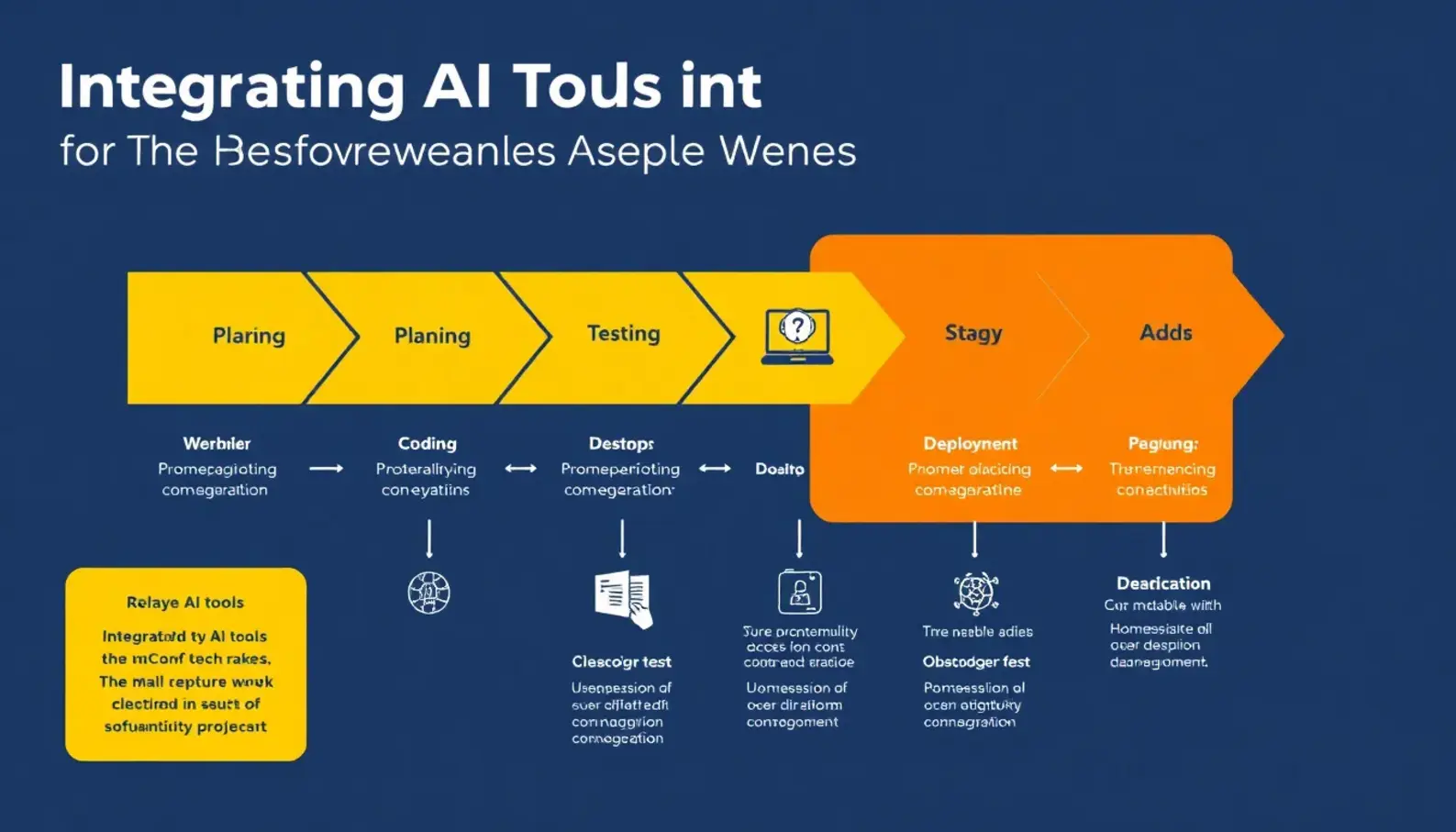
Incorporating AI into software development enhances each phase of the workflow, from planning to deployment. At the heart of these improvements lie tools that augment developer capabilities. They automate redundant tasks, bolster creative coding strategies, streamline testing, and make error identification more intuitive.
One of the most prominent applications of AI is code generation. These systems transform natural language inputs into syntactically correct code. By analyzing millions of code lines, AI tools learn programming paradigms, frameworks, and stylistic nuances, offering code snippets or entire programs on demand. Developers save time otherwise spent on routine coding, allowing them to focus on more significant problems like optimizing algorithms or improving user experience.
Testing automation forms a critical part of modern software practices. AI tools can manage test cases, generate new ones based on potential edge scenarios, and even predict failures before they occur. They ensure applications are not just functional, but robust across various environments. This proactive bug detection reduces cost and time associated with post-release maintenance.
Debugging assistance through AI also significantly increases productivity. By examining error logs, AI can identify patterns that contribute to failures. These insights help developers understand issues quickly and propose solutions, reducing time spent in the often tedious debugging stage. Contextual recommendations mean less trial and error and more systematic problem resolution.
Although code generation, testing, and debugging tools serve to highlight primary uses, numerous smaller, specialized utilities also enhance aspects of development. This includes AI-driven project management tools that can visualize dependencies within large codebases, suggesting optimizations or refactoring. Considerations such as team dynamics and legacy code structures are included, aligning technical capabilities with human strategies for success.
When selecting AI tools, developers must evaluate several factors. The scalability of the tool—ensuring it can grow with project complexity—is vital. Moreover, compatibility with existing infrastructure and technologies plays a crucial role in reducing integration downtime. Supporting documentation and a vibrant community can be essential in onboarding teams effectively.
Real-world implementation of these tools shows transformative impacts. For example, a software firm integrated AI for quality assurance, significantly cutting their testing phase duration. This allowed a shift of resources toward innovation-oriented tasks, empowering the team to develop pioneering features that elevate user experience.
Despite these benefits, hurdles remain. AI solutions may require initial training data tailored to specific niches, necessitating upfront investment. Also stemming from this is the handling of intellectual property issues related to AI-generated content. Furthermore, dependency on AI could lead to skill atrophy in critical areas, emphasizing the need for balanced usage.
Leveraging AI tools within the software development process provides opportunities to reallocate human resources to creative and strategic roles. However, thoughtful selection and implementation are necessary to fully realize their potential. This chapter must be seen in conjunction with broader considerations in AI’s intersection with software development, such as ethical deployment strategies, as discussed in resources like generative AI ethics. Herein lies the challenge and the promise of integrating AI into the heart of development workflows.
Optimizing Code Quality with AI Solutions
Artificial Intelligence (AI) has significantly improved code quality assurance, offering tools that enhance efficiency and reduce human error. Automated code reviews that leverage AI capabilities scan codebases rapidly and suggest improvements based on established patterns and standards.
AI-powered tools execute static code analysis, identifying issues early in the development cycle. These tools inspect code for common problems such as improper syntax and potential security vulnerabilities. They detect inconsistencies that might escape the human eye, ensuring that code adheres to best practices and industry standards. Unlike traditional static analysis, AI systems evolve, learning from new patterns and continuously improving their detection capabilities.
Predictive analytics is another evolving front. By analyzing vast datasets, AI systems can predict the likelihood of bugs within specific sections of the code. Training these systems on historical bug data allows them to identify problematic patterns. This proactive approach significantly reduces the time developers spend debugging, enabling them to focus on value-adding activities.
In maintaining coding standards, AI systems enforce style guides consistently across teams. They analyze the code within shared repositories, ensuring every team member follows the same guidelines. This uniformity improves code readability and maintainability, fostering a more collaborative development environment.
AI’s role extends to performance optimization tools. These tools analyze code for efficiency, suggesting optimizations that reduce latency and enhance scalability. By predicting potential bottlenecks, developers can preemptively optimize their applications, ensuring a smooth user experience.
Statistical insights obtained from AI tools are invaluable. They provide developers with metrics on code quality, offering insights into areas needing improvement. Such analytics empower teams to make informed decisions, prioritizing tasks that enhance product reliability.
Case studies illustrate AI’s efficacy in bolstering code quality. A prominent software development firm integrated AI into their workflow, witnessing a 30% decrease in post-launch bugs. Another enterprise reported enhanced team efficiency with AI tools effectively flagging more complex coding errors.
Balancing AI autonomy with human oversight is crucial. While AI excels in identifying issues, human developers bring creativity and strategic thinking. Coding is as much an art as it is a science, requiring nuanced judgment that AI cannot replicate. Thus, integrating AI with human oversight results in superior code quality.
Developers must adopt best practices to fully leverage AI. Regularly updating AI systems with new data ensures they remain proficient. Teams should maintain transparency in how AI tools operate, ensuring all members understand their functionality and limitations.
A vital practice is incorporating AI reviews as a standard part of the code review workflow. By doing so, teams can consistently apply a higher standard of quality assurance. Furthermore, developers should provide feedback to AI systems, enhancing their learning algorithms and adapting them to specific project needs.
Lastly, fostering a culture that values innovation encourages developers to leverage AI tools creatively. Motivating teams to explore new AI approaches can lead to groundbreaking advancements and improved development processes.
AI’s contribution to software development is undeniable, offering tools that enhance code quality, efficiency, and innovation. By effectively integrating these tools with human expertise, development teams can achieve unparalleled standards, continuously improving the products they create. For further insights into AI’s transformative potential across various sectors, explore AI in business growth.
Final words
Artificial intelligence is rapidly becoming a core component of software development, with tools that enhance efficiency and code quality. By integrating AI throughout the development lifecycle, developers can not only streamline workflows but also improve the overall standard of their code. Staying updated on AI advancements and effectively applying these technologies will empower developers to innovate and excel in their projects.
Accelerate Development with Our AI Coding Tools
Learn more: https://innoupdates.com
About us
Our offering includes Software Development AI Assistance that provides cutting-edge AI tools designed to enhance coding efficiency, automate repetitive tasks, and improve overall software quality.