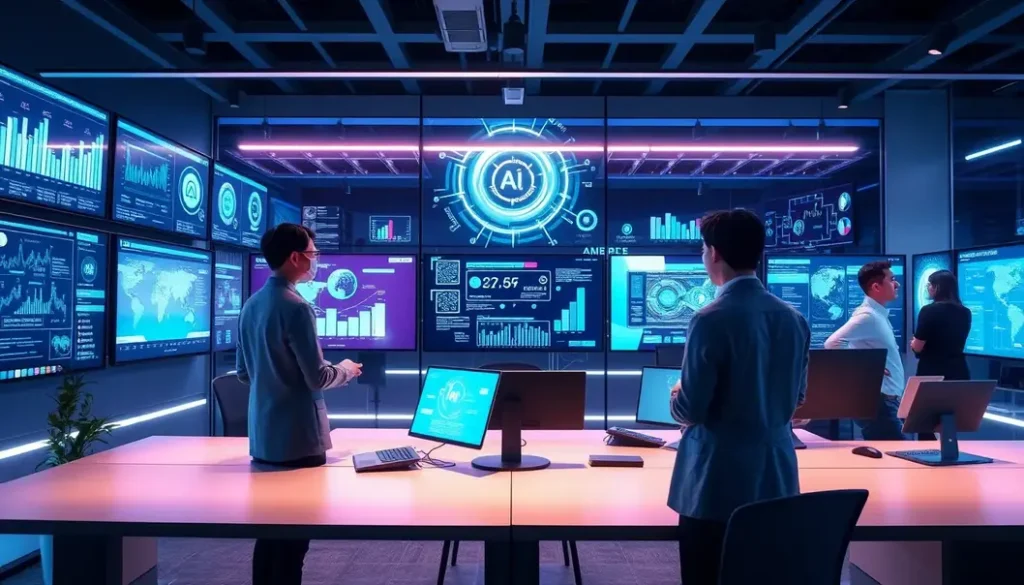
As organizations strive for efficiency and effectiveness, AI emerges as a pivotal component in Human Resources. From streamlining recruitment processes to enhancing employee engagement, artificial intelligence is reshaping the landscape of HR. This infusion of technology not only boosts productivity but also allows HR professionals to focus on strategic initiatives. Embracing AI means leveraging data-driven insights for better talent acquisition and management. As we delve into the potential applications of AI in HR, it’s crucial for HR managers and recruiters to understand how to integrate these tools effectively to foster a thriving workplace culture.
Streamlining Recruitment: AI’s Role in Talent Acquisition

Artificial intelligence has transformed the traditional recruitment process, turning what was often seen as a cluttered and protracted activity into a streamlined and efficient workflow. AI’s impact on talent acquisition starts at the very first step: sourcing candidates. By using algorithms to scan a myriad of online platforms, AI identifies potential candidates with remarkable precision. This approach reduces the time spent manually scouring for talent and allows HR professionals to focus on engaging with highly relevant candidates.
One of the most beneficial applications of AI in recruitment is resume screening software. Traditionally, hiring managers were inundated with stacks of resumes, often spending mere seconds reviewing each one. AI-driven software can now process thousands of resumes in minutes, highlighting those that meet predetermined criteria. This automation not only saves countless hours but also ensures greater consistency with less human error. By extracting key information and matching it against job requirements, AI enables recruiters to focus their efforts on a refined list of candidates.
Consider AI-driven candidate matching, an area where technology truly excels. Machine learning models analyze candidate profiles against the company’s existing talent database and job description metadata to predict which candidates are most suitable for a position. These predictive algorithms consider a range of factors such as skill sets, previous experience, and even cultural fit. This data-driven approach helps reduce turnover rates by ensuring candidates are well-suited not just to specific roles but to the broader organizational culture as well.
Data is at the heart of AI’s decision-making prowess in recruitment. Leveraging vast amounts of historical hiring data, AI systems continuously improve their accuracy in predicting candidate success. This data-centric approach also lends itself to enhanced reporting and analytics, offering insights into recruitment patterns, costs, and efficiencies. These insights allow companies to fine-tune their hiring strategies, optimizing budgets and improving overall outcomes.
However, while AI presents promising solutions, ethical considerations need to be paramount. The potential reduction of biases in hiring through AI is contingent on the data used to train these systems. If the data reflects societal biases, AI will inevitably perpetuate them. Therefore, it is crucial that HR professionals actively work to mitigate bias, ensuring training data is diverse and representative. They should regularly audit AI systems for fairness and transparency and maintain strict data privacy protocols.
AI’s capability to reduce bias lies in its ability to process data objectively, unlike human recruiters who may unconsciously favor candidates similar to themselves. By focusing on objective criteria and historical outcomes, AI can help level the playing field. Ensuring that these systems remain unbiased, however, demands persistent monitoring and updating of algorithms to counteract any emergent biases.
Integrating AI into recruitment processes is not without challenges, requiring thoughtful implementation and a balance between technological and human elements. HR professionals should view AI as a tool to enhance, not replace, human decision-making. Effective recruitment in the age of AI builds on the unique strengths of machines and humans, combining data-driven insights with the nuanced understanding of human talents and team dynamics.
For organizations eager to adopt AI in recruitment, best practices include starting small, allowing for iterative learning and adjustments, and involving stakeholders from various levels to ensure alignment and address concerns. By keeping the focus on continuous improvement and ethical governance, companies can harness the full potential of AI, not just to improve efficiency, but to enrich their talent acquisition processes.
The strategic use of AI in recruitment also requires HR professionals to continuously educate themselves on technological trends and innovations. This ensures that AI’s integration into their workspace aligns with broader strategic objectives and enhances their ability to attract, retain, and nurture talent. For HR professionals looking for further guidance on implementing innovative strategies with AI, resources such as AI in HR Strategies provide valuable insights and case studies into effective adoption tactics.
This evolution in recruitment through AI ultimately supports a more dynamic, fair, and tailored hiring process, paving the way for better outcomes for both organizations and candidates. By remaining vigilant about ethical use and potential biases, HR professionals can lead their organizations in revolutionizing their approach to talent acquisition, turning future-facing AI technologies into a robust pillar of their recruitment strategy.
Enhancing Employee Engagement: AI-Powered Solutions

Employee engagement is crucial for the success and sustainability of any organization. Various studies show that engaged employees are more productive, innovate actively, and are less likely to leave their jobs. As organizations aim to boost engagement, artificial intelligence emerges as a powerful ally. AI tools can tailor learning experiences, facilitate insightful feedback, and offer performance analytics, which collectively enhance workplace satisfaction.
Personalized Learning Experiences
AI excels in creating personalized learning journeys that drive engagement. By analyzing employees’ skills, preferences, and learning habits, AI can curate custom training programs. This approach ensures that each employee receives training that is relevant and captivating, fostering continuous professional development.
Machine learning algorithms can assess the gap between an employee’s current skills and the necessary competencies for career advancement. They then recommend targeted development opportunities, such as online courses, workshops, or mentoring sessions, personalized to an individual’s learning style and pace.
AI-powered platforms may also drive self-directed learning, allowing employees to take the initiative in their personal development. This empowerment not only increases engagement but also nurtures a sense of ownership over one’s career path.
Continuous Feedback Systems
Traditional annual performance reviews often fall short in maintaining employee engagement. Employees benefit from timely insights and actionable feedback on their performance. AI facilitates continuous feedback systems that provide real-time assessments of employee efforts.
Sentiment analysis tools can automatically generate feedback through AI-driven reflection on written communication and behavioral patterns. These tools detect emotional cues in text data and predict morale trends, enabling managers to intervene proactively. Continuous feedback fosters an environment of open communication where employees feel valued and understood.
AI systems can also personalize feedback delivery, adapting the tone and content according to individual preferences. Thus, the feedback becomes more meaningful, helping employees align their efforts with organizational goals and feel committed to their roles.
Performance Analytics and Sentiment Prediction
AI’s prowess in data analysis becomes especially beneficial in understanding employee performance and predicting future trends. Advanced analytics reveal insights that drive strategic decision-making and enhance employee engagement.
These systems parse an extensive range of data points, from productivity metrics to social interaction patterns, constructing a comprehensive picture of team dynamics. Managers can recognize patterns and identify high-performing employees who exemplify desired behaviors and see where interventions may be necessary.
AI can predict future behavior by analyzing historical data, enabling managers to foresee potential issues and nurture positive organizational culture. Predictive analytics informs retention strategies, supporting initiatives that keep morale high and minimize turnover.
Case Studies: Success in Action
Several companies have effectively integrated AI-driven solutions to boost engagement. For instance, a large multinational corporation revamped its training and development program using AI. Through personalized learning paths, they saw measurable increases in both skill proficiency and job satisfaction. Employees engaged with content tailored to their roles and aspirations, driving curiosity and enthusiasm.
Another firm implemented a real-time feedback system to replace annual reviews. Shortly after deployment, employee surveys showed a significant uptick in perceived recognition and a deeper connection to company objectives. Managers found that ongoing feedback loops not only improved individual performance but also translated into enhanced team unity and productivity.
These examples underscore the potential of AI to transform employee engagement paradigms, enabling HR departments to cultivate environments where employees thrive.
Integrating AI into HR Frameworks
Implementing AI in HR requires thoughtful integration into existing frameworks. Companies should begin by identifying key areas where AI can bring the most benefit, such as training, feedback, or performance management. Establish a pilot program that tests AI tools on a smaller group before scaling across the organization.
Ensuring transparency with employees about AI’s role in learning and evaluation processes is essential. Communicate the benefits clearly and provide training on how AI will support—not replace—human insights in employee development.
Next, ensure robust data privacy measures to build trust. Transparency about how data will be used and protected can alleviate concerns and foster acceptance of AI-driven initiatives.
Finally, partner with IT and data science teams to ensure seamless integration of AI technologies with current HR systems. Establish clear benchmarks and metrics for measuring the efficacy of AI integration in enhancing engagement. Regular evaluations and updates ensure that AI tools evolve alongside organizational needs, maintaining their relevance and impact.
As AI continues to transform HR strategies, its role in enhancing employee engagement will become ever more impactful. Organizations that embrace AI not only refine their approaches to developing and retaining talent but also set the stage for a future of empowered, informed, and engaged workforces.
For further insights into strategic AI integration in HR, explore the article on AI in HR Strategies.
Final words
The integration of AI into Human Resources presents immense opportunities for HR professionals and recruiters to reshape their approaches to hiring and employee engagement. By leveraging AI tools, organizations can achieve greater efficiency, make informed decisions, and foster a culture of continuous improvement. As the technology evolves, embracing AI will position HR teams to not only meet current challenges but also anticipate future workforce needs, creating thriving workplaces that adapt and grow.
Automate Your HR Processes with AI
Learn more: innoupdates.com
About us
Human Resources AI Automation and Tools aimed at enhancing efficiency in hiring, employee engagement, and overall HR management. Our solutions empower HR professionals to focus on strategic goals through data-driven insights.