
Artificial Intelligence (AI) is reshaping the retail landscape by enabling brands to offer personalized and efficient customer experiences. By leveraging data analytics, retailers can anticipate consumer needs, optimize inventory, and enhance customer interactions. The integration of AI technologies paves the way for smarter engagement strategies, ensuring businesses remain competitive and meet the evolving expectations of their customers. This article outlines the role of AI in retail experience engagement, diving into key applications, data strategies, and future implications to help engineers and administrators harness the potential of AI in their operations.
Harnessing Predictive Analytics for Inventory Management
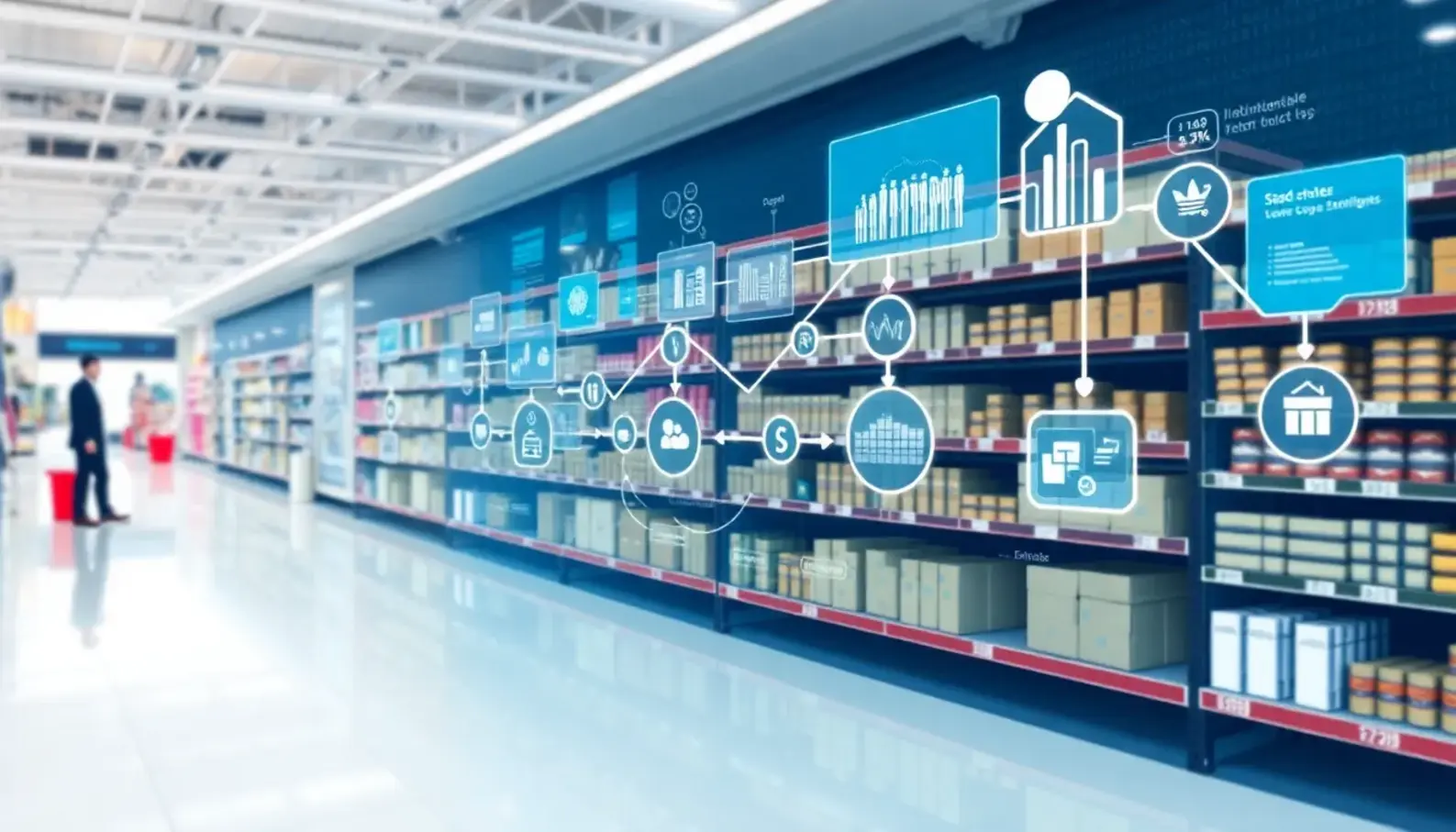
In the evolving landscape of retail, predictive analytics has emerged as a pivotal tool in inventory management. This technology uses algorithms and data analysis to foresee demand patterns, enhancing efficiency and customer satisfaction.
Predictive analytics in inventory management revolves around accurately forecasting demand. By analyzing historical data, sales trends, and external factors, businesses can predict future sales with remarkable precision. Machine learning models play a crucial role here. They are trained to recognize patterns and anomalies within large datasets, continuously improving their accuracy over time. This proactive approach allows retailers to adjust purchase orders and production schedules effectively, mitigating risks associated with overstocking or stockouts.
Managing stock levels efficiently is another key benefit of AI-driven analytics. By evaluating inventory turnover rates and utilizing real-time data, retailers can maintain optimal stock levels. This strategy minimizes excess inventory, reducing holding costs and freeing up capital. Moreover, it ensures that popular items remain in stock, improving customer satisfaction and maximizing sales opportunities.
Automating supply chain processes through AI is transforming the retail sector. Predictive analytics enables automated ordering systems that adjust procurement based on projected demand. These systems help maintain lean inventories, reduce waste, and ensure a seamless flow of goods from suppliers to customers. The integration of AI into supply chain processes not only enhances efficiency but also adapts to unexpected changes in demand or supply disruptions.
The importance of data quality and algorithmic efficiency cannot be overstated in predictive analytics. High-quality data is the backbone of accurate forecasts. Inaccurate or incomplete data can lead to flawed predictions, adversely affecting inventory decisions. Retailers must invest in robust data collection and management systems to ensure their predictive models operate optimally.
Algorithmic efficiency is equally vital, as it determines the speed and accuracy of data processing. Leveraging cutting-edge computational techniques allows algorithms to quickly analyze vast amounts of data, providing timely insights into inventory needs. Efficient algorithms also facilitate real-time decision-making, enabling retailers to respond swiftly to changes in consumer behavior and market conditions.
Several retailers have successfully implemented predictive analytics, revolutionizing their inventory management practices. For instance, a leading global retail chain used predictive models to streamline its supply chain. By forecasting demand more accurately, it reduced excess stock by 15%, cut holding costs, and improved customer satisfaction scores significantly. Another retailer improved its demand forecasting by integrating weather data, enhancing its seasonal inventory strategy.
These examples underscore the transformative potential of predictive analytics in retail. By enhancing inventory management, retailers can achieve greater operational efficiency and improve customer experiences. As more companies adopt AI-driven solutions, the importance of maintaining high data quality and optimizing algorithmic performance will only grow.
For those interested in exploring the broader impact of AI on business growth, consider reading this article. It provides deeper insights into how AI technologies are reshaping various business processes, including marketing, HR, and finance.
In essence, predictive analytics offers a strategic advantage to retailers, allowing them to navigate the complexities of consumer demand with precision and agility. As the retail sector continues to evolve, leveraging these advanced technologies will be crucial in maintaining competitiveness and enhancing the overall customer journey.
Personalization Strategies Leveraging Customer Data
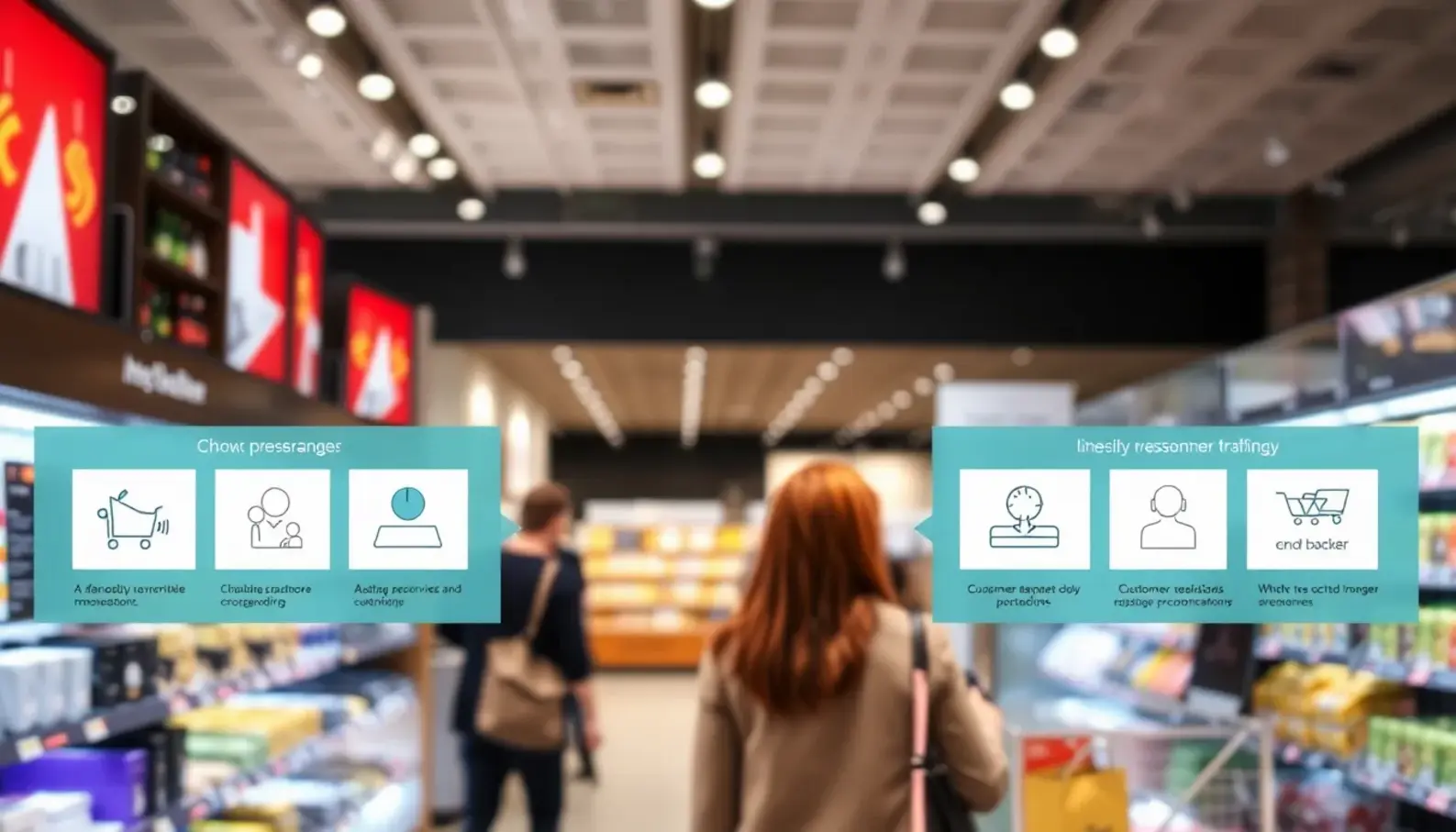
Personalized shopping experiences have transformed how retailers interact with consumers. With the advent of artificial intelligence, personalization has become more precise and adaptive. AI-powered tools can sift through massive datasets, extracting valuable insights into consumer preferences, making personalization both potent and scalable.
AI-Driven Recommendation Engines
Recommendation engines, among the most successful personalization techniques, analyze past purchase behavior, browsing history, and even social media activity to suggest products likely to interest individual shoppers. Leveraging algorithms such as collaborative filtering and deep learning, these engines enhance the shopping experience by ensuring that every touchpoint with the customer is tailored and relevant. This personalization increases the chances of customers discovering products they genuinely want, boosting conversion rates and overall satisfaction.
For instance, collaborative filtering, a popular technique, predicts user preferences by identifying patterns within large user groups. This method ensures that recommendations align well with a user’s tastes based on the activity of similar customer profiles. Deep learning models, on the other hand, delve deeper into complex layers of data, uncovering intricate preferences that simpler models might miss. By combining these methods, retailers can offer nuanced recommendations that adapt to changing consumer behaviors.
Customer Segmentation for Precise Targeting
AI also facilitates dynamic customer segmentation, identifying distinct groups within a broader customer base. Traditional segmentation methods relied on demographics or purchase history, which, while useful, often overlooked behavioral nuances. AI can analyze this data more comprehensively, examining variables such as browsing patterns, frequency of visits, and even social engagement metrics. This enables more precise grouping based on behavioral and psychographic data, allowing retailers to tailor marketing efforts more effectively.
Dynamic segmentation accounts for evolving customer preferences, facilitating timely and relevant engagement. For example, AI can trigger distinct marketing campaigns when a customer is about to switch brands or when their purchasing behavior changes, prompting timely interventions that help retain the customer. Such proactive strategies reduce churn and enhance customer loyalty by consistently meeting customer expectations with personalized offers and content.
Tailoring Marketing Strategies
The integration of AI in retail revolutionizes marketing strategies. By using advanced analytics to decode consumer behavior, retailers can tailor marketing messages to fit individual preferences and pain points. This data-driven approach allows brands to send personalized emails, notifications, or even tailor their website in real-time to reflect an individual customer’s preferences.
Personalized marketing strategies also include customized pricing and offers. Using predictive analytics, retailers can determine the optimal pricing strategy for each customer segment, maximizing profit while ensuring competitive pricing. For instance, offering personalized discounts based on previous purchase behavior can drive sales while maintaining customer satisfaction.
Enhancing User Engagement and Loyalty
AI-driven personalization not only enhances immediate sales but also fosters long-term engagement. By continuously refining recommendations and personalizing interactions based on ongoing data analysis, retailers keep their audience engaged. Predictive analytics play a crucial role here, identifying and acting upon potential issues before they escalate.
Understanding a customer’s lifecycle allows retailers to anticipate needs and deliver relevant content at the right time. For example, early adoption of new products by a customer might trigger an upselling or cross-selling opportunity. On the other hand, analyzing feedback and user interactions can help modify service offerings, ensuring they remain relevant and appealing. This approach not only attracts customers but turns them into loyal advocates of the brand.
In this era of competitive retail, where customer expectations are ever-evolving, integrating AI into personalization strategies offers retailers a substantial competitive edge. By transforming customer data into actionable insights, businesses can create compelling shopping experiences that enhance engagement, boost conversion rates, and cultivate loyalty.
To delve deeper into AI marketing strategies in other sectors, see AI Marketing Strategies.
Enhancing Customer Interaction with AI Chatbots

AI chatbots are revolutionizing customer engagement in retail by automating a wide range of interactions. Chatbots serve as frontline support, managing inquiries and resolving issues efficiently. This automation allows human agents to focus on more complex tasks, thereby augmenting productivity.
Retailers are increasingly adopting AI chatbots to provide round-the-clock customer service. The presence of 24/7 support minimizes wait times, directly impacting customer satisfaction positively. Consumers appreciate real-time responses to their inquiries, fostering a sense of immediacy and reliability.
Scalability is another critical advantage offered by chatbots. Unlike human agents, chatbots can simultaneously engage with unlimited customers without compromising quality. This characteristic is pivotal during peak shopping seasons when customer inquiries surge. Chatbots ensure consistent service delivery, covering a range of queries from product availability to tracking orders.
Besides handling common questions, chatbots possess the ability to collect and analyze data on customer preferences. Through interactions, chatbots gather insights into purchasing behavior and preferences. This data enables retailers to personalize marketing efforts, tailor product recommendations, and refine inventory management strategies, hence driving sales and customer loyalty.
Case Studies of Effective Integration
Several retailers offer insights into seamless chatbot integration. One global fashion retailer implemented an AI-powered chatbot to handle 70% of its customer service interactions. This move not only reduced operational costs but also improved response times significantly. The retailer reported a 30% increase in customer satisfaction scores six months post-implementation.
Another noteworthy example comes from a home goods retailer, which integrated a chatbot capable of language processing and contextual understanding. The chatbot provided personalized product suggestions by analyzing customer browsing history and interacting conversationally. This retailer saw a 20% rise in conversion rates as the chatbot effectively upsold products matching customer tastes.
However, for AI chatbots to maintain their effectiveness, continuous training and enhancement of AI models are essential. AI algorithms must evolve with changing consumer expectations and behavior. Retailers must invest in regular updates and feedback loops that refine chatbot algorithms, ensuring they remain responsive to consumer needs.
Incorporating natural language processing (NLP) and machine learning (ML) facilitates more sophisticated conversations. These technologies allow chatbots to interpret customer queries contextually rather than relying solely on keyword recognition. By understanding context, chatbots offer nuanced assistance, addressing multifaceted inquiries with precision.
Retailers can further enhance chatbots by integrating emotional intelligence capabilities. AI models equipped with sentiment analysis tools can tailor responses based on detected emotional cues. Addressing customers empathetically fosters a deeper connection, enhancing user experience and satisfaction.
Despite the remarkable capabilities of AI chatbots, challenges remain. Chatbots occasionally struggle with complex queries requiring human intervention. Hybrid models, where chatbots and human agents collaboratively handle inquiries, present a viable solution. By managing routine interactions, chatbots free human agents for tasks necessitating emotional intelligence and specialized knowledge.
Integration of AI chatbots into retail operations aligns with broader AI marketing strategies designed to improve business outcomes. Retailers deploying chatbots should also remain cognizant of ethical considerations, ensuring data privacy and transparency in customer interactions, as highlighted in this AI ethics article.
In conclusion, AI chatbots are transformative tools enhancing customer interaction in retail. Their efficacy in automating services, coupled with the ability to gather valuable data, makes them indispensable for modern retail strategies. To sustain their utility, retailers must prioritise continuous learning and adaptation within AI systems, ensuring they remain aligned with consumer expectations and technological advancements.
Final words
The integration of AI in retail experience engagement is no longer optional; it’s essential for staying competitive. By employing predictive analytics, personalization strategies, and AI chatbots, retailers can enhance operations and create meaningful connections with their customers. The future of retail is woven into the fabric of data-driven insights and AI-powered interactions, making it imperative for businesses to continuously adapt and evolve.
Book a Demo to Experience AI in Action
Learn more: https://innoupdates.com
About us
Our company specializes in implementing AI-driven solutions for retail, focusing on enhancing customer engagement, optimizing inventory management, and providing actionable insights through advanced analytics. With years of experience and a dedicated team of experts, we support businesses in leveraging AI technologies to create personalized and efficient shopping experiences. Explore our wide range of solutions designed to meet the unique needs of the retail sector.