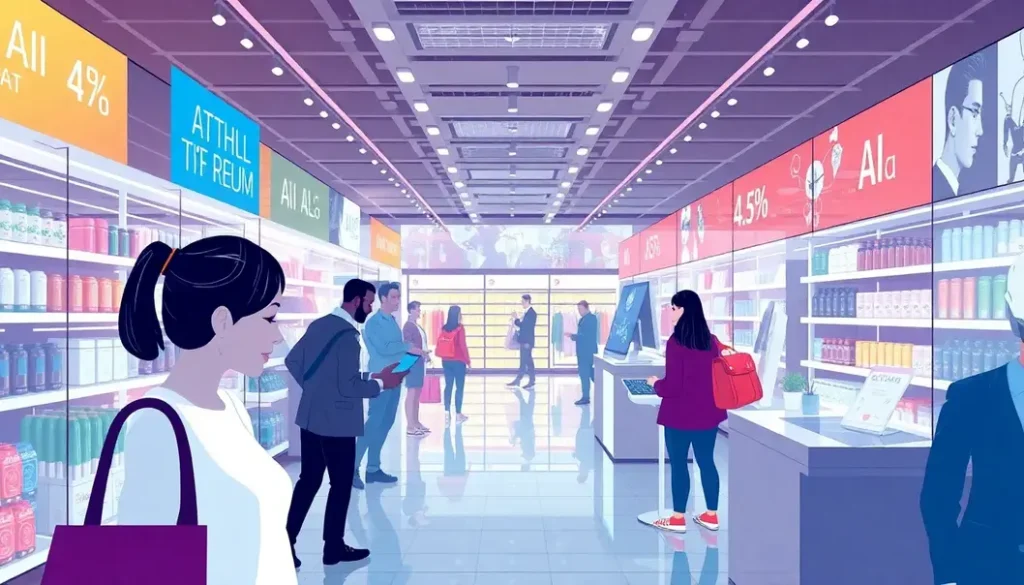
As the retail industry evolves, the integration of artificial intelligence (AI) is becoming a pivotal element in enhancing customer experience and streamlining operations. Retailers are leveraging AI technologies to understand consumer behavioral patterns, optimize inventory management, and personalize offers. Students exploring retail management and CEOs driving innovation must closely analyze how AI can not only reshape traditional retail practices but also enhance customer satisfaction and drive sales. From chatbots providing quick assistance to predictive analytics forecasting trends, AI is fundamentally changing the way retailers operate, engaging directly with consumers in exciting and meaningful ways. The following chapters delve deeper into the practical applications and transformative potential of AI in retail.
Understanding AI in Retail: A Foundation for Innovation
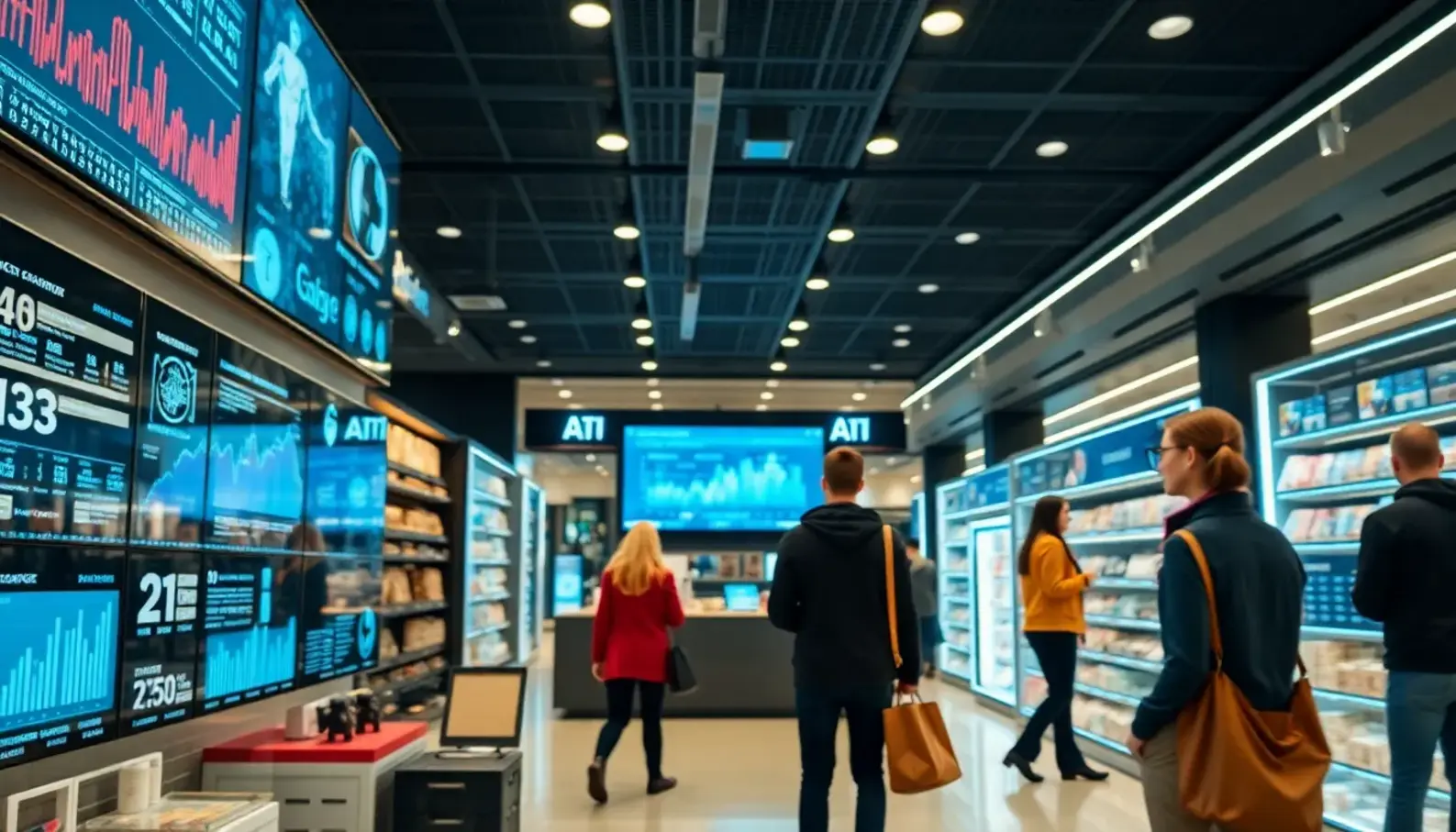
The integration of Artificial Intelligence (AI) in retail experience operations is reshaping how businesses understand and meet customer expectations. Key technologies like machine learning, natural language processing, and predictive analytics are pivotal in this transformative era. These technologies are not only enhancing operational efficiencies but also crafting personalized customer experiences like never before.
Machine learning, a subset of AI, empowers systems to automatically learn and improve from experience without being explicitly programmed. In retail, machine learning algorithms analyze vast amounts of data to identify patterns and insights. This technological capability helps businesses anticipate customer needs and personalize marketing strategies. Retailers use these insights to optimize inventory management, ensuring popular products remain in stock while reducing overstock.
Natural language processing (NLP) enhances communication between computers and human language, making it possible for AI systems to understand, interpret, and respond accurately. In customer service, NLP enables chatbots and virtual assistants to provide real-time support, resolving issues efficiently without human intervention. This capability is not only streamlining customer interactions but also freeing up human resources to focus on more complex tasks.
Predictive analytics leverages data, statistical algorithms, and machine learning techniques to identify the likelihood of future outcomes based on historical data. Retailers utilize predictive analytics to forecast consumer behavior and product demand, boosting customer satisfaction and loyalty. By analyzing trends, businesses can tailor their marketing campaigns and operations to align with customer preferences and market shifts.
The importance of data collection and analysis cannot be overstated in this AI-driven landscape. Retailers collect vast amounts of data from numerous touchpoints—websites, mobile apps, in-store interactions—and use this data to gain a comprehensive understanding of customer behaviors. Data analysis helps retailers create detailed customer profiles, enabling them to deliver personalized experiences, whether it’s through product recommendations or targeted promotions.
Personalized shopping experiences are at the heart of AI’s impact on retail. By deeply understanding individual customer preferences, retailers can provide a tailored and seamless shopping journey. For instance, AI-driven recommendation engines suggest products that align with a customer’s tastes and purchase history, enhancing the likelihood of conversion and customer satisfaction.
However, the transformative potential of AI in retail extends beyond personalization. AI technologies are also instrumental in operational efficiencies, from automating supply chain processes to enhancing in-store experiences with smart technologies. Retailers are increasingly adopting AI tools to optimize product placement, manage checkout processes with cashierless systems, and analyze shopper traffic to improve store layouts.
To capitalize on AI’s full potential and drive innovation, retailers need to invest in robust data management strategies. Collecting and processing high-quality data is crucial for building reliable AI models. Furthermore, ethical considerations in data handling and AI deployment must be at the forefront to maintain customer trust and comply with regulatory standards.
Exploring the integration of AI in retail provides significant insights into how businesses can thrive in the digital age. Retailers embracing these technologies are not only enhancing the customer experience but also fostering a culture of continuous innovation and adaptation. For more insights into AI-driven transformations across various sectors, explore topics such as AI in business growth.
In conclusion, understanding and leveraging AI technologies form the bedrock of modern retail experience operations. As these technologies continue to evolve, retailers must remain agile and forward-thinking, constantly exploring new ways to engage customers and enhance operational capabilities. Through strategic implementation of AI, retail businesses can ensure they remain competitive and relevant in an ever-changing market landscape.
Real-World Applications: Success Stories of AI in Retail
Retailers worldwide are leveraging artificial intelligence in novel ways that are reshaping the retail landscape. Let’s delve into three compelling case studies that showcase the transformative power of AI in retail operations.
Chatbots Enhancing Customer Service
One leading retail brand has successfully integrated AI-powered chatbots into its online store. The chatbot operates 24/7, providing customers with instant responses to queries and offering product recommendations tailored to user preferences. This integration has reduced customer service response time by 60%. As a result, customer satisfaction scores have increased by 35%.
The chatbot uses natural language processing (NLP) to understand and respond to customer inquiries clearly and concisely. Through machine learning, it continually improves its knowledge base, learning from customer interactions to offer better assistance over time. The cost savings from reduced staffing needs and increased efficiency have been substantial, with an estimated ROI of over 200% in the first year alone.
AI-Driven Inventory Management
In another instance, a multinational retail conglomerate implemented AI-driven inventory management systems to optimize stock levels. By analyzing historical sales data, current market trends, and external factors such as weather, their AI system predicts demand with remarkable accuracy. Before adopting AI, the company faced challenges of overstocking or understocking certain products, leading to missed sales opportunities or wasted resources.
Post-implementation, they achieved a 20% reduction in inventory carrying costs and a 15% increase in inventory turnover. This system has enhanced their supply chain resilience, ensuring that products are available when customers need them. Improved forecasting accuracy has streamlined logistics, reducing waste and delivering a more sustainable operation. Such improvements demonstrate substantial financial gains and a strong environmental commitment.
Personalized Marketing Strategies
Thirdly, consider a fashion retailer that embraced AI to personalize its marketing strategies. By using AI algorithms, they analyze customer purchase histories and browsing patterns, enabling more precise segmentation and targeted marketing campaigns. Customers receive personalized recommendations, increasing the likelihood of purchase and improving the overall shopping experience.
The company’s marketing emails, tailored to individual preferences, have seen a click-through rate increase of 25%. Moreover, customer retention has improved significantly; their loyalty program, enhanced by AI insights, has led to a 30% rise in repeat purchases.
In harnessing AI for personalization, the retailer has elevated its user engagement strategy, resulting in a 40% rise in conversion rates. ROI from these endeavors has proven sustainable, with a measurable impact on customer lifetime value and brand loyalty.
Metrics of Success and ROI
The metrics by which these companies measure AI integration success include efficiency gains, increased sales, improved customer satisfaction, and reduced operational costs. For instance, efficient chatbots save time and resources, translating into cost savings and higher customer contentment. Similarly, AI-enhanced inventory systems boost turnover rates and reduce waste, promoting profitability and environmental responsibility.
Measuring ROI for AI initiatives involves quantifying time savings, labor cost reductions, and tangible improvements in sales metrics. Success isn’t just financial; it’s also seen in customer loyalty, brand perception, and adaptability in rapidly changing markets. These companies exemplify how AI can revolutionize retail experience operations, setting a precedent for businesses aiming to remain competitive in a digitally evolving marketplace.
The synergy between AI and retail experience operations can be explored further as businesses adopt innovative strategies. For those interested in how AI intersects with broader market trends, this discussion aligns closely with AI Marketing Strategies and showcases AI’s potential across diverse industries.
Final words
AI in retail experience operations is not just a trend; it represents a fundamental shift in how businesses engage with customers. By understanding and embracing AI technologies, retailers can create personalized experiences, optimize their processes, and drive substantial growth. As students and industry leaders collaborate, realizing the full potential of these innovations is crucial for adapting to the future of retail. Harnessing the power of AI will ultimately define success in the new retail landscape.
Ready to dive into the future of retail? Apply for Beta now!
Learn more: https://innoupdates.com
About us
Our company specializes in innovative AI solutions tailored to enhance retail operations. We offer cutting-edge tools and analytics tailored to boost customer engagement while improving operational efficiencies. From personalized marketing strategies to advanced inventory management systems, our offerings are designed to provide retailers with the insights and tools needed for success in a competitive landscape. Join us in shaping the future of retail experience.