Artificial Intelligence (AI) is not just a tech buzzword; it is a revolution in the retail sector. This dynamic technology is dramatically altering how retailers plan customer experiences, optimize operations, and manage inventory. From predictive analytics to personalized marketing, AI is equipping retailers with tools that enhance the shopping journey. As students and engineers delve into this exciting frontier, understanding the intersection of AI and retail can inspire innovative solutions and new career paths. The synergy of technology and consumer behavior creates opportunities for impactful contributions in the retail landscape.
Understanding AI’s Role in Retail
Artificial Intelligence (AI) has emerged as a transformative force in retail, leading to a profound shift in how businesses operate and engage with customers. By integrating AI technologies into various facets of retail, companies can significantly enhance decision-making processes and operational efficiency. This chapter delves into the key AI technologies like machine learning, natural language processing, and computer vision, exploring their applications and benefits in the retail sector.
Machine Learning: Driving Informed Decisions
Machine learning, a subset of AI, employs algorithms to analyze vast amounts of data, identifying patterns and making predictions. In retail, machine learning is pivotal for optimizing inventory management, pricing strategies, and personalized marketing campaigns. Algorithms can predict demand patterns and suggest optimal pricing, maximizing sales while minimizing overstock issues. This capability allows retailers to base decisions on concrete data insights rather than assumptions.
An example of machine learning in action is in recommendation systems. These systems analyze customer behavior to suggest products they might be interested in, greatly improving the customer shopping experience. By using historical purchase data and browsing patterns, retailers can offer tailored suggestions that are more likely to lead to sales.
Natural Language Processing: Enhancing Customer Interaction
Natural language processing (NLP) enables computers to understand and respond to human language. In retail, NLP powers chatbots and virtual assistants that provide customers with immediate, personalized service. These tools can handle a range of tasks from answering product queries to assisting with checkout processes.
Integrating NLP into customer service allows retailers to offer 24/7 assistance without significant increases in labor costs. As these systems become more sophisticated, they can adapt to different languages and dialects, broadening a retailer’s reach and improving customer engagement across diverse markets.
Computer Vision: Revolutionizing the Shopping Experience
Computer vision, which allows computers to interpret and understand visual data, is revolutionizing how retailers manage operations and enhance customer experiences. Retailers employ computer vision for tasks such as cashier-less checkout, where cameras and sensors identify products as customers select them, enabling a seamless checkout process without traditional tills.
Additionally, computer vision is used in inventory management, helping automate the process of restocking shelves by detecting empty spaces and mismatches in real-time. This technology ensures that stores maintain optimal inventory levels, directly affecting customer satisfaction.
Real-World Applications and Benefits
AI technologies have already made significant impacts on retail strategies, seamlessly integrating into operations to enhance efficiency and customer satisfaction. Consider a real-world example where a clothing store utilizes AI to manage its inventory. Using machine learning algorithms, the retailer predicts which products will sell quickly and adjusts stock levels accordingly. NLP-powered interfaces assist customers in finding exactly what they need, offering style suggestions based on previous purchases. Meanwhile, computer vision systems keep track of stock levels in real-time, alerting staff when popular items are running low.
The benefits of AI in retail extend beyond customer interaction. AI can optimize supply chain logistics, predicting weather disruptions or geopolitical events that might affect delivery schedules. Operational efficiency is greatly increased, reducing waste and carbon footprints. These improvements lead not only to cost savings but also to an enhanced reputation as a sustainable brand.
Retailers that embrace AI can expect better brand loyalty as they provide more personalized shopping experiences. Customers appreciate when their preferences are acknowledged and valued, and AI allows retailers to deliver this at scale. Additionally, by handling numerous operational tasks, AI frees up workforce resources, allowing staff to focus on value-added activities that enhance the in-store experience.
In summary, AI’s role in retail is multifaceted, providing retailers with tools to transform operations and customer interactions alike. While AI technologies continue to evolve, their current applications already demonstrate significant potential for growth and improvement in the industry. As retailers continue to adapt and integrate these technologies, we will likely see even more innovative uses that further enhance both the efficiency and customer experience in retail spaces.
For further insights into the intersection of AI and industry, explore how AI reshapes business strategies in various sectors through this article.
Transforming Customer Experience Through Personalization
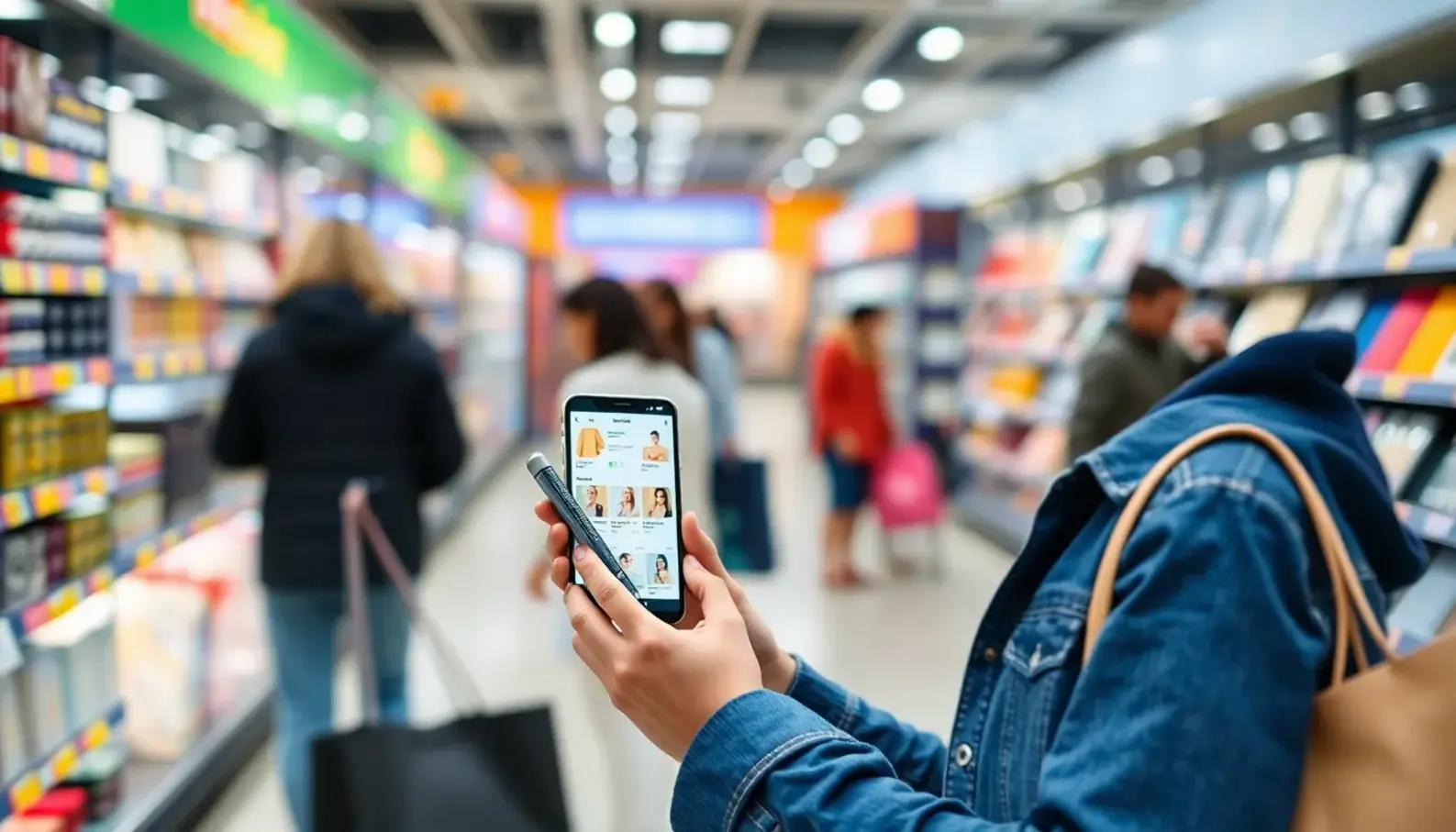
The retail industry is undergoing a profound transformation as artificial intelligence begins to infuse every aspect of shopping. AI’s ability to harness data-driven insights empowers retailers to provide personalized experiences that resonate deeply with individual consumer preferences. At the heart of this transformation is the capability to analyze vast amounts of consumer data and derive information crucial to tailoring personalized marketing strategies, product recommendations, and shopping interfaces.
Personalization begins with understanding the consumer. AI algorithms analyze customer behavior, past purchases, and browsing habits to create detailed shopper profiles. Such profiles help retailers anticipate what customers might want before they even ask for it. By employing machine learning algorithms, retailers can develop predictive models that suggest products a customer is statistically likely to purchase, thus enhancing the shopping experience through relevance and timeliness.
One of the significant breakthroughs has been in tailored marketing strategies. Through AI-powered tools, marketers can now segment audiences much more accurately. These segments allow for targeted campaigns that speak directly to individual interests and needs. As a result, marketing messages are not just broadcasted but finely tuned to ensure engagement. Platforms built on AI can dynamically adjust content in real-time based on user interactions, enhancing the impact of marketing efforts.
Beyond marketing, personalization extends to the shopping interface itself. Modern retailers deploy AI-enhanced user interfaces designed to adapt to user preferences. For instance, the homepage can transform based on previous interactions, showcasing products that align with a customer’s tastes. Interactive elements such as chatbots leverage natural language processing to provide personalized customer support, improving satisfaction by delivering fast, accurate responses to inquiries.
AI-driven personalization also fosters innovation in product recommendations. Recommendation engines, powered by collaborative filtering and deep learning models, analyze data patterns across many users while maintaining individual focus. These engines deliver recommendations that might seem serendipitous yet are carefully calculated, enhancing customer discovery and, ultimately, satisfaction. Such systems encourage additional purchases, boosting sales while offering genuine customer value.
However, personalization would not be possible without diligent customer data collection. Retailers prioritize gathering accurate data through multiple channels—social media interactions, website activities, and transactional records, among others. This data provides rich, actionable insights that fuel personalization efforts. Yet, with great data comes great responsibility. The imperative to protect customer privacy is more pressing than ever. Retailers must implement robust data governance frameworks to ensure compliance with regulations like GDPR and CCPA, securing customer trust.
Transparency in data usage is critical. Customers need to understand what data is collected, how it is used, and the benefits they derive from personalized experiences. Providing opt-in mechanisms and clear privacy policies can enhance trust and willingness to share data. Balancing personalization with privacy requires ongoing dialogue with consumers and adaptability to evolving privacy landscapes.
Ensuring a seamless and engaging shopping experience while addressing privacy concerns demands an integrated approach. AI systems must be built with security and ethical standards baked in from inception. Incorporating privacy-preserving technologies, such as federated learning and differential privacy, can help retailers analyze data usefully without compromising individual privacy.
As AI technology evolves, the potential for personalization in retail expands. Increasing computational capabilities and advanced algorithms hold promise for even greater personalization depths. Future advancements could include hyper-personalized experiences extending beyond digital touchpoints into brick-and-mortar spaces, where IoT sensors and augmented reality create immersive shopping environments tailored to personal preferences.
Innovation in personalized retail experiences connects closely with developments in AI marketing strategies. The convergence of these technologies signifies a shift where AI becomes an architect of individualized shopping journeys, sculpting retail environments both online and offline. As customer expectations continue to rise, retailers leveraging AI to its fullest potential will not only meet these expectations but exceed them, setting new standards in the retail landscape.
The journey towards personalization is not just a technological evolution but a cultural shift towards consumer-centricity. Retailers embracing AI as a companion in their strategy will find themselves well-equipped to navigate this new landscape, capturing not only market share but customer loyalty in a tech-driven era.
Optimizing Inventory Management with AI Insights
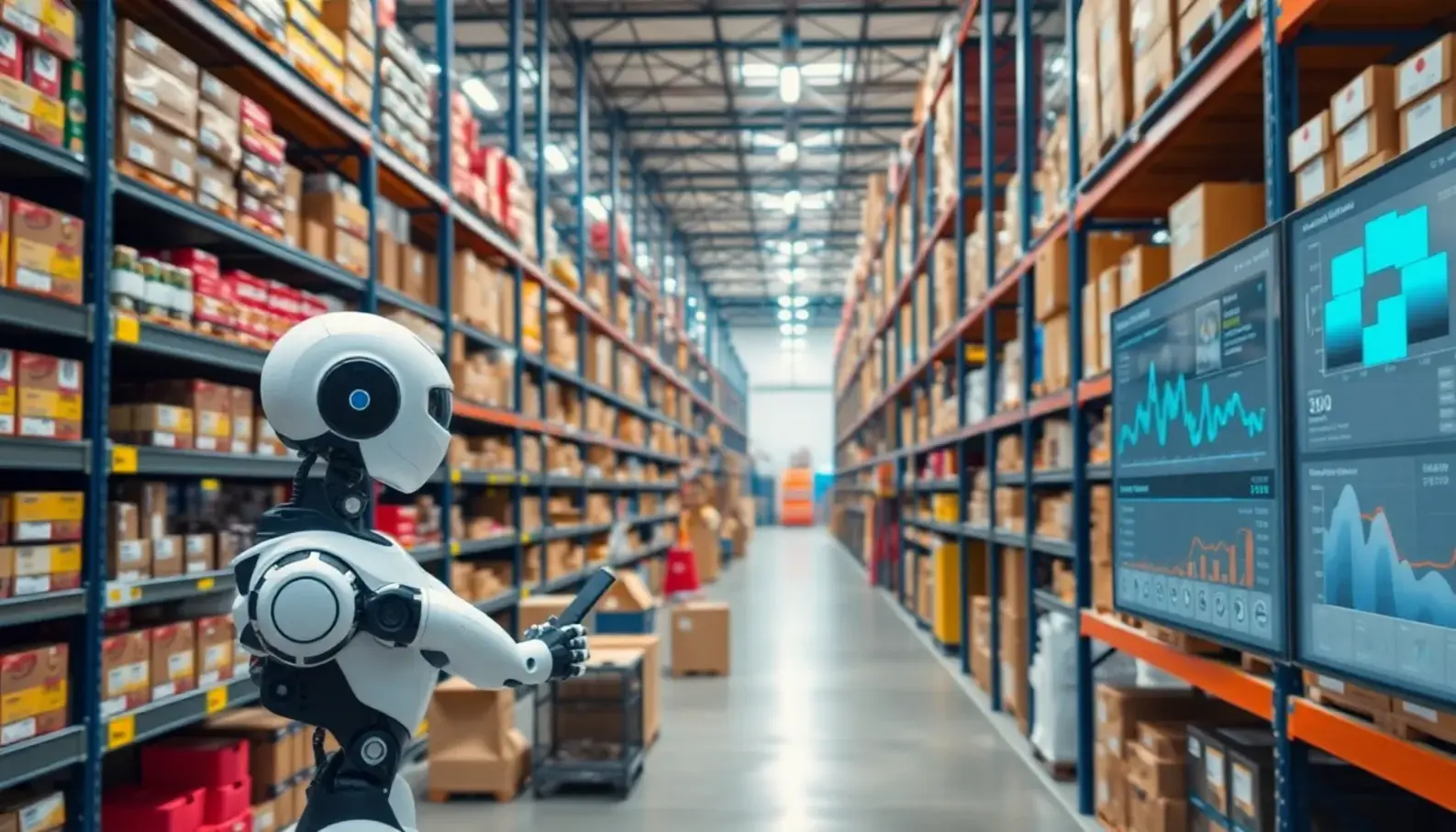
In retail, effective inventory management is more than just maintaining an optimal stock level. It requires a delicate balance of availability to meet customer demands without the inefficiencies of overstocking or the missed opportunities of stockouts. Enter Artificial Intelligence—a transformative force reshaping how retailers approach this critical aspect of business.
AI has revolutionized inventory systems by enabling predictive analytics. These analytics forecast demand trends with remarkable accuracy, enhancing stock management and minimizing waste. Retailers can use past sales data, market trends, and external factors to anticipate consumer needs more precisely.
Machine learning models can predict demand fluctuations by analyzing historical sales data, seasonal trends, and even real-time local events that might influence buying behaviors. For instance, a sudden surge in demand for umbrellas due to unexpected rainfall can be predicted by AI algorithms that integrate weather forecasts into their analysis.
Such deep integration allows for more agile inventory replenishment and strategic planning. Instead of reactive restocking, retailers engage in proactive management, ensuring that they always have the right products available at the right times. This synchronization not only reduces carrying costs but also enhances customer satisfaction, as items are less likely to be out of stock.
Consider a major retail chain that applied AI-driven demand forecasting. The company reduced its stock levels by 30%, slashing excess inventory costs without sacrificing availability. This was achieved by implementing a dynamic model that adjusted order quantities based on predictive insights regarding shopper preferences.
Another case study involved a small online retailer embracing AI to handle its growing inventory challenges. By employing AI to analyze multi-channel sales data, this retailer managed to cut down on wastage due to unsold stock and improve fulfillment times by streamlining its warehouse operations.
AI also plays a pivotal role in automating complex decision-making processes. Automation optimizes the supply chain from procurement to delivery, enabling seamless coordination between involved parties. AI algorithms can determine reorder points and evaluate supplier performance, making the supply chain more responsive and resilient to disruptions.
With these advancements, retailers can recalibrate their business models to embrace a more sustainable approach. By lowering surplus stock levels and minimizing wastage, companies not only achieve cost savings but also reduce their carbon footprint, aligning with growing consumer expectations for environmentally conscious operations.
For students and engineers poised to enter this field, opportunities abound. Innovations in AI signal a burgeoning demand for fresh perspectives and creative solutions to longstanding inventory problems. One potential area is enhancing the interpretability of AI models used in demand forecasting. Transparent AI can improve human trust and decision-making.
Moreover, they can explore hybrid models that integrate traditional business intelligence with AI capabilities. This fusion could offer more comprehensive insights, accounting for nuances that pure datasets might overlook.
There’s also room for innovation in the interface between AI systems and human operators. Designing user-friendly platforms that translate complex data insights into actionable strategies can empower retail managers to take informed actions swiftly.
Another promising avenue is the exploration of agent-based simulation models that can recreate retail environments. These models could offer predictive insights about how changes in inventory policies might affect overall business performance—providing a sandbox for testing new strategies without the risk of real-world implications.
Additionally, they could contribute by optimizing AI models for smaller retailers who may not have access to extensive datasets akin to their larger counterparts. Tailored algorithms that perform effectively with limited data could democratize AI benefits across the retail sector.
AI’s role in inventory management extends beyond mere logistical improvements; it establishes a new paradigm that positions retailers for future growth and adaptability. By embedding intelligence at the core of inventory systems, businesses can leverage data more strategically, ultimately enhancing efficiency and competitiveness in a constantly evolving market landscape.
For more insights into innovative uses of artificial intelligence, including its application in diverse fields such as finance, visit this AI in Finance Strategies article.
Final words
AI is redefining the retail landscape, from enhancing the customer shopping experience to optimizing backend operations. As students and engineers explore this field, they bear the potential to innovate and contribute significantly to shaping the future of retail. Embracing AI’s capabilities offers a pathway to foster creativity and ingenuity in addressing retail challenges, ultimately enriching customer interactions and business outcomes.
Try Free Demo
Learn more: innoupdates.com
About us
Our company, focused on integrating artificial intelligence into various sectors, provides tailored solutions for retail experience planning. We equip businesses with AI tools for analytics, customer personalization, and inventory optimization, ensuring they remain competitive in a rapidly evolving market.