
Artificial intelligence is revolutionizing supply chain management, promising to enhance efficiency and adaptability. Companies can leverage AI technologies to automate processes, forecast demand, and analyze vast data sets to streamline operations. This shift not only improves productivity but also fortifies supply chains against disruptions, a key factor in today’s volatile market. Understanding AI’s capabilities and potential applications becomes essential for decision-makers and tomorrow’s engineers. The integration of AI drives modernization and responsiveness in supply chains, empowering organizations to meet evolving customer needs effectively. Let’s explore how AI can reshape logistics and operations.
AI Fundamentals and Supply Chain Dynamics
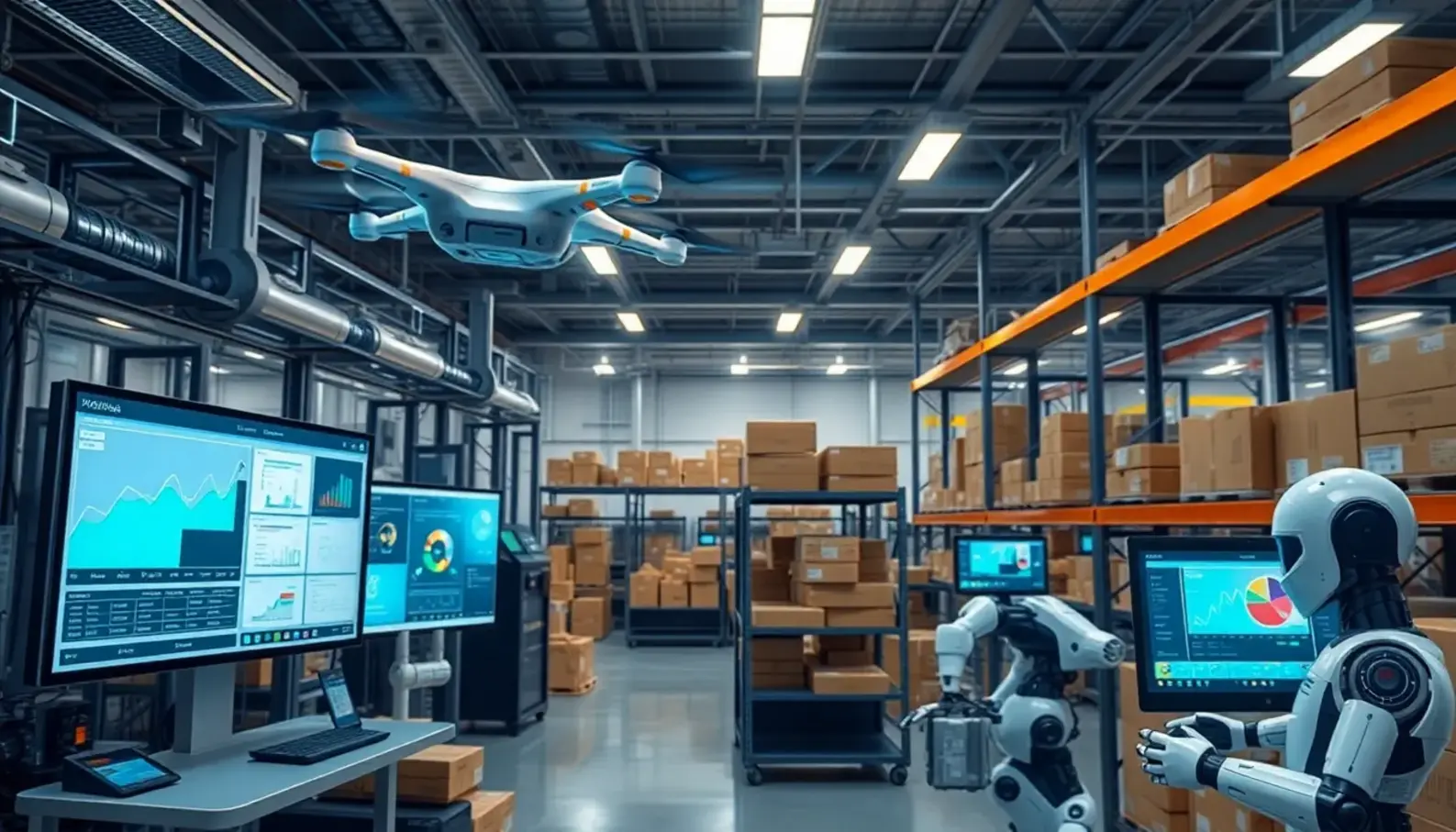
Artificial Intelligence (AI) is revolutionizing industries worldwide, and supply chain management is no exception. By assimilating AI, companies can enhance efficiency, adaptability, and resilience within their supply chains. This chapter delves into the fundamental principles of AI, including machine learning and data analytics, and examines their applications in inventory management, demand forecasting, and logistics optimization.
At the heart of AI lies machine learning, a subset that involves training algorithms to recognize patterns in data and make predictions. These algorithms become more accurate over time as they are exposed to more data. In supply chain contexts, machine learning models can analyze vast datasets, identifying patterns and trends that might elude human operators.
One of the primary applications of AI in supply chains is in inventory management. Traditional inventory management relies on historical data and manual intervention to forecast demand and maintain stock levels. However, this approach is often fraught with inaccuracies and inefficiencies. AI enhances this process through predictive analytics, enabling real-time adjustments by analyzing current market conditions and consumer behaviors. Machine learning algorithms assess sales data, seasonal trends, and macroeconomic indicators to predict future demand more accurately. Consequently, companies can maintain optimum inventory levels, minimizing both overstock and stockouts.
Demand forecasting, a critical component of supply chain management, has also been transformed through AI. Traditional forecasting methods can be rigid, relying heavily on past sales data to predict future demand. In contrast, AI systems incorporate dynamic, real-time data sources. This real-time approach enables organizations to react to sudden market changes swiftly. For instance, during unexpected events such as natural disasters or sudden political shifts, AI-driven demand forecasting allows companies to adjust their supply strategies almost instantaneously, ensuring they remain responsive and competitive.
Logistics optimization is another crucial area where AI makes a significant impact. The logistics chain encompasses multiple complex elements, including transport management, route planning, and delivery scheduling. AI introduces efficiencies into this system by optimizing routes and reducing fuel costs. Sophisticated algorithms analyze traffic patterns, weather conditions, and delivery windows to determine the most efficient paths. This not only saves time but also contributes to reducing the carbon footprint of freight operations, supporting sustainability goals.
AI systems also enhance the transparency and visibility of supply chains. Blockchain technology, often combined with AI, ensures the traceability of goods from production to delivery. This level of visibility helps mitigate the risk of fraud and enhances trust among consumers and stakeholders. Furthermore, AI-powered predictive maintenance tools can anticipate machinery breakdowns in warehouses, minimizing disruptions and reducing maintenance costs.
In addition to these applications, AI also plays a significant role in risk management within supply chains. By analyzing data from various sources, AI systems can predict potential disruptions caused by factors such as raw material shortages or logistic halts. These insights enable proactive contingency planning, ensuring the supply chain continues to function smoothly despite unforeseen challenges.
While AI in supply chains presents numerous benefits, implementing these technologies requires a thoughtful approach. Companies must ensure they have access to quality data and the necessary infrastructure to support AI systems. Additionally, integrating AI seamlessly into existing systems is essential to maximize benefits without causing disruptions. For deeper insights into the ethical considerations and implications of deploying generative AI in various sectors, you may visit Generative AI Ethics.
Therefore, as supply chains become more complex and globalized, leveraging AI becomes not just a competitive advantage but a necessity. Its capacity to analyze vast datasets, foresee challenges, and optimize operations in real-time positions it as a catalyst for a more efficient, responsive, and resilient supply chain. By marrying the foundational principles of AI with supply chain dynamics, companies can unlock new levels of operational excellence, paving the way for innovation and growth.
Real-World Applications of AI in Supply Chain
The integration of AI into supply chain management has showcased remarkable results across several sectors. By examining specific examples, the transformative impact of AI on supply chains becomes evident. This chapter delves into case studies that highlight AI’s role in demand forecasting, inventory management, supplier selection, and logistics planning.
Demand Forecasting
AI-driven demand forecasting stands out by enhancing accuracy and allowing companies to predict market demands with improved precision. A global electronics company implemented AI algorithms to analyze historical sales data alongside real-time market trends. The result was a significant reduction in forecast errors by up to 30%. This improvement decreased the incidence of surplus stock and stockouts, allowing the company to save millions annually. Moreover, the ability to adjust production plans quickly in response to shifting demands helped mitigate potential losses during volatile market conditions.
Inventory Management
Efficient inventory management is critical in minimizing costs and maximizing service levels. An international retail giant utilized AI to fine-tune their inventory processes. Through machine learning, their system predicted when and where demand would spike. The AI model facilitated dynamic stock allocation, reducing the need for excessive safety stock by 20%. By aligning inventory with actual demand, the company achieved leaner operations and improved cash flow. Furthermore, automated replenishment processes also led to a 15% decrease in inventory holding costs.
Supplier Selection
AI’s capabilities extend to optimizing supplier selection processes. A global automotive manufacturer applied AI algorithms to evaluate supplier performance based on delivery timelines, quality metrics, and cost-effectiveness. The AI system provided insights that traditional methods often overlooked, such as subtle patterns of delays or quality reductions. This comprehensive analysis enabled the company to renegotiate contracts and switch to more reliable suppliers, boosting their production efficiency by 18%. Additionally, the AI’s continuous learning ability means the data-driven insights only grow sharper over time, providing a competitive edge.
Logistics Planning
In logistics, AI applications have proven indispensable for optimizing transportation routes and load planning. A leading logistics company employed AI to minimize delivery times and fuel consumption. The AI system integrated traffic patterns, weather conditions, and vehicle capacities to recommend optimal routing strategies. This smart logistics planning resulted in a 25% reduction in transit time and a 15% cut in fuel costs. By efficiently scheduling resources and enhancing the reliability of their service, the company not only lowered operating expenses but also improved customer satisfaction.
Metrics reveal AI’s influence on operational efficiency. For demand forecasting, the reduction in forecast errors is a pivotal metric, reflecting streamlined operations. Inventory management findings underscore reductions in safety stock levels and holding costs. Supplier selection efficacy is evidenced by improvements in production efficiency and quality procurement. In logistics, key metrics include decreased transit times and reduced fuel consumption.
Some of these strategies also illuminate the broader theme of technological evolutions within supply chains, akin to discussions found in innovation fields like hybrid computing strategies here. Adapting to these innovations requires vision and an openness to transformative practices.
By incorporating AI into these core areas, businesses realize substantial improvements in efficiency, resilience, and adaptability. As AI technology continues to mature, its potential to revolutionize supply chain processes grows, promising even greater efficiency gains and cost reductions.
Future Trends: AI’s Evolving Role in Supply Chains
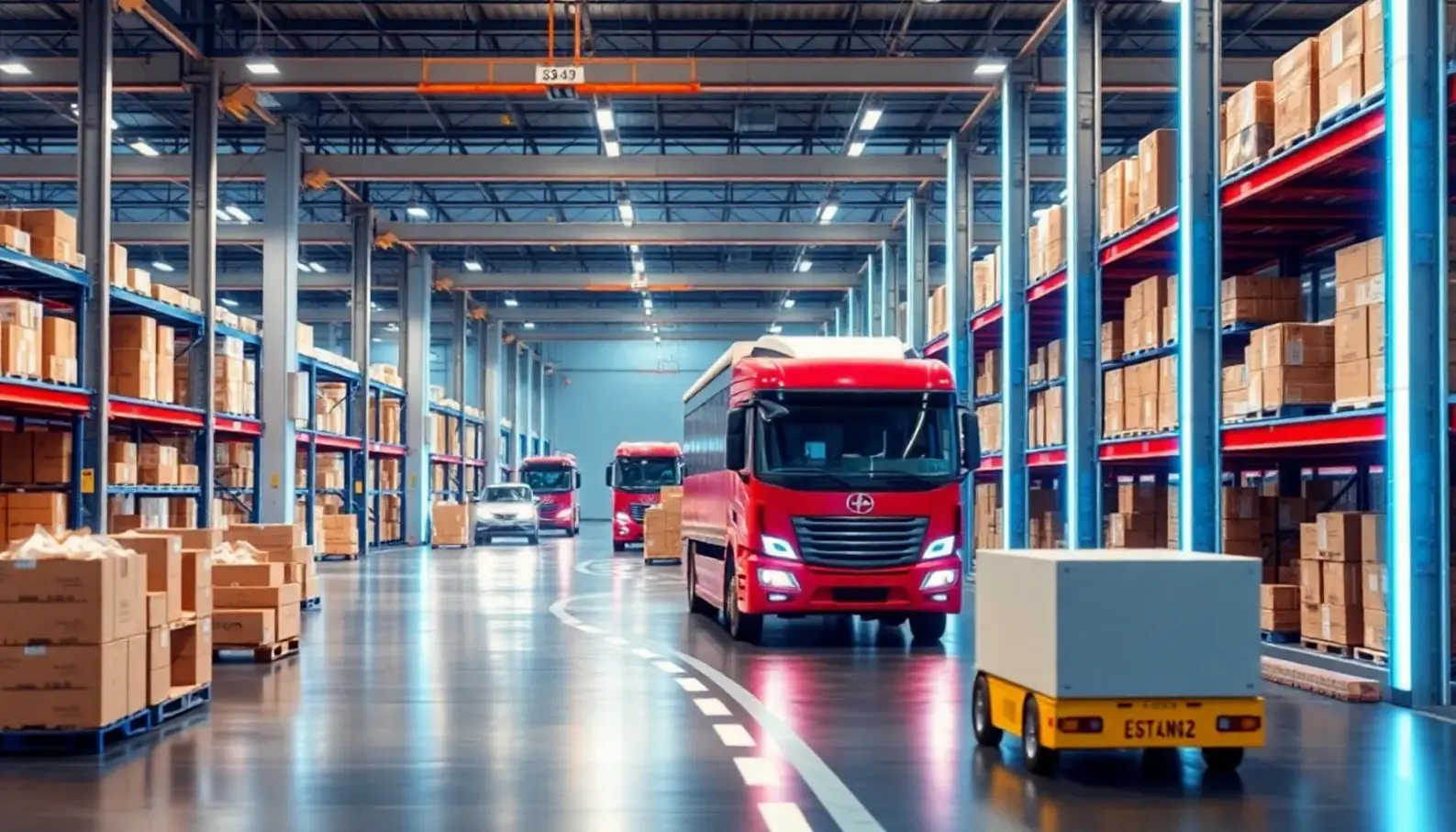
As supply chains become more complex, the role of AI continues to expand, encompassing a variety of advanced applications. One prominent trend is the integration of robotics and machine learning to improve efficiency and adaptability. Robotics currently automates many routine tasks, but advancements are poised to enable more intelligent systems capable of dynamic decision-making. These robots can adapt to spontaneous changes in the supply chain, enhancing both speed and resilience.
In parallel, machine learning techniques are evolving to offer more sophisticated predictive analytics. These advancements allow for the anticipation of supply chain disruptions through advanced data modeling. Enhanced predictive analytics can pre-emptively address issues such as demand spikes or transportation bottlenecks, effectively minimizing their impact. For companies, this means a shift from reactive to proactive management strategies, leading to more consistent delivery performance.
The use of AI in supply chain management also extends to innovation in areas like quantum computing. Quantum computing holds the potential to solve optimization problems far more efficiently than traditional computers. As research progresses, this technology will likely contribute to solving complex logistical puzzles that currently constrain supply chain capabilities.
However, the increasing reliance on AI introduces several challenges. One major concern is the ethical implications associated with automation. AI systems can inherently carry biases, leading to inequitable outcomes if not properly managed. Moreover, the displacement of human labor by machines remains a sensitive issue. Companies must balance technological advancement with social responsibilities.
Another pressing challenge involves the security of AI systems. As supply chains depend on AI-driven analytics and automation, they become vulnerable to cyber threats. Securing these systems demands innovative solutions and continuous vigilance to protect sensitive supply chain data.
Given these transformations, the skill set required from future supply chain engineers is evolving. Expertise in AI technologies, data analytics, and cybersecurity is crucial. Engineers must also understand ethical considerations and develop a mindset geared toward sustainable practices. Cross-disciplinary skills will be important, with knowledge spanning technology, business, and ethics.
In addition to technical skills, engineers should cultivate the ability to interpret data creatively and apply AI insights to real-world problems. This approach not only maximizes efficiency but ensures that AI-enhanced supply chains remain transparent and aligned with human values.
As AI technologies progress, their influence on supply chains will continue to reshape the landscape. It is essential for businesses and professionals to remain adaptable, informed by the latest advancements and ready to tackle the associated challenges responsibly. For further insight into AI and its broader implications, explore AI in Business Growth: Catalysts and Strategies.
Final words
AI integration into supply chains is not just advantageous; it’s imperative. The innovative solutions provided by AI technologies bolster efficiency, enhance responsiveness, and ensure sustainability in operations. As the landscape of supply chains evolves, leaders and future engineers must embrace these advancements and adapt their strategies accordingly to thrive in a technology-driven marketplace.
Join our workshop to discover how to implement AI solutions effectively in your supply chain.
Learn more: innoupdates.com
About us
We offer specialized workshops designed to equip directors and engineering students with the knowledge and skills to leverage AI in supply chain automation. Our hands-on approach ensures practical understanding and application in real-world scenarios, preparing participants to drive innovation in their organizations.