The integration of artificial intelligence in supply chain management is revolutionizing how businesses forecast needs, manage inventory, and streamline operations. Professionals in the field recognize that accurate predictions can reduce costs, enhance service levels, and enhance responsiveness to market shifts. As companies turn to data-driven methods, AI techniques such as machine learning, predictive analytics, and neural networks are playing a pivotal role in enhancing the reliability of supply chain forecasts. This intersection of AI and supply chain management empowers organizations to make informed strategic decisions, adapting swiftly to customer demands and market fluctuations.
Understanding AI’s Role in Supply Chain Prediction
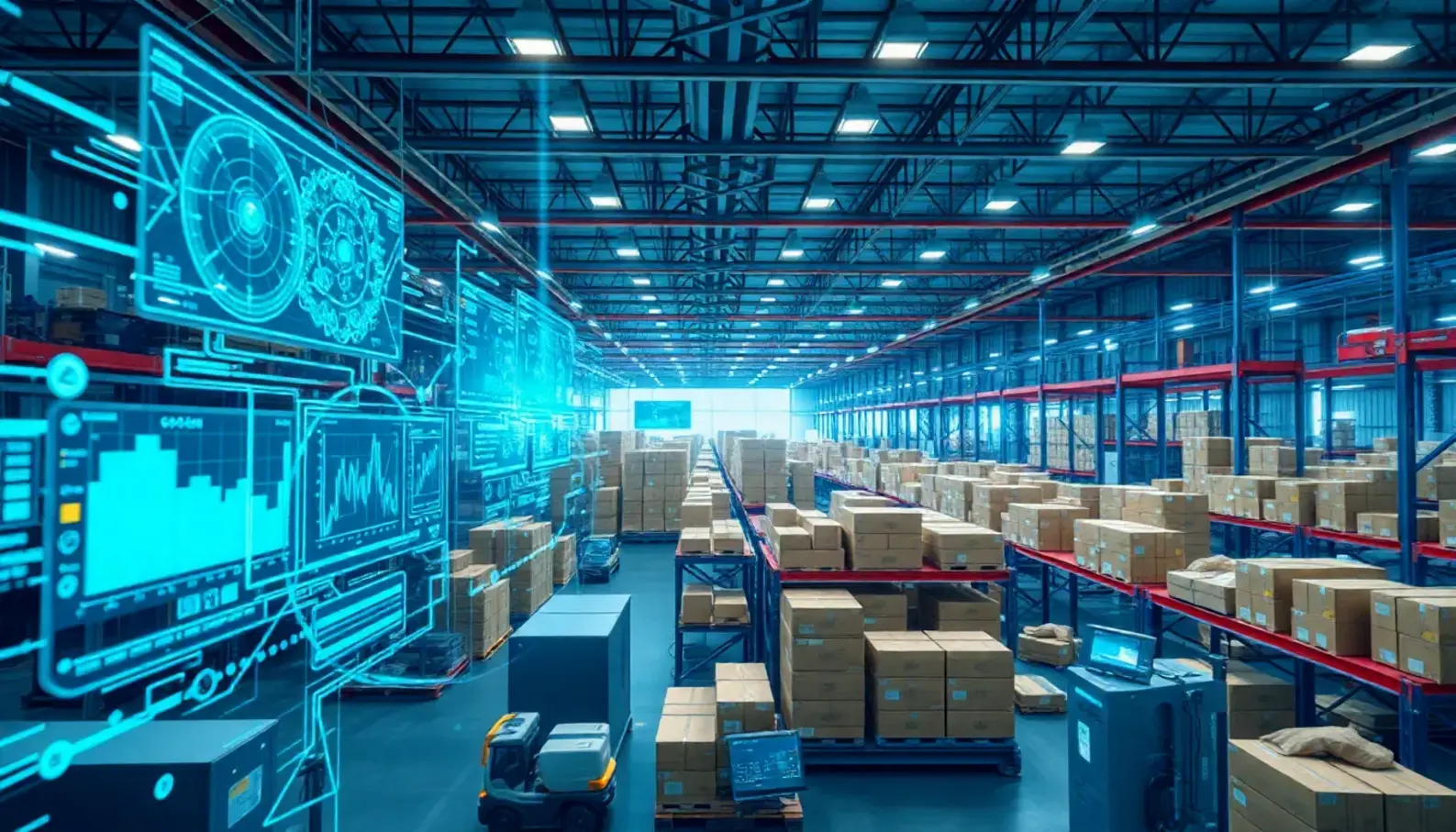
Artificial intelligence is transforming supply chain management by providing precise and actionable predictions. AI leverages machine learning algorithms, historical data, and real-time input to forecast demand, optimize inventory, and streamline operations. Let’s explore the underlying technologies, how they work, and the challenges faced in their implementation.
Machine Learning in Supply Chain Prediction
Machine learning (ML) is fundamental in refining supply chain predictions. By analyzing vast datasets, ML algorithms learn patterns and trends, enabling businesses to make data-driven decisions. Supervised learning, where algorithms are trained on labeled data, plays a crucial role. For instance, regression and classification techniques help predict product demand variations.
Unsupervised learning techniques, like clustering, further enhance understanding of complex data structures. These methods can segment products based on sales patterns, allowing for differentiated strategies. Reinforcement learning is another dimension, where systems improve their prediction models by simulating supply chain scenarios and learning from outcomes.
Utilizing Historical Data and Real-Time Inputs
The effective use of historical data is paramount. Historical sales data, market trends, and seasonal variations feed into AI systems to predict future demand. Real-time data from IoT devices in warehouses and production lines offer immediate insights into inventory levels and production status.
This integration of historical and real-time data helps create agile supply chains. It allows for dynamic adjustments to production schedules, minimizing excess inventory and alleviating stockouts. Integrating external data sources like social media trends and economic indicators further refines forecasting accuracy.
Case Studies of Successful AI Implementations
Real-world applications highlight the potential of AI in supply chains. A leading retailer implemented an AI system that reduced lost sales due to stockouts by 50%. By harnessing machine learning to analyze past sales and external data, the retailer optimized inventory across all locations with great precision.
Another example involves a global manufacturer using AI to predict supplier risk by analyzing variables such as geopolitical stability and historical delivery performance. This allowed them to diversify their supplier base strategically, ensuring continuity and efficiency.
Challenges in Integrating AI Technologies
Despite the benefits, integrating AI into supply chains isn’t without its challenges. One major hurdle includes the resistance to change within organizations. Employees might be wary of AI systems replacing traditional methods, necessitating change management and education.
Data silos remain another critical issue. Supply chain data is often scattered across departments and systems, complicating data integration necessary for AI deployment. This requires robust data governance practices and the use of middleware solutions that ensure seamless data flow.
The technological complexity and cost involved in setting up AI systems are additional barriers. Companies may hesitate due to high initial investments and uncertainty over ROI. Organizations should take gradual approaches, starting with small, scalable AI solutions that demonstrate tangible benefits.
Overcoming Barriers to Effective AI Integration
Actionable solutions to these challenges include investing in internal AI education programs. By fostering organizational buy-in, businesses can create a culture receptive to data-driven change. Providing key stakeholders with clear communication about the benefits and limitations of AI is essential.
To address data silo issues, companies should prioritize comprehensive data audits. Ensuring data is clean, well-organized, and accessible is vital for AI success. Leveraging cloud-based solutions can help harmonize fragmented data systems, facilitating AI model training and deployment.
Regarding costs, partnerships with AI firms offering SaaS-based AI solutions can reduce upfront investments. Additionally, starting with pilot programs that deploy AI in specific supply chain areas can help demonstrate value without significant financial commitments.
Importance of Data Quality and Predictive Analytics
High-quality data is the linchpin of effective AI implementation in supply chains. Inaccurate or incomplete datasets can lead to faulty predictions, undermining decision-making processes. Businesses should invest in technologies that ensure data accuracy, such as automated data cleaning tools.
Predictive analytics transforms raw data into meaningful insights. These analytics offer a structured approach to understanding future trends, influencing key areas such as demand planning, logistics, and procurement strategies. By anticipating changes in demand and operational conditions, supply chains can become more resilient and responsive to market shifts.
Companies that succeed in harnessing AI for predictive analytics enjoy a competitive edge. They benefit from reduced operational costs, improved service levels, and enhanced customer satisfaction. As such, adopting a data-driven mindset isn’t just an option—it’s an imperative.
For further insights into implementing AI strategies in various sectors, including supply chains, you might find interesting perspectives at AI in Business Growth.
Implementing AI for Enhanced Forecasting and Decision-Making
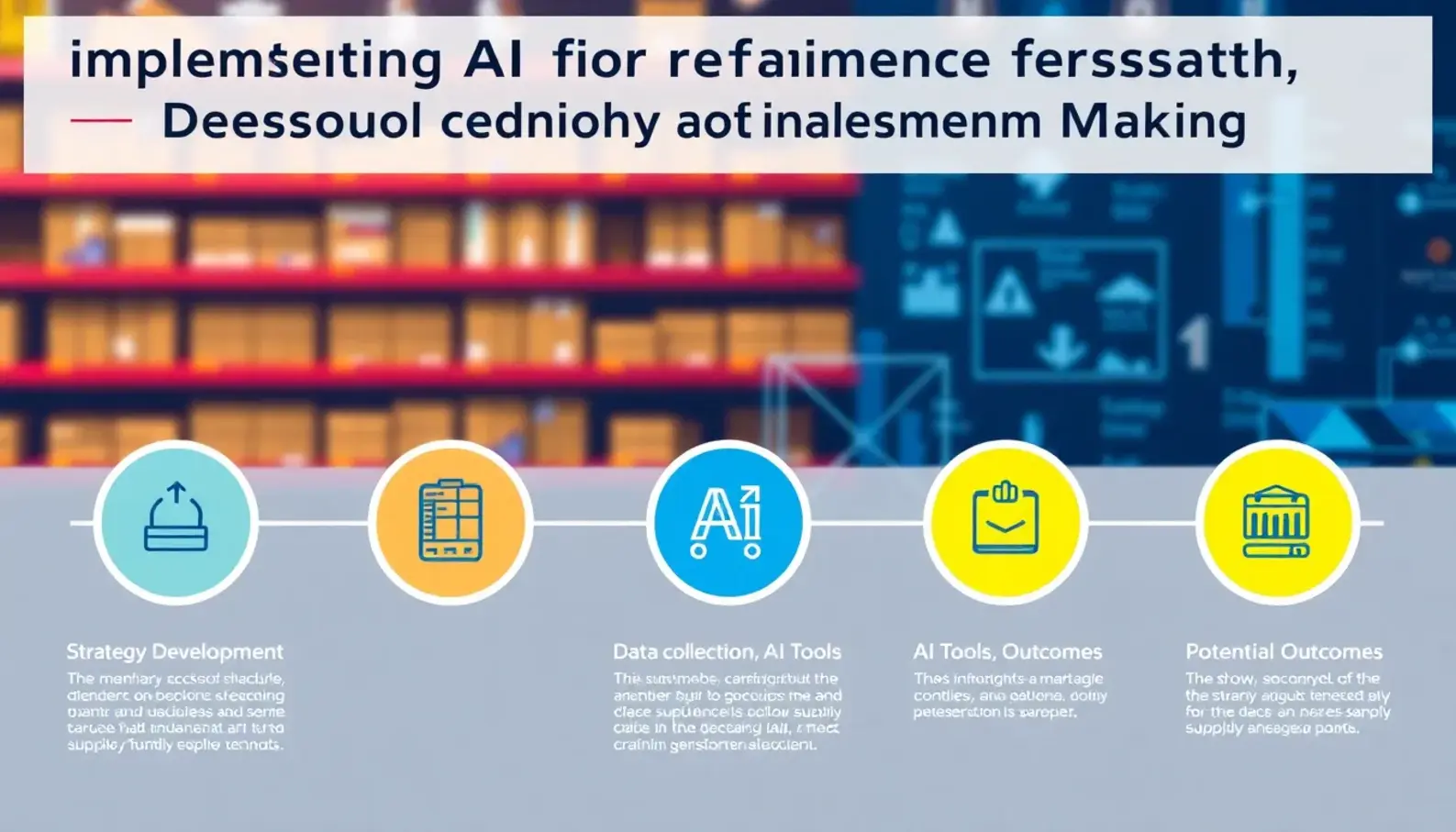
To effectively implement AI in supply chain forecasting, companies must adopt a strategic approach that aligns with their specific needs. Identifying the right algorithms and technologies plays a crucial role. Machine learning models, such as regression analysis, neural networks, and decision trees, are popular in predicting demand, identifying trends, and optimizing inventory levels. Each algorithm has strengths and limitations, thus the selection must align with the supply chain issues at hand.
Choosing relevant data sources is equally important. Supply chain forecasting requires diverse and high-quality data sets, including historical sales data, economic indicators, weather patterns, and even social media trends. Integrating data from various sources allows AI to deliver a more comprehensive analysis and results in precise predictions.
The technological foundation is another key component. Companies need an agile data infrastructure capable of integrating AI seamlessly. Cloud computing and hybrid computing models offer the flexibility and scalability necessary for dynamic environments. They allow real-time processing and analysis, crucial for modern supply chain operations. For more on the role of hybrid computing strategies, visit this page.
Fostering a culture of data-driven decision-making requires promoting a mindset that values data in the decision process. Teams should be trained to interpret AI forecasts and incorporate them into strategic decisions. This cultural shift involves continuous learning and adaptation.
AI is instrumental in scenario planning and risk management. By simulating various scenarios, organizations can better understand potential risks and devise strategies to mitigate them. AI models can assess the impact of changes, such as shifts in consumer behavior or supply chain disruptions, providing actionable insights to ensure resilience.
Looking ahead, technologies like autonomous systems and blockchain are set to revolutionize supply chain predictions. Autonomous systems can handle complex tasks without human intervention, improving efficiency and reducing errors. Blockchain enhances transparency and traceability, crucial for trust and accountability in supply chains.
Embracing these AI technologies requires organizations to remain adaptable and forward-thinking. By doing so, they can optimize their supply chains, drive growth, and maintain a competitive edge in the evolving market landscape.
Final words
Leveraging AI for supply chain prediction is no longer a distant goal but a current necessity for leading organizations. By harnessing data insights and advanced algorithms, businesses can improve forecasting accuracy and streamline operations. By embracing AI-driven strategies, companies not only address existing challenges but also position themselves favorably for future demand dynamics. The potential impact on efficiency and customer satisfaction is significant, making it essential for enterprises to invest in AI technologies as part of their core supply chain strategy.
Download Research Report
Learn more: https://innoupdates.com
About us
Our company offers cutting-edge AI solutions designed to revolutionize supply chain management. Through our innovative platforms, businesses can optimize inventory control, enhance demand forecasting, and minimize operational costs, all while ensuring unparalleled accuracy and efficiency. Our expertise in data science and AI technology enables us to empower organizations to adapt swiftly to market trends and operational challenges, leading to sustained competitive advantage.