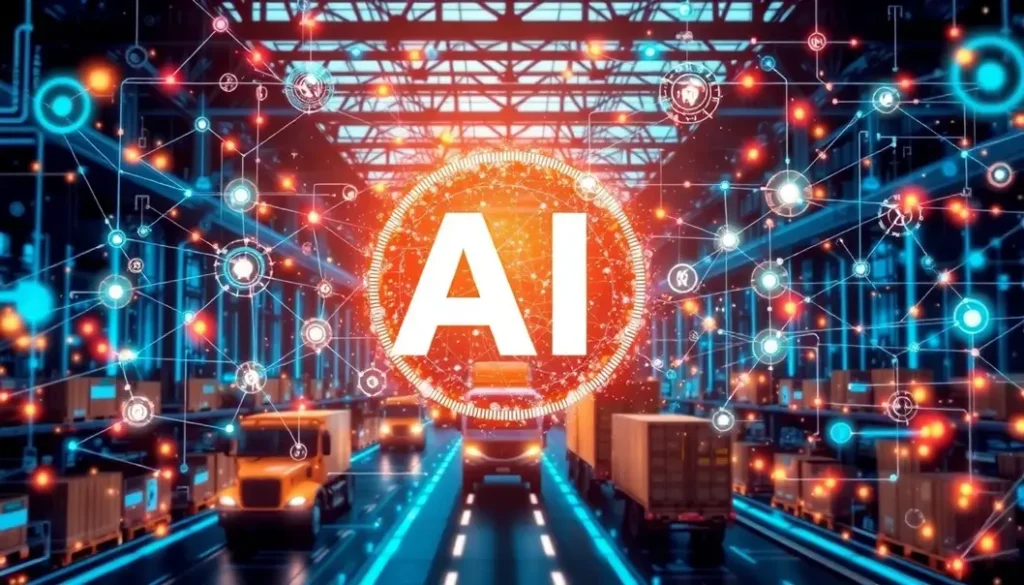
The integration of Artificial Intelligence (AI) in supply chain decision-making represents a significant shift in how organizations approach logistics, inventory, and demand forecasting. This evolution highlights the necessity for planners and educators to understand AI’s capabilities and implement them effectively. With AI tools enhancing data analysis, predictive modeling, and decision support systems, businesses can drive efficiency and responsiveness. As the complexity of global supply chains grows, leveraging AI becomes essential for success, ensuring organizations remain competitive in this dynamic landscape.
The Role of AI in Supply Chain Optimization
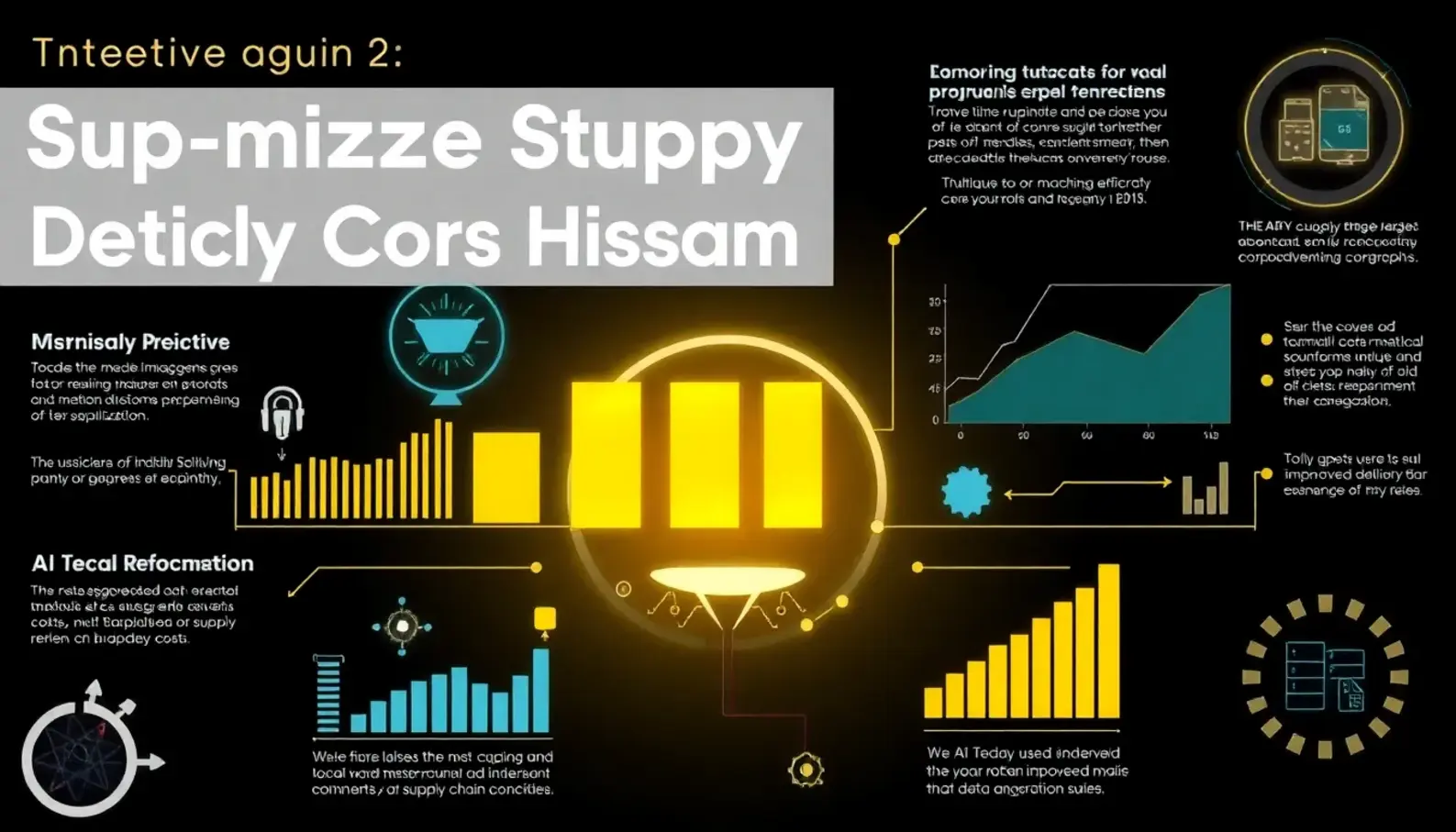
Artificial Intelligence (AI) is revolutionizing supply chain management, offering tools and techniques that transcend traditional methods. At the core of this transformation are machine learning algorithms and predictive analytics, which equip organizations with powerful capabilities to make better-informed decisions.
Data analytics in AI scrutinizes vast amounts of historical and real-time data to extract meaningful patterns. These patterns provide insights that help in optimizing supply chain operations. For example, machine learning algorithms can predict demand with remarkable accuracy by analyzing data from various sources like past sales, market trends, and external factors such as weather conditions. This predictive modeling enables businesses to adjust their production schedules and inventory levels proactively.
Automated decision-making tools are a pivotal aspect of AI in the supply chain. These tools reduce the need for human intervention by autonomously managing tasks based on the insights derived from analytics. Tasks like restocking, ordering, and routing are handled by algorithms that ensure efficiency and precision. Companies can achieve significant cost reductions by minimizing human error and expediting decision processes.
A real-world example of AI’s impact is its application in the logistics sector. One major logistics company implemented AI-powered routing systems that self-adjust in real-time according to traffic conditions, delivery deadlines, and fuel costs. This system drastically reduced operational costs while improving delivery times and customer satisfaction.
Another successful deployment is seen in the retail industry. Retailers are harnessing AI to optimize their supply chain networks by analyzing customer buying behaviors, product lifecycle events, and even competitor actions. By integrating AI into their supply chain operations, they are able to reduce overstock and stock-outs, enhancing their overall service levels.
The dynamic nature of markets demands elasticity in supply chain strategies. AI’s adaptive algorithms can react to market changes almost instantaneously. For instance, during unexpected disruptions such as natural disasters or geopolitical events, AI systems can reroute shipments, reallocate resources, and optimize production accordingly. This capability not only mitigates risk but also ensures continuity.
AI’s role in enhancing precision is evident in the forecasting capabilities it offers. Using advanced statistical models, businesses can forecast potential disruptions and adjust supply chain activities in advance. This foresight leads to improved resource utilization, less waste, and ultimately, more sustainable operations.
In conclusion, AI provides a competitive edge in supply chain management by delivering critical insights that drive efficiency, accuracy, and adaptability. Its deployment can lead to tangible benefits such as reduced operational costs, improved service levels, and greater customer satisfaction. To explore more about AI applications in various business sectors, check out AI in Business Growth.
Training Future Leaders in AI-Driven Supply Chains
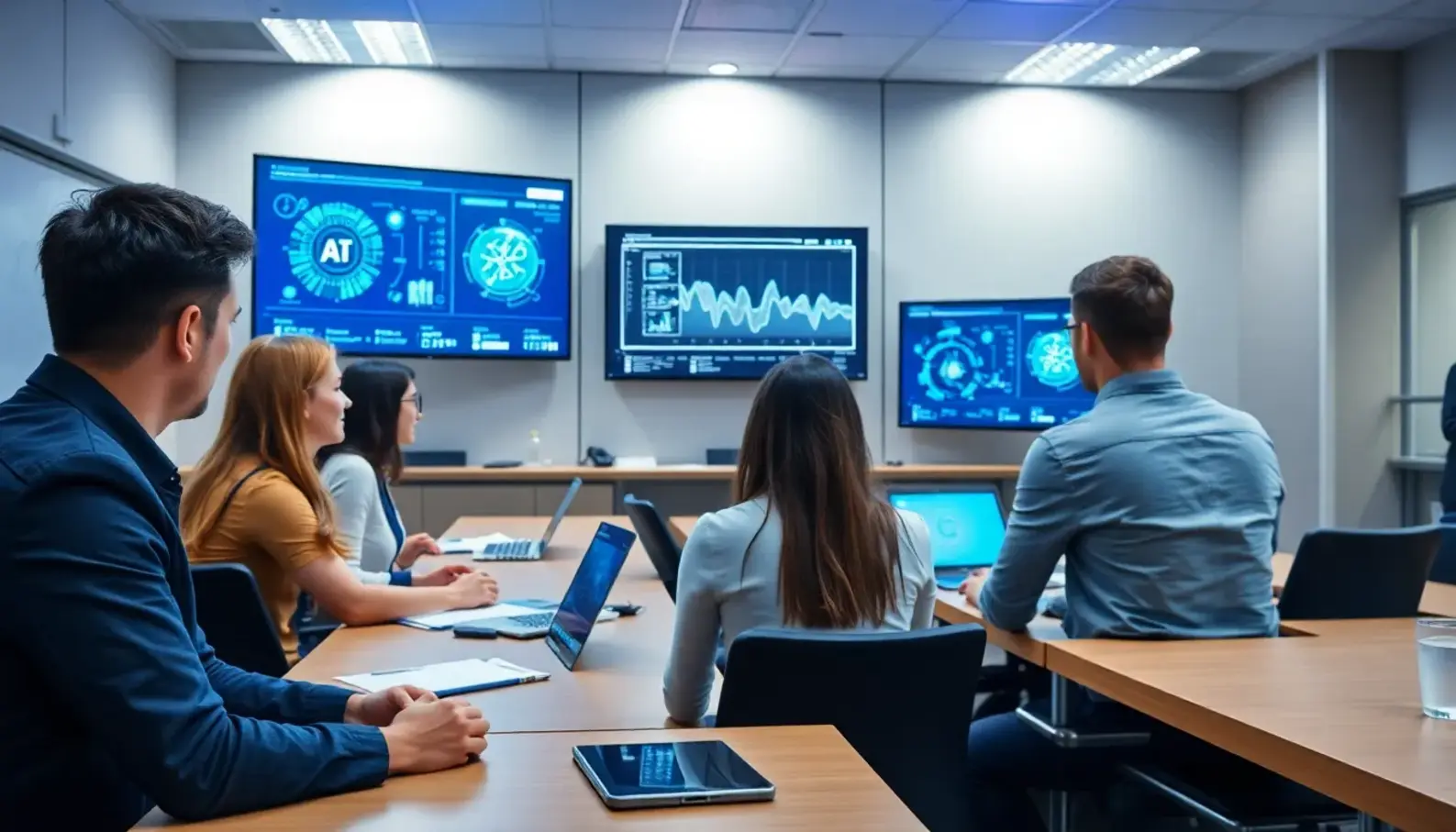
In an era where artificial intelligence is reshaping industries, the supply chain sector is no exception. As companies increasingly turn to AI for enhancing supply chain operations, there is an urgent need to train the next generation of leaders who can harness these technologies effectively. The integration of AI into supply chain management offers the promise of streamlined operations and improved decision-making; however, realizing these benefits depends largely on the capability and preparedness of the workforce.
To equip supply chain professionals with the necessary skills, educational institutions must revamp their curriculums, focusing on the cross-section of supply chain management and AI. Curriculum development should prioritize a fundamental understanding of AI concepts while also incorporating advanced analytical techniques specific to supply chain tasks. Topics might include machine learning algorithms for demand forecasting, natural language processing for supplier communications, and AI-driven analytics for logistics optimization.
Embedding AI concepts into existing courses requires crafting modules that align with traditional supply chain topics such as logistics, procurement, and inventory management. For instance, in a logistics course, students could explore AI applications in route optimization, learning how predictive analytics can minimize delays and reduce costs. In procurement courses, AI’s role in supplier evaluation through sentiment analysis and automated negotiation could offer valuable insights. Educators need to emphasize real-world applications, making theoretical knowledge applicable through case studies and practical exercises.
Workshops and certification programs play a crucial role in upskilling existing supply chain professionals. These initiatives allow professionals at all career stages to develop competencies in AI tools relevant to their roles. A supply chain professional might start with workshops on basic AI tools, advancing to certifications in AI strategy or machine learning applications. Such programs should offer hands-on experiences, enabling participants to apply AI principles to solve complex supply chain issues, fostering a deeper understanding of the technology’s capabilities and limits.
The evolving nature of AI technologies means that continuous learning is not optional but essential. Educators must encourage a mindset geared towards lifelong learning, preparing students to adapt to the rapidly changing landscape. Institutions can support continuous education through online seminars, access to AI research, and collaboration with tech companies which provide insights into emerging tools and techniques.
Several institutions have been pioneers in incorporating AI into their supply chain curriculums successfully. For example, a leading university integrated a comprehensive AI module into its supply chain program, focusing on predictive analytics and automation. Students participated in projects alongside industry partners, applying AI techniques to real-world supply challenges, which significantly enhanced their job readiness. Such initiatives demonstrate the tangible benefits of a robust AI-focused curriculum in preparing students for career demands.
Moreover, a cross-disciplinary approach can enrich education frameworks, leveraging collaborations between departments such as computer science and business. This allows students to gain technical expertise alongside managerial insights, essential for AI-driven decision-making in supply chains.
For further insights on how AI is transforming various sectors, you can explore more about AI in business growth, providing context on trends impacting industries globally.
Adapting educational strategies to incorporate AI effectively ensures that future supply chain professionals are not just aware of these technologies but are also proficient in their application. In turn, students’ readiness for the workforce will transform organizations, making them more agile and innovative. As AI continues to evolve, so must our educational paradigms, ensuring that the leaders of tomorrow are equipped to drive advancements within the supply chain sector.
Final words
Understanding and implementing AI in supply chain decision-making is crucial for organizations aiming to improve operational efficiency and competitiveness. Educators and planners must work together to foster knowledge and skill development in this area. As AI continues to evolve, so too must the strategies and educational frameworks surrounding it, ensuring that the workforce is equipped to face the challenges and opportunities of the future.
Subscribe for Updates
Learn more: https://innoupdates.com
About us
Our company provides comprehensive training programs and consultancy services focused on integrating AI and advanced technologies into supply chain management. We specialize in upskilling professionals through hands-on workshops, online courses, and tailored solutions for businesses looking to enhance their operational efficiency.