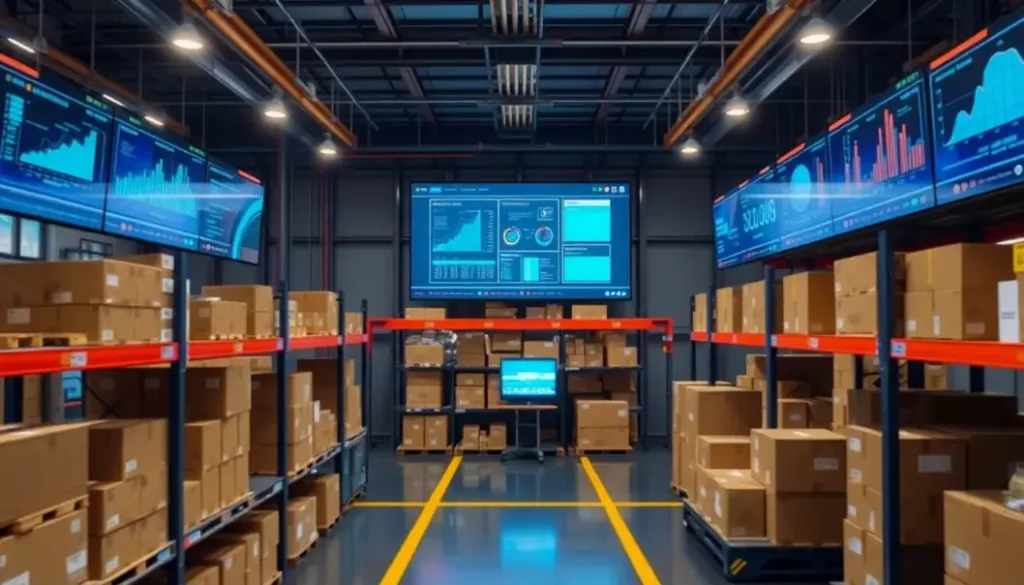
As global supply chains continue to expand and evolve, the integration of artificial intelligence in scheduling processes stands out as a vital strategy for maintaining competitiveness. Leveraging AI allows businesses to optimize inventory management, enhance demand forecasting, and improve delivery efficiency, ultimately driving down costs and increasing customer satisfaction. For CFOs and investors, understanding the potential of AI in supply chain scheduling presents not only a roadmap for operational enhancement but also a compelling investment opportunity in a technologically advanced ecosystem. This exploration delves into the significant advantages of AI in scheduling and the measurable impacts on financial performance.
The Economic Edge of AI in Supply Chain Scheduling
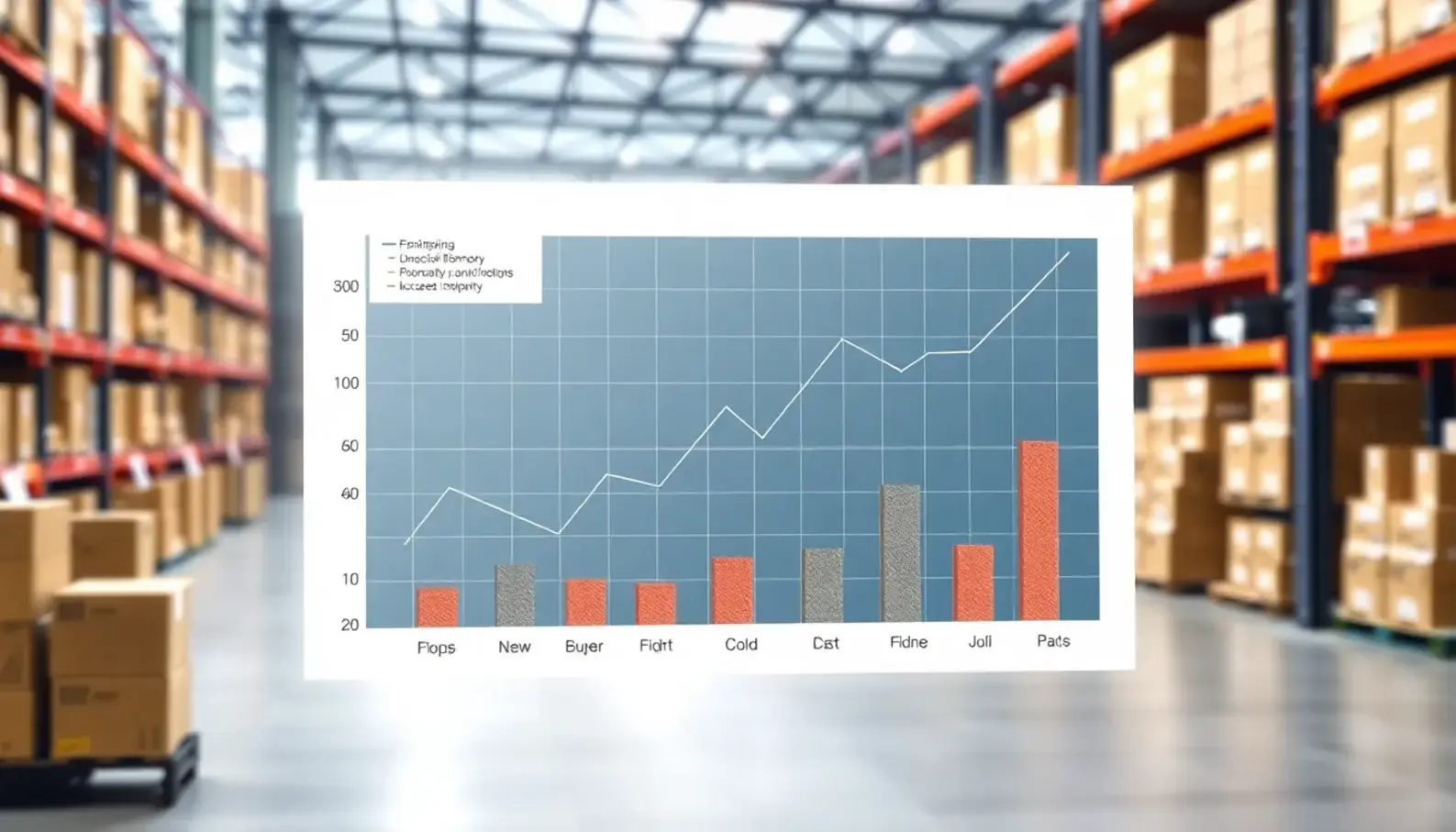
Incorporating Artificial Intelligence (AI) into supply chain scheduling directly influences a company’s bottom line. The integration of AI-driven technologies offers unprecedented opportunities for cost reduction, increased efficiency, and attaining a competitive market advantage.
AI’s capacity to process and analyze vast amounts of data allows businesses to dramatically reduce costs associated with inefficiencies. Consider predictive analytics–a technology supported by machine learning algorithms–which can predict demand more accurately. By forecasting consumer demand with a greater degree of precision, companies can maintain optimal inventory levels, significantly decreasing overhead costs related to overstocking and understocking.
For instance, in the retail sector, a multinational corporation employed AI-based predictive analytics and experienced a 20% reduction in excess inventory and corresponding holding costs. This not only freed up capital but also optimized storage use. These financial savings were reallocated to other strategic investments, driving business growth and increasing shareholder value.
In manufacturing, AI’s effect on supply chain scheduling emerges with the implementation of automated planning systems. They streamline production processes by adjusting schedules in real-time based on fluctuations in supply and demand. A case study in the automotive industry found that an AI-enhanced scheduling system improved production efficiency by 15%. The result was a substantial decrease in machine idle times, enabling the company to produce more units with the same resources, directly contributing to a reduction in per-unit production costs.
Beyond cost savings, AI enhances decision-making speed and accuracy. Traditional models of supply chain management rely on historical data and manual processes, which are prone to delays and errors. AI can synthesize this data rapidly, identifying patterns and generating actionable insights much faster than human analysts. This capability provides companies the agility to respond to market changes swiftly, carving out a competitive edge in the industry.
However, the journey to AI integration is not without potential pitfalls. Organizations might face challenges such as data quality issues, high initial investment costs, and resistance to change among personnel. Poor data quality can lead to inaccurate AI predictions. Investing in data management infrastructure and training staff to handle new technologies helps mitigate these risks, ensuring the transition enhances rather than hinders supply chain efficiency.
When examining ROI, it becomes apparent that AI adoption yields significant financial benefits. A global logistics provider that integrated AI into its scheduling systems reported a 25% increase in operational efficiency within one year. This translated into millions in cost savings, showcasing the substantial ROI potential. The company noted fewer delays and enhanced customer satisfaction, directly linking AI use to higher revenue.
AI’s role extends beyond mere cost-cutting; it positions companies at the forefront of innovation in supply chain management. Organizations that fail to adopt these technologies may find themselves at a strategic disadvantage, lagging behind competitors who leverage AI’s advanced capabilities to offer superior service and products.
Additionally, AI enables better resource allocation by optimizing routing and transportation logistics. This facet is especially relevant in industries reliant on quick supply chain cycles, such as food and beverage. An AI-driven solution, which analyzed traffic patterns and warehouse operations, helped a national distributor reduce transportation costs by 18% while improving delivery times by 30%. These improvements enhance customer satisfaction and retention, further impacting the financial success of the business.
While considering AI integration, it’s essential to assess the broader technological landscape, including innovations like autonomous drones in logistics. These technologies are complementary and transform logistics operations from mere transactional processes to strategic value chains. Explore more about autonomous drones in logistics and consider their implications in tandem with AI enhancements.
Ultimately, AI provides a measurable economic edge in supply chain scheduling. Through improved demand forecasting, inventory management, and resource allocation, companies benefit greatly from AI’s precision and analytics power. The financial implications are clear: reduced costs, enhanced efficiencies, and the ability to stay ahead in a competitive market landscape. Ensuring robust, high-quality data inputs and a supportive organizational culture is pivotal for maximizing these benefits, securing strong ROI and sustaining competitive advantage.
Strategic Advantages: Predictive Analytics and Demand Forecasting
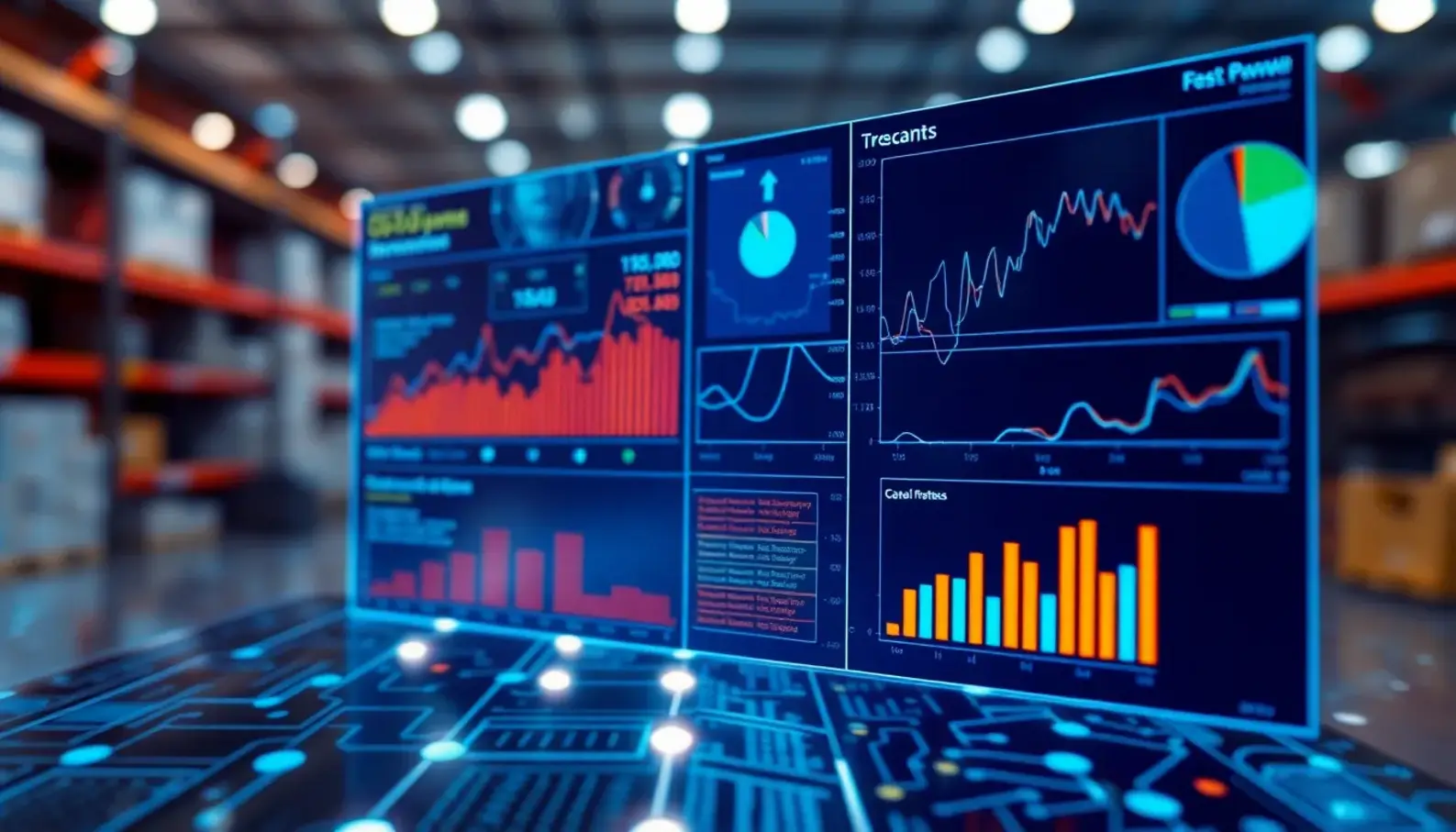
AI-driven predictive analytics have revolutionized demand forecasting, ushering in a strategic transformation in supply chain management. By sifting through vast datasets, AI models identify patterns and predict future demand with unprecedented accuracy. This capability is instrumental in minimizing wastage and optimizing stock levels, leading to significant efficiency improvements.
These advancements reduce lead times by ensuring that the right products are available at the right time. Timely stock replenishment diminishes the risk of stockouts, meeting customer expectations for prompt deliveries. The enhanced satisfaction from reliable deliveries fosters stronger customer relationships, a critical factor in cultivating brand loyalty.
Moreover, predictive analytics harness the power of machine learning algorithms that evolve as they accumulate data. This evolutionary capacity allows for continuous improvement in forecasting accuracy, adapting to both seasonal fluctuations and unexpected market changes. Efficient demand forecasting enables companies to align their production schedules more closely with market needs, thereby optimizing the use of resources.
An example of this can be seen in retail, where AI analytics predict peak shopping seasons and changing consumer preferences. Retailers then adjust their inventory accordingly, ensuring popular products are in stock while avoiding overproduction of items with declining demand. This approach not only trims operational costs but also maximizes revenue opportunity during high-demand periods.
For CFOs, the implications of mastering predictive analytics in demand forecasting are profound. Enhanced forecasting offers a clearer picture for strategic planning, aiding in the allocation of financial resources towards areas promising the greatest returns. This foresightful allocation is essential for maintaining a competitive edge in the dynamism of modern markets.
In the logistics sector, AI-driven demand forecasting can inform decisions related to transportation and warehousing. The precision of AI models reduces the likelihood of bottlenecks, ensuring the efficient flow of goods from manufacturer to consumer. This efficiency decreases overhead costs associated with transportation delays and excess inventory storage.
Strategically, companies that leverage AI for demand forecasting gain a compelling advantage. They operate with agility, responsive to the complexities of market demands and shifts. By optimizing supply chain operations, these companies not only increase sales and revenue but also enhance their market positioning by meeting customer expectations.
The integration of predictive analytics extends beyond mere profit maximization. It contributes to sustainable practices by reducing waste. Companies that harness AI to forecast demand more accurately can make informed decisions about product lifecycles, promoting environmental responsibility through minimal excess production and consumption.
Incorporating AI into demand forecasting is not merely an operational enhancement—it’s a shift towards a more strategic, competitive future. Those businesses that embrace AI’s potential are poised to redefine success in supply chain management.
For further insights into how AI can transform various sectors of business, explore more about AI in business growth.
Final words
Adopting AI in supply chain scheduling is no longer a luxury but a necessity for businesses aiming to thrive. The capacity to forecast demand accurately and optimize processes translates to tangible financial benefits, positioning companies for long-term success. For CFOs and investors, recognizing and investing in these innovations represents a strategic move towards profitability and market leadership.
Discover how AI can revolutionize your supply chain scheduling.
Learn more: https://innoupdates.com
About us
Our company specializes in integrating advanced AI solutions tailored to the specifics of supply chain operations. We provide tools that enhance demand forecasting, streamline inventory management, and improve overall efficiency, helping businesses achieve a significant competitive edge. Let us guide you through the innovative landscape of AI technology to unlock unparalleled operational benefits and profitability.