The integration of artificial intelligence (AI) in supply chain resource allocation is reshaping conventional management practices. By leveraging advanced algorithms and data analytics, organizations can enhance decision-making, streamline processes, and optimize resource distribution. This evolution is particularly crucial as companies strive to meet the growing complexities of global markets, operational efficiencies, and consumer demands. Designers and researchers must understand the myriad applications of AI in supply chains, as it provides gamers, innovators, and suppliers with invaluable insights. This article explores the innovative approaches of AI in supply chain resource allocation, presenting actionable strategies to improve performance and adaptability.
AI Techniques Transforming Resource Allocation
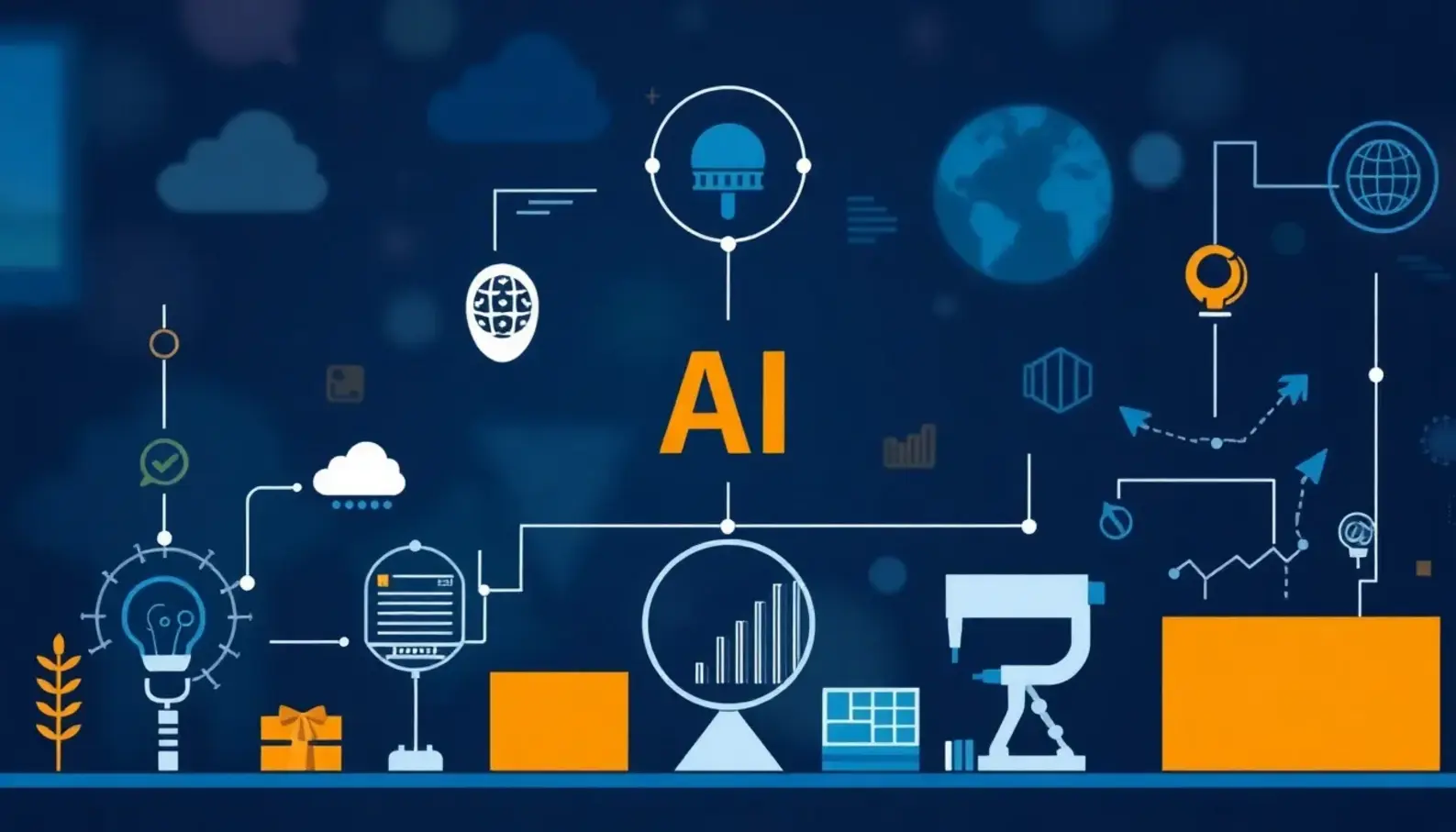
Artificial intelligence has fundamentally reshaped supply chain operations, transforming the way organizations allocate resources. By deploying a suite of sophisticated AI methodologies, companies can enhance decision-making processes, foster operational efficiency, and create agile supply chains. Core AI techniques such as machine learning, predictive analytics, and intelligent automation underpin these advancements.
Machine Learning: Learning from Data to Anticipate Trends
Machine learning stands as a pillar in the optimization of resource allocation. By leveraging algorithms that learn from historical data, organizations can uncover patterns and predict future needs with impressive accuracy. Consider inventory management—a realm traditionally burdened with challenges related to balancing supply and demand. Through machine learning, businesses can analyze past sales data to forecast future demand more precisely, preventing overstock scenarios or stockouts.
Dynamic pricing models also benefit from machine learning. These models adapt pricing based on real-time demand fluctuations and supply chain variables. By integrating continuous learning into pricing strategies, businesses can maximize revenue while ensuring product availability aligns with consumer needs.
Machine learning facilitates anomaly detection in supply chain logistics. Algorithms can detect outliers in shipping times or costs, flagging potential issues before they exacerbate. This proactive approach aids in optimizing routes and schedules, saving both time and cost.
Predictive Analytics: Looking Ahead with Confidence
Predictive analytics supplements machine learning by offering a framework for simulating scenarios and guiding strategic business decisions. Through predictive models, supply chains become more robust against uncertainties like demand surges or supplier disruptions. These analytics transform complex datasets into actionable insights, allowing companies to anticipate challenges.
By fusing predictive analytics with external data sources—weather forecasts, economic indicators, market trends—supply chains can adjust operational plans dynamically. For instance, a company expecting inclement weather can reroute shipments beforehand, minimizing delays and maintaining customer service standards.
Moreover, predictive analytics aids in capacity planning by forecasting the future state of production facilities. It ensures resources are dynamically reallocated to meet demand, reducing downtime and optimizing operational efficiency.
Intelligent Automation: Streamlining Processes and Enhancing Efficiency
Intelligent automation combines AI elements to automate decision-making processes and streamline supply chains. It enables the rapid execution of tasks that previously required time-consuming human intervention. Automation of routine operations, such as order processing and shipment scheduling, significantly reduces lead times.
The role of intelligent automation extends to process optimization. Through seamless integration, diverse supply chain functions—procurement, inventory management, logistics—can communicate and adapt on-the-fly. This connectivity results in synchronized supply chain networks, responsive to changes with minimal human input required.
Intelligent automation empowers the use of chatbots and virtual assistants for enhancing customer interaction. By handling inquiries and processing simple orders, these tools free up human resources to focus on more strategic tasks.
Integration with Internet of Things (IoT) sensors brings an additional layer of intelligence. By collecting real-time data across the supply chain, it enhances responsiveness and supports better decision-making.
The Interplay of Techniques: Creating a Cohesive Strategy
While each AI technique plays a distinct role, their combination creates a powerful toolset for optimizing resource allocation. Machine learning provides the statistical foundation, predictive analytics offers comprehensive foresight, and intelligent automation ensures execution efficiency. Together, they form an adaptive supply chain model that thrives on agility.
Real-world applications offer vivid examples of these techniques in action. In a logistics context, companies have optimized transport schedules by predicting traffic patterns and adjusting delivery routes in real time. Similarly, adaptive manufacturing systems have utilized AI to modify production processes based on ongoing feedback from equipment.
Challenges and Considerations
Despite the clear benefits, the deployment of AI techniques in resource allocation is not without challenges. Data privacy concerns must be addressed by implementing robust security protocols. Furthermore, the integration of AI requires expertise and a cultural shift towards data-driven decision-making.
Companies embarking on AI-driven transformation should also consider the potential displacement of jobs due to automation. However, by reskilling and upskilling the workforce, organizations can create a talented pool capable of managing and enhancing AI systems.
For more insights on the evolving role of AI across different sectors, consider exploring how AI is driving transformative practices in business growth.
In summary, AI techniques are redefining the landscape of resource allocation within supply chains. By harmonizing machine learning, predictive analytics, and intelligent automation, companies can navigate complex environments with increased confidence and agility.
Case Studies: Successful Implementation of AI in Supply Chains
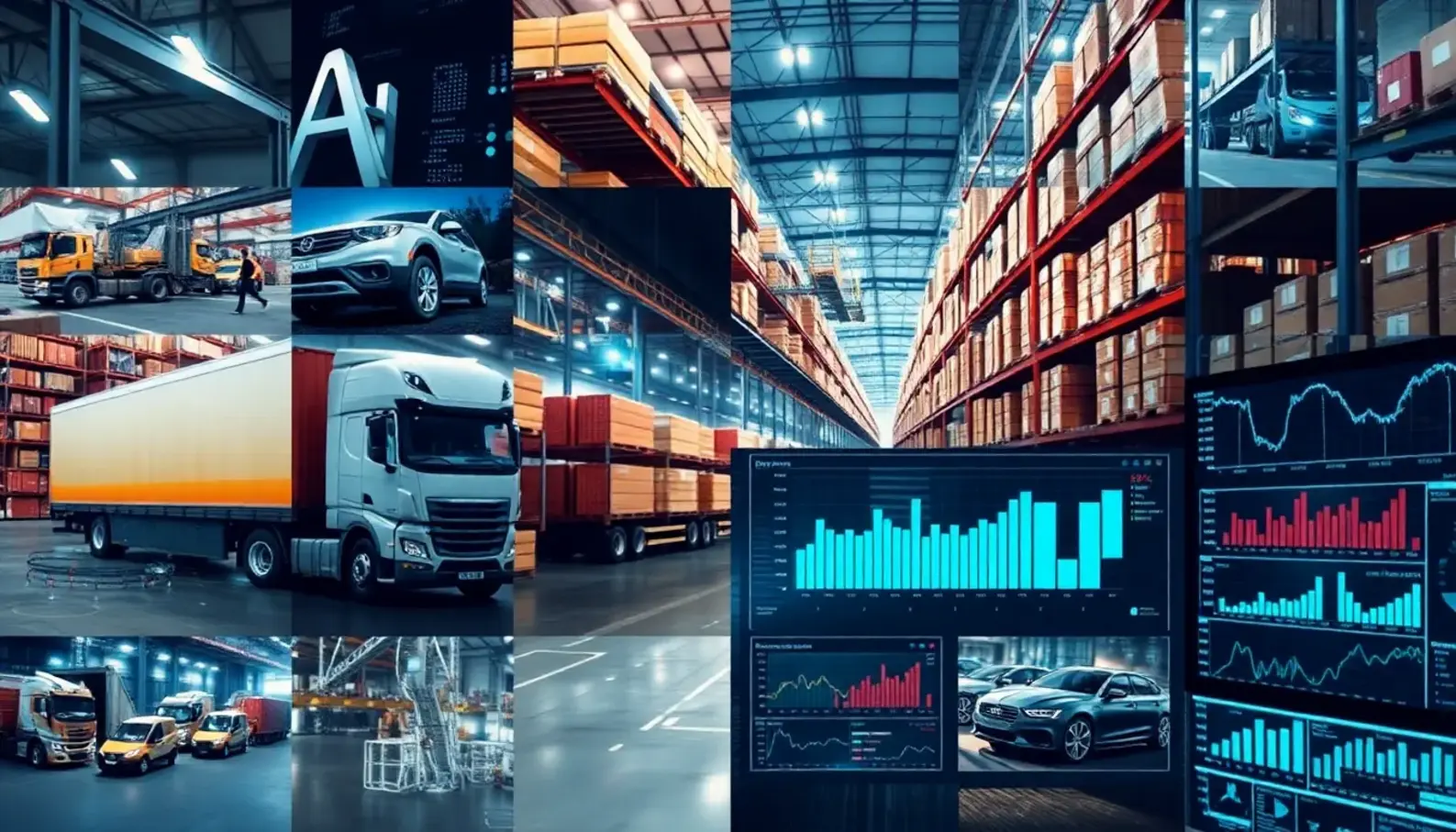
The incorporation of artificial intelligence in supply chain management has redefined resource allocation, enabling companies to enhance efficiency and responsiveness. This chapter delves into various case studies, showcasing the remarkable impact of AI on supply chains across diverse sectors. By understanding these examples, designers and researchers can glean insights into effective strategies and practical applications.
One prominent example involves a major retail corporation that faced the challenge of managing inventory across thousands of stores nationwide. This retailer struggled with stockouts and excess inventory, leading to lost sales and increased holding costs. The company deployed an AI-driven predictive analytics solution that integrates historical sales data with real-time market trends. By using machine learning algorithms, the system anticipates demand fluctuations, allowing for optimized inventory levels. Consequently, the retailer reduced excess inventory by 30% and stockouts by 45%, which significantly enhanced customer satisfaction and increased revenue.
Another case study is a global automotive manufacturer that implemented AI to address inefficiencies within its supply chain. The company grappled with discrepancies between production schedules and the availability of raw materials, often resulting in production delays. By implementing an AI-powered resource optimization tool, the manufacturer is now able to forecast raw material requirements accurately. This system utilizes neural networks to analyze internal data alongside external market conditions. As a result, it has optimized procurement processes, reduced lead times by 20%, and minimized material shortages, thus maintaining continuous production flows. These quantifiable outcomes demonstrate AI’s potential to enhance synchrony within complex supply chains.
In the pharmaceutical sector, a major company adopted AI to streamline its manufacturing and distribution networks. Facing the challenge of fluctuating demand and regulatory compliance, the firm utilized AI-based supply chain simulation software to model various scenarios. These simulations help identify potential bottlenecks and devise contingency plans. With AI’s analytical capabilities, the company reduced operational costs by 15% and improved order fulfillment rates by 25%. Moreover, this proactive approach ensures compliance with strict regulatory standards while enhancing flexibility and resilience.
A notable example from the technology sector involved a leading electronics manufacturer leveraging AI to optimize its supply chain logistics. The company faced significant challenges in managing its sprawling network of suppliers and distributors across multiple continents. AI-driven logistics platforms were implemented to streamline route planning and load optimization processes. This innovative solution harnessed machine learning algorithms to analyze traffic patterns, weather forecasts, and shipment data in real time. Consequently, the manufacturer reduced transportation costs by 18% and expedited delivery times by 22%, enhancing overall supply chain efficiency.
Lastly, a consumer packaged goods enterprise turned to AI to revolutionize its demand forecasting processes. The organization struggled with volatile demand patterns and inaccurate forecasts. By employing AI-enhanced demand forecasting tools, which integrate macroeconomic indicators and social media analytics, the company achieved notable improvements. This approach refined forecast accuracy by 35%, enabling more precise production and distribution planning. As a result, the organization reduced waste and improved agility in responding to market shifts.
These case studies illustrate that the successful implementation of AI in supply chains involves overcoming various challenges, from inventory management to logistics optimization. The ability to transform data into actionable insights through AI technologies offers businesses the agility needed to adapt to dynamic market conditions. This chapter reinforces that integrating AI not only enhances operational efficacy but also provides a significant competitive advantage in the global marketplace.
For further insight into AI’s transformative potential across sectors, consider exploring AI in Business Growth, which details strategic applications for fostering innovation and efficiency.
Final words
AI is revolutionizing resource allocation within supply chains, providing organizations with the analytical tools required for data-driven decision-making. By adopting AI strategies effectively, businesses can achieve greater efficiency, lower operational costs, and improved responsiveness to market fluctuations. The future of supply chain management lies in smart, data-enabled practices that embrace AI’s potential.
Watch Video Series
Learn more: innoupdates.com
About us
Our company specializes in providing cutting-edge AI solutions tailored for supply chain management, enhancing efficiency and decision-making through innovative analytics and real-time data insights.