
The integration of artificial intelligence into supply chain communication is revolutionizing how businesses operate. AI technologies facilitate transparent and timely communication among diverse stakeholders, reducing inefficiencies and improving decision-making. As companies continue to face challenges such as increasing complexity and demand variability, a cohesive communication strategy supported by AI tools becomes essential. Furthermore, these tools are not only designed for large enterprises but also offer scalable solutions tailored for small and medium-sized organizations. This article delves into the strategies and applications of AI in enhancing supply chain communication, guiding students and consultants through practical insights and data-driven approaches that can be implemented effectively. Understanding these dynamics is crucial for future leaders looking to optimize supply chain processes.
Understanding the Importance of Communication in Supply Chains

Supply chains are vast interconnected networks that hinge on seamless communication channels linking suppliers, manufacturers, distributors, and retailers. These interactions form the lifeblood of a supply chain, ensuring the timely flow of information, which in turn guarantees accurate forecasting, inventory management, and delivery schedules.
In the absence of effective communication, supply chains face a heightened risk of disruptions that can emanate from misaligned expectations, errors in data, or delays in information dissemination. For instance, if a manufacturer experiences a delay from a supplier due to unforeseen circumstances but this information is not effectively communicated, it can trigger a chain reaction. Production halts lead to delayed deliveries to retailers, which can result in stockouts and thus affect end-consumer satisfaction.
One of the core challenges in supply chain communication arises from its reliance on siloed systems. Each stakeholder typically uses different platforms and protocols, creating barriers in information sharing. Consequently, vital data can become trapped within these silos, leading to a lack of visibility across the supply chain. Such opacity can have detrimental effects, making it difficult to identify and mitigate risks promptly or to optimize operations efficiently.
Inefficient data management further exacerbates communication challenges. With the avalanche of data generated every second—from IoT devices on factory floors to retail transaction records—identifying actionable insights becomes daunting. Often, the tools deployed are not equipped to handle real-time data integration from diverse sources, leading to decision-making based on outdated or incomplete information.
AI offers powerful solutions in addressing these issues by promoting more intelligent and seamless communication across these networks. For example, natural language processing (NLP) can help in translating and interpreting communication across various segments of the supply chain, transcending language and cultural barriers. This assists in facilitating smoother interactions among international stakeholders.
Additionally, AI-driven predictive analytics tools can leverage large volumes of historical and real-time data to forecast trends more accurately. This empowers supply chain managers to anticipate disruptions, adjust procurement strategies, and optimize inventory levels proactively. AI systems can autonomously identify anomalies or patterns that human operators might overlook, ensuring that decision-makers are equipped with the most precise information without delay.
A prime example of AI’s transformative potential can be found in machine learning algorithms designed to optimize logistics routes in real-time. By considering a multitude of dynamic factors—such as weather conditions, traffic patterns, and fuel prices—these algorithms can propose the most efficient routes and thus ensure timely deliveries. Such advancements not only enhance operational efficiency but also contribute to minimizing the carbon footprint of supply chains.
Furthermore, intelligent agents can be deployed as a means to facilitate collaboration and information sharing across different tiers of the supply chain. These agents can automatically update stakeholders on crucial developments or changes, eliminating the need for traditional, time-consuming methods of communication such as emails or manual phone calls.
While the integration of AI in communication processes within supply chains is compelling, it is essential that companies remain vigilant about data security and privacy concerns. The transition to AI-driven systems necessitates robust frameworks that safeguard sensitive information from leaks or breaches.
With intelligent AI systems supplementing human efforts, supply chains are posited to operate with unprecedented levels of efficiency. As these tools continuously learn and adapt over time, they offer the resilience and agility needed to navigate the complexities of global supply networks. To explore more about how AI can enhance different areas including business growth, you can find insightful details here.
As businesses endeavor to stay competitive, understanding and integrating AI solutions into supply chain communication evolves from being an option to a necessity. This transformation heralds a new era of enhanced performance metrics, with companies enjoying improved service levels, reduced operational costs, and elevated customer satisfaction.
AI Tools and Technologies for Enhanced Communication
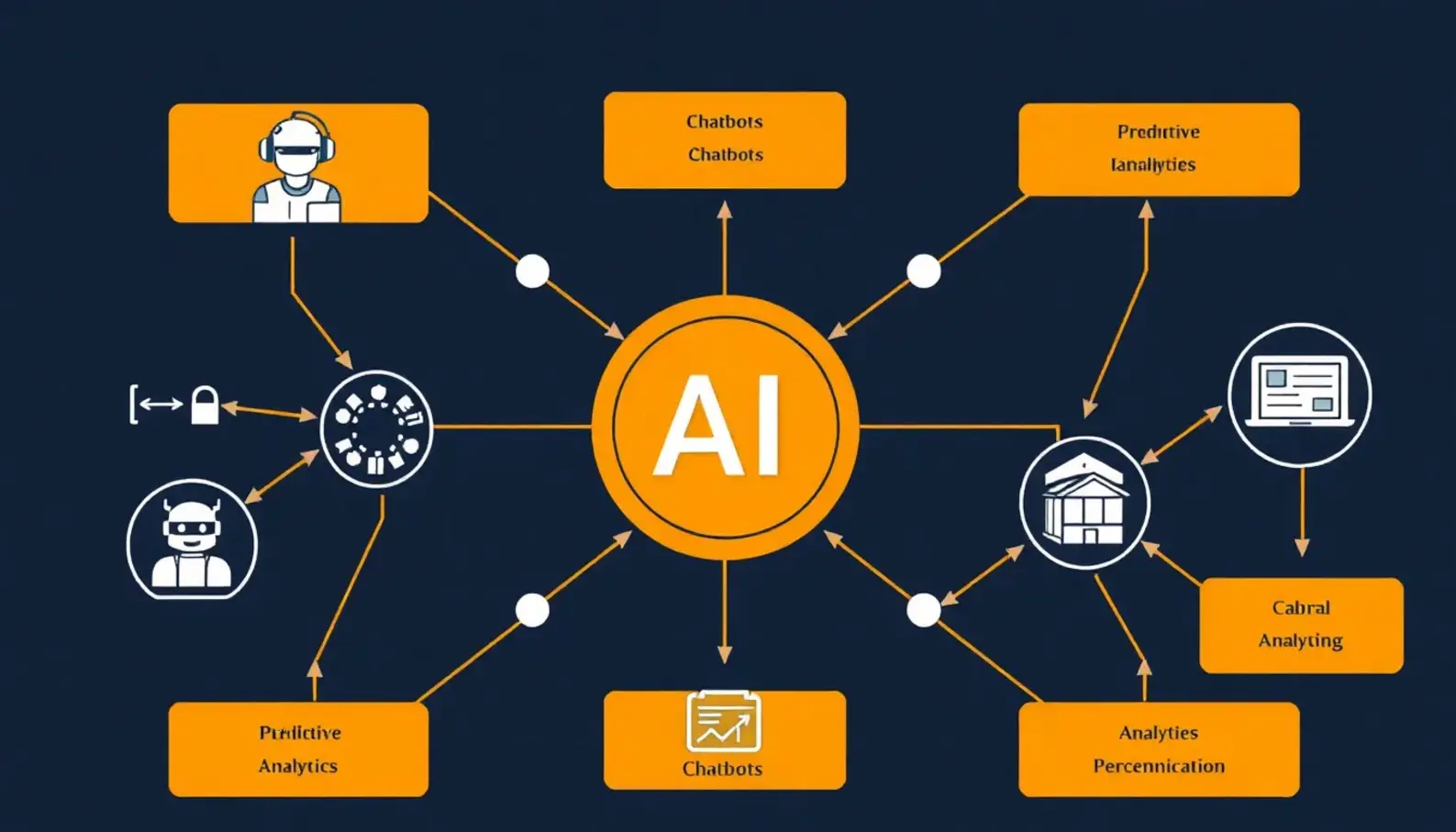
Artificial intelligence has revolutionized the way supply chains operate by transforming communication streams into more dynamic, efficient, and effective processes. Among the pivotal tools that are reshaping this landscape are chatbots, natural language processing (NLP) systems, and predictive analytics platforms. These technologies facilitate real-time data sharing, automate responses, and enhance clarity, all crucial for a seamless supply chain.
Chatbots have become integral elements within supply chain communication due to their ability to handle repetitive inquiries and automate mundane interactions. By embedding AI-driven chatbots into customer service platforms, businesses can respond to client inquiries swiftly and accurately, minimizing human intervention while maintaining high service levels. These virtual assistants are equipped to manage a variety of tasks, such as tracking orders, reporting delays, and even offering alternative solutions proactively. As a result, human agents can focus on more complex issues, ultimately improving overall efficiency.
Natural language processing systems extend the capabilities of communication by allowing machines to understand and interpret human language as it is naturally spoken. This advanced understanding enables a more personalized interaction with stakeholders, offering translations and insights that might otherwise be lost. NLP facilitates effective cross-border communication within global supply chains by overcoming language barriers that traditionally posed challenges. Furthermore, by analyzing vast amounts of unstructured data from emails, messages, and reports, NLP systems extract valuable insights that are crucial for decision-making processes.
Predictive analytics platforms play a significant role in enhancing communication by forecasting future supply chain events. By analyzing historical data and recognizing patterns, these systems can predict potential disruptions or identify trends that may affect supply chain performance. Such forewarnings enable businesses to plan proactively and communicate necessary adjustments to partners and stakeholders, ensuring continuity and responsiveness.
The implementation of AI tools is not merely theoretical; real-world applications demonstrate their effectiveness. For example, logistics companies utilize predictive analytics to optimize delivery routes, which in turn allows dispatch centers to communicate with drivers efficiently, reducing delays and improving customer satisfaction. In manufacturing settings, chatbots have been deployed to facilitate demand forecasting and inventory management, ensuring that information is shared transparently across all levels of the supply chain.
A key to successful AI integration in supply chain communication lies in aligning technologies with specific business needs. Companies that leverage AI-driven tools tailored to their unique processes often experience increased agility and improved synchronization among supply chain partners. Moreover, integrating these technologies with existing systems is crucial for ensuring seamless communication and maximizing their potential.
For those eager to explore the intersection of AI and business growth, the comprehensive insights available at AI in Business Growth delve into the broader implications and benefits of embracing such technologies.
Overall, the adoption of AI tools for supply chain communication represents a strategic approach towards achieving higher levels of operational efficiency and responsive customer service. As these technologies continue to evolve, they will undoubtedly offer more sophisticated solutions for overcoming communication barriers and fostering more connected and resilient supply chains.
Implementing AI Solutions to Transform Communication
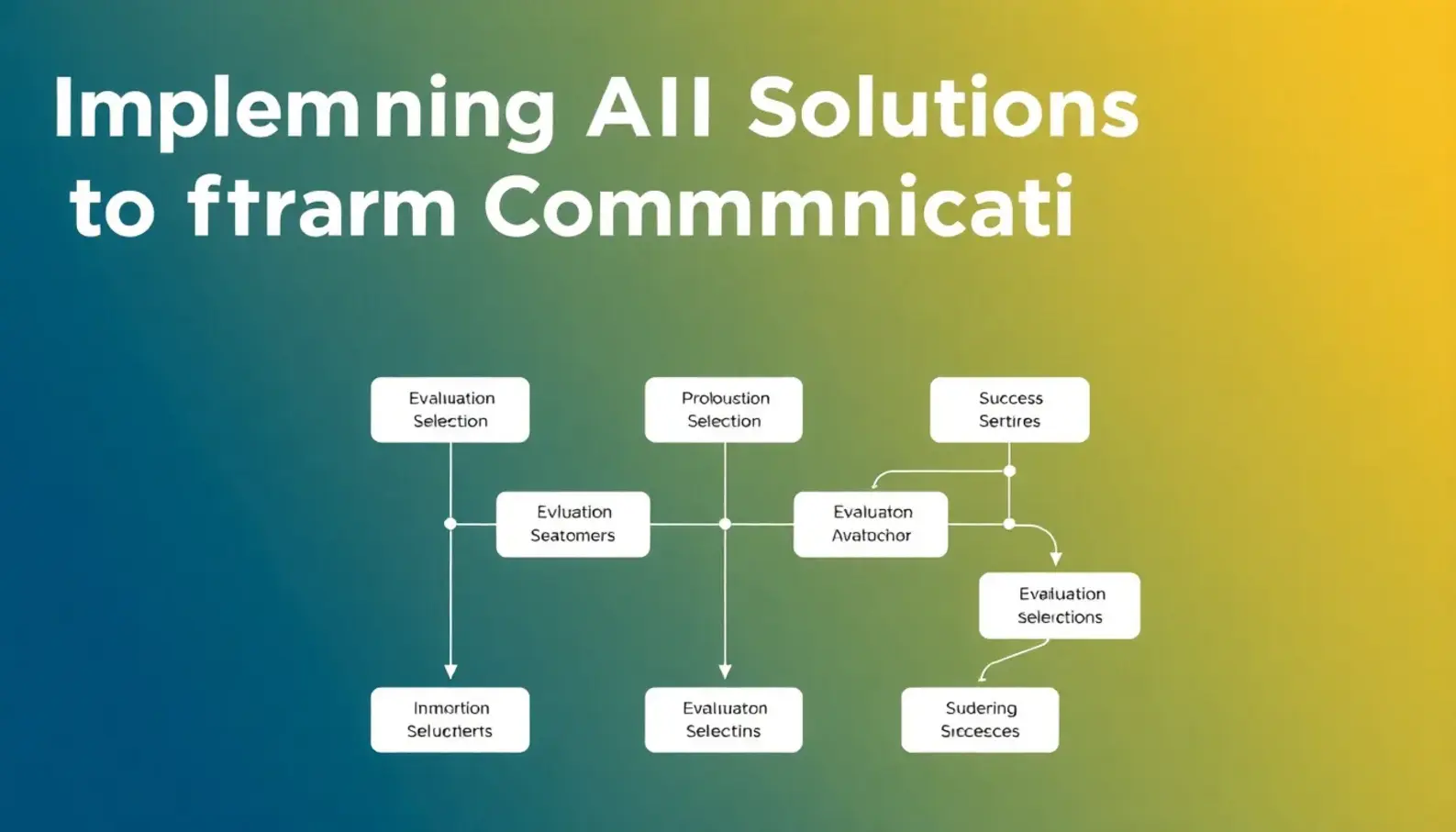
AI has the potential to transform supply chain communication by streamlining processes and enhancing data accessibility. However, implementing AI requires a strategic approach to ensure success and maximize benefits. This chapter provides a step-by-step guide for organizations to evaluate, select, and deploy AI solutions effectively.
First, it’s crucial to identify specific needs within the supply chain communication process. Understand the current communication challenges, such as delays in information dissemination, inaccurate data exchange, or lack of transparency. Mapping out these pain points helps in defining the objectives for AI implementation. Organizations should ask themselves questions like, “What do we hope to achieve?” and “Where are the communication gaps?” This clarity allows for focused AI deployment that directly addresses existing inefficiencies.
Once needs are identified, the next step is choosing suitable technologies. AI encompasses a wide range of technologies, including natural language processing (NLP), machine learning algorithms, and automated chatbots. Evaluating which technology fits best involves understanding their functionalities and how they can solve the specific communication problems identified. For instance, NLP can improve document processing and data interpretation, while chatbots can handle routine inquiries, freeing human resources for more complex tasks.
Experimenting with pilot projects is essential before full-scale implementation. A pilot allows organizations to test AI solutions within a controlled environment, minimizing risks. During this phase, it’s vital to involve cross-functional teams to gain diverse insights and ensure that the AI model aligns with the overall business goals. The pilot’s outcomes will provide valuable data on performance, helping to adjust the AI systems for a broader rollout.
Establishing metrics for success from the onset aids in measuring the impact of AI deployment. Metrics could include improved communication speed, accuracy of information exchange, or reduction in manual interventions. By continually assessing performance against these benchmarks, organizations can refine their AI strategies to ensure alignment with supply chain objectives.
Deploying AI in supply chain communication is not without its barriers. Potential challenges may include high initial costs, resistance to change among staff, and integration with existing systems. To overcome these, it’s crucial to secure executive sponsorship and foster a culture that embraces innovation. Providing training and support to staff can ease the transition, breaking down resistance by showcasing AI’s benefits.
Interoperability with current technologies also presents a challenge. Ensuring that AI solutions can seamlessly integrate into existing systems is critical to avoid disruptions. Investing in scalable and adaptable technologies will mitigate such risks, ensuring long-term flexibility as business needs evolve.
To illustrate successful AI implementations in supply chain communication, consider the case of an electronics manufacturing firm that integrated machine learning to predict supply chain disruptions. By analyzing patterns from multiple data sources, the firm improved forecasting accuracy, leading to a 20% reduction in downtime. Another example is a retail chain that deployed chatbots to handle supplier inquiries. This AI solution significantly reduced response times and improved supplier satisfaction scores.
These case studies underscore the tangible benefits of AI in enhancing supply chain communication. For further insights into innovative AI applications across different sectors, you may explore articles on AI in Business Growth, which discuss similar strategies and their outcomes.
Implementing AI solutions in supply chain communication necessitates a thoughtful approach that considers the unique needs of the organization. By identifying these needs, selecting appropriate technologies, piloting solutions, and establishing clear metrics, businesses can successfully navigate the complexities of AI adoption. Overcoming barriers through strategic planning ensures that AI not only transforms communication but also drives overall supply chain efficiency.
Final words
AI is significantly reshaping supply chain communication by enhancing efficiency and decision-making capabilities. As organizations embrace these technologies, they not only reduce operational risks but also gain a competitive advantage in the market. Understanding and implementing AI solutions can lead to improved collaboration and transparency across the entire supply chain, reinforcing the importance of communication as a success factor in modern business operations.
Schedule a Consultation
Learn more: innoupdates.com
About us
We offer a range of services designed to help organizations optimize their supply chain processes. Through our expertise in AI and data analytics, we provide customized solutions that enhance communication, improve efficiency, and facilitate data-driven decision-making across various industries. From technology evaluation to implementation, our consultancy services ensure that every aspect of your supply chain is aligned for optimal performance.