Artificial intelligence is revolutionizing supply chain collaboration, offering innovative methods to enhance efficiency and transparency. By integrating AI technologies, professionals can now predict demand, optimize inventory, and improve supplier relationships more effectively. As students and engineers, understanding this evolution equips you with the necessary skills to thrive in an industry increasingly dominated by data-driven solutions. This exploration into AI’s impact on supply chain collaboration reveals both current practices and future possibilities, encouraging you to envision your role in this exciting landscape.
Unveiling AI: The Backbone of Supply Chain Collaboration
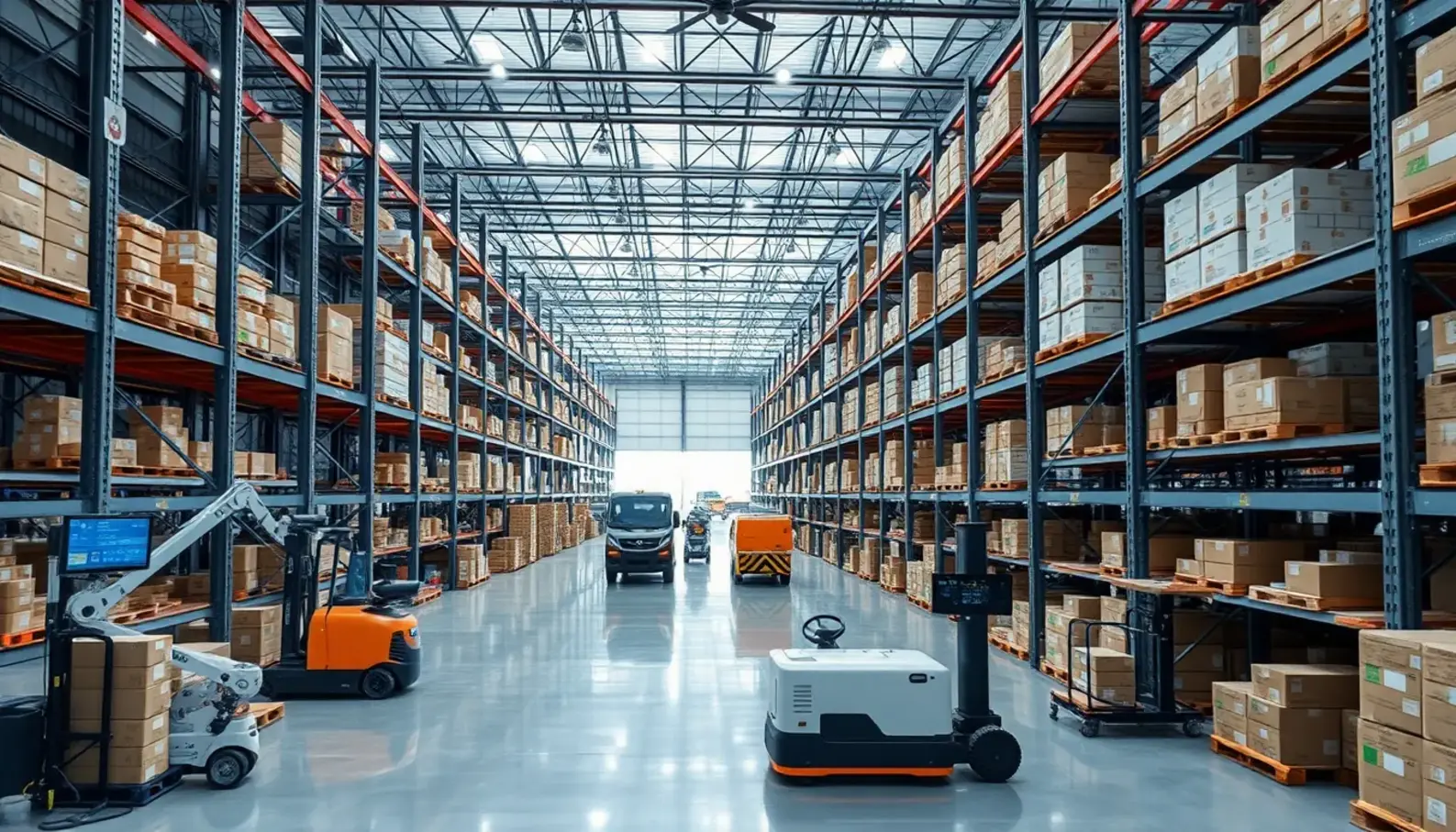
Artificial Intelligence (AI) serves as a transformative force in supply chain collaboration. At its core, AI leverages extensive datasets, advanced algorithms, and computational power to drive decision-making processes that were once the domain of human intuition. As organizations strive to meet complex market demands and enhance efficiency, AI stands as a critical backbone supporting this evolution.
The integration of AI in supply chain collaboration is fundamentally altering how businesses interact with each other at every stage of the supply chain—from procurement to delivery. By enabling more precise and predictive insights, AI supports a proactive approach to supply chain management.
Machine Learning and Predictive Analytics
Machine Learning (ML) and predictive analytics are key AI technologies facilitating advancements in supply chain operations. ML, a subset of AI, refers to systems that automatically learn and improve from experience without being explicitly programmed. It discovers patterns in data, which can predict future outcomes and optimize decision-making.
Predictive analytics utilizes these patterns, transforming them into insights. For instance, AI systems analyze historical demand data, forecasting potential demand spikes and downturns. This, in turn, allows supply chain managers to adjust inventory practices accordingly, reducing the risks of stockouts and overproduction.
Real-world implementation can be seen in demand forecasting for retailers who must anticipate seasonal changes. With AI’s help, they adjust their inventory more effectively, tailoring their strategies to meet customer demand accurately.
Robotic Process Automation (RPA)
Robotic Process Automation is another facet of AI transforming the supply chain landscape. RPA involves using bots to automate routine business processes, improving efficiency and accuracy. In logistics, for example, RPA can automate invoice processing, order tracking, and shipping notifications, streamlining operations and reducing manual error.
A practical example involves automated order processing, where AI systems receive orders, process them, and update clients on status without human intervention. This reduces lead times and enhances customer satisfaction, illustrating AI’s tangible impact on operational effectiveness.
Natural Language Processing (NLP)
Natural Language Processing manages the interaction between computers and humans through natural language. NLP applications in supply chains include real-time language translation, customer service automation, and chatbots that can resolve queries without human intervention.
Consider customer service chatbots; they provide instant support, answer questions, and solve issues quickly. This reduces reliance on human customer service representatives and cuts response times, illustrating how NLP can substantially elevate customer interactions.
AI-Driven Optimization Algorithms
AI-driven optimization algorithms are revolutionizing logistics and transportation within supply chains. These algorithms enable route optimization, ensuring goods reach their destination in the most efficient manner. By analyzing variables such as traffic patterns, weather conditions, and fuel costs, AI systems can propose optimal routing solutions.
An instance of this is in last-mile delivery operations, where reduced delivery times lead to cost savings and enhanced service levels. The algorithms adapt in real time, responding to changes dynamically, meaning deliveries can continuously improve in efficiency.
Blockchain and AI in Supply Chains
AI paired with blockchain technology offers unprecedented traceability and security for supply chain operations. Blockchain provides a decentralized ledger where transactions are securely recorded. When AI analyzes blockchain data, it ensures transparency, authenticity, and improved traceability of goods.
Blockchain can track product origins, verify certifications, and ensure compliance with regulations. When AI enters the scene, it further augments these processes, identifying anomalies or inefficiencies in real time.
Real-World Case Study: Autonomous Drones
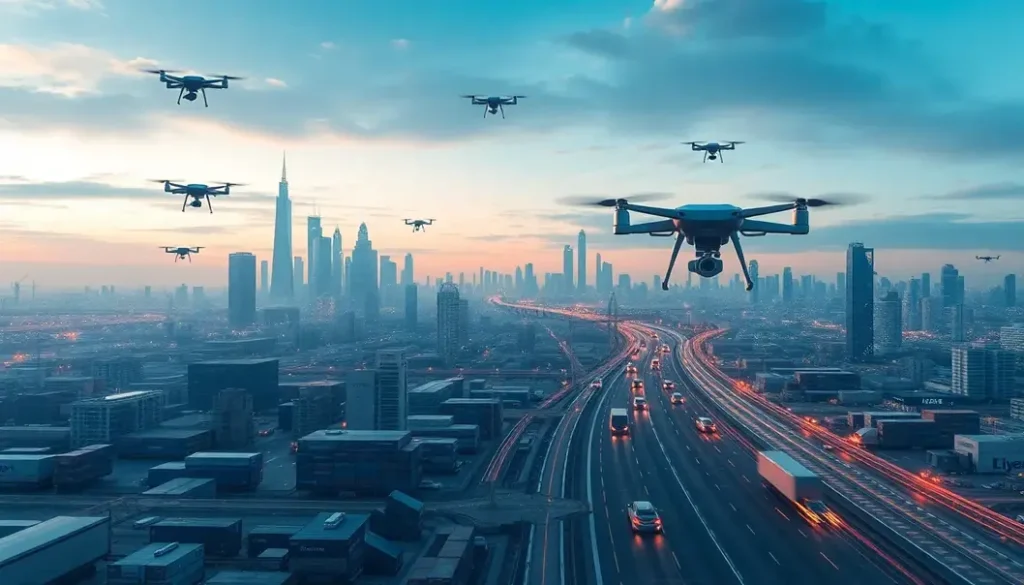
An exciting development in supply chain logistics is the deployment of autonomous drones for deliveries. By leveraging AI and machine vision, drones can navigate and deliver packages to remote locations efficiently. Autonomous Drones: The New Frontier in Logistics dives deeper into these innovations and showcases how drones address geographical challenges and deliver goods faster.
The transformative impact of AI on supply chain collaboration is well underway, with technology evolving every day. By harnessing its capabilities, businesses can anticipate changes, optimize their operations, and collaborate more effectively across all supply chain stages. The ability to process, predict, and perform rapidly across these dimensions marks AI as an essential ally in strategic supply chain management.
Enhancing Efficiency: AI’s Role in Demand Forecasting and Inventory Management
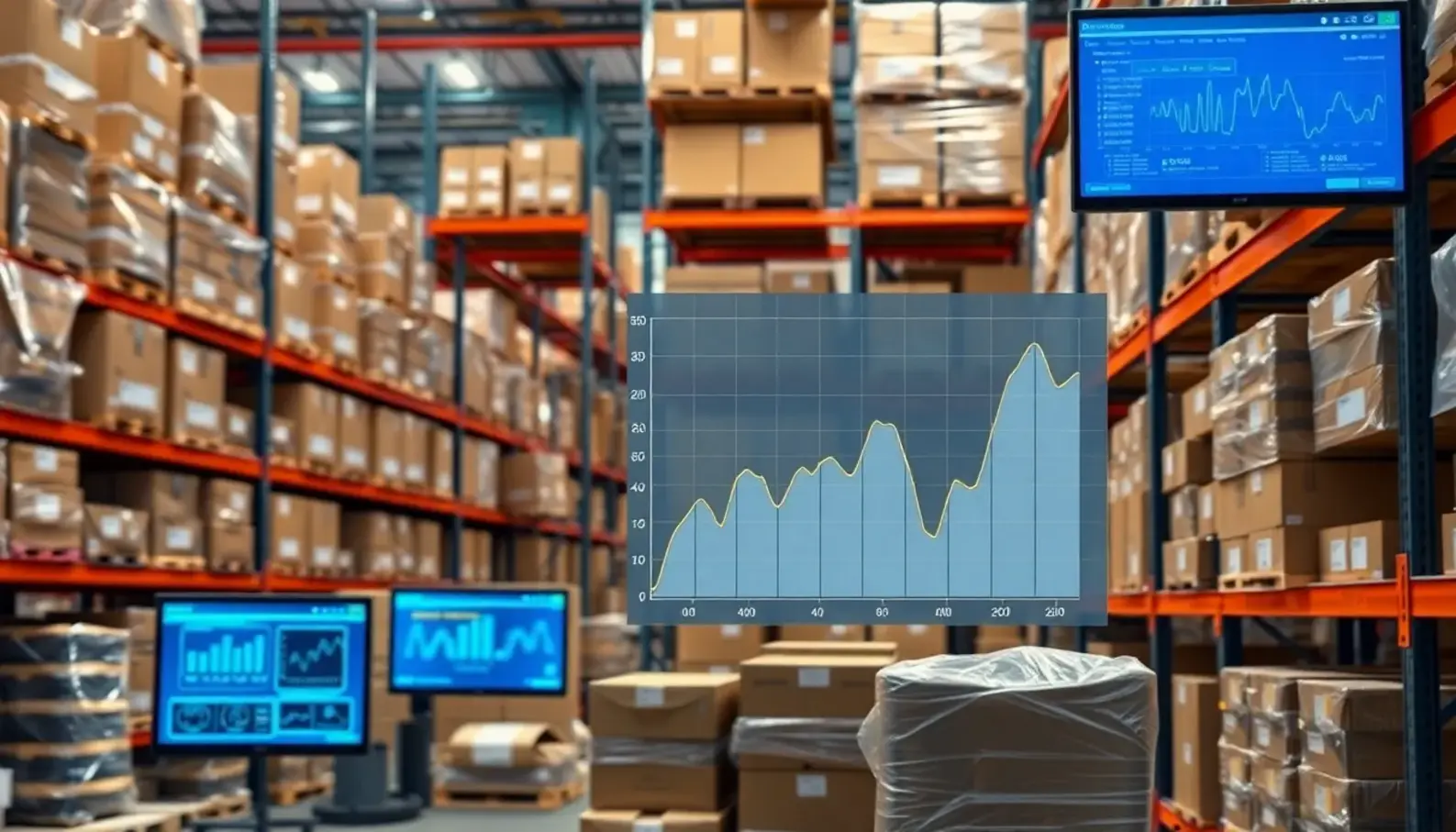
AI’s integration into supply chains has become pivotal in optimizing demand forecasting and inventory management through predictive analytics. By processing vast datasets, AI tools can deliver demand predictions with an accuracy unattainable by traditional methods. These predictive capabilities are achieved through sophisticated machine learning algorithms that analyze trends, customer behavior, and market conditions, enabling businesses to anticipate demand fluctuations.
The value of AI in demand forecasting lies in its ability to learn and adapt. Machine learning models continually update their predictions as new data becomes available. This dynamic adjustment ensures that forecasts remain relevant, even in rapidly changing market environments. The result is a more agile supply chain capable of adapting to consumer demands almost instantaneously.
Inventory optimization, another area where AI excels, involves striking the perfect balance between having sufficient stock levels and minimizing overstock. AI systems analyze real-time inventory data alongside sales trends and external factors such as seasonal demands or economic shifts. This comprehensive analysis enables organizations to refine their inventory levels, reduce holding costs, and eliminate wastage.
Moreover, AI can automate routine inventory management tasks, freeing human resources for more strategic roles. Automation extends to replenishment processes, where AI can trigger restocking orders based on predictive inventory requirements. By doing so, businesses can maintain optimal stock levels without overburdening their supply chain personnel.
One significant advantage of AI in inventory management is its ability to recognize patterns that might be invisible to humans. For example, AI can detect subtle shifts in buying behavior or emerging market trends early. This insight allows companies to adjust their inventory and align production schedules accordingly, thereby enhancing their overall supply chain efficiency.
Incorporating AI into demand forecasting and inventory management not only improves efficiency but also boosts responsiveness. Businesses can react to market trends in real time, which is particularly advantageous in industries with short product life cycles or high demand variability. Quick responsiveness translates to better customer satisfaction and a competitive edge in the marketplace.
Integration of AI systems also supports a more sustainable supply chain. By optimizing inventory levels and reducing waste, companies can lessen their environmental impact. AI’s ability to forecast accurately minimizes the need for unnecessary production or resource allocation, contributing to sustainable business practices.
AI’s role in supply chain management is also influenced by its collaboration with other technological advancements. For example, combining AI with the Internet of Things (IoT) allows for more precise tracking and monitoring of inventory across distribution channels. This connectivity ensures that data flows seamlessly throughout the supply chain, improving transparency and operational efficiency.
Furthermore, AI’s analytical capabilities align well with strategic supply chain initiatives such as just-in-time production and lean manufacturing. These methodologies depend on precise demand forecasting and inventory management to function effectively, both of which are enhanced by AI-driven insights.
The potential of AI in this realm extends beyond mere efficiency improvements. By leveraging AI, companies can explore new business models and revenue streams. For instance, some organizations are utilizing AI to shift from product-based sales to service-oriented models, offering subscription services or on-demand delivery.
One interesting aspect of AI-enhanced supply chains is their ability to mitigate risks. Predictive analytics can identify potential disruptions before they occur, providing companies with the foresight needed to take proactive measures. This risk mitigation capability not only protects the supply chain but also contributes to greater business resilience.
In conclusion, the synergy between AI and supply chain logistics is profound. As AI continues to advance, its integration into demand forecasting and inventory management will become even more sophisticated, offering unprecedented insights and efficiency. For companies willing to embrace these technologies, the benefits include increased agility, reduced waste, and enhanced competitiveness in a globalized economy.
For further insights into how AI is impacting various industries and driving innovation, you might find this article on AI Marketing Strategies insightful.
Building Trust: AI and Supplier Relationship Management

Artificial intelligence is fundamentally altering how organizations manage their relationships with suppliers, recasting these interactions with a focus on trust and mutual growth. With AI-driven systems, businesses can forge more resilient and reliable supply chains that adapt dynamically to changing conditions. This transformation arises from a blend of improved communication, streamlined contract management, and heightened transparency—all pinnacles of strong supplier relations.
AI tools can enhance the clarity and depth of communication between businesses and their suppliers. For instance, predictive analytics allow supply chain managers to anticipate supplier needs and capabilities better. Machine learning algorithms process vast datasets to forecast demand trends and inventory requirements, thereby aligning expectations across the supply chain. This fosters a proactive dialogue between suppliers and buyers, minimizing miscommunications and aligning production schedules more efficiently.
Another critical aspect is real-time data sharing, facilitated by AI, which enables decision-makers to adjust to unexpected changes with agility. Suppliers receive up-to-date information regarding product requirements, specifications, and delivery timelines. Through these capabilities, AI promotes a more collaborative environment where issues can be addressed promptly, preventing misunderstandings before they escalate into significant problems.
Contract management, often a labor-intensive task, benefits significantly from AI integration. AI systems can parse through complex contract details, highlighting key obligations and compliance requirements and automating the monitoring process. Such automated setups lessen the possibility for disputes over terms and deadlines, ensuring that agreements are adhered to without the need for constant oversight.
AI-powered contract analysis tools also enable enterprises to identify patterns in contract negotiations, such as common pain points or frequently negotiated clauses. By leveraging these insights, businesses can refine their negotiation strategies, achieving terms that are more favorable and mutually beneficial. This approach not only expedites the negotiation process but also cultivates a foundation of trust, where both parties can rely on a fair assessment of terms and potential risks.
Transparency is further enhanced by AI-driven systems capable of tracing and verifying transactions and product origins. Blockchain technology, augmented by AI, facilitates a secure and immutable ledger for tracking the provenance of goods throughout their journey in the supply chain. This is invaluable for industries that require rigorous standards of traceability, such as pharmaceuticals and food production.
Furthermore, AI can aid in monitoring supplier performance by analyzing key performance indicators (KPIs). Suppliers’ adherence to quality standards, delivery punctuality, and adaptability to changing needs are continuously assessed by AI tools. These assessments inform decisions about continuing or revising contractual relationships, encouraging suppliers to maintain high service levels. This level of oversight builds a trust-based partnership where expectations are clearly communicated and met with consistency.
The trust built through AI-integrated supply chain practices extends beyond the confines of direct business-to-supplier interactions. It fosters a wider network of collaboration, evidenced by the cascading effects of transparent and accountable practices. When businesses demonstrate a commitment to integrity and fairness supported by AI, it can inspire a similar ethos among smaller partners and stakeholders within their network.
Vendor risk management, another critical component of supplier relationships, is also significantly enhanced by AI. Machine learning models can predict potential risks by analyzing historical and real-time data from multiple sources. This predictive insight helps in preempting disruptions in the supply chain and adjusting sourcing strategies accordingly.
AI’s role in supplier relationship management is not limited to existing relationships but also aids in vendor selection. By aggregating data on prospective suppliers’ financial health, sustainability practices, and historical performance, AI systems provide a transparent basis for partner selection. Businesses can prioritize partnerships aligned with their core values and strategic goals.
Integrating AI within supplier relationship management encapsulates a broader movement towards smarter, fairer, and more collaborative business practices, as explored in discussions on AI in Business Growth. By embracing AI-driven transparency and efficiency, businesses not only enhance their operational capabilities but also foster robust and enduring supplier partnerships. As these technologies continue to evolve, they promise to unlock further opportunities for collaboration across the supply chain landscape, emphasizing trust and mutual success.
Final words
AI has become an essential element in reshaping supply chain collaboration, driving efficiency in demand forecasting and improving supplier relationships. By embracing these technologies, you can contribute to innovative solutions in the industry. With the right skills and knowledge, your ability to integrate AI into supply chains will position you as a key player in this evolving domain—ready to influence the way we think about logistics and collaboration.
Join the Community
Learn more: https://innoupdates.com
About us
We provide industry insights, resources, and networking opportunities focusing on the advancements in AI technology and its application in various sectors, including supply chain management. Join our community to stay updated and connected with professionals and innovators.