
As global markets become increasingly interconnected, the need for streamlined supply chain operations is paramount. Designers and analysts are tasked with integrating cutting-edge technologies to improve efficiency, reduce costs, and respond to customer demands. AI has emerged as a game-changer in this landscape, enabling businesses to optimize their supply chains by providing valuable insights and automating key processes. Exploring how AI can enhance supply chain efficiency reveals innovative strategies and tools that can lead to better decision-making and a competitive advantage.
AI-Powered Decision-Making: Streamlining Supply Chain Operations
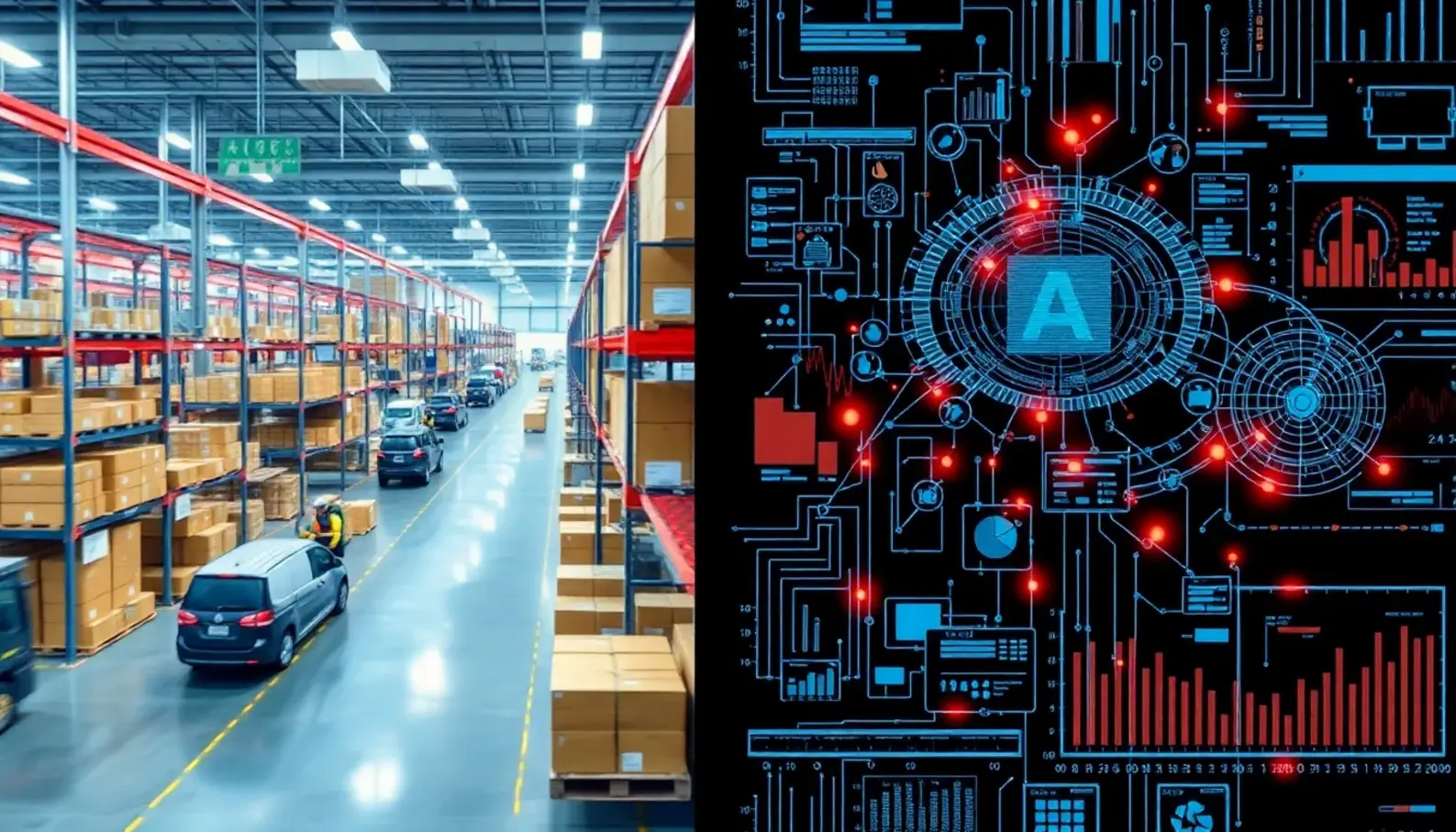
Artificial intelligence continues to transform supply chain operations by enhancing decision-making processes. Through algorithms capable of demand forecasting, inventory management, and logistical planning, AI enables businesses to optimize efficiency and reduce operational costs.
Demand forecasting often presents one of the greatest challenges for supply chain managers. Accurate predictions are vital to meeting customer expectations and minimizing waste. Traditional forecasting methods relied heavily on historical data with limited analysis capabilities. Today, AI algorithms leverage vast amounts of data, including market trends, consumer behavior, and economic indicators, to generate more accurate and dynamic forecasts. By analyzing complex patterns, these algorithms reduce the guesswork involved in predicting demand. This shift enhances reliability in supply chain management and minimizes the risks associated with overproduction or stockouts.
Let’s explore an example where AI has revolutionized demand forecasting. A major retailer implemented AI tools to analyze both internal transaction data and external qualitative data collected from social media and search trends. The incorporation of these diverse data sources into their forecasting models reduced forecasting errors by 25%. Such improvements not only lowered inventory holding costs but also improved stock readiness, leading to better customer satisfaction.
Inventory management is another domain where AI excels. Maintaining the right level of inventory is a delicate balance that requires constant monitoring and adjustment. AI-powered systems offer real-time inventory tracking, providing insights that are more accurate than manual counts. These systems use advanced algorithms to automatically reorder stock and adjust inventory levels based on predictive modeling. In addition, AI can identify patterns in product demand seasonally or for specific promotions, enabling businesses to optimize stock levels ahead of demand surges.
Moreover, AI’s role in logistical planning cannot be underestimated. Logistical challenges, such as routing, scheduling, and supply chain network design, require complex, data-intensive solutions. AI algorithms capable of processing these vast datasets offer strategic inputs for optimizing transportation routes and delivery schedules. By predicting traffic patterns and incorporating real-time data from weather forecasts and transportation networks, AI systems can recommend the most efficient routes, reducing fuel costs and improving delivery times.
For instance, a global logistics company utilized AI for route optimization. By analyzing thousands of data points per day, the AI system dynamically adjusted routes to minimize travel time. This strategic planning reduced overall transportation costs by 15%, providing a significant competitive advantage.
Data analytics stands at the core of these AI applications, enabling informed decision-making. With the massive amounts of data generated daily, distinguishing pertinent information is critical. AI-powered data visualization tools help designers and analysts transform raw data into insightful visual narratives. By creating interactive dashboards, these tools allow supply chain managers to explore data trends visually, revealing actionable insights that may be obscured in textual formats.
An essential aspect of AI implementation involves selecting the right tools. AI platforms equipped with user-friendly interfaces empower users to engage deeply with data without requiring extensive technical expertise. These platforms often integrate machine learning models that continuously learn from new data, improving accuracy over time. Furthermore, the use of natural language processing facilitates clearer communication between AI systems and users, enhancing usability.
Readers interested in how executive-level innovation can bridge AI and business strategies are encouraged to explore more. For insights into how AI is being used for business growth strategies, you might find this article on AI in Business Growth insightful.
The efficient use of AI in supply chain decision-making not only optimizes existing processes but also frees up human resources to focus on strategic planning and innovation. By managing repetitive and time-consuming tasks with AI, professionals can concentrate on tasks that require human creativity and strategic insight. Overall, AI’s integration into supply chain operations signifies a paradigm shift towards more agile and data-driven management practices, promising continued advances as AI technologies evolve.
Innovative AI Tools for Real-Time Supply Chain Visibility
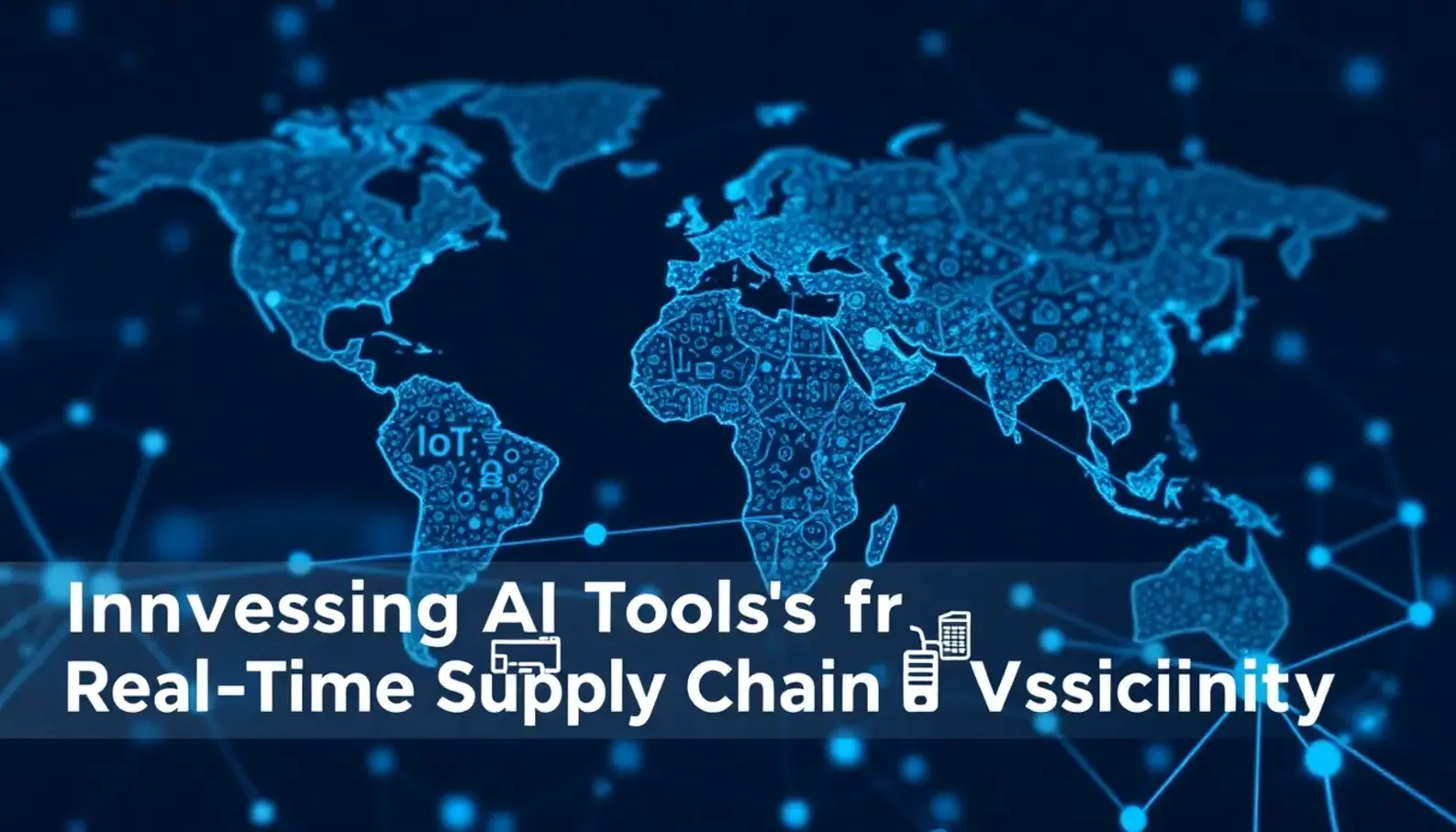
Real-time visibility in supply chains is increasingly critical for maintaining efficiency and competitiveness. Unearthing data insights as events unfold enables supply chain managers to respond promptly to unexpected disruptions, demand surges, or logistical bottlenecks. This is where Artificial Intelligence (AI) tools play a pivotal role. By leveraging advanced technologies like the Internet of Things (IoT), machine learning, and predictive analytics, businesses can transform the overwhelming amount of data into actionable insights, enhancing their operational decision-making capabilities.
IoT devices are revolutionizing supply chain visibility by providing a constant stream of data from physical assets. Sensors embedded in vehicles, warehouses, and manufacturing equipment relay real-time data to centralized systems, offering a panoramic view of every supply chain link. This vast information network helps monitor shipments’ location, environmental conditions, and status. For instance, IoT technology in transport fleet management can alert decision-makers about route deviations or potential delays, enabling proactive adjustments to prevent disruptions.
Machine learning, a subset of artificial intelligence, takes this data and identifies patterns that elude human analysis. These algorithms learn continuously, improving their predictions about future disruptions. With machine learning, supply chain managers can predict demand fluctuations, inventory shortages, or equipment failures before they occur. This foresight minimizes downtime and preemptively addresses issues that could escalate into major disruptions.
Predictive analytics is another critical component furthering supply chain visibility. By analyzing historical data coupled with real-time inputs, predictive models forecast future supply chain events. For example, a retailer could anticipate stock shortages during holiday seasons based on previous years’ sales data, adjusting orders and logistics accordingly. This predictive capability ensures that companies maintain product availability, improving both sales and customer satisfaction.
Case studies abound, illustrating how AI tools have successfully enhanced real-time supply chain visibility and operational efficiency. A notable example is a global beverage company that implemented predictive analytics tools to optimize distribution logistics. By analyzing real-time data on shipping routes and warehouse stock levels, the company reduced delivery times by 15% and decreased transportation costs by 8%, significantly boosting client satisfaction and brand loyalty.
In another instance, a leading logistics provider leveraged IoT and machine learning to monitor vehicle health in its fleet. The integration allowed the company to perform predictive maintenance, minimizing vehicle downtime and enhancing fleet reliability. The result was a 12% increase in fleet availability and a significant drop in unexpected repairs.
To achieve seamless real-time visibility, integrating various platforms remains key. Unified information flow ensures that data from IoT devices, machine learning systems, and predictive analytics tools converge seamlessly. This integration involves harmonizing data standards and implementing robust communication protocols across different technological ecosystems. The process may involve adopting open data standards and APIs that facilitate data sharing and interoperability across platforms, effectively creating an ‘information superhighway’ for supply chain management.
These steps towards real-time integration pave the way for a truly agile supply chain. Agility stems from the ability to respond swiftly to changes, a competence honed by the convergence of complex data streams into a singular, comprehensive narrative of supply chain operations. As AI tools continue to evolve, they offer unprecedented opportunities for companies to refine their supply chain strategies, improving overall efficiency, reducing costs, and enhancing customer satisfaction.
For further insights on AI applications in business growth, consider visiting this AI in Business Growth resource. It provides additional context on how AI can transform various business operations, complementing the insights shared here about supply chain efficiencies.
In conclusion, AI tools are transformative in empowering supply chain managers with the real-time insights necessary to maintain an edge in a competitive market. By harnessing IoT, machine learning, and predictive analytics, businesses can foster a responsive, adaptive approach to supply chain management, crucial for sustaining growth and satisfying ever-evolving customer needs.
Final words
AI is not merely an option but a necessity for achieving supply chain efficiency. Its ability to drive informed decision-making and provide real-time visibility empowers designers and analysts to create more agile, responsive, and cost-effective operations. By understanding not just the tools available, but also how to implement them effectively, businesses stand to thrive in the complex and ever-evolving marketplace.
Try Free Demo
Learn more: https://innoupdates.com
About us
We provide cutting-edge AI solutions tailored to enhance supply chain efficiency, offering tools for data-driven decision making, inventory optimization, and real-time visibility across operations. Our expertise ensures that designers and analysts can leverage technology to remain competitive in an ever-changing marketplace.