
Artificial Intelligence (AI) is reshaping various sectors, including supply chain management. By leveraging advanced algorithms and data analytics, companies can optimize processes, reduce waste, and promote sustainability. From predicting demand patterns to minimizing carbon footprints, AI offers tools that drive efficiency while supporting environmentally-friendly practices. In the context of supply chain sustainability, adopting AI not only leads to economic benefits but also aligns with global goals for a more sustainable future.
The Role of AI in Optimizing Supply Chain Operations

The integration of artificial intelligence (AI) into supply chain operations has heralded a new era of efficiency and sustainability. AI technologies have evolved from mere buzzwords to pivotal tools that consistently redefine supply chain processes. They offer novel solutions to age-old problems of waste, inefficiency, and ecological impact.
One of the primary ways AI optimizes supply chains is through predictive analytics. This methodology leverages historical data to anticipate future trends in demand, production, and logistics. By accurately forecasting demand, companies can avoid overproduction and reduce excess inventory, directly diminishing waste. A leading example is a global retail corporation that implemented AI-driven demand forecasting tools, resulting in a 20% reduction in waste and a 15% decrease in holding costs. Such precision not only bolsters financial performance but also promotes environmental sustainability by minimizing resource usage.
AI’s role extends to real-time transportation management, where machine learning algorithms continuously optimize delivery routes and schedules. Consider a logistics company using AI to monitor traffic conditions and predict potential delays. This system dynamically adjusts routes to mitigate delays, resulting in up to a 25% reduction in fuel consumption. This reduction translates to decreased greenhouse gas emissions, aligning with broader sustainability goals.
The incorporation of Internet of Things (IoT) devices in supply chain management further complements AI’s impact. IoT sensors collect granular data on asset conditions and environmental factors within the supply chain. For instance, a cold chain logistics firm employs IoT sensors to monitor temperatures in real time. An AI system analyzes this data to preemptively address potential refrigeration failures, ensuring that perishable goods remain within safe conditions. This approach dramatically decreases the chance of spoilage, thus reducing food waste.
Case studies also reflect AI’s profound influence on production optimization. A prominent electronics manufacturer utilized AI to streamline its assembly line operations. Machine learning algorithms identified inefficiencies and suggested procedural adjustments, leading to a 30% enhancement in production line efficiency. Such advancements resulted in decreased energy consumption and material waste, demonstrating AI’s capability to contribute meaningfully to sustainability.
Moreover, AI systems are improving supply chain transparency, which is critical for sustainable practices. Blockchain technologies integrated with AI offer immutable records of the entire supply journey. These records provide verifiable data on the origin, handling, and environmental impact of products. As a result, consumers can make informed decisions, fostering a market that values sustainability. This technology ensures transparency without compromising efficiency, encouraging responsible practices across industries.
The adoption of AI in reducing carbon footprints is further exemplified in automated inventory management. AI algorithms predict inventory requirements with high accuracy, minimizing surplus stock. A multinational corporation successfully implemented such systems, achieving a 25% reduction in inventory costs and a corresponding decrease in energy consumption associated with storage and logistics. By leveraging AI, the company supported its commitment to environmental sustainability, highlighting AI’s broad applicability in enhancing ecological outcomes.
AI technologies also contribute to enhancing worker productivity and safety, which indirectly influences sustainability. In manufacturing settings, AI-powered robots take on repetitive tasks, allowing human workers to focus on more strategic activities that require cognitive engagement. This shift decreases physical strain, lowers accident rates, and enhances overall operational efficiency. A case in point is a car manufacturing plant deploying autonomous robots equipped with AI, resulting in a safer workplace with fewer incidents and improved morale.
Despite these advancements, the implementation of AI in supply chains is not without challenges. Integrating AI demands significant investment in technology and training, which can be a barrier for smaller companies. Additionally, data security and privacy concerns must be addressed to gain the trust of stakeholders. Companies must adopt robust strategies to ensure ethical data handling and compliance with regulations.
Supply chains that intelligently employ AI are better equipped to meet sustainability targets while maintaining high efficiency levels. As these technologies continue to evolve, their role in crafting eco-friendly and efficient supply chains promises to expand, driving innovation and environmental stewardship across industries. For more insights into cutting-edge AI applications transforming business processes, you might explore AI in Business Growth, which outlines various strategies businesses use to leverage AI for enhanced performance and sustainability.
Innovative Solutions for Sustainable FMCG Supply Chains
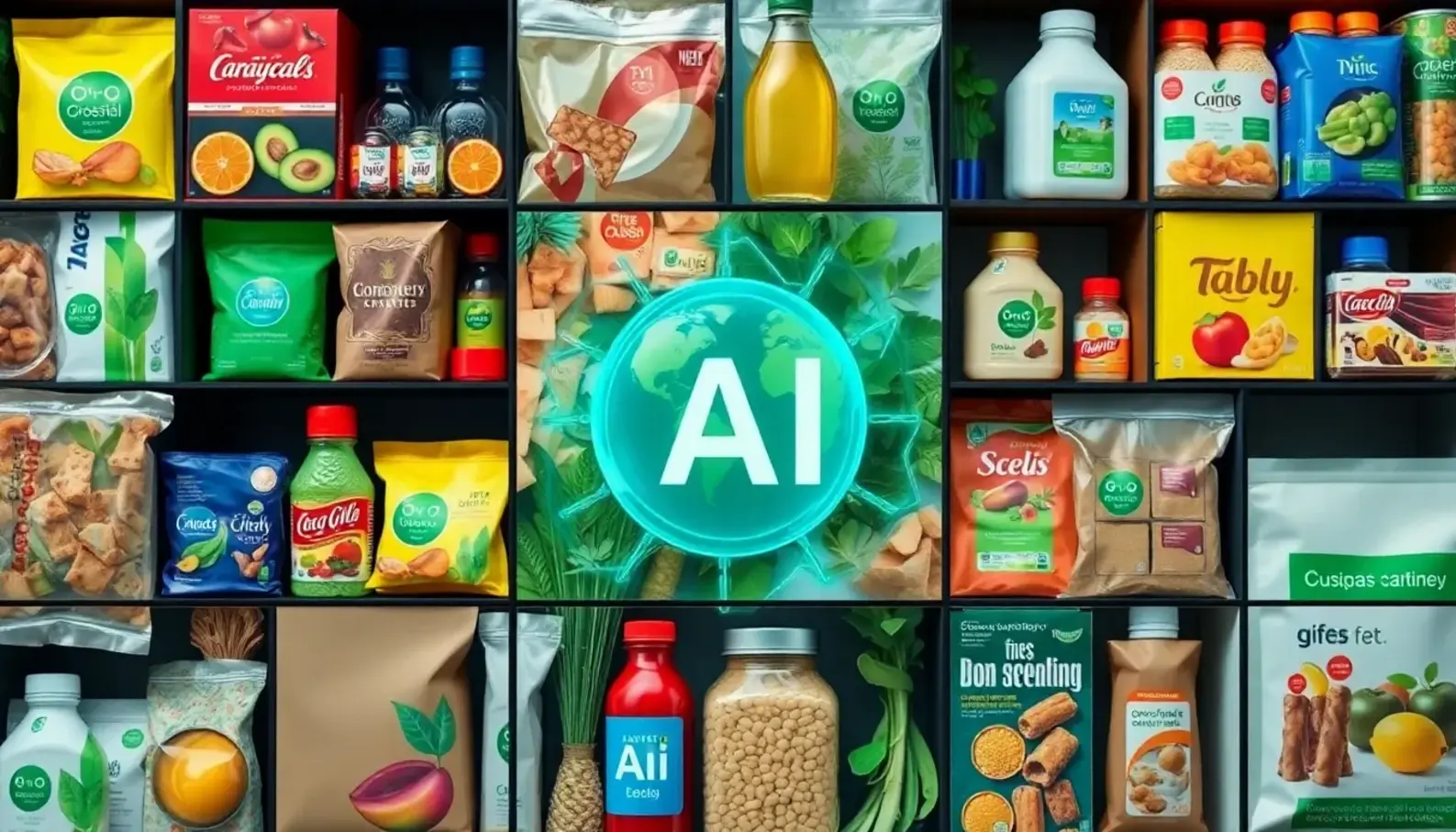
Within the Fast Moving Consumer Goods (FMCG) sector, innovative AI applications are being explored to promote sustainable supply chains. Leveraging big data and smart algorithms, companies reduce waste, source responsibly, and optimize logistics, contributing significantly to environmental objectives.
One case study illustrates how a major FMCG player used AI to minimize waste by predicting product demand. Traditional forecasting methods often result in overproduction, leading to excess inventory and increased waste. By integrating machine learning models that analyze sales patterns, consumer behavior, and external factors like weather, the company accurately adjusted production schedules. This nuanced approach led to a sharp decrease in overproduction, directly reducing landfill contributions.
AI-driven strategies also facilitate responsible sourcing, a critical component in FMCG supply chain sustainability. A specific implementation involved AI tools that assess supplier sustainability credentials. Complex algorithms evaluate diverse metrics, such as carbon footprints and ethical labor practices. With these insights, companies select suppliers aligned with their sustainability goals. This system ensures that every link in the supply chain meets or exceeds environmental and ethical standards.
Enhanced logistics present another opportunity for AI to bolster sustainability in FMCG. By integrating AI into logistics, companies optimize routing and load capacities, reducing fuel consumption and emissions. AI systems analyze traffic patterns, weather conditions, and vehicle health to recommend the most efficient routes. Consequently, logistics operations become leaner and greener, reflecting significant progress toward sustainability goals.
Evaluating the future outlook, the scalability of these AI-driven solutions promises broader industry changes. As more FMCG companies adopt AI, a ripple effect encourages higher sustainability standards across the sector. Enhanced AI models will refine existing strategies, expanding their benefits beyond environmental gains. As a result, companies stand to gain economically through cost reductions and brand reputation improvements.
Beyond these examples, the convergence of AI and the Internet of Things (IoT) may yield further advancements in supply chain efficiency and sustainability. IoT sensors provide real-time data, feeding AI models to perform predictive maintenance on machinery and vehicles. This development could lessen unexpected downtimes and extend equipment lifespans, slashing energy consumption and waste.
AI democratizes access to sustainability insights, prompting small FMCG firms to implement changes previously feasible only for larger corporations. Platforms with AI capabilities become more affordable, enabling widespread adoption that collectively advances industry sustainability metrics.
This transformation aligns with a growing consumer demand for environmentally conscious products. As awareness rises, consumers favor brands with verified sustainability credentials. Therefore, companies investing in AI for sustainable supply chains not only contribute to environmental health but also enhance their market competitiveness.
Linking back to broader technological innovations, industries are exploring emerging technologies such as autonomous drones in logistics. The potential integration of autonomous drones within FMCG logistics suggests further sustainability benefits, emphasizing the nuance of embracing multiple technologies strategically. For an exploration of this intersection, see the insights on autonomous drones logistics, which further contextualize the evolving landscape of supply chain optimization.
In conclusion, the FMCG sector’s embrace of AI for supply chain sustainability manifests through numerous successful case studies. By optimizing waste reduction, responsible sourcing, and enhanced logistics, companies pave the way for industry-wide transformation. These advances underscore a future of elevated sustainability standards, driven by continuous AI innovation.
Final words
The intersection of AI and supply chain sustainability opens up numerous avenues for innovation and efficiency. As organizations harness these technologies, they pave the way for greener operations that not only benefit their bottom line but also contribute to global sustainability goals. The future of supply chain management lies in leveraging AI for responsible practices and eco-friendly solutions.
Start Free Trial
Learn more: https://innoupdates.com
About us
Our company specializes in providing cutting-edge AI solutions to optimize supply chains for sustainability. With data-driven insights, we help organizations reduce waste, improve efficiency, and adhere to eco-friendly practices. By leveraging our expertise, companies can transform their supply chains into models of sustainability and resilience.