
The integration of Artificial Intelligence (AI) into supply chain research is not merely an enhancement; it’s the catalyst for redefining the field. As technology advances, the complexities of supply chains increase, demanding innovative solutions. AI emerges as a transformative force, offering predictive analytics, real-time data processing, and enhanced decision-making capabilities. How do we leverage this technological marvel to optimize efficiency and drive sustainability? This journey through AI’s role in supply chain research unravels the extensive landscapes where cutting-edge data science meets operational excellence.
Chapter 1: The Dawn of AI in Supply Chains
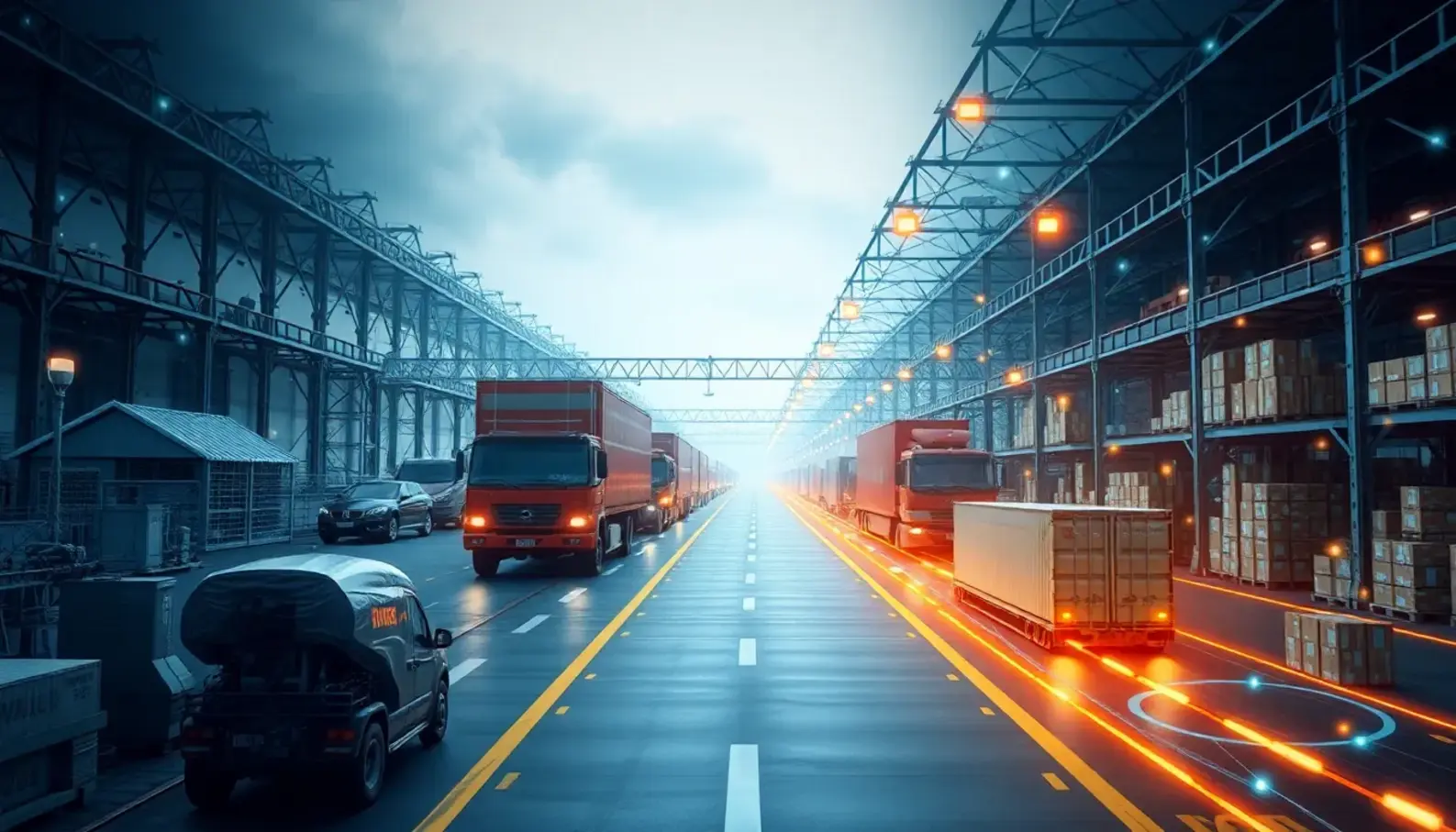
The historical journey of supply chain management is a narrative of constant evolution, marked by incremental innovations aimed at efficiency and precision. Traditionally, supply chains were organized through manual methods, often reliant on human expertise and intuition. The primary tools were paper-based records, telephone communication, and rudimentary electronic databases. Managerial decisions were largely based on historical data, forecasting, and experience-driven instincts. Such methods, while effective in less complex environments, began to falter under the increasing pressure of globalization and growing customer expectations.
The gradual introduction of IT systems in the late 20th century marked a significant transformation. Enterprise Resource Planning (ERP) systems began to automate processes, providing a level of integration previously unattainable. However, these systems required extensive customization and offered little in the way of predictive capabilities. As the digital age progressed, the need for more responsive and data-driven supply chains became apparent, providing fertile ground for the introduction of artificial intelligence.
The initial wave of AI in supply chains was met with skepticism. Early adopters were primarily tech-savvy industries such as telecommunications and consumer electronics, where staying at the cutting edge was crucial for competitive advantage. These companies began experimenting with AI to optimize logistics, enhance demand forecasting, and improve inventory management. Despite the potential, the technology was in its infancy, facing several challenges.
One major obstacle was the quality and availability of data. Supply chains generate vast amounts of data daily, but integrating and making sense of this information was daunting. Much of it existed in silos, stored across disparate systems. Additionally, data quality issues, such as inaccuracies and inconsistencies, hampered the effectiveness of AI algorithms. It became essential to establish robust data governance frameworks to tackle these issues, ensuring data accuracy, completeness, and security.
As AI technology matured, so did its computational capacity. Advances in processing power and the advent of cloud computing paved the way for handling large data sets. Foundational technologies like machine learning, natural language processing, and predictive analytics began to reveal their potential in supply chain contexts. Machine learning models, for instance, could identify patterns and anomalies in data sets too complex for manual analysis, providing insights that were previously unattainable.
Real-world examples highlight this transformation. In logistics, AI-driven systems started optimizing delivery routes by considering real-time traffic data, leading to significant reductions in transportation costs and environmental impact. Similarly, in warehousing, AI-enhanced robots and automation systems began to revolutionize inventory management, increasing accuracy and reducing the dependency on manual labor.
The integration of AI in supply chain processes emphasized the crucial role of data. It shifted data from being a mere byproduct of business operations to a strategic asset driving decision-making. This transformation elevated the importance of data collection, processing, and analysis, turning them into critical components of any supply chain strategy.
AI’s impact on demand forecasting demonstrates this shift. Traditional forecasting methods often struggled with the volatility and variability inherent in modern markets. By utilizing AI, companies could analyze vast amounts of data from multiple sources, such as sales figures, customer feedback, and market trends. This allowed the creation of more accurate and dynamic forecasts, reducing inefficiencies and helping businesses better meet customer demands.
Moreover, AI has played an integral role in risk management within supply chains. Predictive analytics alerted managers to potential disruptions, whether due to political events, natural disasters, or supplier issues. By anticipating such risks, companies could devise contingency plans, minimizing their impact and ensuring continuity.
This era of AI integration represents a paradigm shift in supply chain management, highlighting the need for constant innovation and adaptation. As AI technologies develop, their applications will expand, creating new opportunities and challenges within the industry. For those interested in exploring further connections between AI and various sectors, such as logistics and finance, articles like autonomous drones in logistics provide valuable insights.
In essence, the dawn of AI in supply chains marks the beginning of an era where data-driven insights and automated solutions redefine how businesses operate. As technology advances, so too will the possibilities it offers, transforming supply chains into smarter, more efficient systems capable of navigating the complexities of a global market.
Chapter 2: AI Technologies Powering Supply Chain Optimization

Artificial Intelligence is reshaping supply chain management by introducing innovative technologies that enhance decision-making capabilities, increase efficiency, and significantly reduce operational costs. Core AI technologies include machine learning, predictive analytics, and natural language processing. Each plays a vital role in optimizing logistics and supply chain operations.
Machine learning, a subset of AI, enables systems to learn from data and improve over time without explicit programming. In supply chains, it assists in demand forecasting by analyzing historical sales data and identifying patterns. This capability helps companies predict future demand more accurately, reducing instances of overstocking or stockouts.
A case in point is a global retail chain that integrated machine learning algorithms into its inventory management system. The company used historical sales, seasonality, and promotional data to predict demand across various regions. This integration reduced excess inventory by 30%, translating to significant cost savings and improved cash flow.
Predictive analytics is another transformative technology. It builds on insights gained from machine learning, employing statistical algorithms and machine learning techniques to identify future outcomes based on historical data. Predictive analytics enhances decision-making in areas such as demand planning, risk assessment, and maintenance scheduling.
For instance, a leading logistics provider implemented predictive analytics to streamline its maintenance schedule. By predicting equipment failures before they occurred, the company minimized downtime and reduced maintenance costs by 20%. This proactive approach ensured a smoother supply chain operation, contributing to higher service levels and increased customer satisfaction.
Natural language processing (NLP) brings a unique advantage by enabling computers to understand, interpret, and respond to human language. In supply chains, NLP powers chatbots and virtual assistants that can handle customer inquiries, process orders, and manage delivery schedules. This automation frees human resources from routine tasks, allowing them to focus on more strategic initiatives.
A multinational manufacturer successfully deployed NLP-enhanced chatbots for customer service operations. These chatbots could accurately understand customer queries and provide instant solutions or escalate issues if necessary. The result was a faster response time, reducing customer wait times by 50% and boosting customer satisfaction scores significantly.
The integration of these AI technologies into existing supply chain systems yields a synergy that amplifies overall performance. The seamless exchange of information between AI tools and traditional systems enriches data accuracy, enhances decision-making capabilities, and enables more agile operations. This interconnected approach allows companies to respond swiftly to market changes and customer demands.
An industry leader in fast-moving consumer goods demonstrates the benefits of such integration. By embedding AI technologies into their supply chain operations, the company achieved a 25% reduction in logistics costs and a 15% improvement in order fulfillment times. Customers noticed the difference as product availability improved, leading to stronger brand loyalty and increased market share.
Integrating AI into a supply chain also requires addressing challenges. Organizations must ensure that their infrastructure supports advanced technologies and that data security protocols are in place to protect sensitive information. Additionally, teams must receive adequate training to adapt to these new tools and maximize their potential.
The successful implementation of AI in supply chains not only enhances operational efficiency but also transforms customer interactions, leading to a more responsive and customer-centered approach. By leveraging AI, companies not only optimize their operations but also gain a competitive edge in a rapidly evolving market.
For further insights into leveraging AI across various sectors, consider exploring discussions on AI in business growth. These resources offer a broader perspective on the strategic integration of AI technologies in enhancing operational capabilities and driving growth.
Chapter 3: The Future of Supply Chains with AI
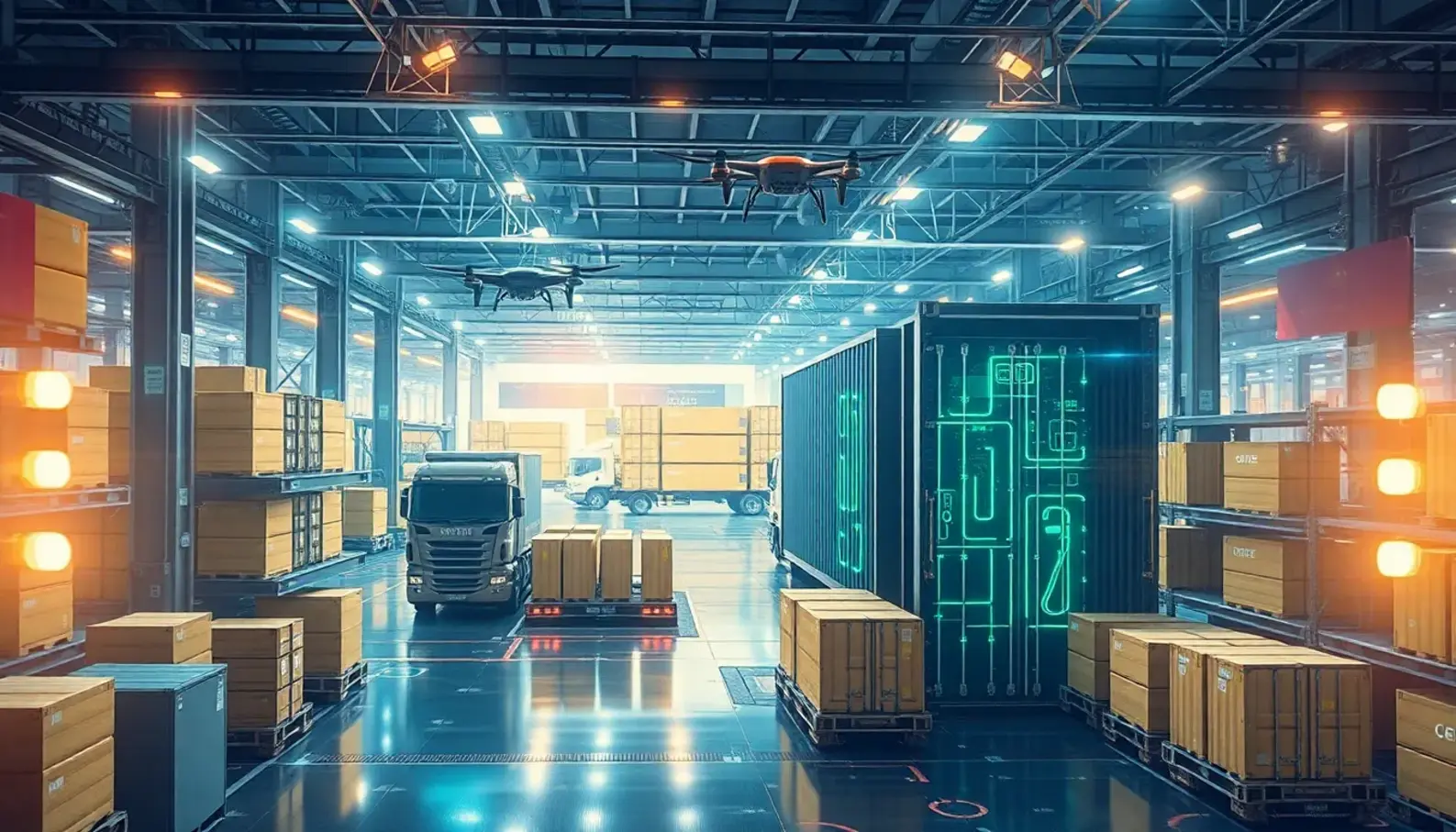
As artificial intelligence continues to evolve, its influence on supply chains will be profound and multifaceted. Autonomous delivery systems are poised to become ubiquitous, marking a paradigm shift in logistics. By leveraging machine learning algorithms, these systems can optimize routes in real-time, significantly reducing delivery times and operational costs. Imagine fleets of self-driving trucks and drones that can transport goods efficiently, reducing the reliance on human labor and the potential for error.
While these technologies promise enhanced efficiency, they also raise concerns about job displacement. It’s crucial to foster a balanced approach, ensuring that while automation takes over repetitive tasks, new opportunities are created for human workers in fields requiring critical thinking and creativity.
Blockchain integration is set to transform supply chain transparency. By providing an immutable ledger of transactions, blockchain enhances traceability and accountability, allowing consumers and businesses alike to track the journey of goods from origin to destination. This fosters trust and enables more robust ethical sourcing practices. With blockchains, verifying the origin of raw materials becomes straightforward, promoting sustainable practices and ensuring that unethical labor practices are curtailed.
Sustainability efforts will also see a substantial boost through AI-driven insights. Predictive analytics can forecast demand more accurately, minimizing overproduction and waste. AI can also optimize energy usage across logistics networks, reducing the carbon footprint of supply chains. The integration of AI in energy management systems thus allows for smarter resource allocation, contributing to a more sustainable future.
The use of AI in supply chains undeniably enhances resilience against disruptions. Predictive models can assess potential risk factors like weather events or geopolitical tensions, enabling preemptive measures to mitigate impacts. This predictive capability ensures that supply disruptions don’t translate into catastrophic losses for businesses, allowing for a more stable operational environment.
While AI offers numerous advantages, it is essential to maintain human oversight. Algorithms must be meticulously supervised to prevent biased decision-making or ethical lapses. A culture of continuous learning and adaptation should be promoted within organizations to ensure AI systems evolve with the needs of the human workforce. Organizations need to cultivate a mindset that embraces AI as a tool that complements human capabilities rather than replaces them.
The reliance on AI raises potential ethical considerations that cannot be overlooked. Privacy concerns, particularly with blockchain and data analytics, must be addressed. Ensuring compliance with data protection regulations and fostering transparency about data usage are vital. Companies must prioritize ethical stewardship as they integrate AI into their operations.
In navigating the future of AI-enhanced supply chains, businesses should adopt a strategic approach that includes robust scenario planning and agile methodologies. Embracing tools that facilitate quick adaptation to emerging technologies will be crucial. The shift towards AI-driven supply chains should not solely focus on technology but also on fostering innovation within the workforce, preparing workers for roles that require empathy and judgment—traits AI cannot replicate.
In conclusion, as AI continues to reshape supply chains, its potential to revolutionize this critical sector is undeniable. By integrating technologies like autonomous delivery, blockchain, and predictive analytics, supply chains can achieve efficiencies and resiliency unimagined in the past. However, this technological transformation must be mirrored with a commitment to ethical practices and human engagement, ensuring AI serves as an ally in creating a more sustainable and equitable future.
For further insights into how AI is transforming logistics, autonomous drones are one area making significant strides. Explore more about this fascinating development here.
Final words
AI’s integration into supply chain research is reshaping industries, paving the way for unparalleled efficiency and sustainability. By embracing these technologies, organizations not only enhance operational capabilities but also prepare for the future demands of a rapidly evolving market. The road ahead requires adaptability and a forward-thinking mindset, enabling businesses to capitalize on the potential of AI. The commitment to innovation will ultimately determine success in the dynamic world of supply chain management.
Access Case Study
Learn more: http://innoupdates.com
About us
Our company specializes in providing advanced analytics and AI-driven technologies tailored for supply chain optimization. We empower organizations to leverage data and AI insights for strategic decision-making, increasing operational efficiency and driving sustainable practices. With a team of experts committed to continuous innovation, we offer customized solutions that address unique supply chain challenges and foster growth.