
The global supply chain landscape has become increasingly complex and vulnerable to disruptions. Supply chain risk management is critical in safeguarding organizations from operational setbacks. With the rapid advancement of artificial intelligence (AI), businesses can leverage predictive analytics, real-time monitoring, and automation to fortify their supply chain against unforeseen risks. The intersection of AI and supply chain risk management presents an opportunity for policy makers and CFOs to enhance operational resilience and efficiency.
Understanding Supply Chain Risks in a Global Context
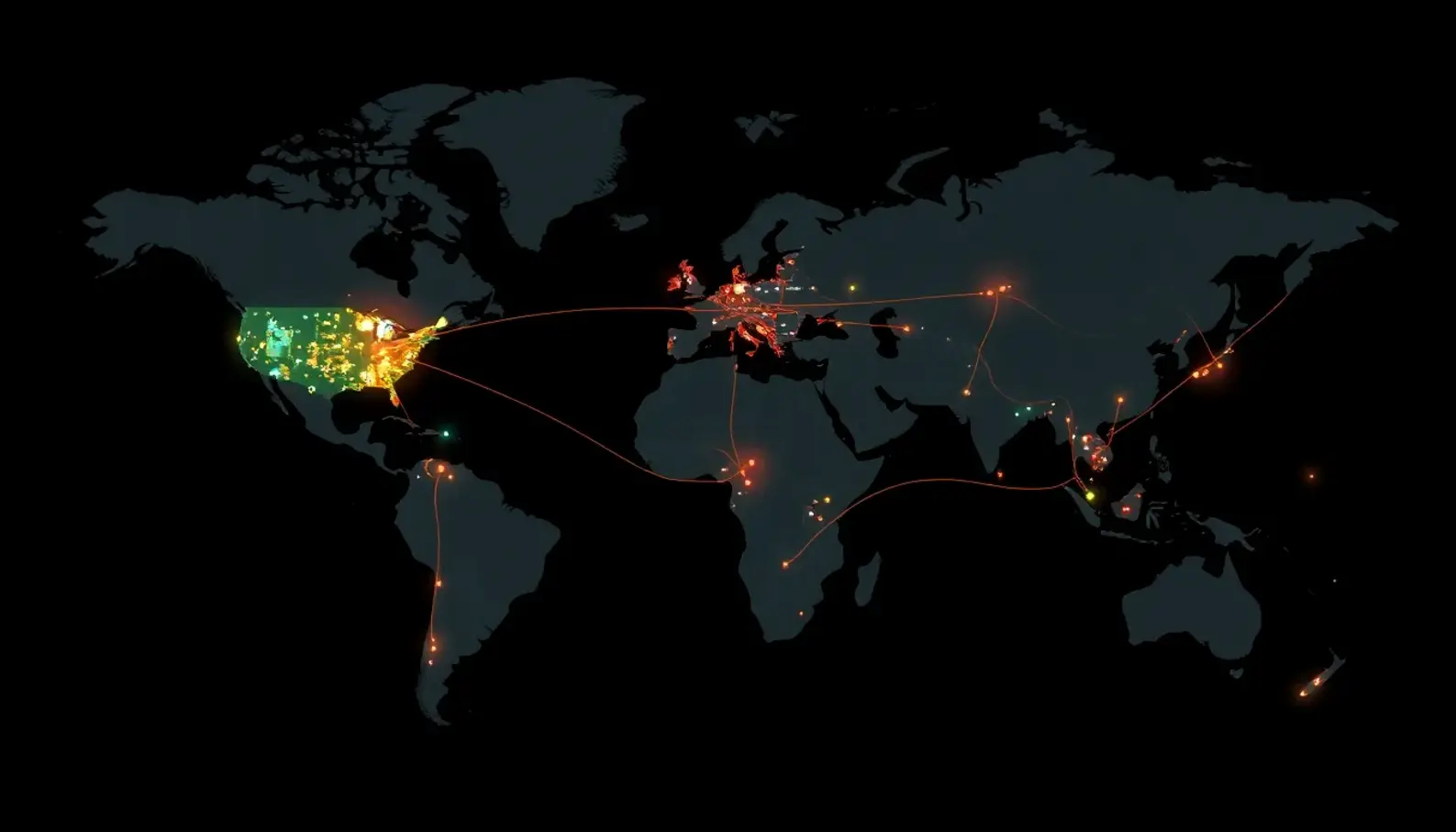
Global supply chains today are intricate networks susceptible to a variety of risks. These risks can broadly be classified into traditional and emerging categories, both posing significant challenges to decision-makers.
Geopolitical Uncertainties
Political instability, changing trade policies, and economic sanctions form the crux of geopolitical risks. These factors can disrupt raw material supply, alter demand patterns, and impact shipping routes. For instance, trade tensions between major economies can result in unforeseen tariffs, compelling companies to adjust their logistics and sourcing strategies. Geopolitical shifts necessitate agile decision-making and strategic partnerships to mitigate potential disruptions.
Economic Fluctuations
Economic downturns, inflation, and exchange rate volatility lead to critical supply chain vulnerabilities. Companies may face increased costs, lower consumer demand, or disruptions in supplier reliability due to economic instability. Organizations must engage in robust financial forecasting and develop cost-mitigation strategies to better navigate these economic challenges.
Cyber Threats
As supply chains become increasingly digitalized, cyber threats emerge as significant risks impacting operational continuity. Hacking, data breaches, and malware can cause severe interruptions, compromising sensitive data and affecting customer trust. Enhancing cybersecurity protocols and investing in regular audits are paramount to safeguard supply chain operations from such threats.
Correlating Risks with Technological Reliance
The rise in technology adoption correlates with both the mitigation and emergence of new risks. On one hand, advanced monitoring systems and predictive analytics allow for improved risk assessment and management. On the other, increased digitalization exposes supply chains to cyber threats. Thus, the dependency on technology necessitates a balanced approach, integrating both technological advancements and traditional risk management methods.
Natural Disasters and Climate Change
With climate change intensifying natural disasters, supply chains are more prone to disruptions. Hurricanes, floods, and earthquakes can severely impact infrastructure and logistics. Companies are now integrating sustainability practices and geographic diversification to mitigate these risks, ensuring resilience in their supply chain design.
Supplier Risk
The global reliance on extended supplier networks introduces potential risks in terms of quality and compliance. Supplier defaults, non-compliance with local regulations, or ethical concerns can harm reputational and operational standing. Continuous supplier evaluation and strategic supplier development initiatives can mitigate such risks effectively.
Social and Ethical Risks
Human rights concerns and ethical sourcing have become pivotal in global supply management. Labor violations and unethical sourcing practices pose reputational risks and can lead to regulatory scrutiny. Companies are facing increasing pressure to transparency and ethical compliance throughout their supply chains.
Technological Integration and AI
Integrating AI into supply chain risk management offers transformative potential in mitigating these diverse risks. AI can enhance predictive modeling, provide deeper insights into risk patterns, and streamline risk response strategies. AI’s application into logistics and operations management ensures smarter decision-making, agility, and resilience.
In light of these complexities, decision-makers must craft robust strategies for risk assessment and management. The challenge lies not only in identifying and understanding these risks but also in leveraging AI solutions to navigate and mitigate them effectively. A systematic approach enables a proactive, rather than reactive, stance in managing global supply chain risks. For further insights on AI’s role in business, AI in Business Growth provides in-depth analysis and strategies relevant to this discussion.
AI-Driven Solutions for Proactive Risk Assessment

Artificial Intelligence stands poised as a transformative force in supply chain management, particularly in risk assessment. With the globalization of supply chains, vulnerabilities are inevitable. However, AI technologies such as machine learning, big data analytics, and predictive modeling provide groundbreaking tools to anticipate these challenges. Through intelligent data analysis, these technologies can identify patterns and anomalies, enabling decision-makers to mitigate risks effectively.
Machine learning, at its core, excels by recognizing and learning from complex patterns within vast data sets. Supply chain networks generate immense volumes of data daily, encompassing everything from transport logistics to supplier inconsistencies. By employing machine learning algorithms, businesses can analyze this data in real-time. These systems not only assess past behaviors but also predict future disruptions with high accuracy.
Consider a case study in which a major retailer implemented a predictive modeling system to anticipate supply chain bottlenecks. The AI system analyzed historical shipment data correlated with external factors such as weather patterns and geopolitical shifts. The results were profound: the retailer reduced delays by 20% and adjusted inventory levels preemptively, ensuring greater customer satisfaction. Such implementations exemplify how predictive modeling empowers proactive risk management.
Big data analytics further enhances supply chain resilience. Yet, harnessing its potential requires more than just data collection. It demands the integration of real-time data streams from varied sources such as IoT devices, customer feedback, and social media insights. By leveraging this interconnected data, AI systems can provide a holistic view of the supply chain’s health.
In one instance, a global logistics firm integrated IoT sensors to monitor goods in transit. Analytics combined with machine learning predicted potential spoilage risks due to temperature fluctuations. As a result, real-time alerts triggered contingency protocols, mitigating losses and ensuring quality assurance. This fusion of big data and AI showcases a seamlessly reactive supply chain system.
The ability of AI systems to recommend remedial actions is pivotal. It’s not merely about identifying risk but acting upon it. Through AI-driven simulations, businesses can test potential disruption scenarios and evaluate the effectiveness of their response strategies. This is crucial for CFOs aiming to allocate resources efficiently and minimize financial exposure.
Adopting AI in supply chain risk management, however, necessitates collaboration. Policymakers and CFOs must work alongside technology providers to establish frameworks fostering data sharing and transparency. This aligns stakeholders toward a unified goal of enhanced risk detection. Fostering a culture of collaboration ensures that AI implementations are not viewed in isolation but as part of an integrated risk management strategy.
Real-time data integration across the supply chain is the linchpin of effective AI deployment. It enhances visibility, allowing for dynamic forecasting and agile response. Ensuring robust communication channels between suppliers and logistics partners is essential. This individualized data exchange maximizes AI’s potential, transforming it from an analytical tool to an interactive supply chain partner.
Moreover, fostering partnerships beyond traditional boundaries can yield unforeseen innovations. For instance, combining AI insights from different industry sectors can lead to novel strategies in addressing shared risks. Policymakers can spearhead initiatives to facilitate such cross-industry exchanges, reinforcing the supply chain’s backbone. For further insights on AI’s broader impact on business strategies, the AI in Business Growth article provides an expansive view.
In summary, AI-driven solutions promise a revolutionary shift in how supply chains preempt and manage risk. By leveraging predictive analytics and real-time data integration, businesses can not only foresee disruptions but respond to them with unprecedented agility. For CFOs and policymakers, the roadmap to AI adoption involves crafting a strategic framework that encourages stakeholder collaboration and continuous innovation. This approach will harness AI’s capabilities effectively, ensuring supply chain resilience amid global complexities.
Building Resilience: Integrating AI into Supply Chain Operations
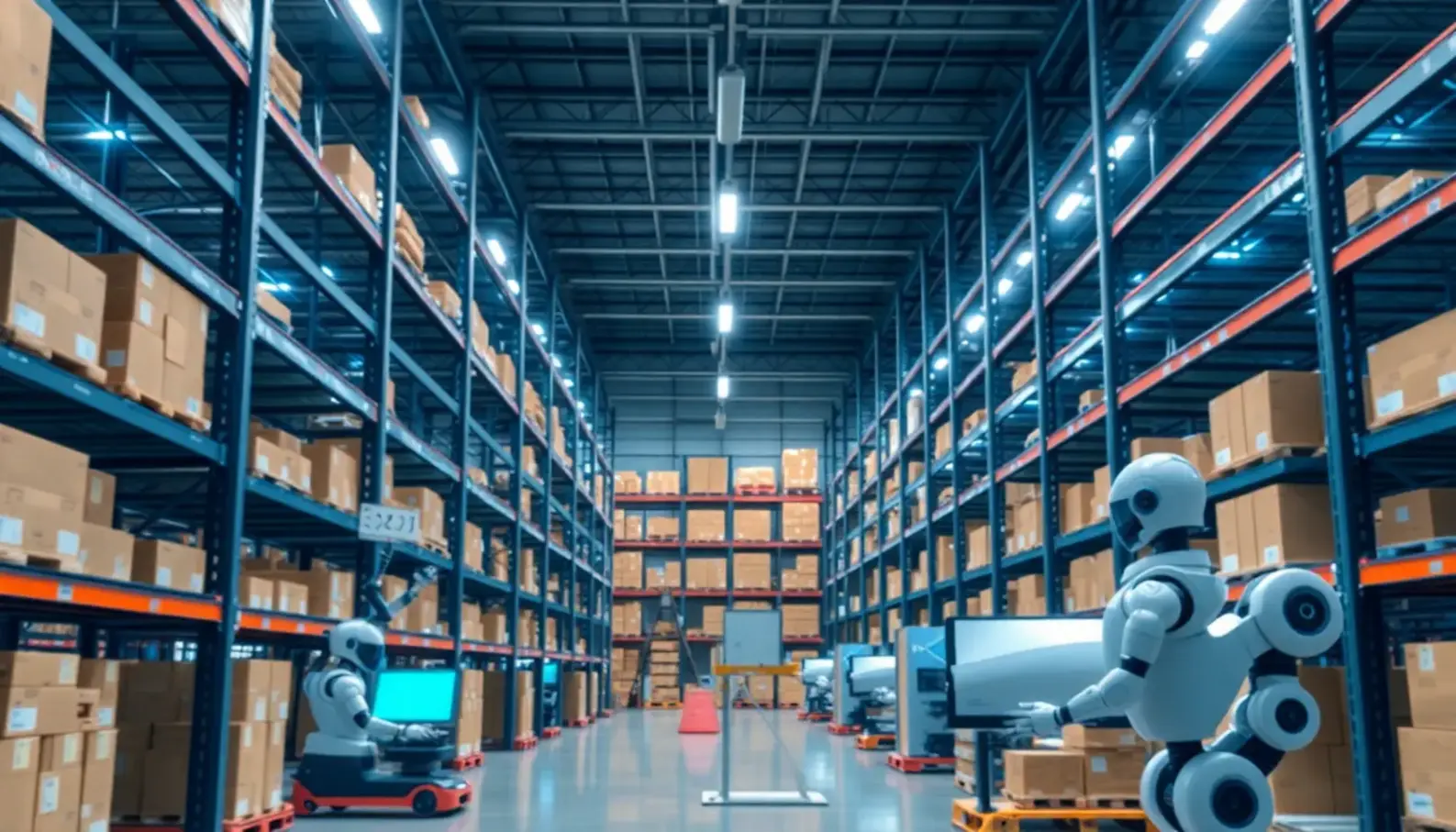
AI is transforming supply chain operations by offering tools that enhance both efficiency and resilience. By automating repetitive processes, AI reduces human error, minimizes operational costs, and accelerates decision-making. This automation allows supply chain professionals to focus on strategic tasks that require human intuition and creativity.
Inventory management, traditionally prone to guesswork and inconsistency, benefits immensely from AI integration. AI algorithms can predict demand patterns with pinpoint accuracy by analyzing historical data alongside real-time factors such as market trends and consumer behavior. These insights permit businesses to maintain optimal inventory levels, preventing both overstocking and stockouts. This capability is especially critical in volatile markets where demand can shift rapidly.
Supplier relationship management is another critical dimension where AI plays an invaluable role. By continuously monitoring supplier performance through AI, businesses can identify potential risks early, negotiate better terms, and develop stronger partnerships. AI-equipped systems can also evaluate supplier reliability by assessing data from diverse sources, including past performance, financial stability, and geopolitical factors. This enables companies to proactively manage supplier risks and mitigate potential disruptions.
Technology’s role in supply chains is ever-expanding. AI can process enormous datasets beyond human capability, identifying patterns and anomalies that can lead to operational improvements. By leveraging machine learning, AI systems continue to evolve, learning from new data inputs to optimize processes over time. This adaptability is a key factor in building a resilient supply chain that can withstand unexpected disruptions, such as natural disasters or geopolitical events.
Despite these advantages, integrating AI into supply chain operations is not without challenges. Policy makers and CFOs must address key issues like data privacy, the ethical use of AI, and cybersecurity. Organizations need to ensure that their AI systems comply with regulatory requirements, protecting sensitive data from potential breaches.
Investment is essential for successful AI integration. Organizations should allocate resources towards updating infrastructure, obtaining skilled personnel, and continuous training. This ensures that the AI systems remain effective and that the workforce can use AI tools proficiently. The shift towards technological resilience also necessitates collaboration between public and private sectors to foster innovation and facilitate smooth transitions.
The strategic approach to harness AI focuses on its potential to simplify complex supply chain operations. By carefully planning investments and addressing policy implications, organizations can leverage AI to not only enhance supply chain resilience but also drive overall business growth. For further insight into AI’s role in business expansion strategies, visit this article.
Final words
As AI continues to evolve, its integration into supply chain risk management offers substantial advantages to organizations. By harnessing the power of AI, policy makers and CFOs can strengthen risk assessments, improve resilience, and streamline operations, ultimately paving the way for a more agile and responsive supply chain framework.
Download Insights
Learn more: https://innoupdates.com
About us
Our organization specializes in providing cutting-edge AI solutions that enhance supply chain risk management for businesses. Our offerings include advanced predictive analytics, real-time data integration tools, and automation solutions tailored to address the complexities of modern supply chains. By partnering with us, companies can ensure their supply chains are robust, adaptive, and prepared for uncertainties.