As supply chains grow increasingly complex, the security risks multiply. Supply chain security isn’t just a box to check; it’s a fundamental pillar that supports business sustainability. In an era marked by cyber threats, geopolitical tensions, and unexpected disruptions, the need for robust security mechanisms is more pressing than ever. Integrating artificial intelligence (AI) into supply chain security can amplify your organization’s resilience and adaptability. By leveraging AI technologies, CEOs and clinicians alike can safeguard their operations and enhance decision-making, ensuring the supply chain is capable of weathering any storm. This journey through the intersection of AI and supply chain security will uncover actionable insights tailored to your leadership role.
Understanding Vulnerabilities: The Landscape of Supply Chain Threats
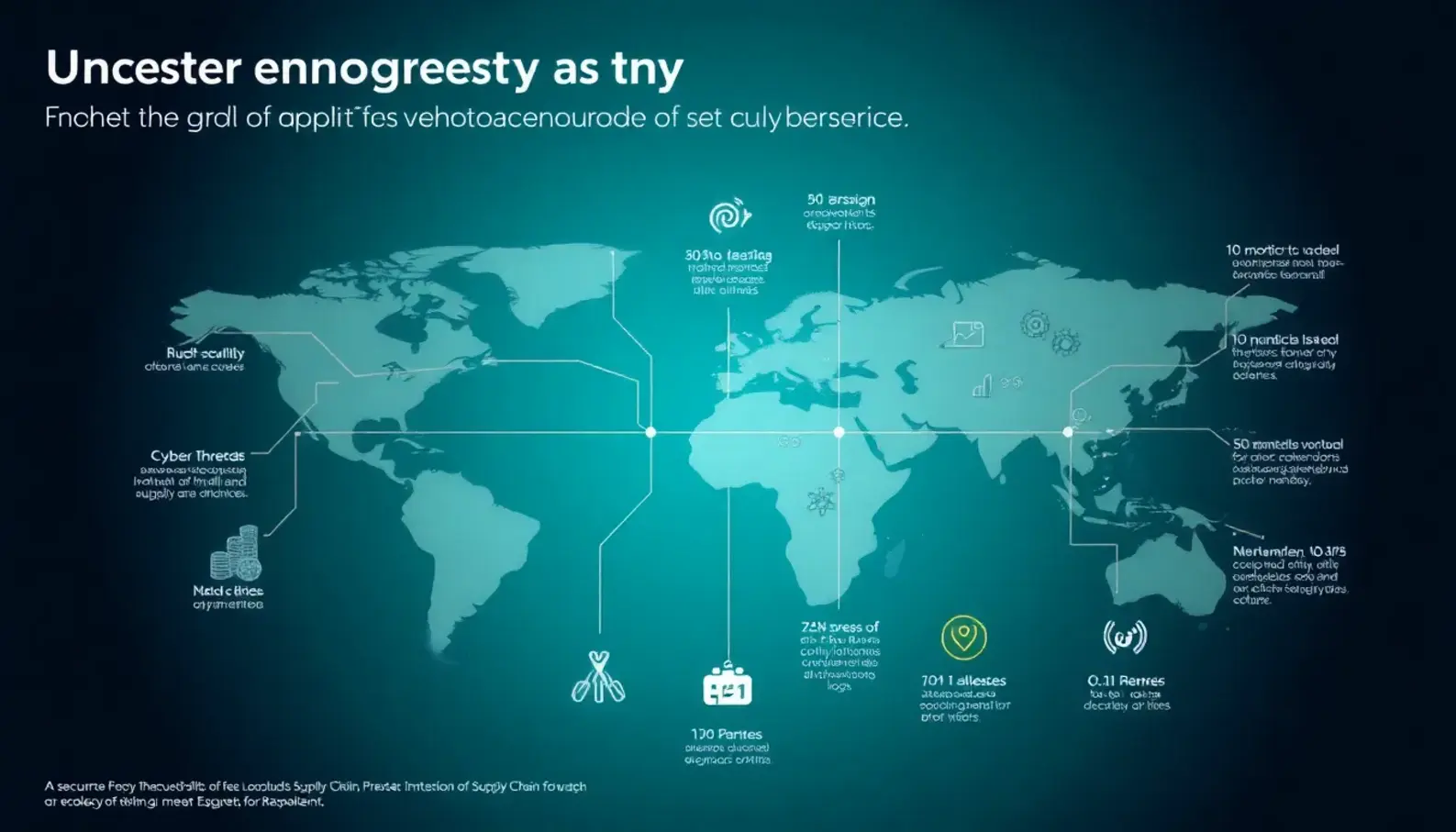
Modern supply chains are increasingly complex, often spanning multiple countries and relying on a network of partners and technologies. This complexity introduces numerous vulnerabilities that can disrupt operations. For organizations aiming to leverage AI in fortifying their supply chain resilience, understanding these vulnerabilities is crucial.
Firstly, let’s examine cyberattacks, which pose significant threats to supply chains. Cybercriminals target various points along the supply chain, seeking to exploit weaknesses in information systems. A common tactic is ransomware, where attackers encrypt sensitive data and demand payment for its release. Shipping manifests, production schedules, and inventory data are often held hostage, delaying processes and causing financial loss. The interconnectivity of supply chain systems means a breach in one area can ripple through the entire network, amplifying its impact.
Additionally, phishing attacks aimed at employees can provide cybercriminals with entry points into supply chain systems. Once inside, these attackers may manipulate data or commandeer operations. As digitalization advances, the attack surfaces increase, necessitating robust cybersecurity measures and training to safeguard against these threats.
Beyond cyber threats, the impact of natural disasters cannot be overlooked. Earthquakes, hurricanes, and floods can devastate production facilities and transportation routes, causing significant disruptions. For instance, a major supplier’s warehouse impacted by a natural disaster can halt production lines far removed geographically. AI can play a pivotal role here by predicting potential disruptions and optimizing routes based on current environmental conditions, thereby minimizing risk and maintaining supply chain fluidity.
Geopolitical tensions further contribute to the vulnerability of supply chains. Tariffs, trade embargoes, and political instability can severely impact the availability of goods and raw materials. Recent examples include trade wars that have disrupted previously stable supply channels. Organizations must remain adaptable, capable of quickly shifting suppliers or routes in response to changing political landscapes.
In addition, subpar partners present significant risks within supply chains. A single supplier’s failure to comply with quality standards can lead to widespread issues. In some cases, partners may not invest adequately in their own cybersecurity measures, indirectly exposing the entire supply chain to possible breaches. AI can help in evaluating partner reliability and performance, analyzing data patterns to foresee potential threats and recommending alternate partnerships where necessary.
The acceleration of just-in-time manufacturing practices, while beneficial for reducing inventory costs, has also increased the potential for disruptions. These systems rely on precise timing and coordination; any delay or error can cause cascading failures across the network. AI-driven simulations can stress-test these systems under various conditions, allowing organizations to develop contingency strategies before disruptions occur.
Moreover, the rise of counterfeit goods infiltrating supply chains poses risks to brand reputation and consumer safety. AI technologies, such as machine learning and blockchain, can be employed to authenticate products at various stages of the supply chain, ensuring that counterfeit products do not reach consumers.
Finally, supply chain vulnerabilities extend to environmental and sustainability pressures. Increasing demands for environmentally-friendly practices mean that organizations must adapt to new regulations and public expectations. Supply chains that fail to comply may face legal penalties and reputational damage. AI can aid in monitoring and optimizing resource use, achieving sustainability targets, and ensuring compliance with regulations.
Understanding these vulnerabilities enables CEOs and decision-makers to strategically deploy AI in enhancing supply chain resilience. By identifying and addressing these threats proactively, organizations can safeguard their operations, ensuring a seamless and secure supply chain flow. For more insights on AI-driven business strategies, explore this AI in Business Growth article to deepen your understanding of AI’s impact on organizational resilience.
Harnessing AI Solutions: Intelligent Security for Resilience
Artificial Intelligence stands as a pillar of support in fortifying supply chains against vulnerabilities. By incorporating AI solutions such as predictive analytics, machine learning algorithms, and real-time monitoring, businesses can anticipate threats and respond proactively. This analytical edge transforms risk management by addressing vulnerabilities with precision and speed.
Predictive Analytics for Proactive Threat Identification
Predictive analytics utilizes historical data to forecast future risks in supply chain operations. Through data mining and statistical algorithms, this AI application can predict potential disruptions by analyzing vast datasets to determine patterns and trends. Supply chain managers can leverage these insights to pre-emptively address issues, such as inventory shortages, demand fluctuations, and logistical bottlenecks.
For instance, a global technology manufacturer implemented predictive analytics to anticipate component shortages. By analyzing supplier data, weather patterns, geopolitical events, and historical demand cycles, the AI model provided early warnings of pending disruptions. Consequently, the company managed to avoid production delays by adjusting inventory orders and diversifying suppliers in advance, demonstrating how predictive analytics shields operations from unforeseen calamities.
Machine Learning Algorithms for Adaptive Security
Machine learning algorithms refine themselves as they process more data, making them ideal for detecting complex patterns and anomalies within the supply chain. These algorithms can identify deviations from expected behaviors, flagging them as potential threats. By adapting to new data continuously, machine learning enhances decision-making quality in unpredictable environments.
Consider the example of a logistics firm that employed machine learning to optimize its routing systems. By constantly analyzing traffic conditions, package weight, and delivery windows, the AI-generated routing plans minimized delays and reduced fuel consumption. More crucially, the system flagged anomalous route deviations, alerting managers to investigate irregular activities immediately. This adaptability not only streamlined operations but also fortified security by detecting unauthorized route changes.
Real-Time Monitoring for Immediate Response
Real-time monitoring systems integrate AI to continuously track supply chain operations and health. By maintaining an automatic and uninterrupted overview, real-time monitoring ensures rapid detection and response to disruptions. Whether it involves machinery malfunctions, unexpected transportation delays, or temperature anomalies, AI-equipped monitoring systems enable on-the-spot corrections.
One agriculture supply chain, for instance, adopted real-time AI monitoring to protect perishable goods across its cold chain logistics. The system monitored temperature and humidity levels in real-time across transportation and storage units. If a deviation from optimal conditions was detected, an immediate alert prompted corrective actions, preserving product quality and reducing spoilage rates. This practical implementation highlights real-time AI’s role in safeguarding against potential security breaches from environmental fluctuations.
Real-World Impact of AI in Supply Chain Security
Several companies have successfully integrated AI technologies into their supply chain frameworks, showcasing profound security improvements. Beyond individual examples, the collective impact of AI applications is evident in the substantial gains reported across industries.
A notable example is an international retail giant that adopted AI to streamline and secure its sprawling global network. Through predictive analytics and real-time automation, it reduced operational risks and optimized inventory levels across various markets. The company reported a 30% reduction in supply chain disruptions within the first year of AI implementation, underscoring the transformative potential of intelligent systems.
Moreover, the integration of AI in supply chain strategies has been formally recognized as a critical enabler in promoting resilience. Businesses transitioning towards this technological paradigm enjoy enhanced transparency, reduced inefficiencies, and fortified security infrastructure.
For additional insights on how AI can transform traditional business sectors, you can explore articles like this one on AI in Business Growth.
Beyond performance benefits, AI adoption also positions companies as innovators, attracting stakeholders who value technology-driven resiliency. As businesses navigate complexities like global pandemics, climate change impacts, and fluctuating market demands, AI provides a competitive edge by ensuring supply chains remain robust and adaptive.
In conclusion, empowering supply chains with AI solutions is vital for resilience against emerging threats. From predictive analytics and machine learning to real-time monitoring, AI applications play indispensable roles in reinforcing security. As industries continue to evolve, the strategic deployment of AI technologies remains pivotal in fortifying and future-proofing supply chains against an increasingly volatile global landscape.
Building a Culture of Security: Steps for Implementation

Creating a culture of security is foundational to embracing AI in the supply chain. Establishing this culture requires deliberate steps, ensuring that security becomes a core value rather than an afterthought. This chapter delineates critical steps leaders can follow to engender a security-focused mindset across their organization, particularly through the lens of AI adoption in supply chain operations.
Leadership Commitment
Leadership must not only endorse but embody a culture of security. This begins with a clear commitment from the top. Executives should articulate a vision that prioritizes security in the AI-driven supply chain. This vision should be communicated consistently across all levels. Leaders need to allocate resources strategically to strengthen security measures, illustrating that security is not merely a cost but an investment.
The role of leadership goes beyond mere advocacy. Executives should lead by example, incorporating secure practices into their workflow. Regular updates on policy and strategy modifications should be shared openly to encourage transparency and trust. When leaders prioritize security, it sets a precedent that resonates throughout the organization.
Staff Training
A well-informed workforce is vital for a secure AI-integrated supply chain. Employees must understand the importance of security and how their actions contribute to organizational safety. Training should not be a one-time initiative but an ongoing commitment. Regular workshops and seminars should be conducted to keep the staff up-to-date with the latest security practices.
Training programs should address potential threats in AI systems, focusing on prevention and response. Embracing innovative training methods, such as simulations and interactive modules, can enhance engagement and retention. Employees equipped with knowledge are the first line of defense against breaches and vulnerabilities.
Ongoing Assessment of Technologies
To maintain a resilient AI-enabled supply chain, organizations must continuously assess their technologies. This involves a cyclical process of evaluating current technologies, identifying potential risks, and implementing necessary enhancements. Security measures should be adapted to emerging threats, ensuring that AI systems remain robust and reliable.
Periodic technology audits and penetration testing are essential. These evaluations can uncover weaknesses that may not be immediately apparent. Collaborating with cybersecurity experts can provide valuable insights and recommendations. A proactive approach to technology assessment helps in mitigating risks before they escalate.
Collaboration Across Departments
Security is not the sole responsibility of IT; it requires a collaborative effort across departments. Cross-functional teams should be established to address security issues holistically. This collaboration should extend to supply chain partners to ensure that security measures are comprehensive and cohesive.
Facilitating open communication channels among departments can lead to efficient problem-solving and innovation. Regular interdisciplinary meetings can foster a shared understanding of security protocols and objectives. This collaborative spirit enhances collective accountability and reinforces the security culture.
Embedding Security into Organizational Culture
To truly integrate security into the organization’s DNA, it must be more than policy—it must be a value embraced by all. This involves internal campaigns that celebrate secure successes and reinforce best practices. Recognizing and rewarding employees who demonstrate a strong commitment to security can incentivize others to follow suit.
Leadership should solicit feedback and continuously refine security initiatives based on employee input. A culture where security is a shared responsibility ensures that AI efforts in the supply chain are not only effective but resilient.
Organizations can no longer afford to view security as optional. As AI increasingly becomes an integral part of supply chain operations, embedding security in the cultural fabric of any organization is not just beneficial—it is imperative for survival and success.
For further insights on building resilient and secure AI-driven operations beyond the supply chain, visit the discussion on AI in business growth here.
Final words
Embracing AI in supply chain security is not just a technological upgrade; it’s a strategic imperative that fortifies your organization’s foundation. By understanding vulnerabilities, leveraging AI solutions, and fostering a culture that prioritizes security, CEOs and clinicians can navigate the complexities of today’s landscape. In a world filled with uncertainties, your operational resilience will serve as both a shield and a pathway to sustained success.
Take the next step towards secure supply chains. Download our E-book now!
Learn more: innoupdates.com
About us
At Innou, we specialize in integrating advanced AI solutions into existing supply chain frameworks. Our tailored offerings include predictive analytics for risk management, real-time monitoring systems to detect anomalies, and comprehensive training programs to cultivate a culture of security. Join us in transforming your supply chain into a resilient and secure powerhouse.