
Decentralized Finance (DeFi) represents a significant evolution in the financial ecosystem, enabling peer-to-peer transactions without intermediaries. As traditional finance grapples with increasing demands for transparency, efficiency, and accessibility, DeFi platforms offer innovative solutions. With blockchain technology at its core, DeFi challenges existing financial norms by fostering inclusivity and automation. For investors and fintech firms, understanding this landscape is crucial for leveraging growth and maximizing returns. This exploration of DeFi illuminates the platforms reshaping finance, empowering stakeholders to navigate the opportunities and risks ahead.
Understanding DeFi: Core Principles and Mechanisms
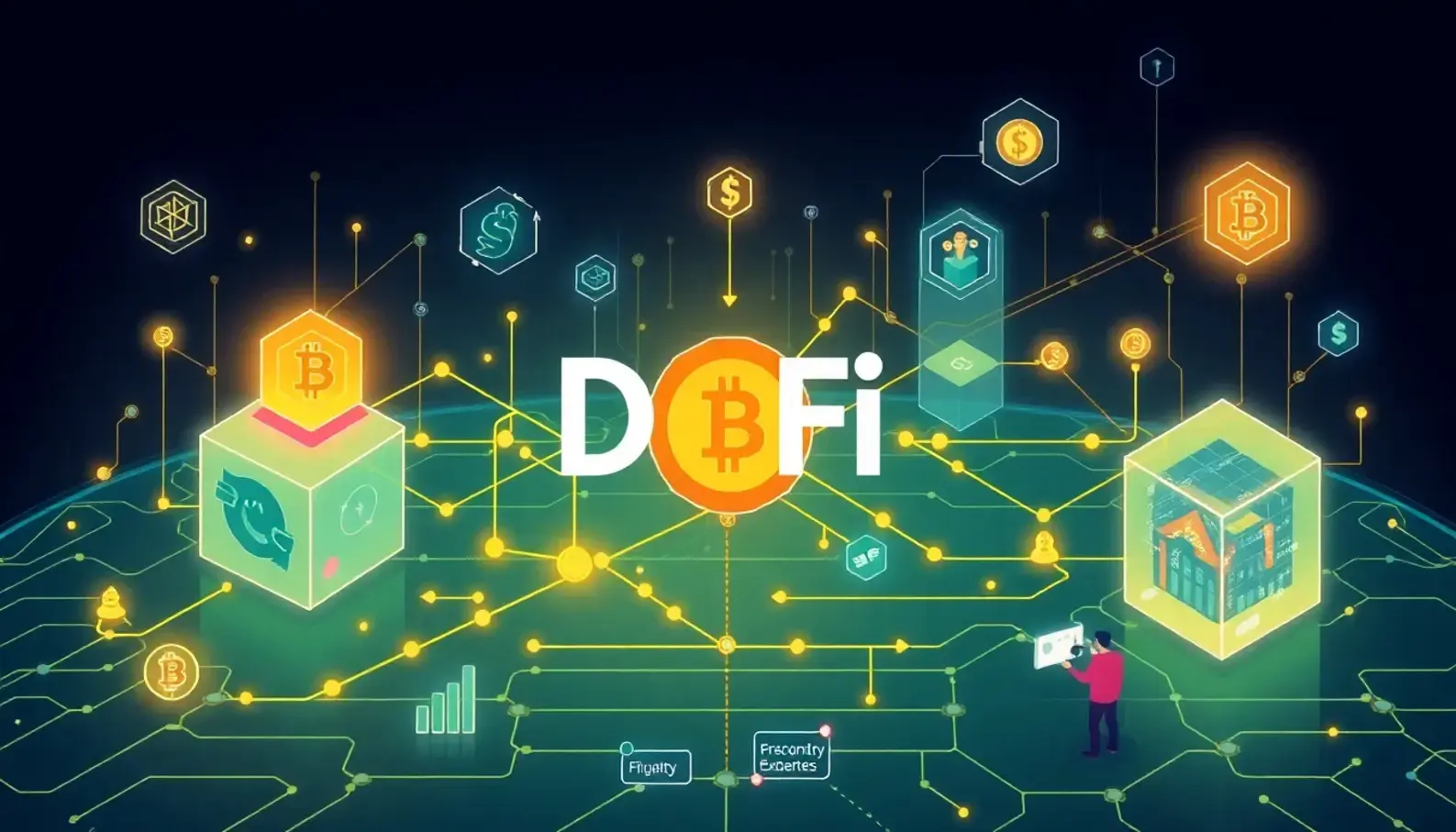
Decentralized Finance, known as DeFi, is reshaping the landscape of finance by utilizing blockchain technology to eliminate intermediaries. At the heart of DeFi are smart contracts, decentralized exchanges (DEXs), and liquidity pools. Together, they form a cohesive system that promotes transparency, security, and accessibility.
Smart contracts are the building blocks of DeFi. These are self-executing contracts where the terms of agreement between buyer and seller are written directly into lines of code. Operating on blockchain networks, they automatically enforce and execute agreements without the need for intermediaries. This automation reduces costs and eliminates human errors, making transactions efficient and trustless. DeFi platforms extensively use smart contracts to handle lending, borrowing, trading, and yield farming, ensuring systematic and secure operations.
The creation of smart contracts is enabled by blockchain platforms that provide a decentralized, immutable ledger. By building applications on these platforms, developers can ensure that their contracts and transactions are resistant to tampering and fraud. This leads to increased trust among users, who can verify operations independently.
Decentralized exchanges represent another critical element of DeFi. Unlike traditional exchanges, DEXs allow peer-to-peer trading without centralized authority. Users maintain control over their funds and can trade directly from their wallets. This autonomy reduces risks associated with hacks and fraud, which are more common on centralized platforms. Moreover, DEXs facilitate continuous trading of a wide range of tokens, offering flexibility and choice for investors.
In a DEX, transactions occur directly on the blockchain. This absence of a central governing body removes potential bottlenecks and delays, enabling real-time transactions. Additionally, DEXs often have lower fees compared to traditional exchanges, primarily due to the absence of middlemen and overhead costs.
Liquidity pools are the lifeblood of DEXs, providing the necessary liquidity for token swaps to occur. These pools consist of funds locked in smart contracts, supplied by liquidity providers who earn fees and rewards in return. This arrangement democratizes liquidity provisioning, allowing anyone to participate and earn returns by contributing to the pool.
The mechanism of liquidity pools not only provides constant liquidity but also stabilizes markets. By incentivizing providers with yields, liquidity pools can maintain a steady volume of assets for trading. This encourages greater trading activity, which in turn fuels the entire DeFi ecosystem.
While DeFi promises numerous advantages, it also poses certain challenges. One major advantage is the democratization of finance. DeFi removes barriers to entry, allowing anyone with internet access to participate. This inclusivity can potentially bring financial services to unbanked populations worldwide.
Another benefit is transparency. All DeFi transactions are recorded on the blockchain, making them openly verifiable. This transparency reduces issues of fraud, and users can trust the systems without needing a third party to verify transactions. Furthermore, DeFi offers unprecedented yield opportunities. Through mechanisms like yield farming and liquidity provision, investors can earn returns significantly higher than traditional finance.
However, the challenges in DeFi cannot be overlooked. Security risks remain prevalent, as vulnerabilities in smart contract codes can be exploited by malicious actors. The immutability of blockchain means once a transaction is executed, it cannot be reversed, posing significant risks if smart contracts contain bugs or errors.
Another concern is regulatory uncertainty. As governments worldwide grapple with how to regulate DeFi, the lack of a unified regulatory framework creates ambiguity for investors and fintech firms. This unpredictability can deter some from fully participating in the DeFi space.
The complexity of DeFi platforms also presents a learning curve. Investors need a certain level of technical understanding to navigate these platforms effectively, which can be a barrier for those less familiar with blockchain technology.
Furthermore, while DeFi offers extensive opportunities, the volatility of the cryptocurrency market cannot be ignored. Price fluctuations can significantly impact investments, and managing risk is crucial for anyone participating in DeFi.
The future of DeFi lies in addressing these challenges while capitalizing on its strengths. As technology advances, we can expect increased security measures, more intuitive user interfaces, and clearer regulatory guidelines. For both investors and fintech firms, understanding and leveraging the core principles of DeFi could unlock new strategic opportunities.
For more insights into potential innovations and strategies in related domains, you might explore the synergy between decentralized finance and other technological advances, such as described in this article about quantum computing innovations. Understanding the broader context of technological progress can offer significant advantages in navigating the emerging DeFi landscape.
Investment Strategies in the DeFi Landscape
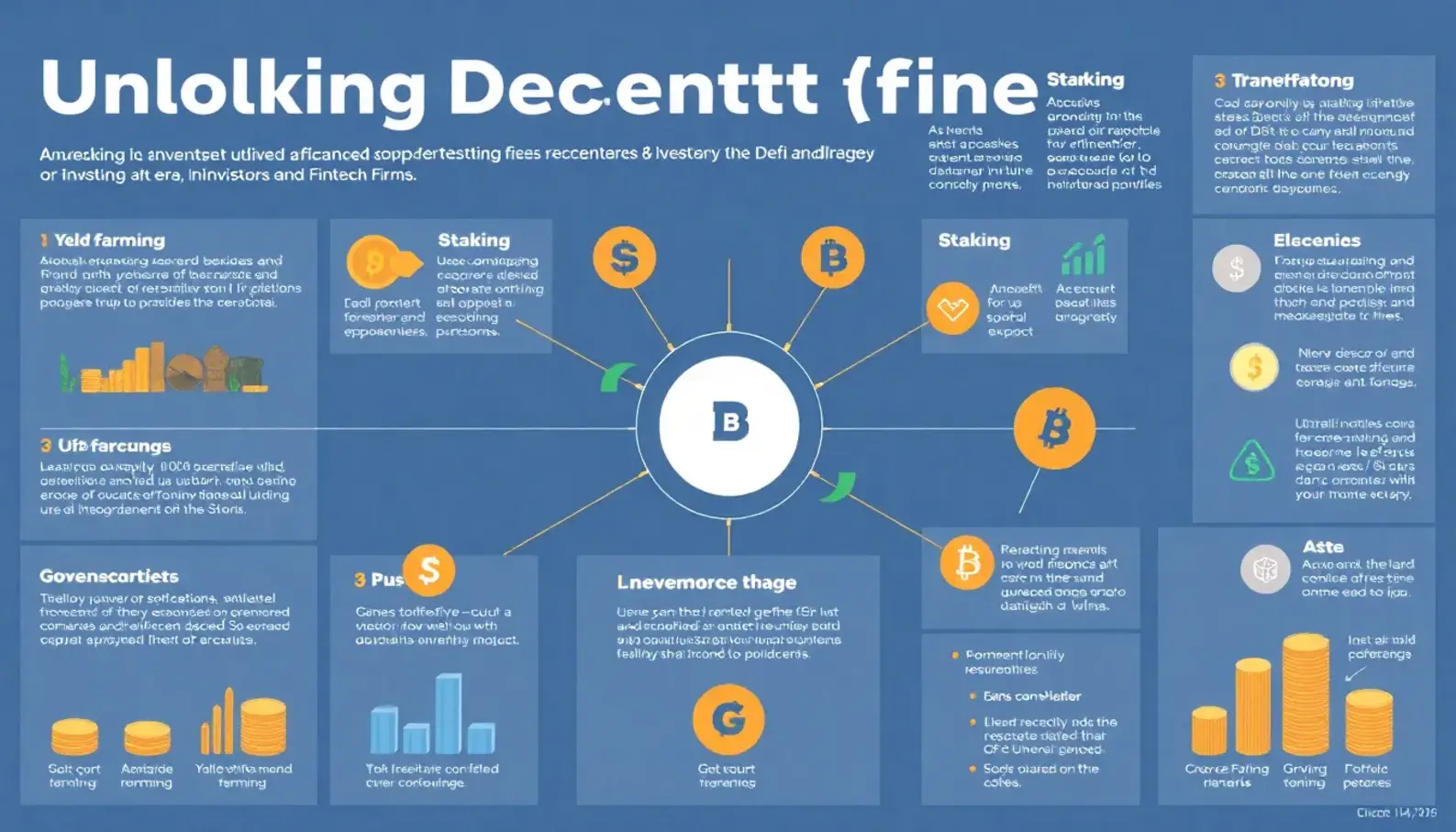
Decentralized Finance (DeFi) has emerged as a transformative force, challenging the traditional paradigms of finance. In this chapter, we delve into the core investment strategies that define the DeFi landscape, specifically yield farming, staking, and governance token acquisition. These strategies, while ripe with potential, necessitate careful risk assessment and management.
Yield farming is one of the most intriguing and complex strategies within DeFi. It involves providing liquidity to decentralized exchanges and earning returns on the fees generated by these platforms. Liquidity providers (LPs) contribute pairs of assets to liquidity pools and, in return, receive LP tokens that can be staked or utilized in other DeFi protocols for enhanced returns. The allure of yield farming lies in its potential for high yield but it comes with significant risks, such as impermanent loss. This occurs when the price of the assets provided as liquidity diverges, potentially leading to a lower value than if the investor had simply held the original assets. Therefore, investors need to continually monitor their positions and the price volatility of their underlying assets.
Staking, another prevalent DeFi strategy, involves locking up cryptocurrencies in a smart contract to support the operations of a blockchain network. In proof-of-stake (PoS) and certain delegated proof-of-stake (DPoS) systems, staking is crucial for transaction validation and network security. Participants are rewarded with new cryptocurrency as a return on their locked assets. Staking provides investors with passive income and contributes to the stability and security of blockchain networks. However, it demands a long-term commitment and involves the risk of locks, where assets cannot be withdrawn easily, and slashing, where a portion of staked value is penalized for network malfeasance or errors.
Governance token acquisition offers investors a stake in the decision-making processes of DeFi protocols. Holding these tokens allows investors to propose changes, vote on key issues, and participate in the governance of the platform. This not only provides voting power but also often comes with financial incentives, like fee revenue sharing or token redistribution. Governance tokens are speculative in nature, and their value can be volatile, thus necessitating a robust understanding of the protocol’s roadmap and the community’s sentiment.
Risk assessment is crucial across all of these strategies. A comprehensive approach involves understanding smart contract vulnerabilities, regulatory changes, and macroeconomic factors that could impact DeFi markets. Smart contracts, the backbone of DeFi applications, are susceptible to bugs and hacks that can lead to substantial financial losses. Therefore, investors should prioritize platforms that have undergone thorough audits by reputable security firms.
Emerging opportunities within the DeFi ecosystem include synthetic assets and decentralized stablecoins. Synthetic assets allow exposure to traditional financial instruments, such as stocks or commodities, without the need to hold the actual asset. Meanwhile, decentralized stablecoins offer stability, crucial for reducing risk associated with the volatility of crypto markets. However, investors need to navigate potential pitfalls, such as ensuring the synthetic assets are adequately collateralized and stablecoins maintain their peg to fiat currencies consistently.
Portfolio diversification in DeFi involves spreading investments across multiple projects, asset classes, and protocols to mitigate risk. Effective diversification considers factors such as liquidity, protocol audits, and market trends. Additionally, maintaining an allocation strategy that adapts to market conditions and personal risk tolerance is essential in capturing the dynamic opportunities of DeFi. As new projects emerge, remaining informed through continuous research and engagement with the DeFi community is pivotal.
Investors and fintech firms venturing into DeFi must also be cognizant of regulatory environments and compliance requirements. The burgeoning intersection between artificial intelligence and finance is noteworthy, as AI tools are increasingly leveraged for predicting market trends, managing risk, and executing complex trading strategies. AI in Finance Strategies explores these intersections further, providing valuable insights for those looking to enhance their strategic planning within DeFi.
In conclusion, the DeFi landscape offers a myriad of investment strategies each with distinct opportunities and risks. Yield farming, staking, and governance token acquisition are pivotal strategies that require a nuanced understanding of the market’s dynamics and inherent risks. Thorough research, effective risk management, and strategic diversification are crucial for unlocking the potential of DeFi, steering towards a prosperous new era for investors and fintech firms.
Final words
Decentralized Finance presents a compelling landscape for investors and fintech firms eager to innovate and capitalize on fintech advancements. By understanding core principles and investment strategies, stakeholders can better navigate this evolving landscape. As the DeFi ecosystem continues to mature, those who adapt and engage with these opportunities are likely to reap significant rewards. The future of finance is decentralized, making this a pivotal moment for proactive investors.
Ready to invest in the DeFi revolution? Join us to explore opportunities!
Learn more: https://innoupdates.com
About us
Blockchain Financial Services offers comprehensive solutions tailored to the needs of investors and fintech firms looking to navigate and thrive in the decentralized finance landscape. Leveraging cutting-edge technology and expert insights, we provide the tools necessary for strategic investment decisions in a rapidly evolving financial ecosystem.